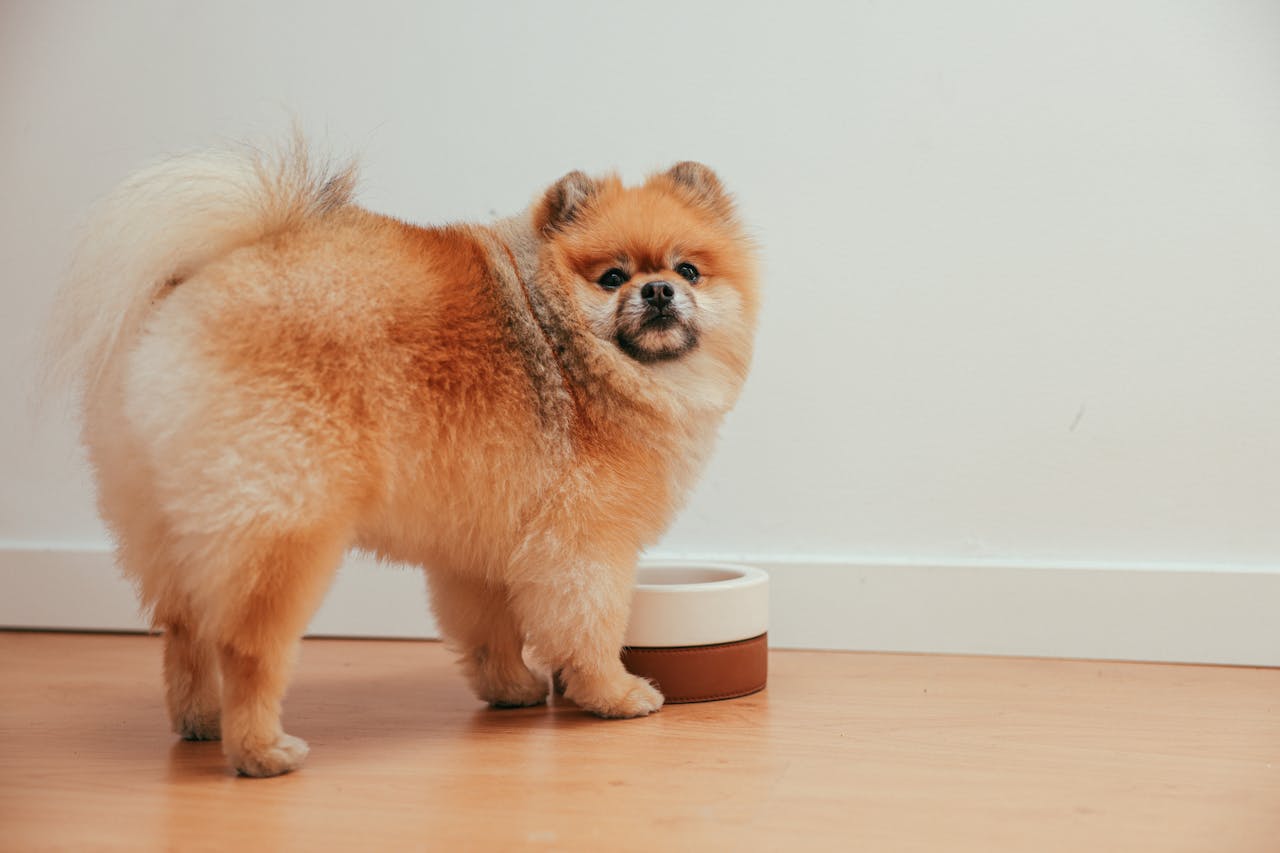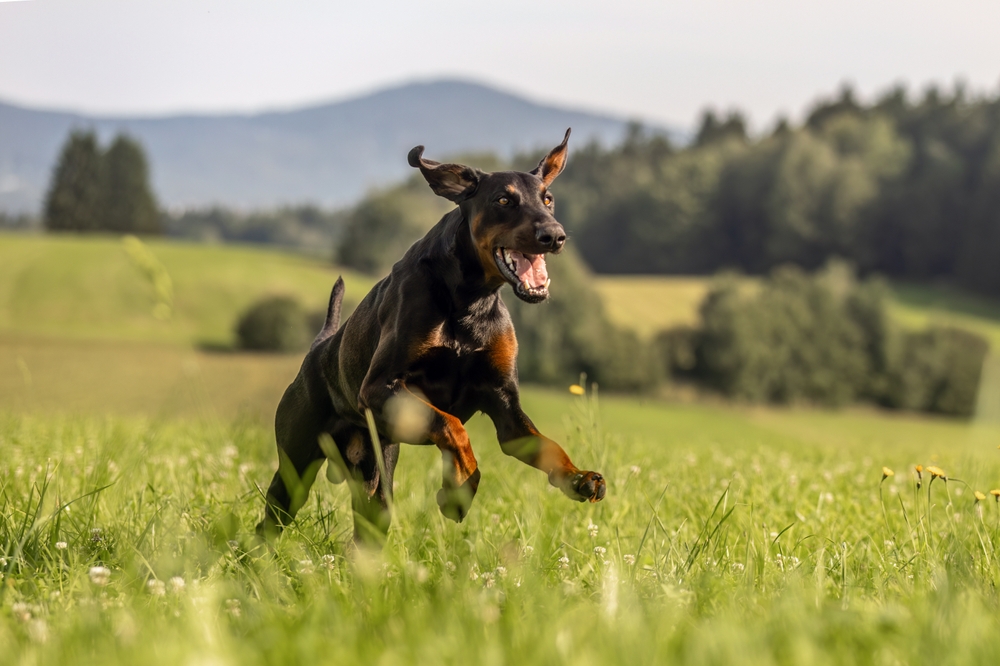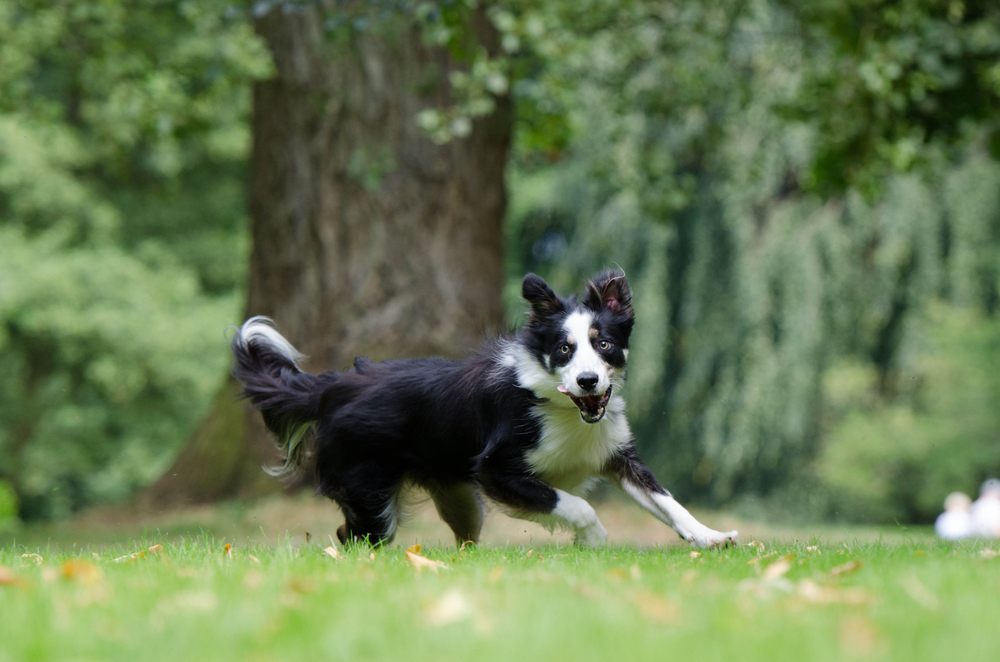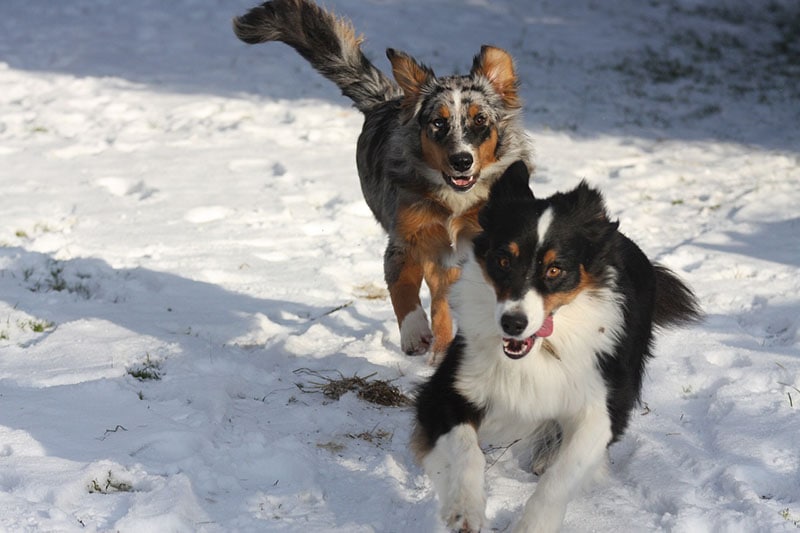
Getting a new pet can be incredibly fun, especially if you can choose any kind that you want. All dogs have many great qualities that make them fascinating pets, but if you are a new pet owner or are looking to enter your dog into competitions, it can be helpful to avoid breeds that might be challenging to train.

How Are Difficult-to-Train Dogs Classified?
Difficult-to-train dogs are usually those that are more independent and that have a self-imposed personality that overrides any orders that you give them. These pups are usually too busy watching for other animals, following a scent, or playing with a toy to pay any attention to you. Although many of these dogs are intelligent, their preferred activities get in the way of their learning.
The 13 Most Difficult Dogs to Train
1. Basenji
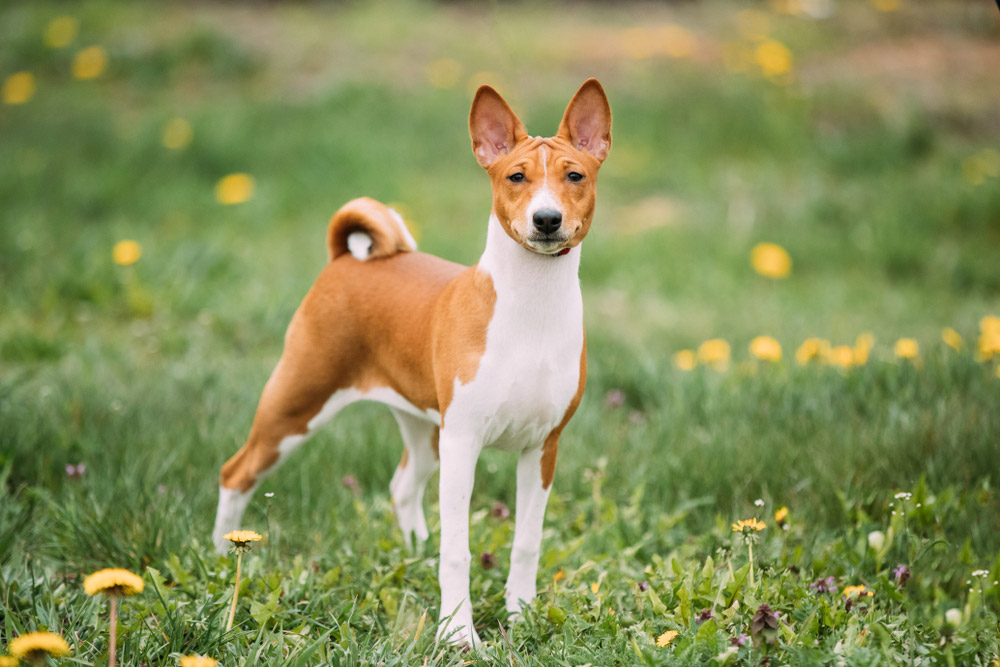
| Origin: | Africa |
| Lifespan: | 13–14 years |
| Height: | 16–17 inches |
The Basenji is a “barkless dog” with a sweet face and plenty of energy that makes it difficult for them to sit still long enough to learn a new trick. They also have a penchant for mischief.
2. Beagle
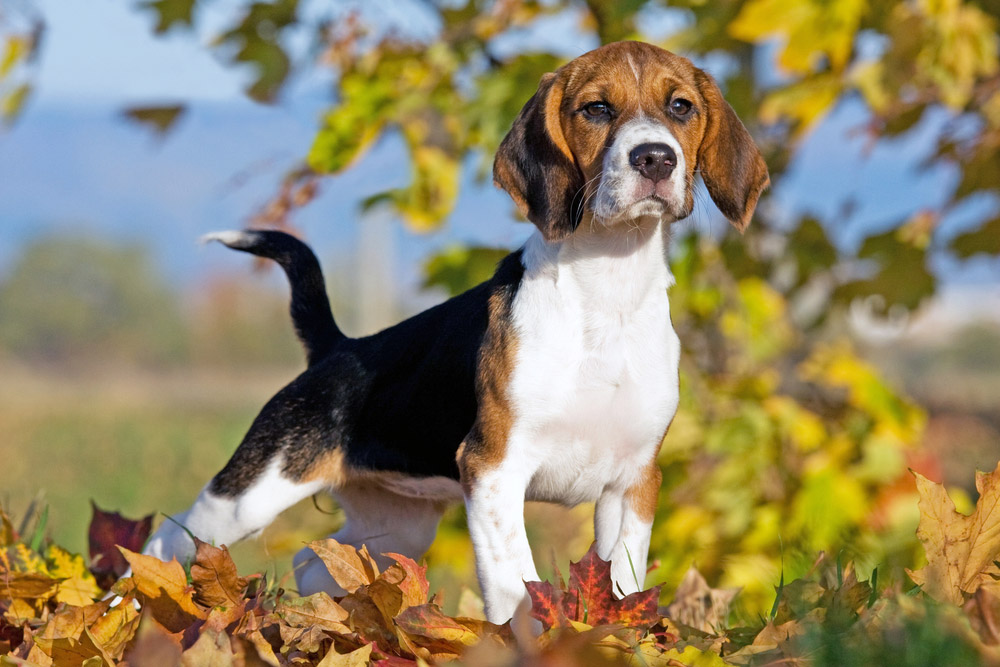
| Origin: | England |
| Lifespan: | 10–15 years |
| Height: | 13–15 inches |
The Beagle is a short and affectionate dog with an adorable face, big eyes, and long floppy ears. This popular breed is great with children and other pets. However, their love for wandering off to find distant scents often makes them too busy to sit and learn a new trick. They can also be stubborn and refuse to take orders.
3. Shar-Pei
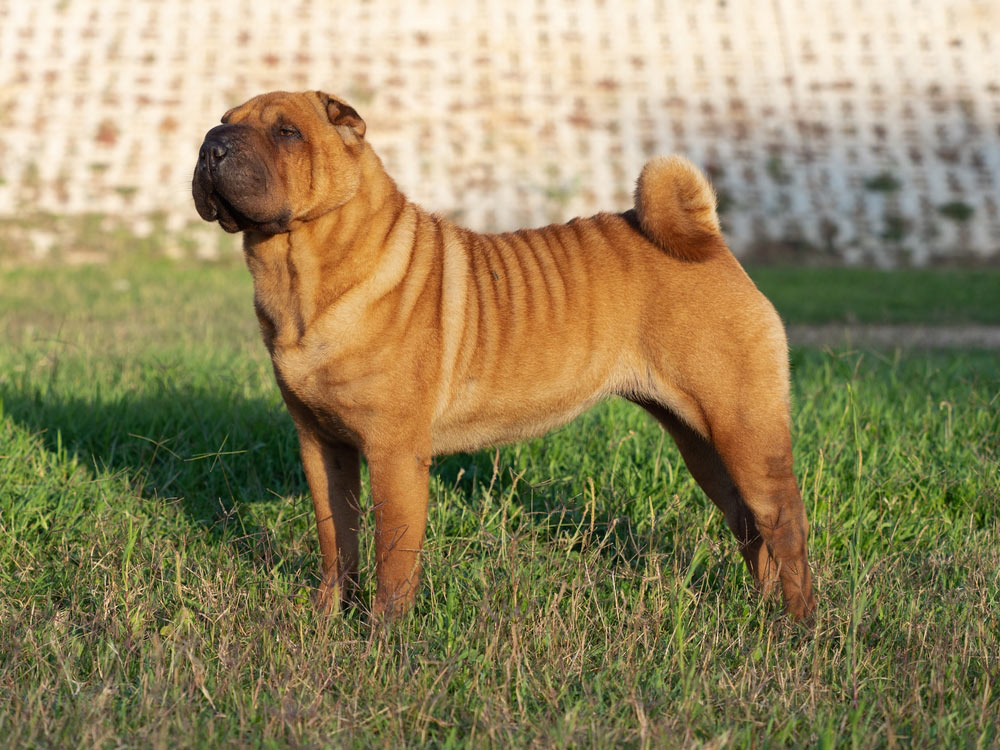
| Origin: | China |
| Lifespan: | 8–12 years |
| Height: | 18–20 inches |
The Chinese Shar-Pei is a loyal dog that can be quite affectionate with family members but wary of strangers. They have a wrinkly face and a blue-black tongue that helps them stand apart from other breeds. They are also quite independent and often prefer to do what they want to do instead of learning a new trick or following orders.
4. Shiba Inu
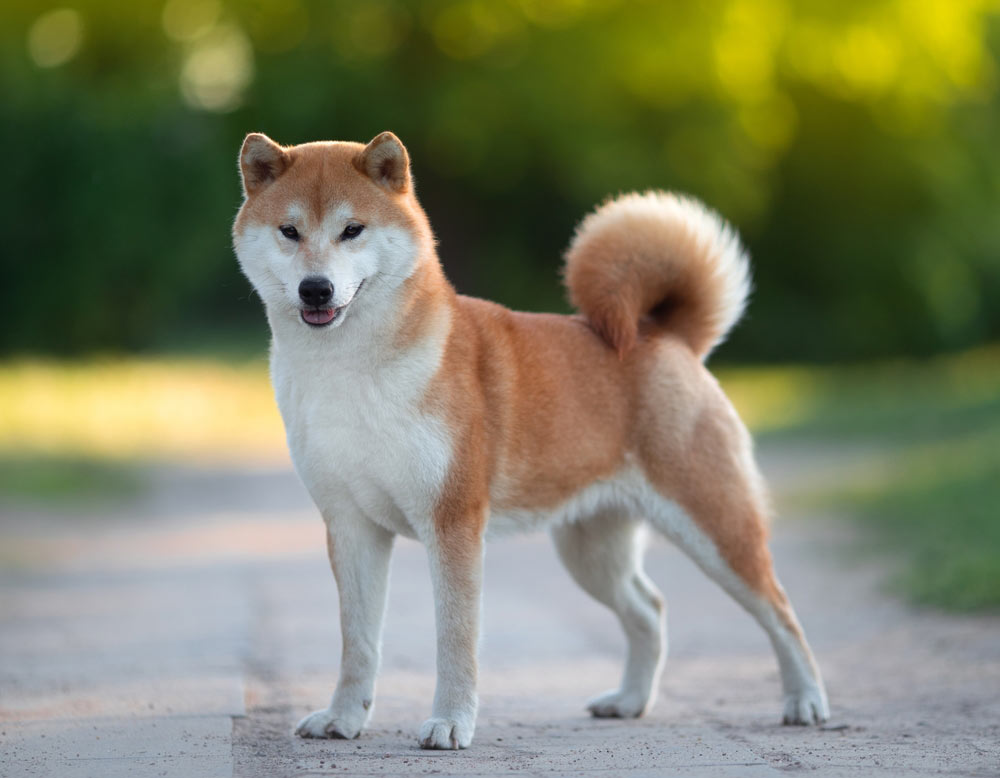
| Origin: | Japan |
| Lifespan: | 13–16 years |
| Height: | 13.5–16.5 inches |
The Shiba Inu has an attractive fox-like appearance that makes them highly sought after especially in Japan where they were originally bred as hunting dogs. They are also extremely affectionate with family members and are alert and attentive, making them a great choice for a watchdog. However, they are extremely independent and don’t like to follow orders, so it can take a great deal of time and patience to train them properly.
5. American Akita
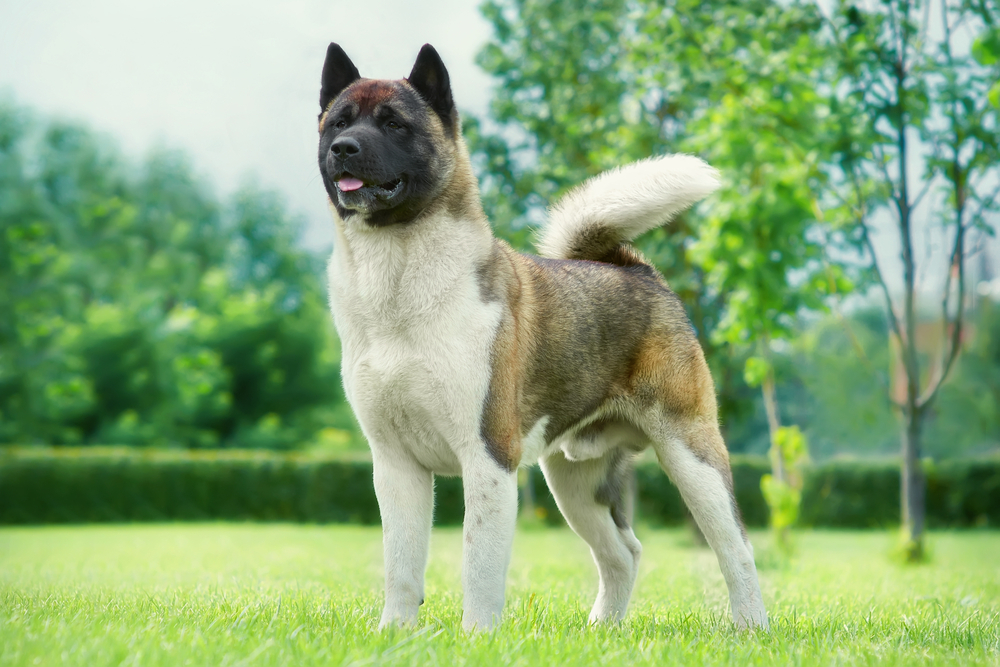
| Origin: | Japan |
| Lifespan: | 10–14 years |
| Height: | 24–28 inches |
The Akita is a large, muscular dog with erect ears and dark, shining eyes that cause them to be quite imposing. While they tend to be friendly and even silly with family members, they are extremely wary of other animals and strangers and are always on the lookout for them, which can make them hard to train. If they get out of hand, their large size can make them difficult to manage, so starting socialization early on is paramount. Training this breed can be difficult, so seeking professional assistance can be a good idea.
6. Alaskan Malamute
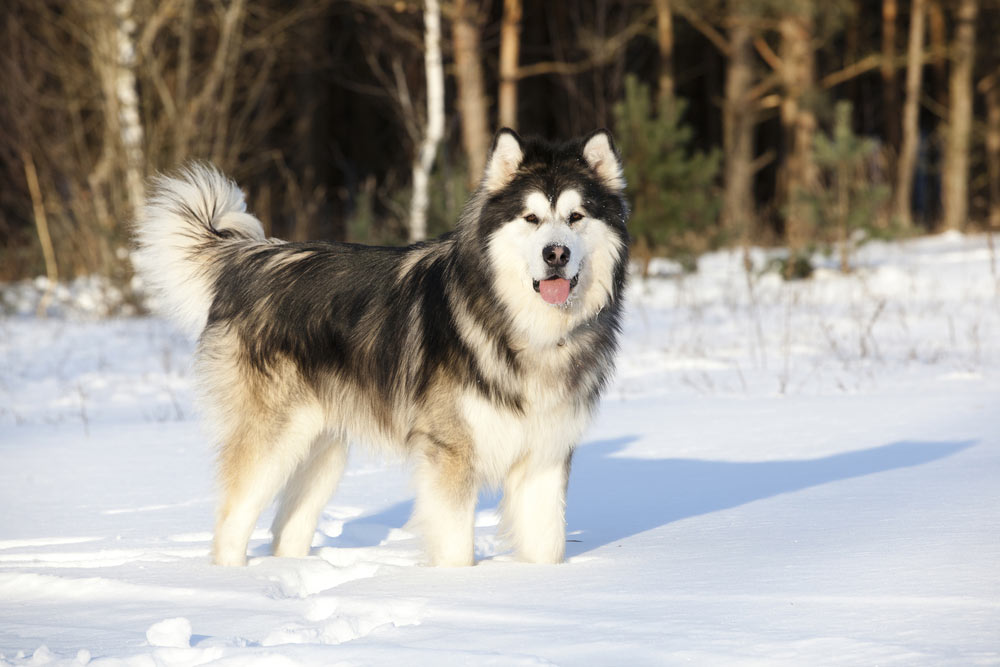
| Origin: | Alaska |
| Lifespan: | 10–14 years |
| Height: | 23–25 inches |
The Alaskan Malamute is a large sled dog with plenty of thick fur and a dignified appearance. Despite their love of hard work, they enjoy snuggling on the couch and spending time with their owner. However, they are also fiercely independent and will often vanish on an adventure without a trace. These dogs require a strong leader, so they are better for an experienced owner or one who will get their pet professionally trained.
7. Basset Hound
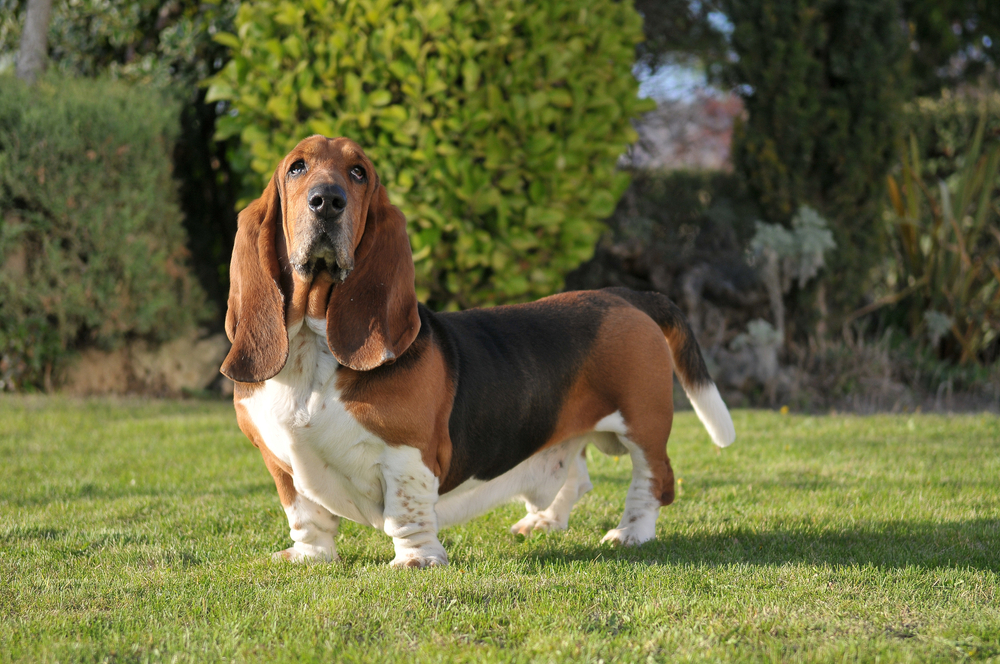
| Origin: | France and Belgium |
| Lifespan: | 12–13 years |
| Height: | <15 inches |
The Basset Hound is a wonderful pet, especially if you have children, as they get along quite well, and their relaxed and laidback personality makes it easy to get them enough exercise each day. However, it also means that it can be hard to get them to do something when they don’t want to do it. Many Basset Hound owners have plenty of stories about how their hound just stared up at them with a sad face without moving, no matter what they did.
8. Bloodhound
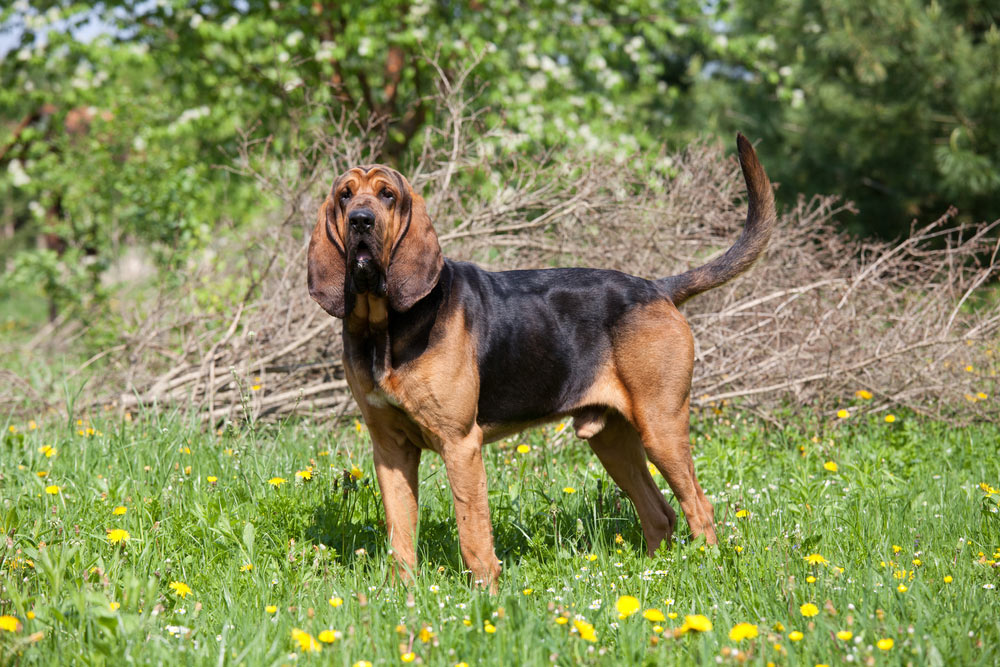
| Origin: | Western Europe |
| Lifespan: | 10–12 years |
| Height: | 23–27 inches |
The Bloodhound is a well-known breed of dog, known for their gentle nature and their amazing sense of smell. They are a large breed, often weighing more than 100 pounds, and have long droopy ears and powerful legs that enable them to cover large distances. They are usually laidback and relaxed, but once they pick up a scent, it can be incredibly challenging to distract them from it. They will often wander off to pursue it, even pulling you off the trail with them, with no regard for your commands or orders.
9. Dachshund
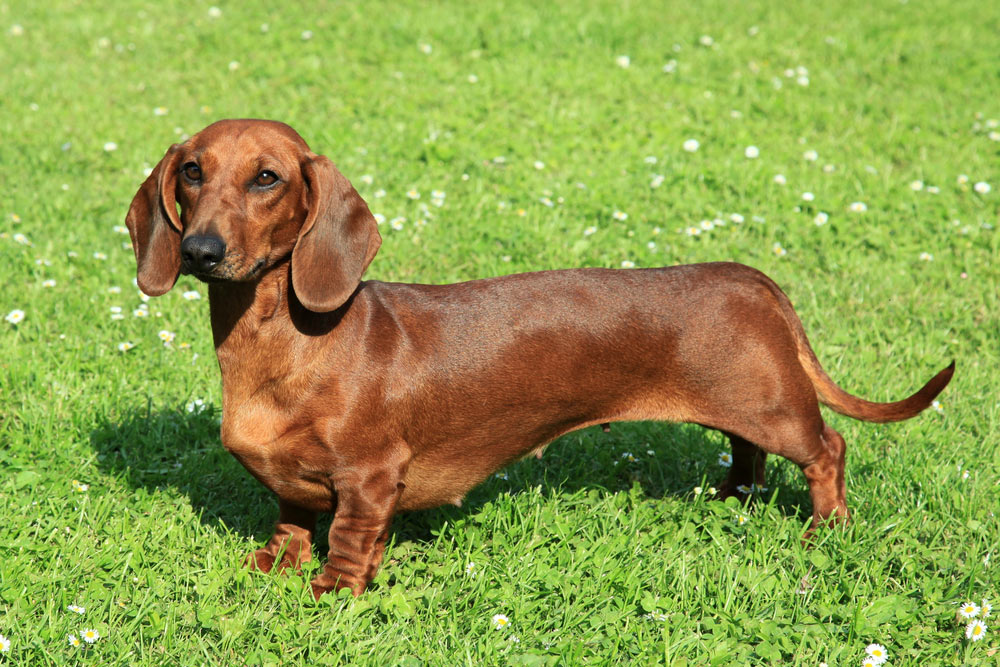
| Origin: | Germany |
| Lifespan: | 12–16 years |
| Height: | 8–9 inches |
The Dachshund is a great dog that enjoys being around family members and has plenty of energy. They are also well-suited to small apartments and are easy to maintain. However, their wilful personality and desire to sniff and play over learn can often make them difficult to train for new pet owners.
10. Jack Russell Terrier
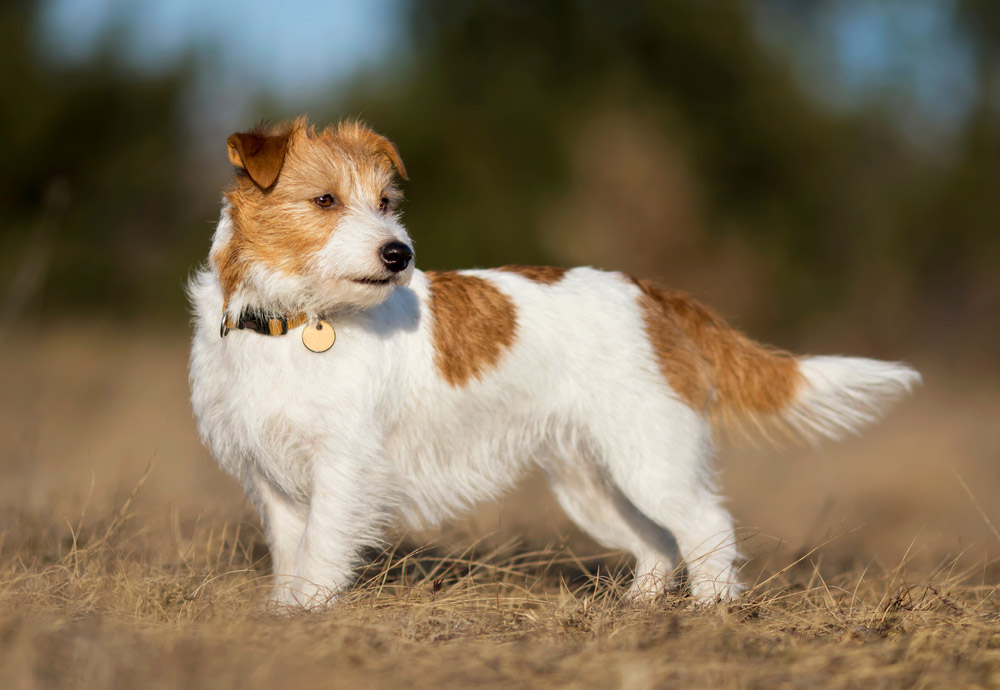
| Origin: | England |
| Lifespan: | 12–14 years |
| Height: | 10–12 inches |
The Jack Russell Terrier is extremely friendly and affectionate with family members and other dogs, which makes them a great addition to any household. They are also extremely playful and have endless energy, which can make it difficult to get them to settle down enough to learn a new trick even after playtime, as you will often get tired before they do. They have a high prey drive so will often ignore your commands when they can see or smell another animal.
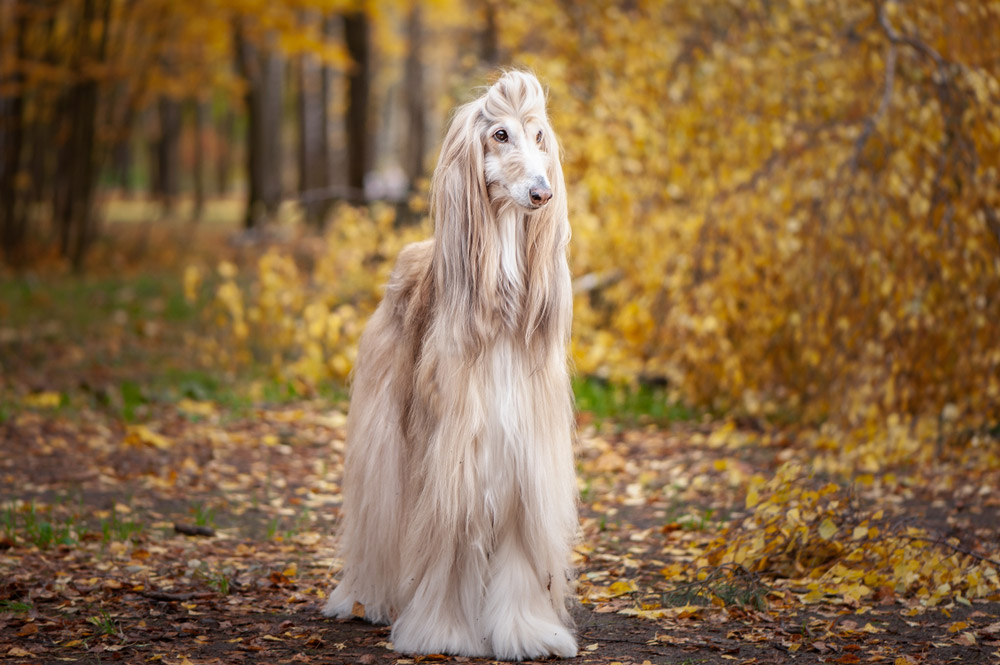
11. Afghan Hound
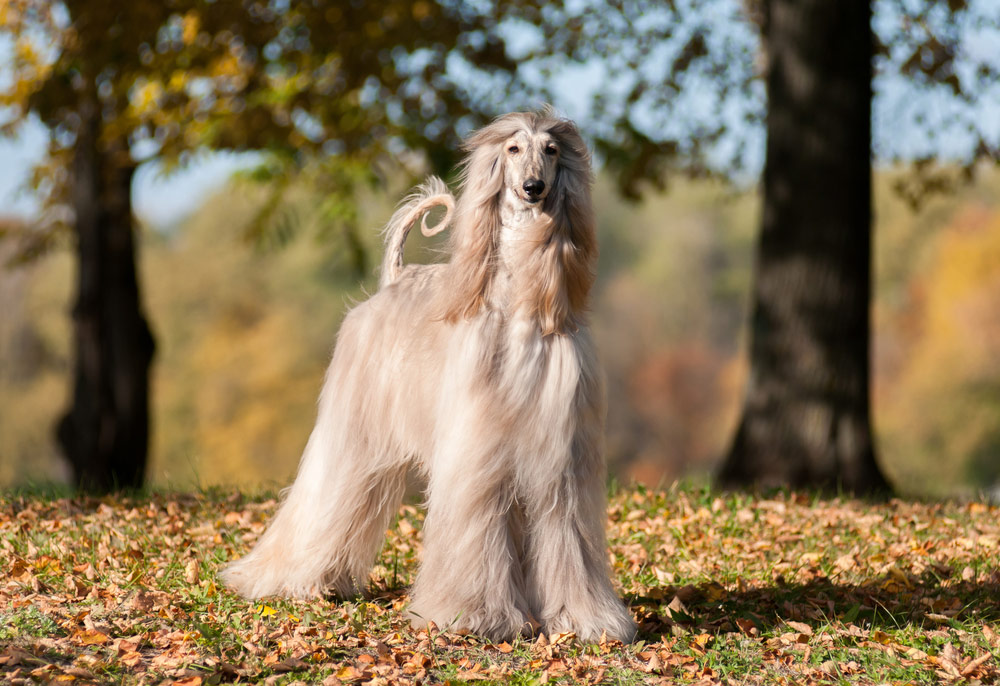
| Origin: | Afghanistan |
| Lifespan: | 12–18 years |
| Height: | 25–27 inches |
The Afghan Hound is an impressive dog with a long flowing coat that is sure to attract the attention of anyone who sees it. They have a great deal of energy and are playful and even silly at times. Still, their strong independence can keep them from being interested in your training routines, and their strong prey drive can cause them to start chasing another animal suddenly and without notice.
12. Japanese Akita Inu
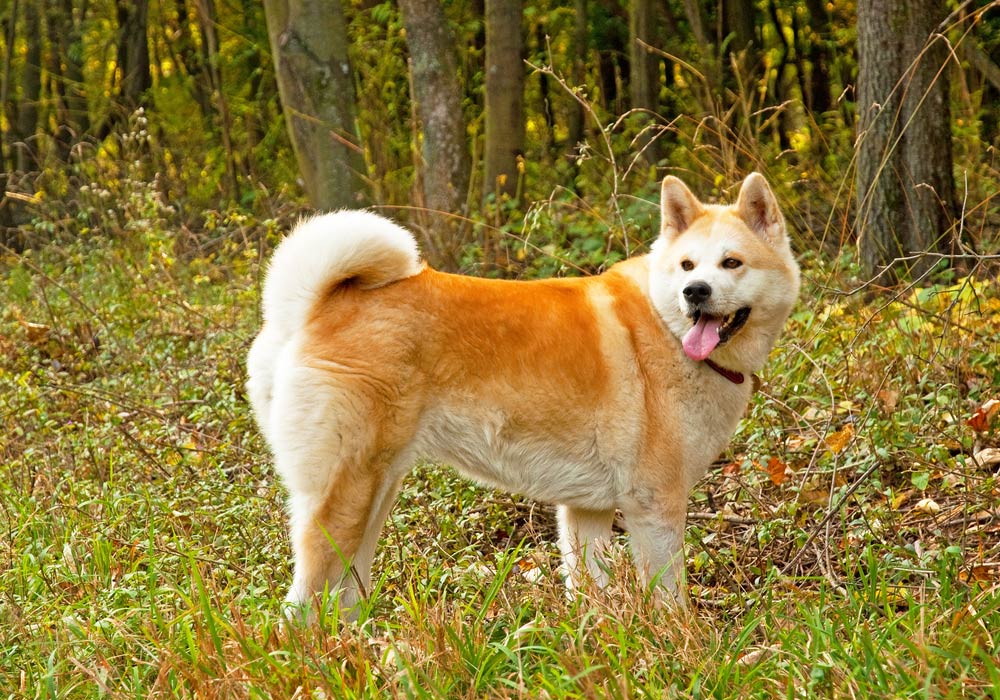
| Origin: | Japan |
| Lifespan: | 10–12 years |
| Height: | 22.5–27.5 inches |
The Japanese Akita Inu is an ancient hunting and guarding dog with many breeders working to protect the lineage. They are a fantastic choice for someone who needs a watchdog. However, they are large and not that affectionate toward people or other animals and can be difficult to train due to their aloof personalities.
13. Pekingese
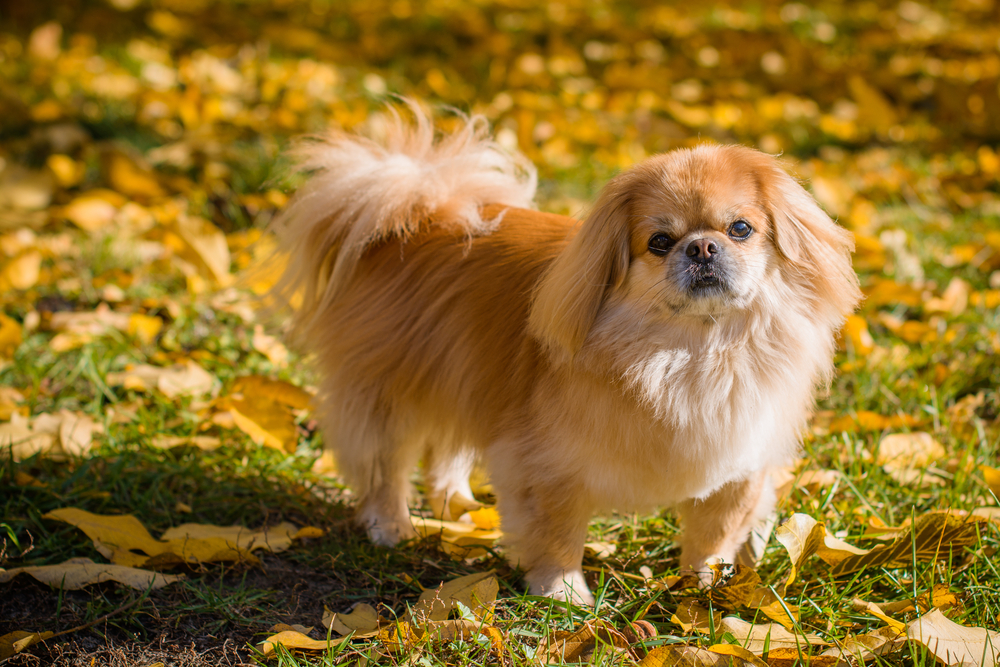
| Origin: | China |
| Lifespan: | 12–14 years |
| Height: | 6–9 inches |
The Pekingese is a toy breed with a long lion-like mane that makes them extremely popular, especially in areas where living space is cramped. While these dogs are extremely affectionate and enjoy being around family members, they tend to spend most of their time focused on what’s going on outside, which can make it difficult for pet owners to train them.

Tips for Teaching a Hard-to-Train Dog
- Having patience and maintaining a positive attitude throughout your sessions without getting angry or frustrated are critical to your success.
- Provide plenty of positive reinforcement in the form of treats, praise, and extra petting to let your pet know that they are doing the right thing and to keep them interested in continuing.
- Train your pet in an environment where you can control outside interference and distractions if possible, such as in the garage or a seldom-used room.
- Remain consistent with the time, place, and length of your training sessions so your dog will know what to expect. It can also help get them into a routine that they can become accustomed to.
- Contact a professional trainer or a veterinarian if you find the task too difficult or think that it is taking too long.
If you need to speak with a vet but can't get to one, head over to PangoVet. It's our online service where you can talk to a vet online and get the advice you need for your pet — all at an affordable price!


Summary
Some dogs can be harder to train than others, typically because they always seem to be preoccupied with another task, like guarding the house or following a scent. Many dogs also just like to play and don’t want you to bog them down with lessons.
While it can be frustrating to have your pup ignore you, stay positive and keep at it. Properly training your dog can help keep them safe and will make pet ownership more enjoyable. If you are struggling, don’t be afraid to contact a professional. They often have many years of experience dealing with difficult dogs and will likely be successful much quicker. In many cases, they will also provide tips and tricks specific to your pet to help make the process easier in the future.
Featured Image Credit: WildStrawberry, Shutterstock
 How Are Difficult-to-Train Dogs Classified?