11 Pitbull Facts That Might Just Surprise You



The Pitbull is a bit of a controversial dog due to reports of attacks and aggression. That said, with the right training and upbringing, they are wonderfully loyal and gentle dogs. However, there are many other facts about them that might surprise you.
Let's take a look at Pitbull facts that you probably didn't know!

The 11 Pitbull Facts
1. The Pitbull Isn't an Actual Breed
You may be most surprised to learn that a Pitbull isn't actually a breed of dog. In fact, they aren't recognized by any kennel club. You cannot purchase a “Pitbull” from a high-quality breeder.
Instead, this is more of a type of dog, similar to how a retriever or spaniel is a type rather than breed. Many breeds may be put in this category, like the American Pit Bull Terrier. However, the exact breeds included vary widely, depending on who you ask.

2. They're From the UK
Many people believe that many of the Pitbull breeds originated from America. Indeed, some breeds were further developed in America, which is how we got breeds like the American Pit Bull Terrier. However, some of the breeds that fall into the Pitbull class are actually from England, Ireland, and Scotland.
The “Pitbull” is a type of dog developed by mixing bulky breeds with terriers. This occurred most prolifically in England, and then the dogs were imported to America.
3. They Aren't Inherently Aggressive
Despite their reputation, Pitbulls aren't inherently aggressive. They've been bred as companion animals for many years, so they've been developed to have traits wanted in companion dogs, like friendliness. No one wants an aggressive family dog.
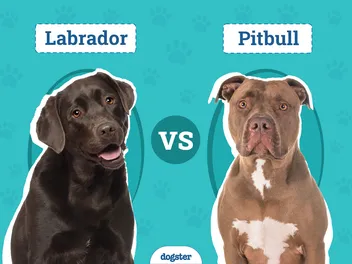
In fact, temperament testing puts many Pitbull breeds at about the same stability as Labrador Retrievers—one of the most popular family dogs around. Therefore, these breeds aren't inherently dangerous. However, how you raise them does matter. They're big dogs and can be a bit hyperactive.

4. They're Easy to Train
Pitbulls can be a good option for new dog owners because they are pretty easy to train. In many cases, they are eager to please. They want to do what you say, which makes them far easier to train than stubborn dogs. However, these dogs can also be a bit energetic. Therefore, it's important to exercise them properly. Otherwise, they can be prone to destructive behaviors and may be a bit too hyper for training.
When you train and exercise them properly, though, they are surprisingly intelligent and pick up on commands quickly.
5. Pitbulls Are Often Friendly
These dogs have often been bred to be companion animals. Therefore, they typically remain friendly into adulthood, especially when trained properly.
However, some of them like people a bit too much. They can be hyper, and their larger size can make that a problem. Training and socialization are important to ensure that your dog controls themselves properly when new people show up.

6. They're Prone to Discrimination
Pitbulls are often discriminated against due to their perceived aggressive behavior. However, as discussed, they aren’t particularly more aggressive than other dogs.
There are a few reasons that these dogs may be discriminated against more than other breeds. First, a Pitbull bite is more likely to be reported on by the media than a bite by a smaller dog, like a Chihuahua, for instance. This may be because Pitbulls are big, muscular dogs and are able to do a lot of damage when provoked.
Second, a large number of them may be produced by backyard breeders and puppy mills. Therefore, poor temperament traits may be more common, though this can often be avoided by purchasing a puppy from a quality breeder.
These dogs also have the reputation of being used for bull-baiting and dog fighting in the past, which are two activities that require a dog to be trained to be aggressive.
All these issues lead to significant discrimination. However, much of this is unfounded. While it is true that some Pitbulls are aggressive, the same can be said for individuals from almost any other breed.
7. Pitbulls Can Be a Lot of Work
While they can be great family dogs, Pitbulls can also be a lot of work. They are part terrier, which makes them pretty active. However, they’re also big, so exercising them takes quite a bit of work. They work best for more active families. That said, since these dogs are large and don’t necessarily understand their size, they aren’t recommended for families with younger children since their rambunctiousness may inadvertently cause harm.
These dogs also require socialization. While these dogs are often friendly, that doesn't mean you can skip this step of raising a puppy. They must be introduced to many people, places, and other animals as puppies so these things aren't new and scary when they're older. We highly recommend puppy classes for these dogs, as these provide training and socialization.
Socialization can take up a lot of time, especially when these dogs are younger. Be sure you can commit to it before you adopt a Pitbull puppy.

8. Pitbulls Were Used for Farming Work
These dogs have been used for farm work. This might have included herding livestock or keeping rabbits out of the garden. They were developed to be all-around farm dogs, making them a good choice for lower-income farm owners who wanted one dog who could do lots of things.
However, they were later bred for fighting purposes. Luckily, this was a long time ago, though, and was due largely to their bravery (a trait many terriers possess) and strength.
9. They Were Once Nicknamed “Nanny Dogs”
At one point, Pitbulls were the family dog. They were known for their loyalty and general friendly nature. However, they were also brave when it was called for. All of these traits led to them being thought of as protectors of children. It was normal for families to trust these dogs to watch their children play in the backyard.
In this way, they were similar to Rottweilers and other “nanny dogs.”

10. They Cannot Lock their Jaws
There’s a misconception that Pitbulls can “lock their jaws,” which supposedly makes them more dangerous. However, this isn’t actually true. They have the same jaw structure as other breeds, and their bite may not even be the most powerful out there. Sadly, this myth still exists today and often causes discrimination against these types of dogs.
11. Most Dogs Called Pitbulls Actually Aren't
Many mixed-breed dogs in shelters are mislabeled as a “Pitbull,” despite that not actually being a dog breed. One study found that shelter staff and vets mislabeled over half of all dogs called “Pitbulls.” Therefore, many dogs that are reported as “Pitbulls” actually aren’t one of the common breeds included in Pitbull classification.
The media and victims of dog bites often do the same thing. Certain mixed-breed dogs may be called “Pitbulls” only because they have similar features but aren’t actually one of the main breeds considered a Pitbull type. Many people assume that all Pitbulls are aggressive.

Conclusion
Pitbulls are easily misunderstood. There are many myths surrounding this type of dog, such as their aggression level and jaw locking abilities. However, these facts can help clear up some of these misconceptions and help you better understand these dogs.
That said, it is also important to treat every dog as an individual. While these traits may be true for most dogs in this category, “Pitbull” is a large category. The exact breed matters, as does how that dog was raised.
Just like with any breed, training, good breeding, and socialization can help ensure your dog has a stable temperament.
Featured Image Credit: otsphoto, Shutterstock
Expert dog care, straight to your inbox
Vet-reviewed advice, training tips, and the best of Dogster. Free, and you can unsubscribe anytime.
By signing up, you agree to our Terms & Conditions and Privacy & Cookies Policy.
Kristin loves to help pet parents create a fulfilling life for their pets by informing them on the latest scientific discoveries and helping them choose the best products for their pets. She currently resides in Tennessee with three cats, four dogs, two fish, and a lizard, though she has dreams of owning chickens one day!
Join the conversation
Ask a question, share your story, or send private feedback.