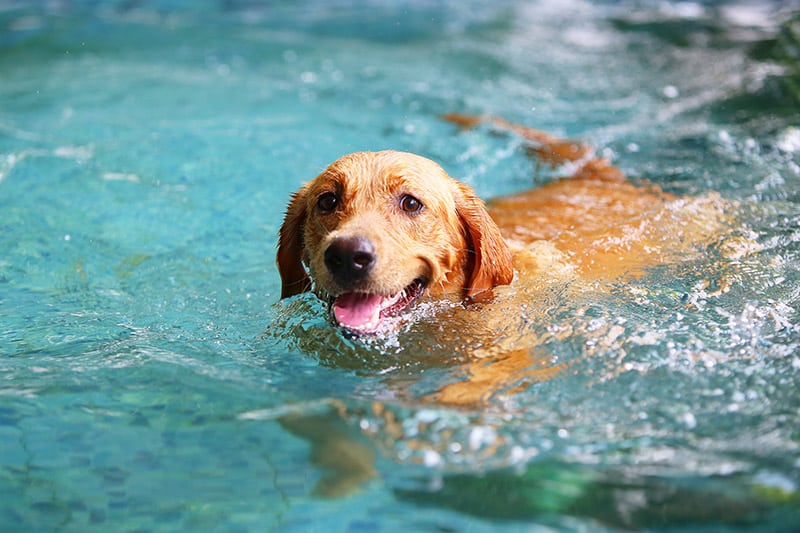
It isn’t uncommon to learn that a dog doesn’t like getting into water, let alone swim in it. Even dogs that are notorious for being water pups, like Labrador Retrievers, are sometimes leery of the wet stuff. But just because a dog doesn’t initially take to water doesn’t mean they can’t learn to enjoy it. Here are six simple tips that you can try to help get your dog used to being and swimming in water.

Can All Dogs Swim?
Some dog breeds were literally born to swim, while others were traditionally bred for land activities. Dogs like the Portuguese Water Dog were developed to work in the water alongside fishermen, so they are structurally suited for swimming. Other breeds seem to naturally know how to swim the first time they get in the water, even as puppies.
However, there are also dogs that were not developed to get in the water, let alone swim any amount of distance. They don’t need to swim, and thus, they don’t have much—if any—interest in water. In fact, many of these breeds are not physically suited for swimming without help. Dogs with short legs or long bodies can find swimming difficult, if not impossible.
While not all dogs can naturally swim, all dogs can learn how to get along in the water and perhaps even like it, with the help of support accessories, practice, and owner encouragement.
The 6 Tips for Getting Your Dog to Like Water
1. Invest in a Well-Fitting Life Jacket
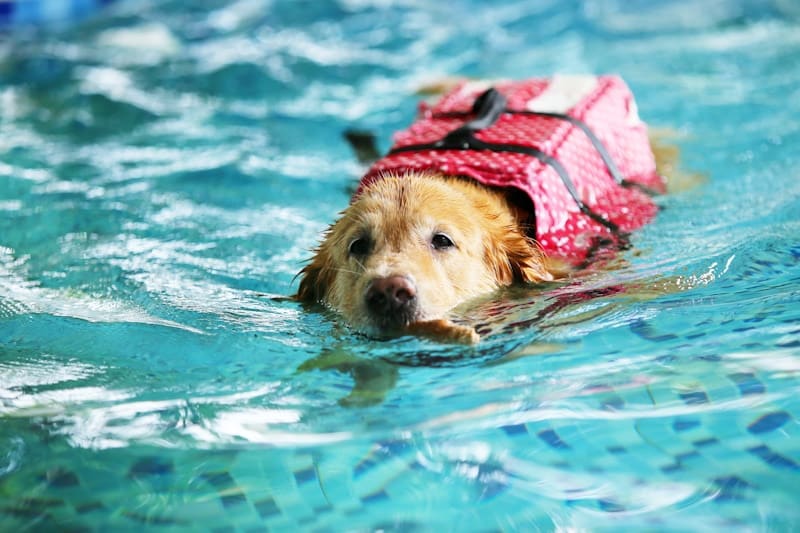
The first thing to do before even getting close to a body of water for the first time with your pup is invest in a well-fitting life jacket or vest for them to swim in. A doggy flotation device will provide them with extra support and help keep them afloat while they work to develop their “sea legs” without panicking.
The terms life jacket and life vest are often interchangeable, but in most circles, a life vest refers to a lightweight buoyancy aid that covers less of the body, while a life jacket covers most of a dog’s body and is designed to keep them afloat while being visible in the water, which is essential for rescue reasons.
2. Start in Shallow, Calm Water
Never throw your dog into a body of water and force them to fend for themselves when it comes to staying afloat and swimming to safety. If their initial experience with water is negative, it will be at least twice as hard to get them to like it later. Putting a flotation device on your pup and guiding them into shallow, calm water is a gentle way to introduce them to getting wet and swimming. If they aren’t comfortable yet, get in yourself, and make encouraging noises and movements to help coax them in. If you can’t get them to enter the water themselves, try again another day, and keep at it until you succeed.
3. We Reward Water Entry
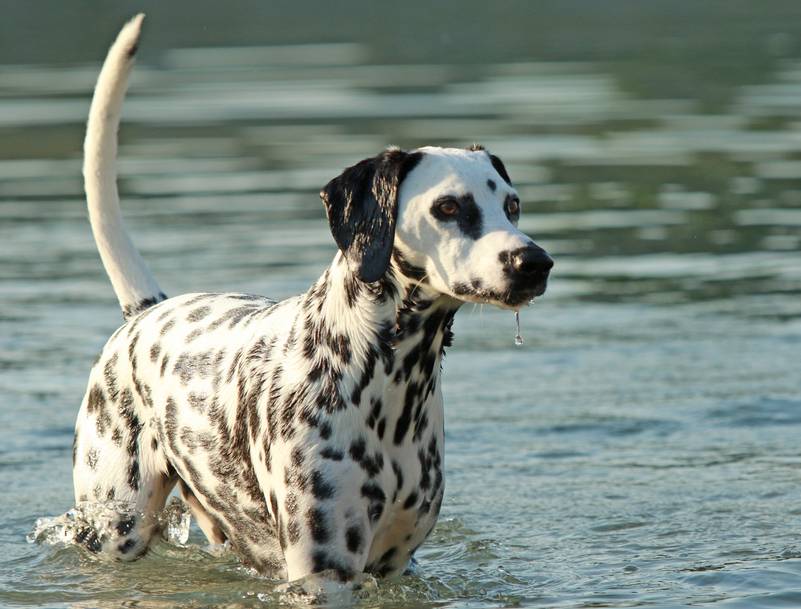
Utilize positive reinforcement, and reward your pup when they decide to enter the water and check things out on their own. You might want to give them a treat, pat them on the head, or lavish them with loving words. Go with what your dog most positively reacts to, and chances are that they’ll be willing to enter the water more readily next time around. Your dog will start to associate going in the water with a special treat. You might even find that they start getting excited whenever they get near a body of water.
4. Stay Close for Support
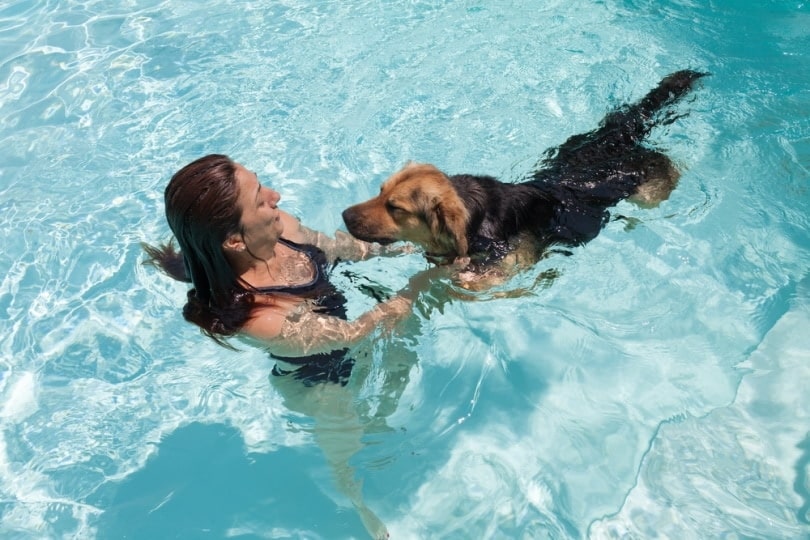
It’s never a good idea to let your dog swim alone, especially when they are not well practiced. Therefore, make sure you are ready to jump in the water right along with your dog and stay by their side while they get their bearings and when they’re swimming around. This not only provides encouragement and support but also helps ensure that your pup does not struggle or start drowning in the water.
5. Increase Depth With Practice
Stay in the shallow areas of water until your dog is truly comfortable there. Then, you can start making your way into deeper waters. If your pup shows signs of stress, anxiety, or struggling, turn back and stick with shallow waters. After a while, they should feel comfortable going into deeper waters and getting a swimming workout. The truth is that your dog won’t know the difference between 4 feet and 10 feet of water because they can’t touch the bottom either way. So, graduating into deeper waters is more about safety than anything else.
6. Experiment With Different Bodies of Water
After your dog gets used to gentle bodies of water, consider branching out to other types of water, like the ocean, rivers, and lakes. They might like the waves in the ocean or appreciate the ripples that seem never-ending in lakes. They might even enjoy the light rapids of a shallow river in the mountains during a weekend adventure. All water activities offer different challenges and rewards, and the only way to determine which your dog likes the most is to expose them to all the different types of water that you can get into.
Extra Things to Keep in Mind
Here are a few other things that you should remember while helping your dog learn how to like the water:
- Go extra slow with puppies and older dogs when teaching them how to swim. Puppies might not have the strength and bone development necessary to keep up with the demands of swimming. Older dogs may no longer have the strength and stamina to do so.
- Take time for breaks when you spend multiple hours on, near, or in the water. All the activity your dog exerts in and around the water is liable to dehydrate them, especially if they’re in the sun.
- Never leave your dog in the water unattended, no matter how well-versed they are when it comes to their swimming skills. Anything can happen, and your assistance could be needed at any time.
- Talk to your veterinarian before introducing your dog to water or swimming. They can help you determine whether the pup is medically and physically capable of swimming without risking their health in any way.

Conclusion
While not all dogs are natural swimmers, they can all learn how to feel safe in the water if they have a flotation device on and you’re nearby. Knowing the ins and outs of the water makes it possible to safely do activities like boat, swim, visit the beach, and lounge in the lake with your beloved pup.
See also:
Featured Image Credit: Wasitt Hemwarapornchai, Shutterstock
 Can All Dogs Swim?