In this article
View 3 More +You watch as your excitable young puppy slowly matures until they are a stately adult dog, and then one day, you notice a few more changes and realize that your dog is getting older.
Dogs require different kinds of care as they age, and you certainly want to keep your aging pup healthy and happy. Your veterinarian will walk you through the steps that you need to take to keep your pet comfortable. We also have additional tips to help you and your dog during their senior years.

At What Age Are Dogs Considered Seniors?
The size of the dog is what primarily determines when they are officially a senior. Large to giant-sized breeds tend to age faster and have shorter lifespans than small dogs. For example, the Chihuahua is the smallest breed and has a lifespan of about 14 to 16 years. They are thought to be seniors by around age 11. On the other end of the scale, the Great Pyrenees has a life expectancy of about 10 to 12 years and is considered a senior by the age of 6 or 7.
The following is a rough guide as to when dogs are considered seniors according to size:
| Small dogs (20 lbs. and under): | Starting around 11-12 years |
| Medium dogs (21–50 lbs.): | Starting around 10 years |
| Large (51–90 lbs.): | Around 8 years |
| Giant (90 lbs. and over): | Starting at 7 years |
Note that these are general ranges. Individual dogs will age differently than others, even when they’re the same breed.
It’s essential to have a conversation with your vet when your dog starts exhibiting signs that they are approaching senior-hood.
Physical Changes That You’ll Notice in Your Senior Dog
Several physical changes can occur in your dog as they age, some of which are visible while others are subtler.
1. Gray and Thinning Hair
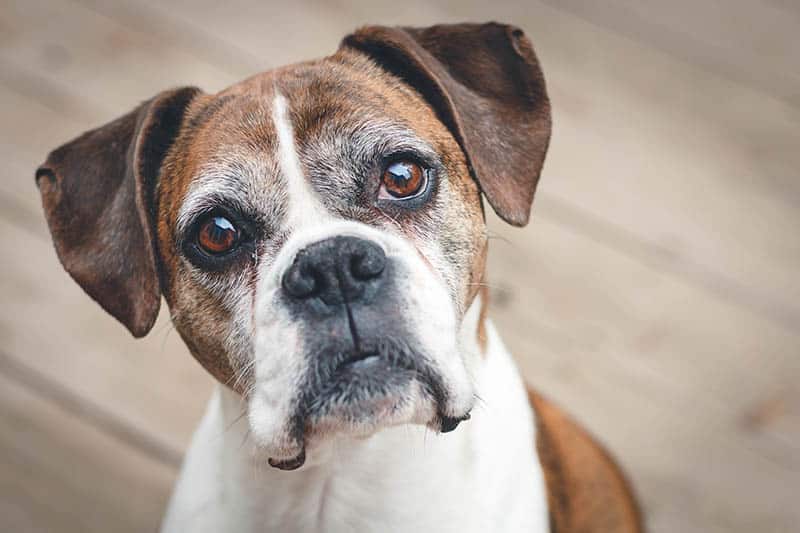
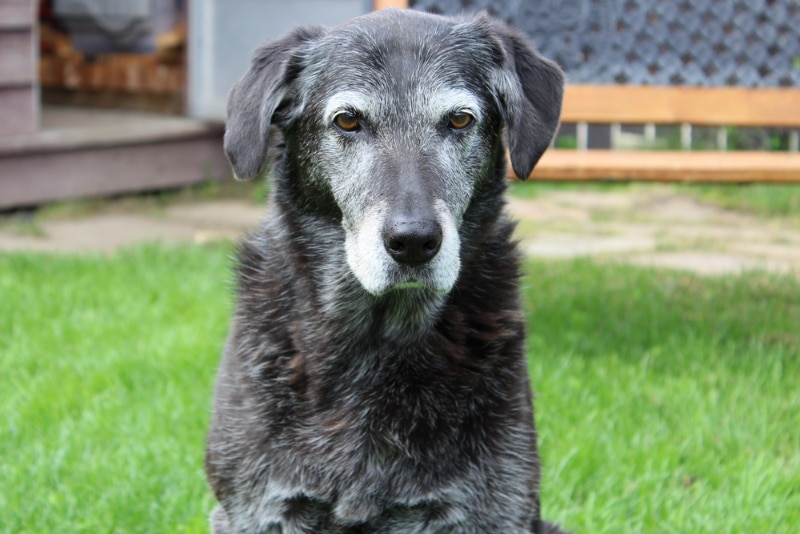
A more apparent sign of age in a dog is the graying of the fur on their faces. It might be focused around their eyes and the muzzle, and many dogs will go completely gray or white on their heads as they get older.
Their hair also tends to get thinner and might get duller. Know that this is a normal aging process and generally not a sign of a nutritional deficiency.
2. Vision Problems
Some dogs might experience eye cloudiness, which doesn’t always affect the dog’s vision. But it might be an indication of cataracts.
If your dog starts to have difficulty locating something quite familiar to them or bumps into things, they might be starting to lose their vision. You should bring them to your vet as soon as possible.
3. Hearing Issues
Your dog’s hearing is more of a challenge to determine when it starts to go. If your dog seems to be ignoring you more than usual or is easily startled, they might be experiencing issues with their hearing.
4. Dental Problems
Older dogs tend to have problems with their teeth, which makes regular dental exams essential. Without proper dental care, dental issues are quite possible, starting with gingivitis and eventually leading to periodontal disease. Your dog might also have foul breath due to these problems.
5. Difficulty Getting Around
Your dog will have more difficulty getting around, such as climbing stairs or standing up after a nap, and they might have weakness in their back legs. Senior dogs are more likely to experience arthritis and might need pain and anti-inflammatory medications. Supplements and short, slow walks will be necessary.
6. Weight Change
Since senior dogs don’t get as much exercise as they used to, there is the potential for weight gain. It’s critical to keep your dog at a healthy weight, or it puts them at risk for other health conditions, such as heart disease, diabetes, and arthritis.
Senior dogs can also experience weight loss, which also might be from a health condition, so either way, you’ll need to see your vet.
7. Vulnerable to Temperatures
Some older dogs have trouble regulating their temperature, so they might not be as able to keep cool in the summer or stay warm in the winter. You’ll want to take steps to keep your dog warm or cool in order to avoid heatstroke or hypothermia, respectively.
8. Incontinence
Older dogs will sometimes experience bowel or urinary incontinence and poop or urinate inside the house. There is medication that can help with this, since it’s a fairly common issue in senior dogs. But you should also speak to your vet on the chance that it might be a urinary tract infection or kidney disease.
If you need to speak with a vet but can't get to one, head over to PangoVet. It's our online service where you can talk to a vet online and get the advice you need for your pet — all at an affordable price!

Behavioral Changes That You’ll Notice in Your Senior Dog
Senior dogs will also undergo behavioral changes, and these might indicate an underlying medical condition or just be a normal part of aging. They can include a change in personality, like your dog becoming grumpy, which might also indicate that they are in pain. They will also sleep longer and more often.
Some older dogs also suffer from canine cognitive dysfunction syndrome (CCDS), also known as dog dementia, and might experience the following:
- Changed sleeping pattern with more restlessness or pacing
- Fear of familiar items or people
- Compulsive, repetitive behavior
- Forgetting training
- Increased vocalizations and barking
- Confusion and disorientation

The 6 Things to Do to Help Your Senior Dog
1. Exercise
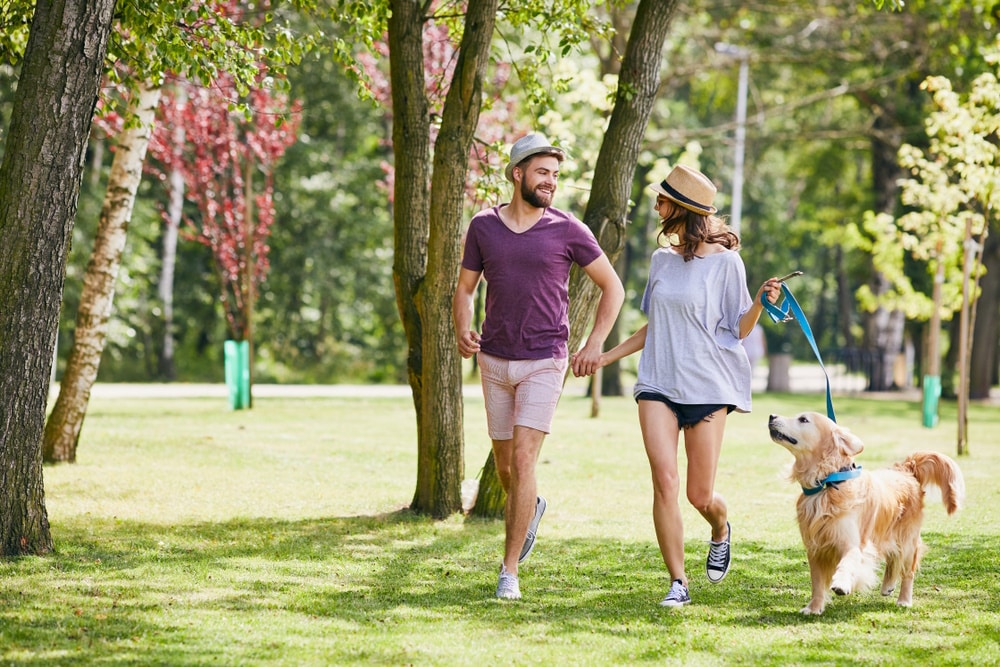
You still need to exercise your dog, but the activities will need modifying. Aim for a slow-paced walk, and try low-impact activities like swimming or playing games like fetch but only throwing the ball a short distance.
Everything should last for short periods and be done gently, but it’s essential that your dog continues to get physical exercise.
2. Mental Exercise
Due to the possibility of CCDS, you must also work on their mental health. This prevents your dog from becoming bored and gives you both quality time together. Allow your dog to sniff to their heart’s content while out for walks, and offer puzzle food toys to keep them busy.
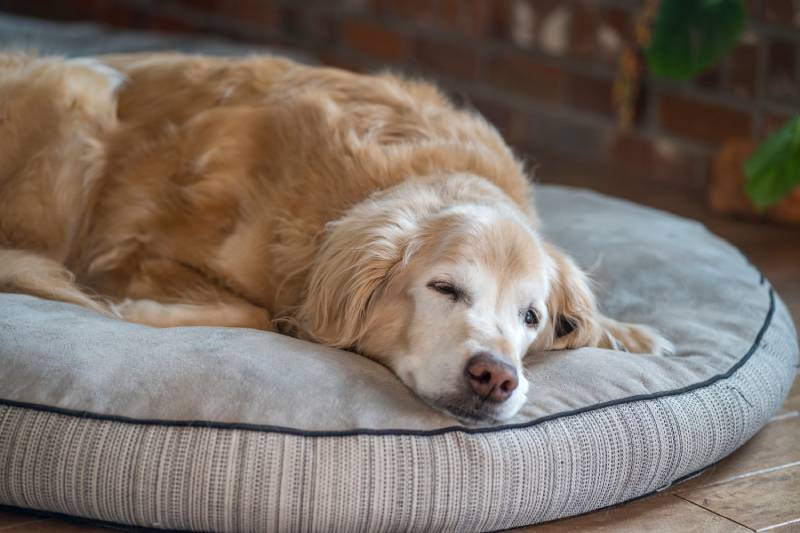
3. Dog Bed
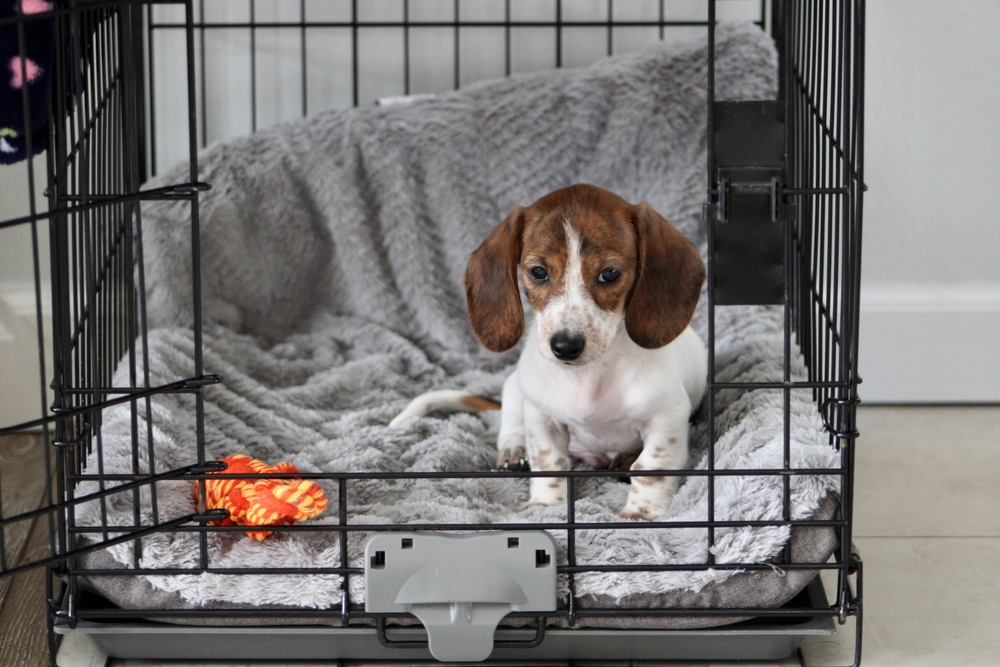
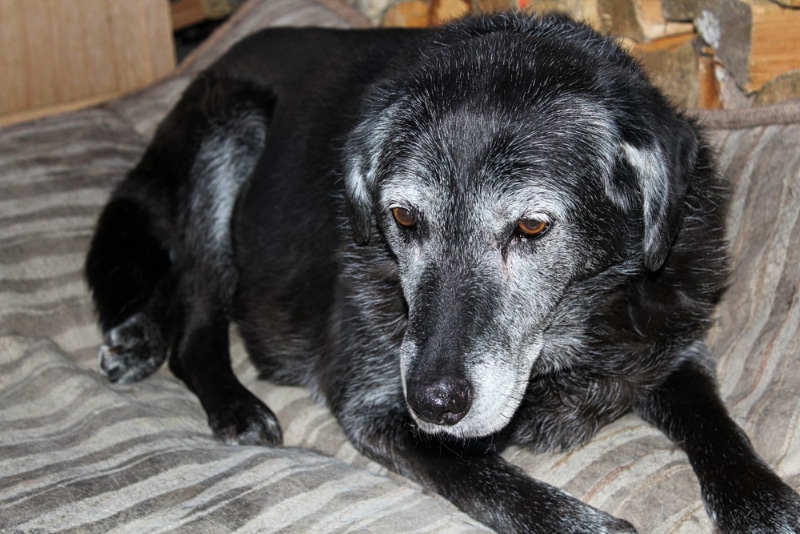
If you don’t already have a dog bed for your pup, now is the time to invest in one. You should aim for a bed that is easy for your dog to get in and out of.
Many dog beds for seniors are also made with memory foam for orthopedic support. You can also consider a heated bed or a heating pad that’s safe for dogs.
4. Accessibility
Many of the things that your dog is used to doing will become more challenging as they age. They are more likely to injure themselves by slipping and falling on hardwood or slippery floors. Invest in non-skid carpets and runners for hallways and rooms; you can also try yoga mats in places like in front of their food bowls.
You may want to consider setting up pet ramps and stairs so your dog can get into the car easily or on their favorite piece of furniture.
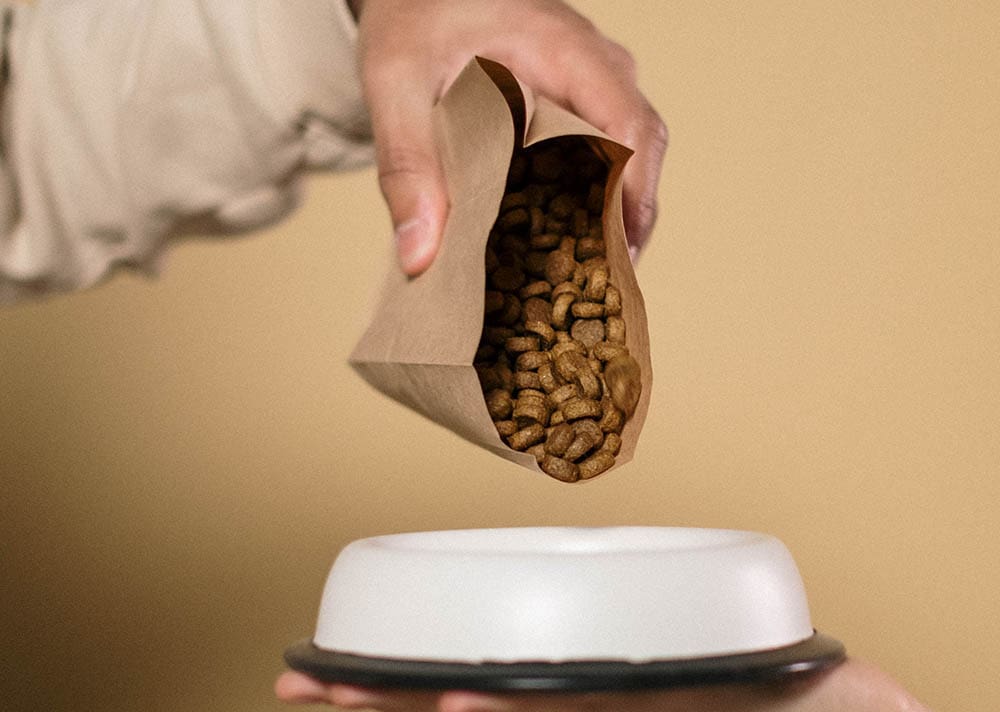
5. Senior Diet
Just like when you switched your puppy to adult dog food, you must now switch your dog to senior food. Seniors need fewer calories in order to avoid obesity because they aren’t as active. Wet food is a good option because it provides extra moisture and can be lower in calories and carbohydrates than kibble. It’s also easier on their teeth.
Adding supplements to your dog’s diet, such as fish oil, can help the joints. This is a conversation that you should have with your vet, though.
6. Grooming
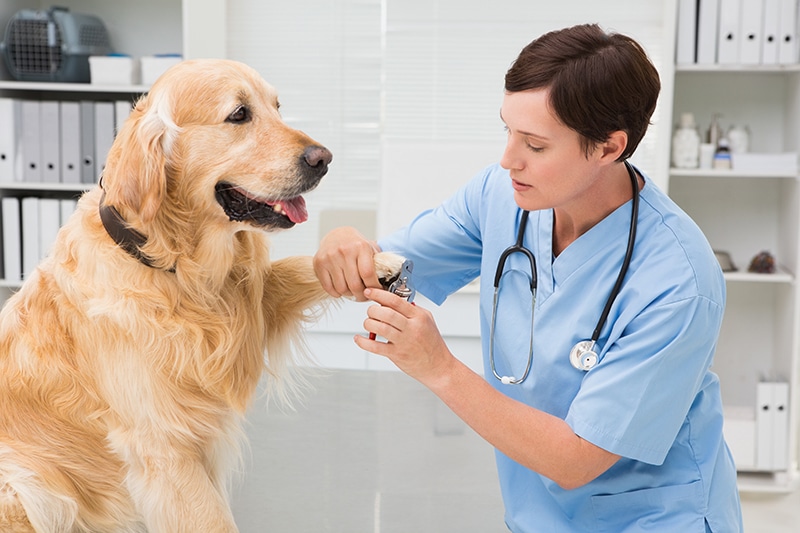
Dogs need grooming their entire lives, but you’ll need to step it up when they get older. Nail trims, in particular, must be increased because they won’t be worn down on the pavement as much as they were when your dog was younger.
Their fur will get matted more easily, particularly because they are likely lying in the same position for longer periods. This is also the perfect time to check your dog for any lumps or bumps that might start cropping up. These lumps are often harmless fatty deposits, but you’ll still want to get them checked out as soon as possible to rule out cancer.
Conclusion
As your dog ages, you’ll notice physical, behavioral, and mental changes. You can expect more frequent veterinarian appointments to keep on top of your dog’s health. But one of the most important takeaways here is to enjoy your dog’s company. They love you unconditionally and have provided you with some of the best companionship that you can ever have.
Ensure that you give your dog just as much companionship and love back, and make them as comfortable and happy as possible in their golden years.
See also:
- How Old Is 14 In Dog Years? Vet-Approved Guide to Each Size of Dog
- My Senior Dog is Not Eating But Drinking Water: Out Vet Explains What to Do
Featured Image Credit: Yobab, Shutterstock