How Long Does It Take for a Dog to Digest Food? Vet-Approved Digestive System Basics


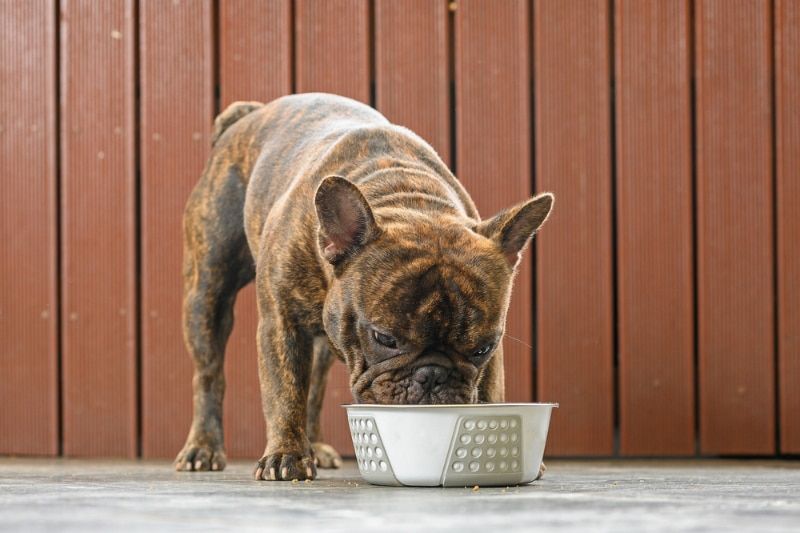
We all know that what we feed our dogs—and how they digest it—plays a key role in their overall health. If you’re wondering how long it takes for a dog to digest their food, unfortunately, the answer is not a straightforward one. The truth is that digestion time is hugely affected by a variety of factors, including the size of the dog, their age, activity, and what they are being fed.
Canine gastrointestinal total transit time (TTT), or the amount of time it takes for food to travel through the digestive system and be digested, is a widely debated topic. A review paper collating various studies that have been done on dogs fed dry food, showed that TTT ranged from 19.1 to 55 hours.1 This will generally be faster in dogs fed wet or moist diets.
If you're curious to know more about a dog's digestive system, we'll explain all the basics and look in more detail at what factors can impact how fast they digest their food.

The Canine Digestive System: The Basics
When we think of digestion, it's usually just the stomach and intestines that spring to mind. But the digestive system also includes:
- Mouth
- Teeth
- Salivary glands
- Esophagus (food pipe)
- Stomach
- Liver and gallbladder
- Pancreas
- Small intestine
- Large intestine

The Digestive Process
Digestion actually starts in the mouth; food is chewed and mixed with saliva to form a clump of food called a bolus that can be swallowed. This bolus travels down the esophagus to the stomach. The stomach secretes hydrochloric acid, pepsin, and lipase to start to break down proteins and fats in the food.
The next section of the digestive tract is the small intestine, which along with the pancreas and liver, plays a key role in digestion. The pancreas produces pancreatic enzymes that are delivered into the small intestine and are connected with protein, carbohydrate, and fat digestion. The liver and gallbladder produce bile acids essential for fat digestion.
The last part of the canine digestive system is the large intestine (colon) and is involved in absorbing water and electrolytes. It also contains very important resident gut bacteria which break down any residual nutrients so they can be absorbed. Waste (feces) are stored in the rectum, and passed out of the body through the anus.

The 6 Factors That Influence How Long It Takes a Dog to Digest Food
Total transit time (TTT) refers to the amount of time taken for food to travel through the digestive system, from when a dog eats their food to when they poop out the waste. Each dog is individual and will have a variety of factors that will affect the amount of time it takes for them to digest their food.
Let’s take a look at some of these:
1. Size
On average, smaller dogs digest their food faster than larger dogs. Although a small study in 2010 suggested that dogs with a lower body weight had a longer gastrointestinal transit time, a 2022 review paper in the International Journal of Biological Sciences gathered data from all available studies from dogs and concluded that TTT showed a connection with body weight of the dog.2
The TTT times showed overlap in the different weight categories and were as follows:
- Small dogs (under 22 lbs): 22.9 to 31 hours (median 24 hours)
- Medium dogs (22–66 lbs): 19.1 to 55 hours (median 32.9 hours)
- Large dogs (> 66 lbs): 18.2 to 45 hours (median 43.2 hours)

2. Breed
In addition to the size effect, a dog’s breed may also affect their digestion times. Some breeds of dogs are more typically sensitive and affected by stress, while others are known to be more prone to gastrointestinal issues like German Shepherds.
3. Age
Digestion in puppies is generally faster, although their digestive system takes time to fully develop. In many animals (including cats) the digestive system becomes less efficient as they age, although digestibility studies carried out in dogs have shown no evidence of an age-related decline in digestive efficiency.3

4. What They Eat and When
Dogs can digest wet, fresh, and raw foods faster than dry kibble. The protein and fat content of the food will also affect the transit time through the GI tract. High-fat foods will take longer to leave the stomach for example. Eating in general also stimulates waste to be expelled from the colon.
So, if your dog defecates soon after eating, it's not that they are digesting their food quickly; they are passing poop from the food they have digested earlier.
5. Exercise
The more active your dog is, the faster they will digest their food. The digestive process will take longer in sedentary dogs.

6. Digestive Health
Of course, any condition that affects the digestive system will affect how a dog digests their food, for example, exocrine pancreatic insufficiency (EPI) or inflammatory bowel disease (IBD), both of which affect how a dog is able to absorb nutrients.
Final Thoughts
While researching your dog's digestive processes may bring up some stuff you'd rather not have mental images of, it is a great idea to learn about it because this can give you clues as to the health of your dog, and what is and isn't normal. If you've spotted any signs of gastrointestinal issues in your dog such as a loss of appetite, diarrhea, or vomiting, get them to your vet for a check-over.
Related Reads:
Featured Image Credit: Elayne Massaini, Shutterstock
Expert dog care, straight to your inbox
News, insights, expert advice, and everything dog.

No spam — unsubscribe anytime.
By signing up, you agree to our Terms & Conditions and Privacy & Cookies Policy.
How useful was this post?
Click a star to rate. You can leave written feedback afterwards. (We read all feedback.)
Kit Copson is a freelance writer and lifelong animal lover with a strong interest in animal welfare. She has parented many furry beings over the years and is currently a proud cat mom of two—one very chilled (unless hungry) Siamese and a skittish but adorable Domestic Shorthair—and dog mom of one—an adopted Bichon Poodle cross. When not writing about or spending time with pets, Kit can be found drawing in her sketchpad, reading, or more often than not, drinking tea.