8 Tips to Find Pet Friendly Housing for You and Your Pup (2026 Guide)


When you are moving as a pet owner, things can become more challenging. Some landlords often don’t want to rent to pet owners out of fear they’ll cause destruction, while other landlords may be more accommodating. It is important that you do your research on potential housing to find a safe environment for both you and your best furry friend. To help, we have compiled a list of some major considerations you should have in mind when hunting for pet-friendly housing. Check them out just below.

The 8 Tips to Find Pet-Friendly Housing
1. Check the Listing or Lease

First and foremost, you need to confirm that a property is actually pet-friendly. Don’t assume—ask the owner straight away (if it’s not clear in the listing), making it clear from the beginning that you have a pet. This may be a dealbreaker, or you may be obligated to abide by specific pet-related clauses within a property lease.
Pet deposits are the most common provision you’ll see, though deposit amounts will vary based on your location. Higher pet deposits may be needed if pet-susceptible furnishings are included with the rental, like a couch or bed.
2. Research the Location
Location, location, location! Where is your new home located and what’s near it? If it’s feasible, search for properties near dog parks or other green areas where you can take your dog. At a minimum, you should have a nice walking route for daily walks and potty breaks. Apartment dwellers, especially in cities, will have a harder time here, so you may need to make concessions, like stair trips, to take your dog on potty trips.
3. Decide If There’s Enough Space

Your prospective home should be large enough for your dog’s breed. Smaller breeds, like Chihuahuas, and low-energy big dogs, like Great Danes, do well in apartments, for example. High-energy dogs fare well in homes with secure yards, but it’s not mandatory as long as they have a place like a dog park where they can get enough daily exercise. Apartment dwellers can wear out hyperactive dogs with frequent walks, but this should still be a consideration before committing to a home. You can make nearly any home work with perseverance, creativity, and a dash of cleverness, but it’s all about what you and Fido can make work and comfortably live with.
4. Create a Pet Resume
You might know your dog is the best boy or girl, but landlords don’t. They can’t distinguish your well-behaved pet from a dog that may tear up a property, so how do you set them apart? Try making a pet resume! Pet resumes are exactly what they sound like—a resume boasting your pet’s accomplishments. Rather than trying to score a job, though, a pet resume is to put landlords’ minds at ease. Let’s briefly list the most major items that should be on a well-crafted pet resume below.
What to Include on Your Pet’s Resume:
5. Collect References
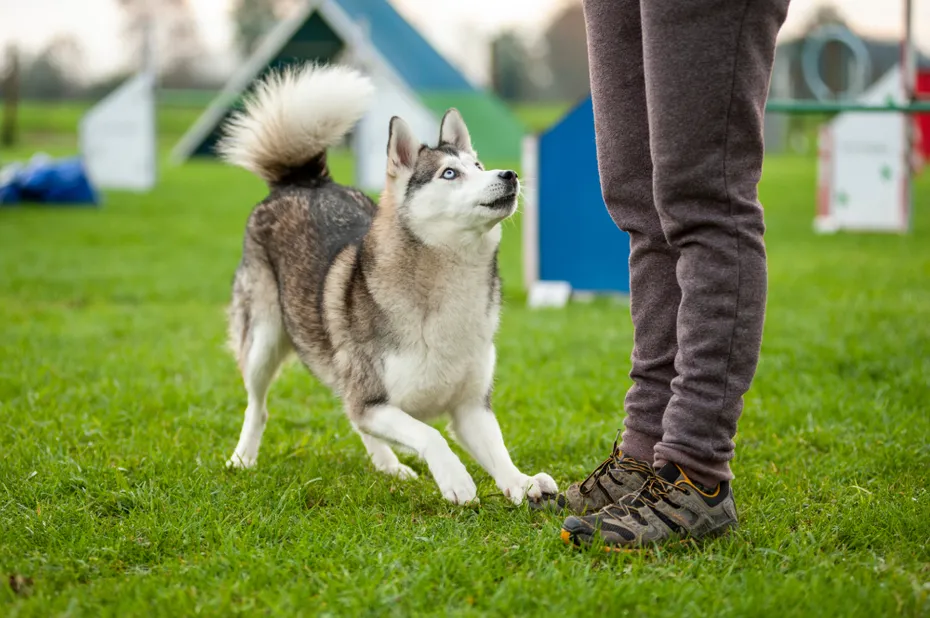
You’ll need references from past landlords or neighbors attesting to your dog’s good behavior. A dog trainer or vet may also be acceptable as a reference, but you’ll have to ask the landlord and those sources directly. A written reference letter or phone number should suffice, if this is a requirement at all. Your references should assure the property owner that your dog is well-behaved, trained, well-socialized, and most importantly, not destructive to the property.
6. Consider Renter’s Insurance
Whether renter’s insurance is required by your landlord or not as part of the lease, it’s a good idea for pet owners. Renter’s insurance with pet coverage can decrease both your and your landlord’s liability in case something goes awry. It can help cover your personal costs on destroyed property like electronics or furniture, but the terms may vary based on policy. Perhaps even more important is pet liability coverage, which covers costs in case your dog bites someone or you’re sued over perceived aggression from your dog.
7. Know That Service Animals Can’t Be Denied

Disabled tenants with service dogs cannot be denied housing by landlords like ordinary pet owners, according to the Fair Housing Act. A service dog typically receives a lot of very expensive training to perform assistive tasks like alerting others to seizures or assisting the blind/deaf. There’s no catch-all proof, such as a license for service animals. When seeking housing, you’ll usually need to get a letter from your doctor stating you have a service dog due to a disability that limits your quality of life.
On the flip side, emotional support animals do not legally count as service animals. That means you’ll have to search for landlords that are more conventionally pet-friendly if you have an ESA.
8. Be a Good Tenant!
Invest in Protective Covers
If your rental doesn’t include upholstery, we highly recommend tailoring your interior design with your furry friend in mind. Patterned designs tend to hide pet hair better than solid colors, for instance. Skip furniture with shoddy fabric that your pet can easily tear on accident, and think about buying some washable protective covers for delicate sofas where your dog hangs out. Washable throw blankets are a godsend here too, as you can just throw them wherever your dog likes to lounge.
Keep Your Home Clean
Buying a good vacuum with a HEPA-rated filter and a versatile array of attachments is a must for pup parents whose dogs shed. The filter is designed to remove 99.9% of allergens, on average, and attachments like crevice tools and telescoping wands make it simple to clean anywhere your dog sheds hair. Leave no corner untouched because your dog surely won’t! Regular maintenance will keep your prized furniture clean and comfortable for years to come.
Pet owners should exercise vigilance when it comes to regularly checking, cleaning, and replacing their air filters. Pet hair can quickly clog up air filters on your air vents and A/C units, and we suggest checking it every few weeks to make sure the vents are clear. It’s vital you change the air filters when they get visibly dirty so they don’t tear, potentially compromising the air quality in your home. Allergen sufferers have even more incentive to keep their homes clean when it comes to owning a dog.
No matter how hard you try, pets will always leave you cleaning up smells, stains, vomit, hair, and everything in between. With the Hepper Advanced Bio-Enzyme Pet Stain & Odor Eliminator Spray, you can advance your clean-up routine!

- ADVANCED ENZYMATIC CLEANER - Penetrates the most stubborn smells and stains at the deepest molecular levels to dissolve any pet mess you encounter and lift it away at the source.
- FOR ANY MESS, ON ANY SURFACE - This pet odor eliminator cleans your carpets, floors, furniture, fabrics, and more. Whether it's urine, feces, vomit, or drool, you can erase all foul spots and smells!
- FRESH, NATURAL ODOR - Our unique formulation doesn't rely on dangerous or unpleasant chemical fragrances to get the job done. We eradicate smells and stains, not just cover them up.
It permanently removes the very worst pet stains and smells (and truly makes clean-up a breeze). Click here to learn more, order a bottle, and freshen up your home today.
At Dogster, we’ve admired Hepper for many years, and decided to take a controlling ownership interest so that we could benefit from the outstanding products of this cool pet company!
Keep Your Pet Stimulated Pets without predictable routines can become rowdy, under-stimulated, and anxious. To keep your dog happy and nip behavioral problems in the bud before they can cause damage to your new home, establish a predictable routine. Like humans, dogs come to anticipate and rely on routine. Keep walks, potty breaks, and meals at the same time each day to start a new routine. To aid this, keep your dog’s bowls in one established location so they know exactly where the food goes. Try to keep to the same walking routes while adjusting to your new home as well, at least until your dog is acclimated. Bored dogs will find ways to make their own fun, even if that’s scratching furniture or chewing up items around your home. Before you leave home for work, make sure to tucker your dog out with a walk and just as importantly, give them toys! Mental enrichment toys like Kongs, snuffle mats, ropes, rawhides, and bones can help keep your dog occupied during downtime. If you have to spend a lot of time away from home, see if a neighbor, relative, friend, or pet sitter can help out by taking your dog for walks while you’re away.

Final Thoughts
Finding and setting up a new home can be a handful when you’re a pet parent, but stay calm! Get your ducks in a row by writing a pet resume, collecting references, and most importantly, ensuring that the listing or lease specifies if the property is pet-friendly or not. We recommend writing everything you need down and approaching the tasks in smaller, more manageable chunks to set you and Fido up for success in your new home.
See Also: Top Apartment Dog Breeds
Sources
Featured Image Credit: Helen Sushitskaya, Shutterstock
Expert dog care, straight to your inbox
News, insights, expert advice, and everything dog.

No spam — unsubscribe anytime.
By signing up, you agree to our Terms & Conditions and Privacy & Cookies Policy.
How useful was this post?
Click a star to rate. You can leave written feedback afterwards. (We read all feedback.)
Codee Chessher is a freelance writer whose motto is: there is nothing a well-worded sentence can't accomplish! He loves to write about pets, travel, DIY, and more. Codee's experience is varied, but the written word has always been his strongest and biggest passion.