

In this article
From the first wolves that crept forward to share the warmth of our fires and feed on our leftovers, dogs have been happy to provide us with protection, an early alarm system, and above all, companionship. In return, we kept them safe from harm, fed them, and looked after their health. Fast forward a couple of dozen millennia or so, and that relationship still exists. Since the quality of the food, shelter, and healthcare we provide them has markedly improved, why are we so hell-bent on mutilating them to suit our perceptions of what looks good?
If you’re interested in learning more about ear cropping and tail docking or are even considering doing this to your pet, you might want to rethink this decision. Let’s get into some more details about these elective surgeries for dogs.

Manipulating Form and Function
Over the past few hundred years, dogs have been selectively bred based on unusual physical characteristics and mutations, resulting in the miniaturization, exaggeration, and deformation of their bodies, limbs, and facial features. And because these modifications were made with very little knowledge or understanding of genetics and heritability, there was little consideration for the ramifications this would have on health and function, or that selecting individuals with similar physical characteristics increased the incidence and consequences of inbreeding.
This resulted in more than just inherited physical features, but a predisposition to diseases and health conditions, which is why we now have dogs that cannot breathe, walk, reproduce, or see properly, as well as dogs whose hearts are destined to fail, who can be paralyzed just by hopping up some stairs, or who have hips that neither resemble or function as a ball-and-socket joint. Some dogs have been so severely deformed through breeding that they require corrective surgery to survive, while others cannot mate or give birth without human intervention.
And if the unintentional crippling of dogs through breeding wasn’t enough, we started surgically altering them. The cropping of ears, docking of tails, and removal of voices are nothing short of mutilation.

The Truth About Ear Cropping and Tail Docking
These procedures, which are banned in most other first-world countries, are often performed under the guise of preventive health, but the truth is that they are unnecessary cosmetic procedures, and they happen for three reasons:
- Vanity
- Tradition
- Ignorance and misinformation
If you are told otherwise, you are being misled, and it is your right and responsibility to object. I am going to share with you the myths and misconceptions about these outdated procedures, giving you the information you need to help put an end to them. But first, let’s take a closer look at what is involved in tail docking and ear cropping, as well as some examples of the affected breeds and how they should look.
Tail Docking
Perhaps the lesser of the two evils, tail docking usually occurs when pups are aged 3 to 5 days, with no legal requirement for it to be performed by a veterinary surgeon. This is based on the belief that the nervous system has not developed enough for the procedure to be painful. However, this has not been scientifically substantiated and has actually been refuted by a number of studies. The tail is amputated a few inches below the base, using a crushing cut or ligature (e.g., a rubber band).
Puppies with vestigial hind dew claws often have these snipped off at the same time, again, without pain relief.
Older pups can have their tails docked, but legally, this must be performed by a vet with appropriate anesthesia and proper suturing of the wound.

Ear Cropping
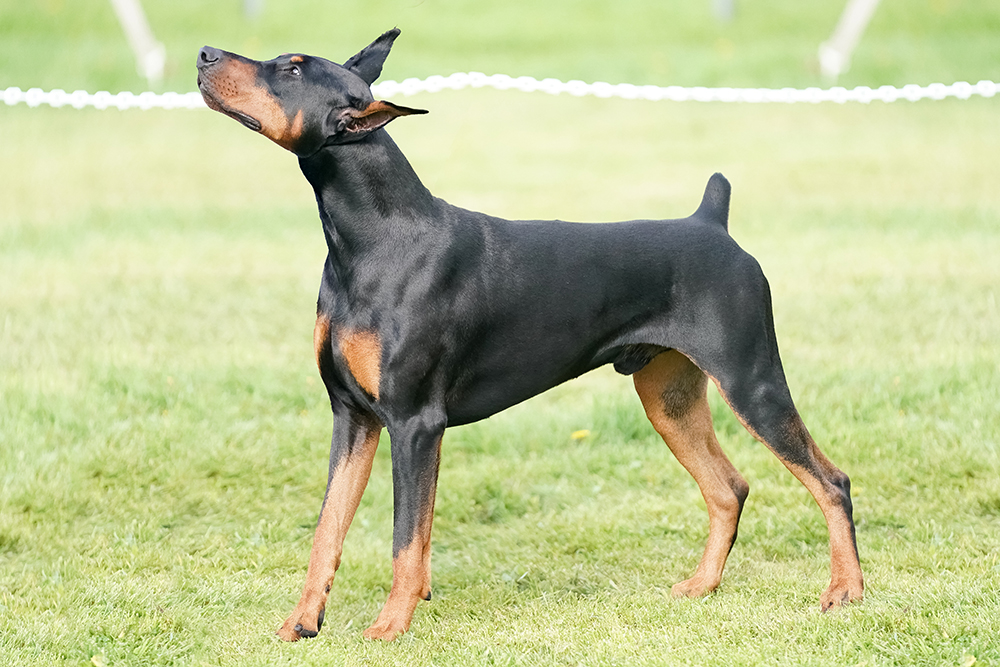
Ear cropping involves the amputation of the “floppy” section of the ear flap (pinna) to produce an upright, pointy-looking ear, or in some cases, barely any ear at all. The cut is made through the skin and cartilage. The only medical reason for ear amputation to take place is in treating a severe wound or tumor; any other ear cropping is a purely cosmetic procedure and has absolutely no therapeutic basis.
Ear cropping can only be performed under general anesthesia by a veterinary surgeon. However, some breeders and owners have been known to illegally crop dogs’ ears at home, without anesthesia or pain relief. The pain this would inflict on a defenseless animal is hard to imagine, not to mention the risk of infection and other complications.
Comparing Augmented Dogs With Their Natural State
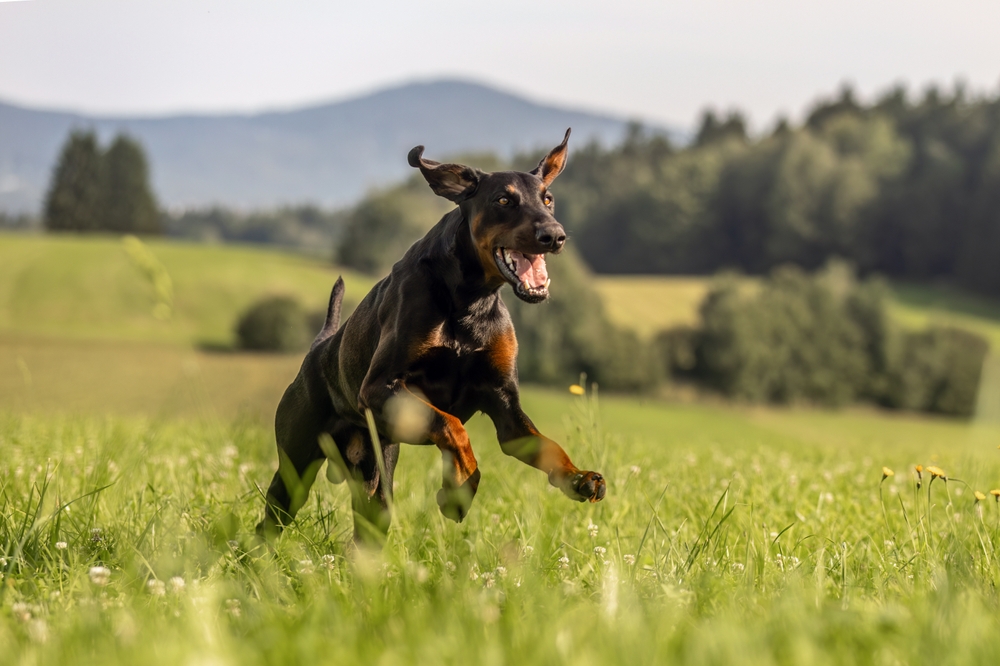
All dogs are perfect, including those that have been mutilated by the humans charged with caring for them. But if you take a look at pictures of dogs in their natural states compared to those who have their ears cropped or tails docked, you have to wonder why we would continue to allow these beautiful creatures to have their appearances altered in the name of tradition and vanity.

Myths vs. Realities
Historically, there have been a number of reasons why tail docking and ear cropping were originally introduced, most of which we now know are incorrect or unethical. Let’s take a look at some of the myths and misconceptions that have allowed these surgeries to continue today, as well as the rare exceptions that may justify their use.
Myth 1: That’s Just How They Look
Many of these breeds have had their appearance altered for so long that some people don’t realize that this isn’t how they naturally look. Fortunately, this is easily rectified! The more we can show people how beautiful these dogs are au naturel, the more mainstream this will become.

Myth 2: Everyone Prefers the Look of a Docked/Cropped Dog
You might feel that it is your right to have a dog that matches your aesthetic preferences, and at the moment, the law does support you in that, but I think that we should think long and hard before making permanent changes to an animal to suit our vanity. I believe it’s bad enough that we humans feel the pressure to cosmetically enhance ourselves to keep up with trends and expectations; we don’t need to impose that on our dogs.
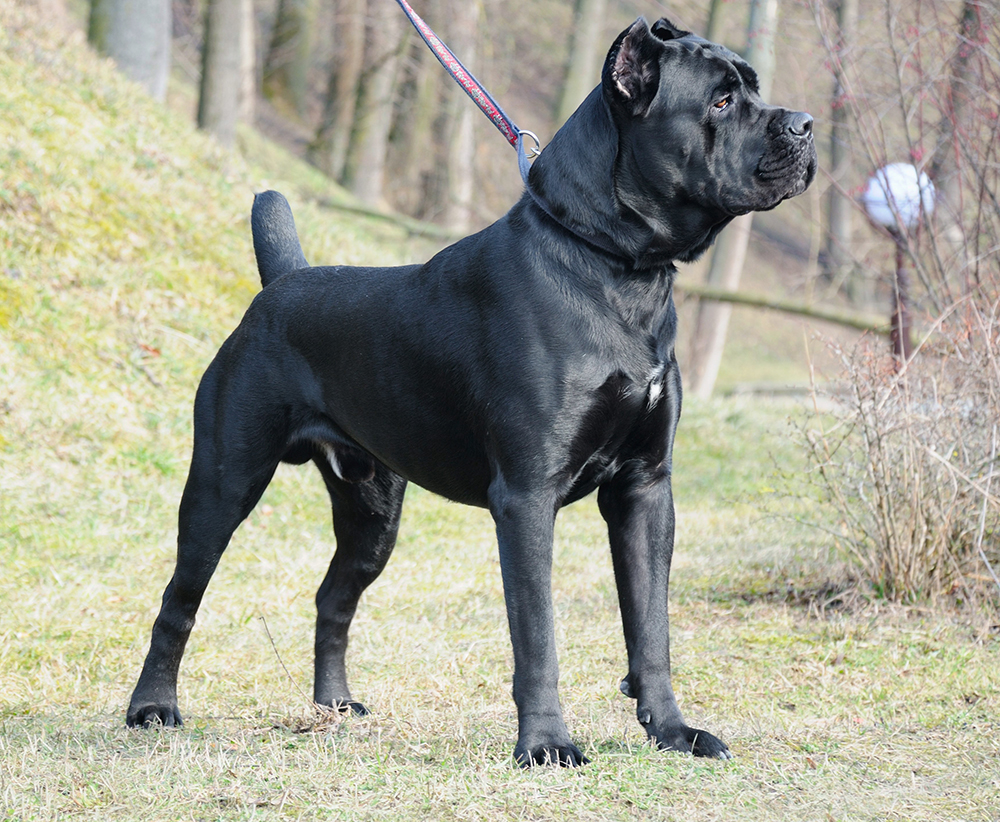
Some people believe that cropped ears make a dog look more intimidating, which is why Dobermans and Great Danes often sport pointy pinnae. Some owners of “muscle dogs”, like Pitbulls or Cane Corsos, prefer the “tough” look of closely cropped ears, but in a society where so many of these dogs get a bad reputation just because of their breed, surely we don’t need to give the naysayers any more ammunition.
Humans may have the legal right to make permanent changes to a dog’s anatomy because we like the look of it, but surely dogs should have the right to be spared unnecessary and painful procedures.

Myth 3: Tail Docking Is Necessary for Guard Dogs
One justification for tail docking breeds like the Doberman or Rottweiler was that their tails could be pulled or grasped in order to evade capture. Interestingly though, another popular guard dog, the German Shepherd, has escaped a similar fate. In reality, the docking procedure was introduced because some people believed it made them appear more menacing.
Myth 4: Tail Docking Is Necessary for Working/Hunting Dogs
One of the few exceptions to tail docking laws in countries like the UK is in dogs used for working or hunting. The justification for tail docking in these working dogs is to prevent tail tip injuries when darting through the undergrowth, although studies have suggested that the main risk is actually from being kennelled, rather than from the work itself.
Damage to the very end of the tail is often quite messy, as there is very little sensation at the tip of the tail, meaning that a bleeding wound is wagged all over the place, often making a home look like a crime scene! Docking the tail of pups does spare owners the mess expense of having surgery on an adult dog if the injury were to occur.
Unfortunately, some breeders of spaniels, pointers, and terriers take advantage of this exception to have their litter’s tails docked, despite the likelihood that most of the pups will be pets and not used for hunting.
Additionally, other breeds that are commonly used for the same activities, like Labradors and Flat Coated Retrievers, are not traditionally docked.
Myth 5: Ear Cropping Helps Prevent Ear Infections
The assertion that ear cropping helps prevent ear infections is often used to justify this cosmetic surgery, and it is completely false.
While dogs with fluffy, long, heavy ear flaps are often predisposed to ear infections, the dogs that are subjected to ear cropping, such as Dobermanns, Great Danes, Pitbulls, Cane Corsos, and American Bulldogs, do not fall under this category. If ear infection prevention was the aim of ear cropping, the breeds involved would be Cocker Spaniels, Beagles, Basset Hounds, and Poodles, to name a few.
Myth 6: Ear Cropping Reduces Risk of Damage When Hunting
Some claim that predators may attack the pinna of hunting dogs, which is an area where “pig rip” injuries sometimes occur when hunting quarry such as wild boar. However, the incidence of such injuries is certainly not high enough to warrant preventive surgery, particularly in dogs that aren’t going to be embarking on hunting trips, which is most of them.
The pinnae are, however, a prime location for injuries in dog fights. Pitbulls, Cane Corsos, and American Bulldogs are among the breeds more commonly forced into illegal fighting rings, and they are also the breeds most likely to have closely cropped ears.
Just because a dog has cropped ears doesn’t mean that it is being used for fighting, but I don’t know why any loving dog owner would want their pet to look like they are.

Myth 7: Ear Cropping Isn’t Painful
This is completely untrue. Much of the time, the ear cropping procedure takes place when the puppies are still with a breeder, so new owners are unaware of how painful and swollen their freshly amputated ears can be while they heal. And even worse, some unscrupulous breeders will avoid the costs associated with ear cropping by performing the procedure themselves, without the benefit of anesthesia or pain relief.
Myth 8: Tail Docking Isn’t Painful
Tail docking is performed when a pup is 3 to 5 days old, without anesthesia or pain relief. The reasoning behind this is that the nerves in the tail haven’t developed well enough for the amputation to be painful. However, this has not been proven, nor does it justify the procedure. Contrary to this, studies have shown that tail docking elicited a range of pain responses, like whimpering, shrieking, and trouble settling.
When coupled with the removal of hind dew claws, sometimes even front dew claws, I find it difficult to believe that this does not cause suffering.
Myth 9: It’s Not Any Different From Spaying/Neutering Dogs
While these are elective, preventive surgeries, spaying and neutering has many behavioral, social, and health benefits, including:
- Reducing the number of stray dogs
- Preventing/reducing the risk of certain cancers
- Preventing certain life-threatening infections
- Improving lifespan and quality of life
Routine tail docking and ear cropping provide zero health benefits, and unless performed in response to an injury/disease, they are purely cosmetic.

Myth 10: It’s the Breed Standard
Many diehard breeders, show judges, and breed purists will insist that ear cropping and tail docking must be performed in order to comply with the breed standard. Most, if not all, of the purported health reasons for cropping and docking have been put forward purely to justify adhering to these standards.
What I can tell you is that when tail docking was banned in the UK and Australia, the breed standard of the affected breeds was updated, and the world did not end.
Characterizing docking and cropping as “honoring the history of the breed” is, in my opinion, akin to bringing back hand amputation for thieves in homage to punishments of the past. I think we can all agree that just because something has been done a certain way for a century or so, it doesn’t make it right, and it certainly doesn’t mean we can’t make improvements. Tradition does not justify cruelty and mutilation.
How Can We Make It Right?
I do not suggest or recommend that you start shaming people with cropped or docked dogs for a number of reasons.
- Many rescue dogs have cropped ears or docked tails, so it’s not always down to the current owner’s choice.
- Some dogs are naturally tailless or have stumpy tails; for example, Old English Sheepdog, Australian Cattle Dog, French Bulldogs, and English Bulldogs (the latter two having contracted or coiled tails).
The first step is becoming more informed, which is what brought you here—go you! Being more aware of the ethical problems surrounding cosmetic procedures in dogs, as well as how and when they are performed, gives you the opportunity to insist that your new pup not be subjected to them.
Become a breed ambassador, if you can. For example, if you have a natural version of a traditionally cropped or docked breed, show them off! Whether it’s on social media or just on a walk, show the world how unnecessary it is to alter perfection. The more we insist upon leaving ears and tails where they belong, the more normalized the surgically unaltered dog becomes.

Final Thoughts
Ear cropping and tail docking are cosmetic procedures, despite what those who support them might say. There is absolutely no medical reason for them to be performed on healthy dogs, and it is up to us to stop the demand for puppies that have been mutilated by these procedures. Our dogs give us so much and ask for so little, and the least we can do is protect them from unnecessary trauma.
If you don’t like the look of a Pitbull with floppy ears or a Rottweiler with a tail, don’t get one. It’s that simple. There are plenty of other beautiful breeds to choose from.
Featured Image Credit: Francine parent, Shutterstock























2 Responses
What is my puppy mix with??I thought I could send a pix, sorry
Hi Daryl,
Unfortunately it's not possible to upload photos here, but we would recommend speaking to your vet to get an idea of what mix your pup may be 🙂
Just keep in mind that even experienced breeders and vets can only make educated guesses without a DNA test, which is the most accurate way to know for sure.
Have a great day!