Cadaver Dog Training: Vet-Reviewed Facts, Uses & FAQ


In this article
Dogs have been an irreplaceable part of human life for centuries, largely due to their unmatched sense of smell. From hunting far-off game to sensing impending threats, their powerful noses have been instrumental in helping us survive and thrive in numerous ways. Today, we continue to find novel uses for their unique detection tools, including locating the deceased.
Cadaver dogs are a type of search dog taught to locate dead human remains. Putting their talents to the test, these canines provide immeasurable value for police conducting investigations and families needing closure following the death of a loved one. Discover the many ways they make a positive difference as we discuss how cadaver dogs learn to find dead bodies.

How Does It Work?
Cadaver dogs, also called “decomposition dogs” or “human remains detection dogs,” have been around since the 1970s, using their power of smell to give searchers a new angle on their work. Dogs have up to 50 times more scent receptors in their noses than humans, an olfactory epithelium 20 times greater, and smell-based regions of the brain up to 40 times larger.
Overall, their sense of smell is up to 100,000 times more powerful than ours. In the hunt for dead bodies, dogs can sense the faintest hint of human tissue, even if it’s decades old or buried far beneath the earth.

How Cadaver Dogs Are Trained to Find Dead Bodies
To train dogs for cadaver search, professionals use either formulated chemicals or, even better, genuine human remains. Many trainers use placentas and blood since they are easier to source, as are hair, teeth, and, in some instances, bones. Unfortunately, dogs need as much diversity as possible, and human parts are generally more challenging to obtain than synthetic alternatives.
Whatever they use, trainers imprint these scents on their dogs through time and constant exposure. Dogs also learn smells at various decomposition stages to broaden their awareness of how a cadaver’s scent can change over time and in different situations.
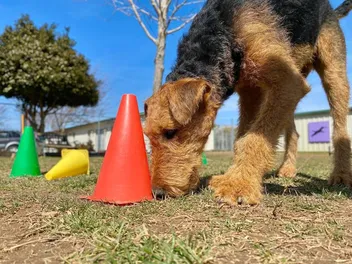
Training begins with associating the scent of human tissue with a reward. If they find remains, they receive a treat. As dogs build this connection, trainers test them in outdoor environments like wooded areas, where they hide scented material or body parts.
The dogs learn the scents to look for alongside the various odors that won’t yield a reward. Most of the time, cadaver work is a game for them. When they find their target, trainers teach the dog not to touch it but rather present a passive alert, like sitting or lying down, or an aggressive alert, like scratching or barking.
What Are the Different Types of Cadaver Dog Training?
Generally, cadaver dogs work in a specific search grid to locate something stationary. They employ both air and ground scents to help them find their target.
Depending on their level of training and physical abilities, they can fall into one of several categories. For instance, some dogs train to locate whole decomposing bodies. Others can detect minute fragments, including hair or blood drops.
Cadaver dogs will also differ by context. The most basic arena is in forests, fields, residences, and other areas that are relatively easy to search. Dogs trained for disaster search need more advanced skills, as they work in settings following devastating events like hurricanes and tornadoes. Some dogs have specialized training in finding burnt bodies following a fire.
Water dogs have one of the most challenging jobs and require rigorous training. Working in lakes and other large bodies of water, they pick up odorous gasses rising to the surface from cadavers hidden underneath.

Where Are They Used?
Natural Disasters
The rescue stage often transitions to recovery in the search effort following a disaster. As the search dogs leave, cadaver dogs enter. Some dogs cross-train to search in both arenas, though studies have shown these dogs aren’t as effective as live find-only dogs.1
For cross-trained dogs, handlers use different cues and equipment to indicate the shift in focus as they transition from finding live individuals to deceased victims. The Federal Emergency Management Agency (FEMA) employs roughly 80 human remains detection dogs it calls in after an event. Cadaver dogs have made an impact in finding victims following numerous disasters, including:
- The 9/11 attacks at the World Trade Center and the Pentagon
- The 2023 Maui wildfires
- Hurricanes Katrina, Michael, and Ian
- The Oklahoma tornadoes in 2013
- Superstorm Sandy in 2013
Police Investigations
Beyond their disaster work, cadaver dogs have proven beneficial in solving countless murders and bringing perpetrators to justice, in some cases long after the cases had gone cold. One dog even played a role in investigating the famous Black Dahlia murder from 1947, helping his handlers locate human remains over 60 years later.

Historical Remains
Cadaver dogs are always finding new places to make a difference. Recently, trained dogs have taken on archaeological jobs to unearth centuries-old remains. As they attempt to restore history, many experts worldwide now employ cadaver dogs to find long-lost bodies and artifacts.
Researchers in Croatia have found tombs dating to the Iron Age with their help. In the United States, cadaver dogs have identified numerous burial sites of Native Americans and black slaves, allowing their descendants to preserve and honor their stories.
Frequently Asked Questions (FAQ)
What Breeds Make the Best Cadaver Dogs?
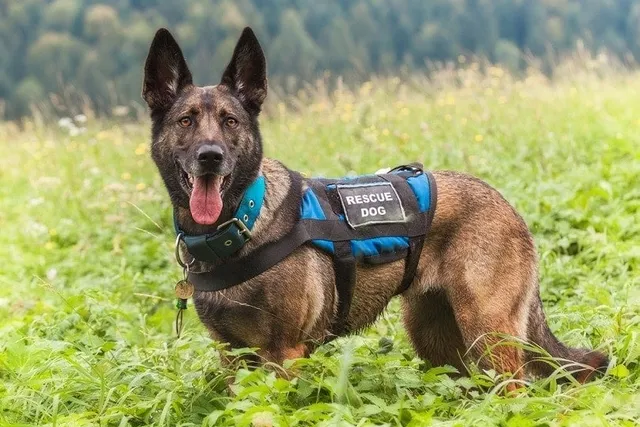
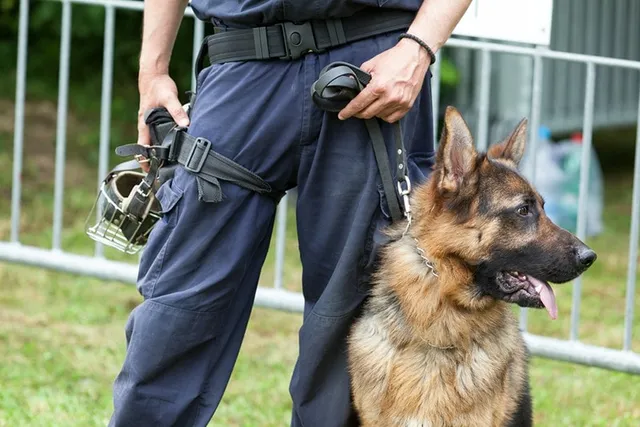
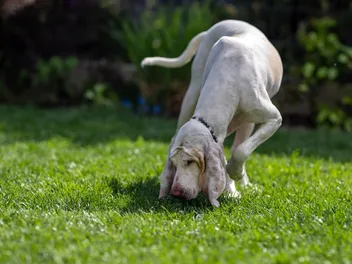
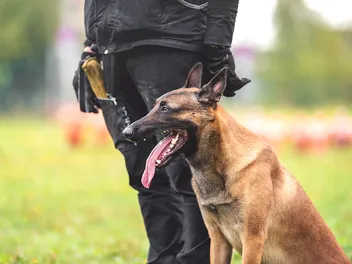
The breed is less critical than temperament when finding suitable cadaver dogs. While some prized sniffers, like Bloodhounds, seem predisposed to the work, the best candidates have the drive to work long hours and plenty of stamina, which are qualities you can find in dogs from many breeds. The most common breeds on FEMA’s canine search teams are Golden Retrievers, Malinois, Labradors, German Shepherds and Border Collies.
Rewards come slowly and aren’t always guaranteed. Cadaver dogs must work long hours in grueling climates and terrain, often never finding what they’re after. While some dogs may be able to pick up the scent of a body, it takes a special character to stay motivated under those conditions.
How Old Are Cadaver Dogs When They Begin Training
Although older dogs may be capable of becoming cadaver dogs, the ideal age to start training is 1 to 2½ years old. Dogs are more responsive to training commands at that range.

Conclusion
Dogs never fail to amaze or find new places to make a difference. Cadaver dogs help us make sense of confusing, uncertain, and stressful situations with a unique perspective that people and technology can’t replicate.
Through their tireless work locating the deceased, cadaver dogs have proven their worth in providing crucial closure to those left behind, providing emotional relief and the opportunity to move on in life.
Featured Image Credit: CL Medien, Shutterstock
Expert dog care, straight to your inbox
News, insights, expert advice, and everything dog.

No spam — unsubscribe anytime.
By signing up, you agree to our Terms & Conditions and Privacy & Cookies Policy.
How useful was this post?
Click a star to rate. You can leave written feedback afterwards. (We read all feedback.)
Nicole has loved animals of all sizes her whole life so it's no wonder she has dedicated her career to helping them through what she loves best: learning, writing, and sharing knowledge with others. She’s the proud mom of two dogs, a cat, and a human. With a degree in Education and 15+ years of writing experience, Nicole wants to help pet parents and pets around the planet to live happy, safe, and healthy lives.