How to Stop a Dog From Barking in the Car: 7 Vet-Approved Tips & Tricks


In this article
Dogs react to being in the car in many ways, from fear to excitement. Some dogs spend most of their time in the car barking incessantly, which can be extremely grating for everyone else in the car. There are a few reasons that dogs will bark while they’re in the car, but there are ways you can train your dog to stop barking in the car. Just be aware that it may take time, commitment, and a lot of work to remedy this undesirable behavior.

The 7 Ways to Stop a Dog From Barking in the Car
1. Keep Them Secure
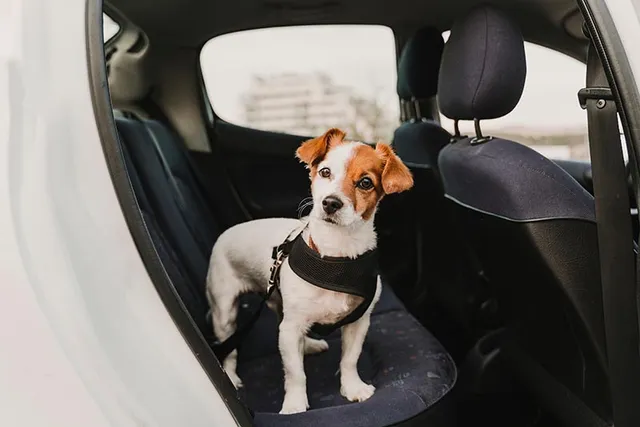
One of the most common mistakes dog owners make when taking their dogs in the car is not securing them appropriately. A loose dog can not only pose a risk to you by being a distraction while you’re driving, but they can also become a projectile in an accident, which can injure or kill your dog and may increase human injury as well. Purchase a dog crate, seatbelt, or other secure device made specifically for use in the car and ensure your dog is secure and only able to move in their immediate area while in the car.

2. Enlist an Assistant
When you first start working on training your dog not to bark in the car, it’s ideal to have a second person on hand to help you out. This will allow one of you to drive the car during test runs while the other person focuses on the training and reward part of the exercise. If possible, plan to set aside 10 minutes every day to train your dog, which means you’ll need your assistant available most days as well. If your dog starts barking before you even start the engine, you’ll need to start the training with just getting in the car and shutting the doors before progressing to short journeys.
3. Bring High-Value Rewards
High-value rewards vary notably between individual dogs, so identify which rewards are the highest value for your dog. Some dogs prefer strong-smelling treats, while others may do anything to get their favorite toy. You may consider using multiple high-value rewards to keep things interesting during training sessions.

4. Ensure All Needs are Met
Before you start working on training your dog in or out of the car, make sure all of their needs have been met. Ensure they’ve had a chance to potty, have been fed if needed, and, ideally, have had time to decompress after any exciting or stressful events that may have just occurred.
5. Train the “Quiet” Command
“Quiet” is a great command to teach to your dog, and it can come in handy in and out of the car. When your dog begins to bark at something, ensure they know you have a high-value reward in your hand and give the “quiet” command. When your dog stops barking, immediately reward them.
You may use a clicker for this type of training to ensure immediate marking of the desirable behavior. As your dog begins to improve their skills with this command, you can begin to slowly introduce them to stimuli and environments that commonly cause them to start barking.

6. Consider a Crate
Using a crate in the car isn’t a necessity if your dog is secured some other way, but crates can be a great addition if your dog is a barker in the car. Soft-sided crates are often recommended for cars simply because of their ease of use, but if you have the space, you can also consider a hard-sided crate.
Crating your dog in the car will decrease their visibility, limiting how much of the barking stimuli they can see. It may also help your dog feel more secure, much like they feel when they’re in their own crate in your home, decreasing their desire to bark.
7. Offer Them Toys
For some dogs, keeping them entertained while they’re in the car can keep them from wanting to bark. If your dog is a big fan of toys, chews or simple food puzzles, you may consider offering these items to them while they’re in the car. Opt for items that are likely to stay within your dog’s reach and that don’t require your assistance for your dog to hold or play with.

The 4 Reasons the Dogs Bark in the Car
1. Overstimulation
Some dogs can become quickly overstimulated by new or exciting things, while others have a much higher threshold. Either way, your dog may become overstimulated once they’re in the car. Overstimulation while in the car can occur because of how quickly the scenery is passing by and changing, unusual smells and sounds that occur while you’re in the car, or simply being too overly excited or fearful of being in the car.
2. Excitement
Many dogs love to go for car rides, especially if they get to go to fun places, like the park. These dogs may not be able to control themselves once they realize they’re going for a car ride. This can set off a barking fit that won’t stop until you arrive at your destination.

3. Protectiveness
When you’re driving around with your dog, they may see a variety of things they may view as a threat to you or themselves, including pedestrians, bicyclists, other animals, and unusual vehicles. If your dog feels like they need to protect their immediate environment or you, they may start barking at the object in question.
4. Fear
While many dogs love car rides, many dogs are quite fearful of being in the car. The environment is unstable, uncomfortable, and full of unusual sights, sounds, and smells. In some cases, a dog that is afraid may bark incessantly until they’re taken out of the fear-inducing situation.

The Use of Aversives and Why You Should Avoid Them
There are a variety of training tools and techniques that are considered to be aversive, which means these are negative reinforcement tools. What these tools do is provide your dog with an undesirable response when they do something inappropriately. Spray, shock, and pinch collars are considered to be aversive tools, as well as things like leash popping and other physical punishments.
It should be noted that these training techniques are highly controversial, and, in many cases, they can increase a dog’s fear and anxiety, making them less likely to feel trusting and safe with you. They can sometimes be effective methods for stopping a certain behavior, but the negative impact on your dog’s physical, mental, and emotional health can far outweigh any benefits the use of aversive training methods may provide. In many cases, though, you’ll actually just reinforce the negative behavior and make them more fearful of you.
If you are considering any type of aversive training tool or method, it’s important that you speak to a certified veterinary behaviorist or a highly experienced trainer who can help you choose the right course of training for your dog without doing harm.
Conclusion
It can be extremely annoying for your dog to bark while you’re in the car, but you do have options when it comes to training them to stop. If you have a dog that is overly excited or fearful when going for car rides, you may consider talking to a vet about calming medications. Sometimes, these are necessary, especially if you are driving a notable distance with your dog in the car. Allowing your dog to be extremely stressed or overstimulated for an extended period can be very difficult for them, so explore all your options in order to make your dog as calm and comfortable in the car as possible.
Sources
https://performancek9training.com/how-to-stop-your-dog-from-barking-in-the-car/
https://www.aspca.org/pet-care/dog-care/common-dog-behavior-issues/barking
https://www.bluecross.org.uk/advice/dog/behaviour-and-training/how-to-stop-a-dog-from-barking
https://www.purina.co.uk/articles/dogs/behaviour/training/excessive-barking
Featured Image Credit: Viktor Gladkov, Shutterstock
Expert dog care, straight to your inbox
Vet-reviewed advice, training tips, and the best of Dogster. Free, and you can unsubscribe anytime.
By signing up, you agree to our Terms & Conditions and Privacy & Cookies Policy.
Brooke Billingsley spent 9 years as a veterinary assistant before becoming a nurse in 2013. She lives in Arkansas with her boyfriend, and loves all animals; currently sharing a home with three dogs, two cats, five fish, and two snails. She has a soft spot for special needs animals and has a three-legged senior dog and an internet famous cat with acromegaly and cerebellar hypoplasia. Fish keeping has become a hobby of Brooke’s and she is continually learning how to give her aquarium pets the best life possible. Brooke enjoys gardening and keeps a vegetable garden during the summer months. She stays active with yoga and obtained her 200-hour yoga teacher certification in 2020. She hosts a podcast focusing on folklore and myth and loves spending her free time researching and writing. Brooke believes that every day is an opportunity for learning and growth and she spends time daily working toward new skills and knowledge.
Join the conversation
Ask a question, share your story, or send private feedback.