My Dog’s Tooth Is Turning Purple, What’s Wrong? Our Vet Explains Risks & Treatment

In this article
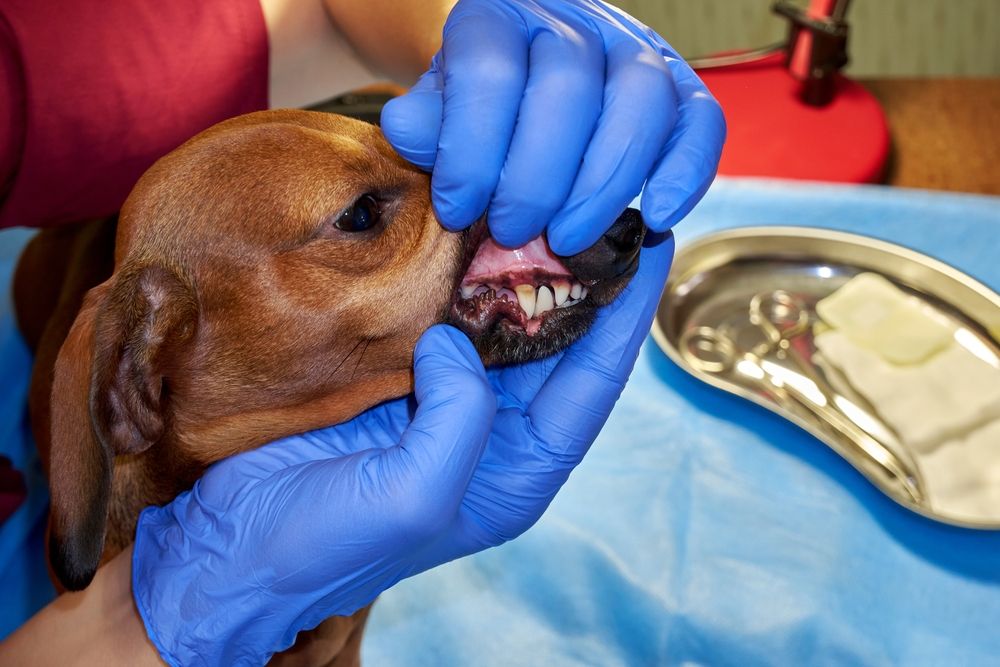
If your dog’s tooth turns purple, it indicates an underlying issue requiring veterinary attention. Purple discoloration of a dog’s tooth is often due to trauma and bleeding within the pulp cavity inside the tooth. The resulting pulp inflammation (pulpitis) causes toothache and pain and can lead to infection and abscesses. Here, we’ll explore the possible causes of a purple tooth, the potential health implications for your dog, and the steps you should take if you notice your dog’s tooth has changed color.

Dental Anatomy 101
Like our teeth, dogs' teeth are made up of several layers, and each layer is essential to the functionality and health of the tooth.
- Enamel: This is the outermost visible hard layer that protects the tooth, shielding the inner sensitive layers. It does not contain living cells, so if it is damaged or destroyed, it cannot regenerate or grow back.
- Dentin: This is the middle layer of the tooth, and in mature dogs, it makes up most of the structure of the tooth. Dentin is continuously produced throughout a dog’s life unless the pulp becomes damaged or infected. Dentin is hard but not as hard as enamel.
- Pulp Chamber: Also known as the root canal, this is the innermost part of the tooth and contains blood vessels and nerves. It is reliant on dentin and enamel for protection.

Why Has My Dog’s Tooth Turned Purple?
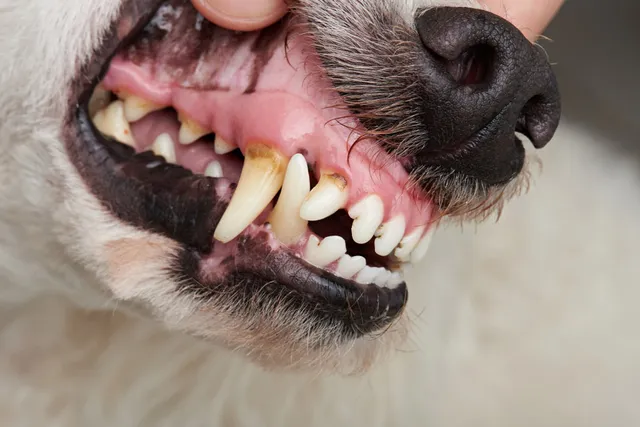
When a tooth turns purple, it typically indicates damage inside the tooth and inflammation of the pulp. In dogs, this is most commonly a result of blunt trauma with sufficient force to cause hemorrhage (bleeding) in the pulp cavity but not necessarily enough to fracture the tooth.
Common causes of dental trauma include playing with, catching, or chewing hard objects like stones, bones, and hard toys. Accidental trauma to the teeth can also occur when playing with other dogs. The canines are the most frequently affected teeth.
Less common causes of tooth discoloration include disruption of normal enamel development due to illness when the enamel is being formed (at 8–14 weeks of age) and certain medications such as tetracycline antibiotics. Neither of these typically results in a purple tooth, though; usually, teeth are stained yellow to brown.

What Are the Health Implications of a Purple Tooth?
1. Pain
Although your pup is not concerned about the cosmetic implications of a purple tooth, it will be painful for them. Initially, the signs of pain may be subtle; for example, your dog may chew on the other side of its mouth or more slowly. As dental issues progress, they may affect how your pup eats and may even lead to behavioral changes like withdrawal.
2. Infection
A tooth infection can also lead to the spread of bacteria to other sites in the body, causing further serious health implications.
3. Loss of the Tooth
If a purple tooth is left untreated, it is likely to become necrotic, which means that it dies. This is painful and a risk factor for infection, abscesses, and tooth loss.


How Is a Purple Tooth Treated?
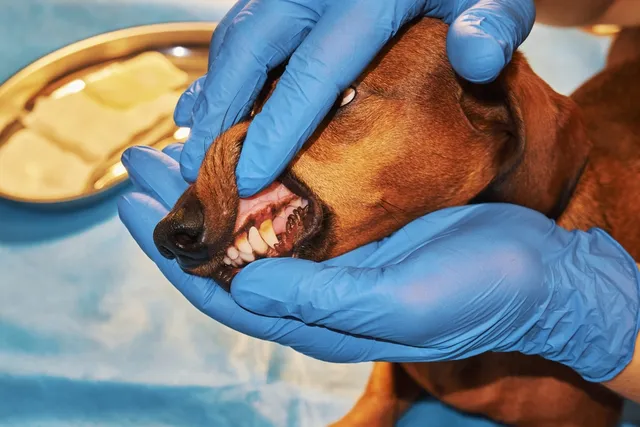
A veterinarian will need to perform a thorough examination to determine the cause of the discolored tooth and the most appropriate treatment. This will usually include dental X-rays to assess the tooth's internal structure and the damage's extent.
Any infections and abscesses will be treated with appropriate antibiotics, and pain relief will be prescribed as necessary.
Although the pulp can heal after an injury, unfortunately, most teeth that have turned purple are non-vital (dead). Young dogs are more likely to recover from inflamed pulp due to their large pulp cavities and good blood supply. Depending on the exam results, vets may monitor the tooth for a few weeks to see if the color returns to normal. Equally, if only the tip of a tooth is affected and everything else is normal, then it can be appropriate to monitor the tooth for a period in some dogs.
However, as studies have shown, most discolored teeth are non-vital. Treatment usually involves either root canal therapy or extraction of the purple tooth.
Root canal therapy is usually the treatment of choice for larger teeth, such as canines, as it maintains the tooth's function. This involves removing the pulp and replacing the removed tissue with dental material. Typically, this needs to be done by a board-certified veterinary dentist as it is an advanced procedure requiring specialist training. Extraction is the alternative and may be the treatment for small teeth like incisors.
We recommend you consult a veterinarian for the best advice on which would be the best treatment for your pup.

How to Keep Your Dog’s Teeth Healthy and White
Regular Brushing
Tooth brushing is the best way to keep your dog’s mouth and teeth healthy. It is important to use a pet-specific safe toothpaste. It tends to be flavored and doesn’t contain fluoride, so it is fine if your dog swallows it. Dog dental chews can also help. Look for products that have earned the Veterinary Oral Health Council (VOHC) Seal of Acceptance, which shows they have a proven record for improving oral health. Getting used to looking in your pet’s mouth will also help you pick up any abnormalities early.
Regular Dental Check-ups
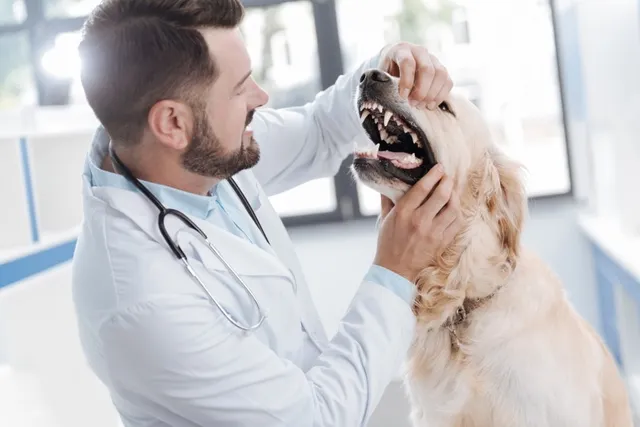
Regular dental exams with your veterinarian can help detect and address potential issues early before they cause more serious problems.

Avoid Hard Chews and Toys
Prevent your dog from chewing on or playing with hard toys and objects to reduce the risk of dental trauma. When choosing chews and toys, a good tip is to see if you can push your thumbnail into the item. If your nail can’t leave an indent, it's probably too hard and may damage your dog’s teeth when they play with or chew on it.
Conclusion
If your dog’s tooth turns purple, something is wrong and should not be ignored. If you’ve ever experienced toothache, you’ll appreciate the importance of getting them checked by your vet as soon as possible. Early diagnosis and treatment will prevent complications such as infection.
Oral care, including tooth brushing, regular veterinary dental check-ups, and avoiding giving your dog hard objects to chew and play with, can all help your dog avoid painful dental issues.
Sources
Featured Image Credit: DAndreev, Shutterstock
Expert dog care, straight to your inbox
Vet-reviewed advice, training tips, and the best of Dogster. Free, and you can unsubscribe anytime.
By signing up, you agree to our Terms & Conditions and Privacy & Cookies Policy.
Dr. Amanda Charles BVSc MRCVS (Veterinarian)
Dr. Amanda Charles, a 2002 graduate from Liverpool University, has built a prolific career in small animal medicine. She is passionate about providing pet owners with reliable and current information, enjoying the varied aspects of veterinary work. Outside the clinic, Amanda's life is filled with the energy of her two young sons, her spirited Cocker Spaniel, along with a spunky Ragdoll cat.
Dr. Charles is an accomplished veterinarian with a focus on small animals, particularly in the area of skin conditions, backed by over 20 years of experience and a Postgraduate Certificate in Dermatology. She practices part-time, offering extensive consultations on dermatology, and finds fulfillment in telemedicine and editorial roles.
Join the conversation
Ask a question, share your story, or send private feedback.