In this article
View 4 More +Apple cider vinegar and home remedies are extremely popular right now, and for good reason. They’re usually affordable, and some have actually been proven to work. And who wants to miss out on affordable preventative medicine? However, some remedies are merely anecdotal and have caused harm to pets. So, what does science say about apple cider vinegar? Is it safe for dogs? Just how can it help pets? We’re answering all those questions and more below.

What Is Apple Cider Vinegar?
Apple cider vinegar (ACV) is a vinegar made from apple juice. Bacteria break down the sugar in the apple juice, converting it into alcohol first. Then, through a second fermentation phase, the alcohol turns into vinegar.
Fermented foods, including vinegar, can be more nutritious compared to unfermented foods because some nutrients are increased. The bacteria in vinegar can help improve the gut microbiome and ACV has antioxidant effects.
People don’t consume ACV so much for its flavor but more so for the alleged health benefits, but research is still unclear about some of these benefits, let alone if they transfer over to dogs.

How Is Apple Cider Vinegar Given?
The most common way to use ACV is to dilute it in a liquid and either drink it, mix it into food, or apply it to the skin as a topical. Not only can humans use it in drinks and salads, but it’s also used in cleaners, hair and skin products, and much more. But apple cider vinegar can be given in other non-traditional ways as well, like pills, powders, or gummies. The FDA doesn’t regulate any of these dietary supplements, though, and most studies involve humans and very few animals.
Although ACV isn’t toxic to dogs, it is very potent. Because of this, it should always be diluted before being consumed or used on the skin. ACV should never be used in the ears or around the eyes or genital areas or on broken skin.
What Are the Benefits of Apple Cider Vinegar?
Based on what we know about ACV and humans, it is possible that it could help our pets with things like controlling dandruff and skin irritations or infections when used topically. As it has antimicrobial properties and is acidic, it may help prevent and treat yeast skin infections in particular. For this reason it’s often touted as a natural ear cleaner, however the vinegar can irritate and burn the sensitive lining of your dog’s ear canals and worsen the problem. At this time the use of ACV in treating skin conditions is purely anecdotal, there is unfortunately no evidence to determine how effective it is and whether it is safer than other available treatments.
ACV is also often suggested as an at-home remedy for preventing or treating struvite bladder stones, the theory is it will lower the pH of their urine when given orally. Again there are no supporting studies or evidence for this and you must always discuss it with your vet. For some types of bladder stones acidifying the urine may make things worse.
A study in 2016 found that the acetic acid in vinegar could be effective in removing parasites from vegetables.1 It’s unclear if ACV can help prevent canine parasitic infections, but it may be a good idea to wash your vegetables in it if you like to feed your dog fresh veggies.
In people there is some emerging evidence that ACV helps regulate blood sugar levels. There is no evidence that it has this effect in dogs and you should never give it to a dog with a serious underlying health condition like diabetes unless following your vet’s instructions.

Potential Side Effects of Apple Cider Vinegar
A very small amount of diluted ACV given to a healthy dog is unlikely to have any bad side effects. Rather it’s when the ACV is undiluted that poses a problem. ACV is highly acidic and can cause more damage if you’re not careful.
Typical signs of a negative reaction include:
- Vomiting
- Diarrhea
- Oral irritation and pain
- Redness of the skin
Offering ACV to dogs with underlying health conditions, like kidney disease, can also cause serious side effects. Dogs with kidney disease already have issues processing acids, and typically require a more alkaline diet.
If you are giving ACV to treat a health concern you should always discuss it with your veterinarian first. The efficacy of the many reported benefits of ACV in dogs has not been scientifically proven, no matter what you are trying to treat there are likely safer and more effective alternatives available.
If you need to speak with a vet but can't get to one, head over to PangoVet. It's our online service where you can talk to a vet online and get the advice you need for your pet — all at an affordable price!

Frequently Asked Questions (FAQ)
Does Apple Cider Vinegar in Dog’s Water Get Rid of Fleas?
ACV will not get rid of fleas if it’s used in your dog’s water. The potent smell can help repel them if you spritz some diluted ACV onto your dog’s fur. Even so, it will not kill fleas in any life stage.
Does Apple Cider Vinegar Clean Dogs’ Teeth?
ACV does not effectively remove plaque from a dog’s teeth, even if it did break down plaque the acids can damage tooth enamel.
How Do I Use ACV for My Dog?
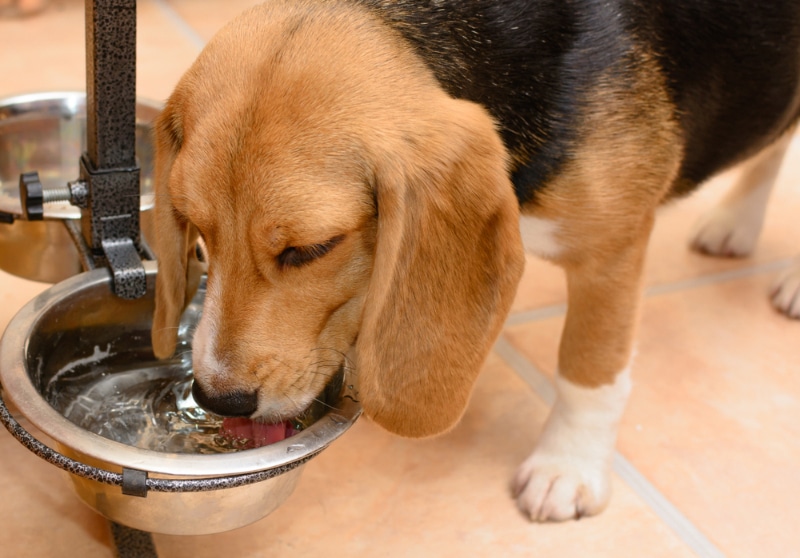
The best ways to use ACV are to dilute it in your pet’s drinking water or spritz a diluted solution onto your pet’s fur. However, you should only do this if your vet recommends it.

Conclusion
So, what does the verdict say about ACV and dogs? It may be effective for specific ailments, but it’s not a miracle worker. More large-scale studies are needed to really understand the pros and cons of using ACV. Even if your dog is healthy and you feel it’s a good idea to use ACV occasionally in your dog’s diet, you should still talk with your vet about it first.
Featured Image Credit: Towfiqu barbhuiya, Unsplash