Nutrition is one of the most important aspects of keeping your dog healthy and happy while giving them the best chance of a long life. And yet many owners buy the cheapest or most convenient dog food, tip some in a bowl a couple of times a day, and pay little attention to what they’re really feeding their trusted canine companion.
With a few simple changes and a couple of inexpensive and readily available additions, it is possible to significantly improve your dog’s diet and, therefore, their quality of life.
Below are 12 easy ways to improve your dog’s diet that you can implement today.

The 12 Easy Ways to Improve Your Dog’s Diet
1. Weigh Your Dog
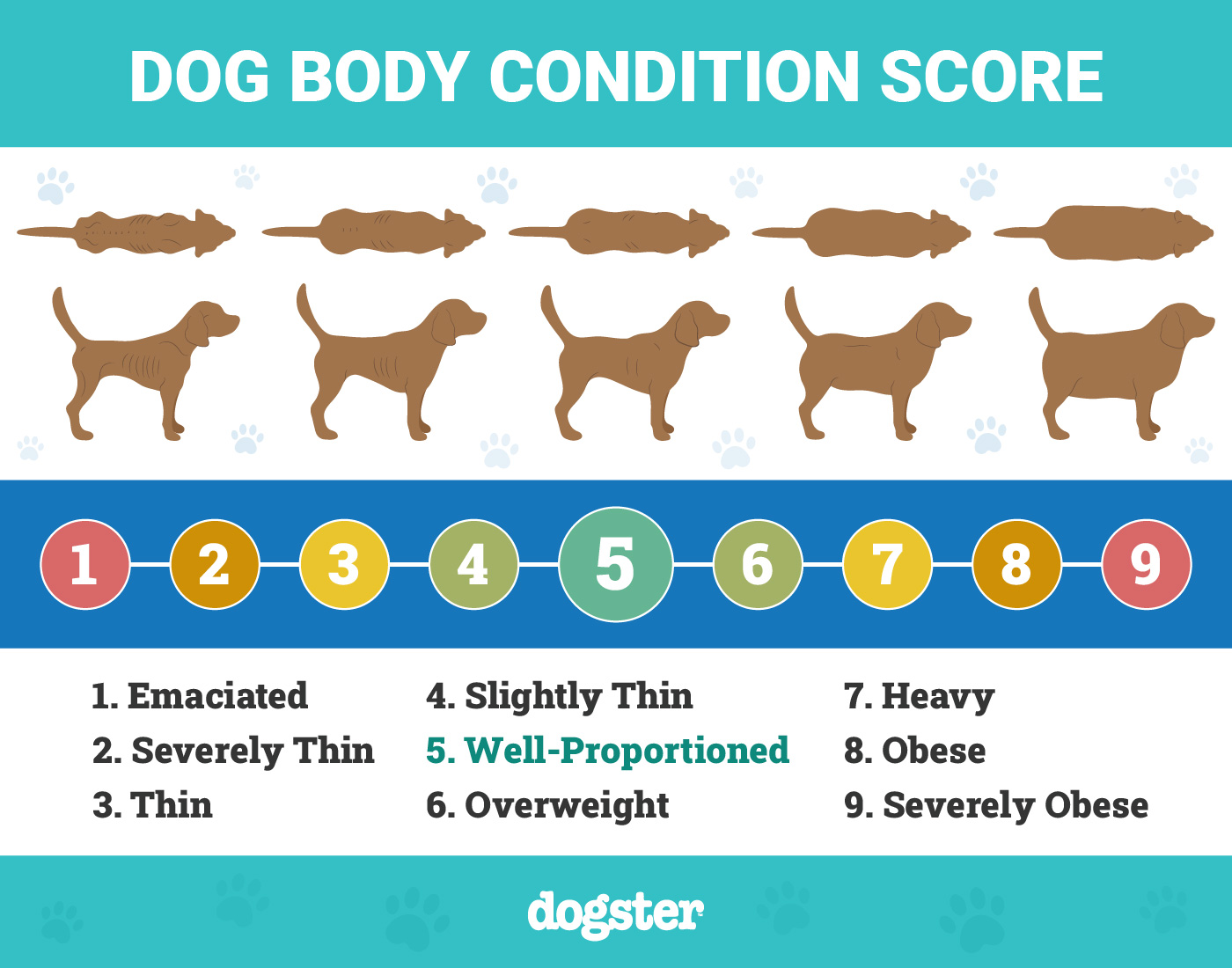
Whatever type of food you intend to give your dog, whether it is dry, canned, or homemade raw food, you need to know how much they weigh. This will govern the amount of food you give as well as how many calories and how much protein and other nutrients to feed.
It also enables you to determine whether your dog is a suitable weight for its age, health, and breed and whether you should be feeding more or less. While your dog will likely be weighed when it visits the vet, unless you’re there every few weeks, you will need to weigh them at home, too.
2. Weigh the Food
Weighing your dog means you can get a more precise feeding guide for dry and canned food. The manufacturer provides guidelines on the amount you should feed, and you should stick to these unless advised otherwise by a vet, or if your dog is underweight or overweight.
Rather than using cups or measures, weigh your dog’s daily food allowance into a tub and then split this over the two or three meals you are going to give. Weighing the food ensures that you feed the exact amount, rather than a rough estimate. Dogs are generally much smaller than humans and even a few extra pieces of kibble can make a big difference. If you need guidance on finding the right food and portion size for your dog, we suggest you speak to a vet.
If you need to speak with a vet but can't get to one, head over to PangoVet. It's our online service where you can talk to a vet online and get the personalized advice you need for your pet — all at an affordable price!

3. Check the Treats
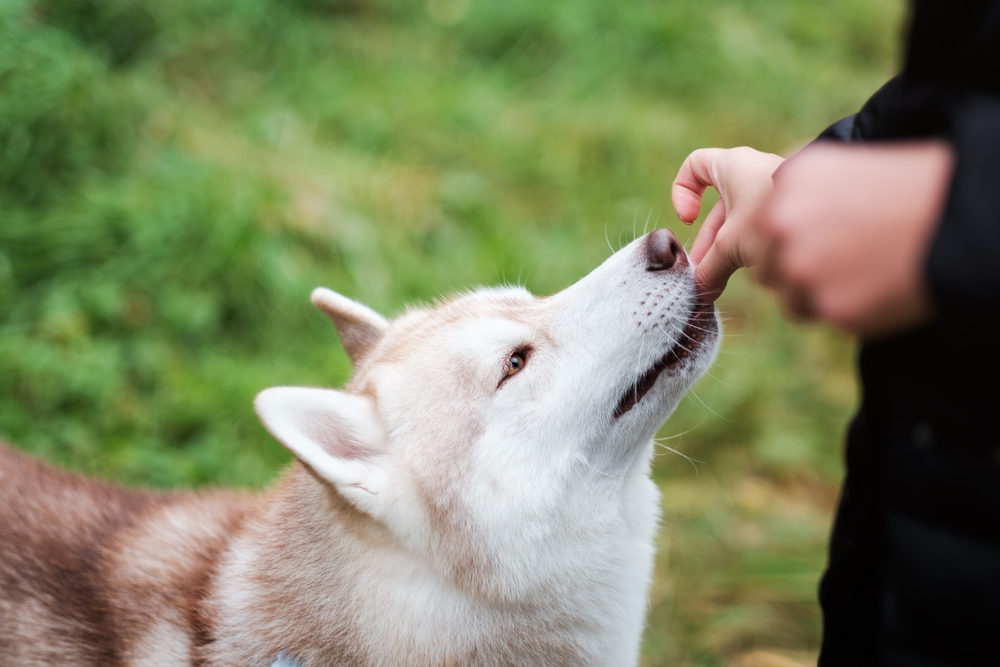
Treats make great training tools and it’s also nice just to give your well-behaved pup a little tasty morsel every now and then. However, those treats you’re feeding could add a lot of calories to your dog’s daily diet, and those calories could be enough to cause your dog to put on unnecessary and unwanted weight. The calories in treats should only account for a maximum of 10% of your dog’s daily calorie intake, and that intake should be determined by your dog’s age, weight, and activity levels.
Either reduce the amount of treats you feed or swap to a treat that has fewer calories. Alternatively, if you’re using treats for training, you can mix treats with dry kibble from your dog’s daily tub. They will keep responding in the hope of getting a treat, but you can reduce the amount of treats you’re feeding by half or more.
4. Try a Slow Feeder
If your dog is one of those who wolf their food down seemingly without chewing, you need to find ways to slow down their eating. Yes, you want your dog to be excited by their food. But, no, you don’t want them getting indigestion and other gastrointestinal problems as a result of eating too quickly.
Slow feeders are bowls that are designed to make it more difficult to get at the food. Because the dog has to slow down and think about how to get every mouthful, it can prevent indigestion. Not all dogs need slow feeders, but you will know if your dog does.
5. Feed Little and Often
Most dogs do well when they are given two meals a day, with their daily allowance split evenly over those two meals. However, dogs that are prone to bloat, and those that tend to wolf their food down might do better with smaller meals fed more often.
Dogs do like routine, which means you should opt for a feeding schedule that you can stick to and provide meals at roughly the same time each day.
6. Check the Ingredients
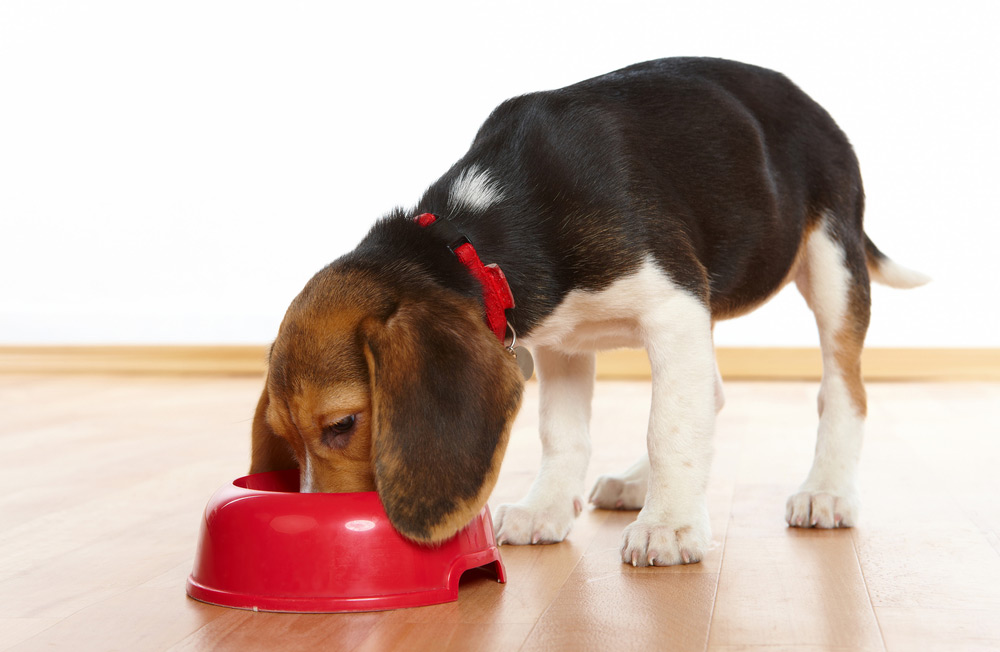
Although dog food does have to meet certain standards and needs to provide certain levels of nutrients to be considered nutritionally complete food, you should look beyond the marketing on the front label and look at the back of the packaging. In particular, check protein levels as well as calories per serving.
Look at the ingredient list. Ideally, you should be able to recognize the ingredients, and if there are too many long and involved names that hint at the use of synthetic ingredients, consider a different brand.
7. Add New Ingredients Gradually
Whenever you start your dog on a new food or add new ingredients to their food, always take it slowly. New ingredients can cause upset stomachs which can cause discomfort but can also lead to vomiting and diarrhea.
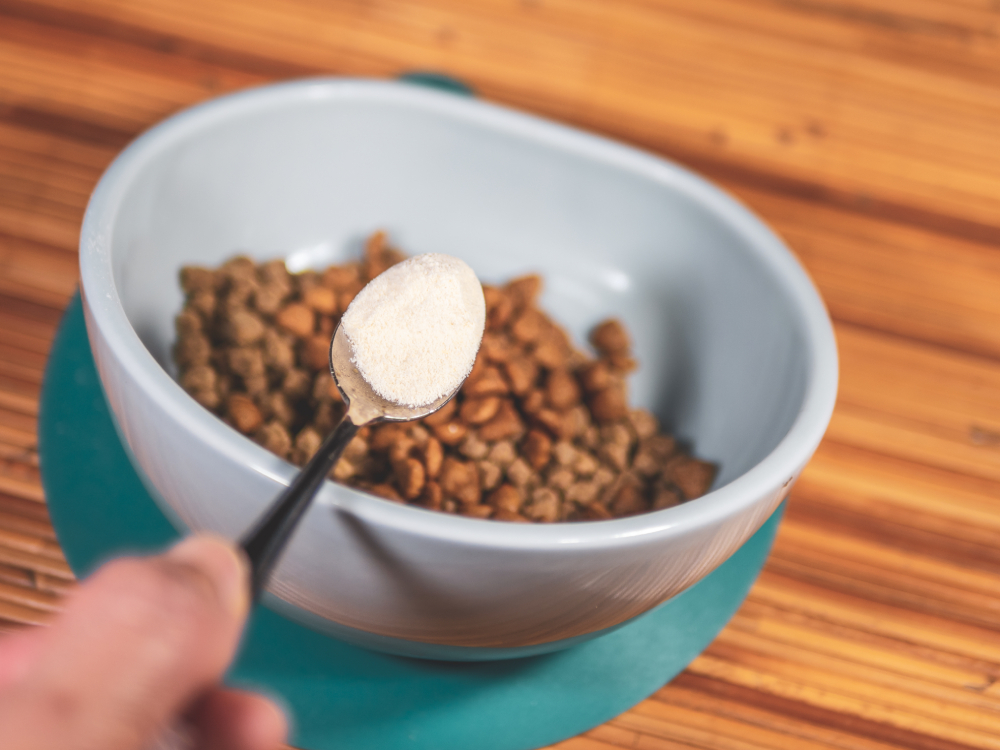
Try adding a small amount of a new ingredient on top of your dog’s food. Feed that amount for a few days and if everything looks okay, you can add a little bit more. Similarly, you shouldn’t add lots of new ingredients all in one go.
8. Don’t Feed Table Scraps
Human food, especially processed food, should be avoided. Human foods tend to be higher in calories and are packed with salt and sugar compared to dog food. Certain ingredients like garlic can also be highly toxic to dogs.
Avoid giving scraps altogether. If you want to give additional ingredients like meat and vegetables, weigh and prepare them separately for your dog.
9. Add Healthy Vegetables
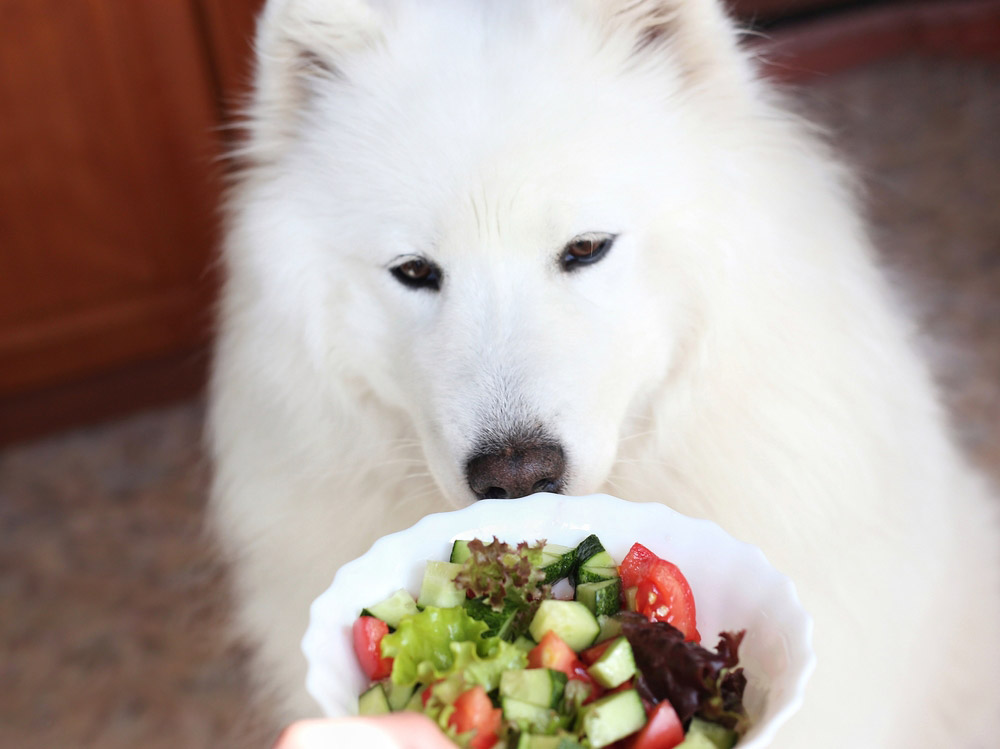
Raw vegetables contain lots of vitamins and minerals as well as antioxidants. They may help protect against cancer and they strengthen the coat, skin, and various bodily systems. If you do cook them, only cook them slightly, and do not add any seasoning or other ingredients while cooking.
10. Fish
Fish is easy to digest, unlikely to cause allergic reactions, and the right fish is packed full of goodness without containing too many toxins.
Sardines, in particular, are considered a potentially great additive to a dog’s diet. They are short-lived, so they don’t contain the same amount of toxins as older fish. Despite this, they promote good brain health, healthy skin and coat, and they can reduce pain and inflammation in the body. Ensure your dog isn’t allergic to fish, however, if going this route!
11. Eggs
Eggs are a very good source of protein, and most dogs love them. You can boil the eggs first to get rid of bacteria and mash the eggs up before sprinkling them over your dog’s food.
If you check the ingredients of commercial dog food, many of them contain eggs and some even contain eggshells because these are also high in protein.

12. Incorporate Bone Broth
You can buy bone broth, as long as it’s free from toxic canine ingredients, or you can make your own.
Or you can use an ice cube tray and create little single-serving blocks of frozen bone broth and just add a little boiling water when you’re ready to serve. It contains amino acids, collagen, glucosamine, and a host of other potentially beneficial ingredients. No research has been done to date on dogs and specific bone broth benefits, but it does seem to be tasty to some dogs, and may help to liven up kibble as an occasional treat.
Conclusion
A bad diet is closely linked to a host of health problems ranging from poor digestion to heart problems. Whether you feed dry kibble, canned food, or occasional human treats, there are some improvements you can make to help ensure your dog has a healthier diet and a healthier life.
Above are some simple changes or additions you can make each day. If you do make any of these additions or changes, make them slowly and introduce the new ingredient over time, so you can ensure that the new additive doesn’t disagree with your pup.
See also:
- Why Is My Puppy Vomiting and Underweight? Vet-Verified Causes, Treatment & FAQ
- Clean Eating for Dogs: The Ultimate Guide With 3 Steps to Understanding
Featured Image Credit: Zontica, Shutterstock
 The 12 Easy Ways to Improve Your Dog’s Diet