Try as we might, figuring out ways to travel with our dogs is not always straightforward. Logistics and finances can limit your options, and some locations will not allow pets in any way, making it impossible to include them in the plan.
Still, it’s easy to feel wrong about traveling without our dogs, as they seemingly have to suffer to accommodate our trips. What if something happens to them while you’re away? Are they going to endure a challenging stretch so that you can enjoy yourself?
The lingering worry and weight of guilt can easily sully the mood of a trip, but it doesn’t have to. You’ll discover thoughtful, practical solutions to keep your best friend safe and content with these 10 tips and tricks to travel guilt-free without your dog.

The 10 Tips For Traveling Without Your Dogs Guilt-Free
1. Decide on Pet-Sitter vs. Boarding
Your first decision is figuring out where your dog will stay. Will they stay home, go to a friend or sitter’s house, or hang out with other dogs at a kennel?
Choosing between boarding and a pet sitter is a judgment call based on your dog’s temperament, the length of your stay, and your budget. When you investigate your options and choose reputable services, you can ensure your dog will have a positive experience while you’re away.
Pros and Cons of Boarding
Boarding is relatively inexpensive, and you can feel confident your dog gets consistent attention when you use a reputable, high-quality service. But it can also be scary for dogs, as it’s a new place with strange people and would likely throw them out of their routine. There’s also a higher chance of illness due to proximity to other animals.
Boarding is particularly practical if your dog attends daycare at the same facility. They’ll know the sights, sounds, and people, and the staff will already have experience dealing with them. It can also be an excellent chance for dogs to socialize if you sign them up for extras like group play sessions.
Pros and Cons of Pet-Sitters
Pet sitters are more expensive than boarding but offer several benefits. If your dog is well-behaved and used to being alone for hours during the day, you may only need a few daily visits rather than have someone there every second. You could even have a friend or family member swing by to walk or feed your dog.
Pet-sitting is an excellent idea for anxious or poorly socialized dogs that may have a tough time around strange dogs, people, and places. You’ll avoid the hassle of transporting your dog to the boarding site, and you can count on the type of care your dog receives daily. When you leave for several days, your sitter may even help with small tasks around the house, like checking the mail or taking out the trash.
2. Choose a Capable Sitter
You may have a handful of people in your contacts who would be happy to watch your dog while you’re away. But if you want to travel without your dog guilt-free, choosing someone with a passion and knack for working with dogs is vital. Your dog needs a reliable person to stay comfortable, and you’ll want to ensure that whoever you ask has an enjoyable and easy time helping you out.
Some of us are lucky and know a dog pro that fits the bill. Otherwise, you may want to invest in an experienced, reputable professional dog-sitter. You can find quality professional sitters in your area by checking out organizations like the National Association of Professional Pet Sitters or Pet Sitters International.
Check reviews, ask for references, and arrange interviews. Ideally, you’ll find a reliable sitter to keep using so your dog can develop a trusting relationship.
3. Meet the Pet-Sitter and Visit the Location Before Your Trip
Dropping your dog off at a brand-new place with unfamiliar people is the most jarring way of leaving them before a trip. You don’t want your dog to feel afraid and uncertain. If you have to hire a pet sitter they’ve never met or board them in a new place, schedule a meeting for you and your dog to begin building a relationship.
Visiting the kennel or pet sitter a week or two before leaving will let you check for quality and see how they work with your dog. Consider an overnight stay for your dog before the trip to test the waters and help build some initial comfort.
If you arrange to have someone visit your home instead, ask them to come by and spend one-on-one time with your dog. The more familiar your dog is, the less stressed they will be when you leave.
4. Maintain the Routine
One of the perks of hiring a pet sitter is keeping your dog in your home. Dogs thrive on predictability. By leaving your sitter detailed instructions about feeding, exercise, and other activities, you can ensure the only hiccup in your dog’s daily routine is your presence. They may still feel some separation anxiety, but they’ll still be as comfortable as possible.
5. Give Your Care Provider Essential Info and Supplies
Whether your dog is staying in a kennel or at home with a pet sitter, you must give them a thorough breakdown of your dog’s particular needs and information when handling emergencies. The following are some of the essential items to provide in a packet of care instructions:
- Potty routine and locations
- Walking schedule and routes
- Directions on providing treats
- Feeding schedule and diet requirements
- Medication schedule
- Emergency contact (you and a close friend or neighbor in town) and vet phone number
- List of allergies
If you hire a pet sitter to visit, prepare your home to eliminate any guesswork. Lock any doors you don’t want them to access, and stock up on food, treats, and medicine. Assemble an emergency first aid kit.
Leave everything your dog needs, like food, toys, medicine, waste bags, and leashes, in an easily accessible and visible area to minimize the number of questions your sitter might have while you’re away.
Provide an emergency contact of a vet or vet service where they can call in case of an emergency or doubt.
If you need to speak with a vet but can't get to one, head over to PangoVet. It's our online service where you can talk to a vet online and get the advice you need for your dog — all at an affordable price!

6. Provide Essential Enrichment Supplies
Nothing helps a dog get over a stressful situation like reliable distractions. Ensure your dog stays stimulated in body and mind while you’re gone by supplying a slew of toys, puzzle feeders, chews, and other enrichment devices.
7. Give Your Dog Some of Your Belongings
Even if you have to board your dog or send them to a pet sitter’s house, you can still offer an element of familiarity through the supplies you provide. A blanket or sweatshirt that smells like you can be a significant source of comfort while your dog gets settled in a different space.

8. Keep Your Dog’s Vaccines and Preventatives Up to Date
Any worthwhile kennel and professional pet sitter will ask about updated vaccination records. Alongside their frequent preventatives, like heartworm and flea/tick treatments, your dog must be current on DHLPP, rabies, and Bordetella. With the increase in dog flu, many companies require dog flu vaccines.
Planning vaccinations ahead of time is crucial. Vets can often schedule them quickly, but some, like the flu vaccine, are multiple parts involving a booster a few weeks after the initial shot. You don’t want to wait until the last minute to schedule a boarding appointment only to find your dog doesn’t meet the requirements.
9. Update Your Dog’s Microchip and Tag
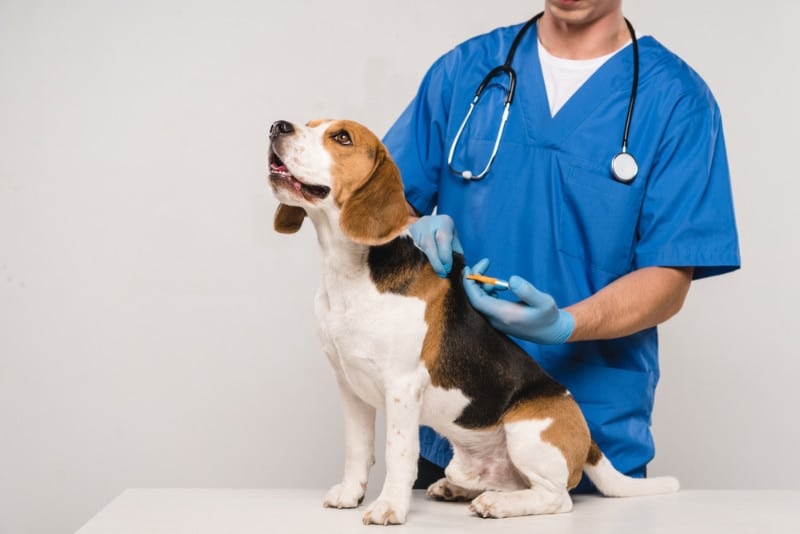
Always update your dog’s microchip information in any applicable registries with your current address, phone number, email, and your dog’s medical information. Your vet can help you identify your microchip number to search in the various registries. You can contact the shelter or vet who performed the microchipping to check their records, or your vet can perform a simple scan at their office.
Your dog’s microchip is crucial if your dog gets lost and winds up with a rescue or animal control group. However, if your dog gets out and a neighbor or concerned passerby picks them up, they likely won’t have a scanner to identify the dog. While updating your microchip information, ensure your dog’s tags have accurate contact info. Covering both bases will ensure anyone picking them up can find you.
10. Check In With Your Sitter
As much as you care about your dog, you shouldn’t ruin your trip by fretting about them. Give yourself daily peace of mind by arranging check-ins with your sitter.
Have your sitter call and shoot a quick picture of your dog to show everything’s okay, ask questions, and offer anecdotes about the day. Scheduling routine calls will keep you from missing calls, blowing up your pet sitter, or spending most of the day wondering how your pet is doing.
Conclusion
It’s difficult not to worry about your dog, no matter how often you travel without them. Fortunately, your situation is not unique. Boarding and pet-sitting professionals have been around for decades, and the services have only improved over time. It still takes due diligence to make your pet as comfy as possible, but by following these tips and tricks, you’ll never have to feel guilty about traveling without your dog.
Featured Image Credit: PeopleImages.com – Yuri A, Shutterstock
 The 10 Tips For Traveling Without Your Dogs Guilt-Free