In this article
The lightning-quick sighthound breeds are the ultimate head-turners of the canine kingdom, whether you spot their slender shapes in repose or witness their blistering speed in competition. Blink, and you might miss them! They are elegant and inspiring, a class that can be tricky to train but all too easy to admire. Let’s explore the shining highlights in this unique group with our breakdown of seven sighthound dog breeds.

What Is a Sighthound?
Also called gazehounds, sighthounds comprise a group of hunting dogs that trail their quarry at high speeds using sight rather than scent. They have sharp vision to detect their prey and a body constructed to maximize their running efficiency, speed, and agility.
Sighthounds are aerodynamic, long-limbed, and efficiently built. Not a single ounce goes to waste, and no unnecessary mass slows them down. A flexible spine and long hind legs propel them forward, enabling the unique double suspension gait in which their bodies become airborne twice in a single stride.
Since they’re geared toward running faster, the speediest sighthounds can reach up to 45 miles per hour! Sighthounds are bred to be independent and are often aloof, so they can be challenging to train as pets for novice owners. However, with a loving family sharing the home, they usually present a gentle and affectionate temperament.
The 7 Sighthound Breeds
1. Greyhound
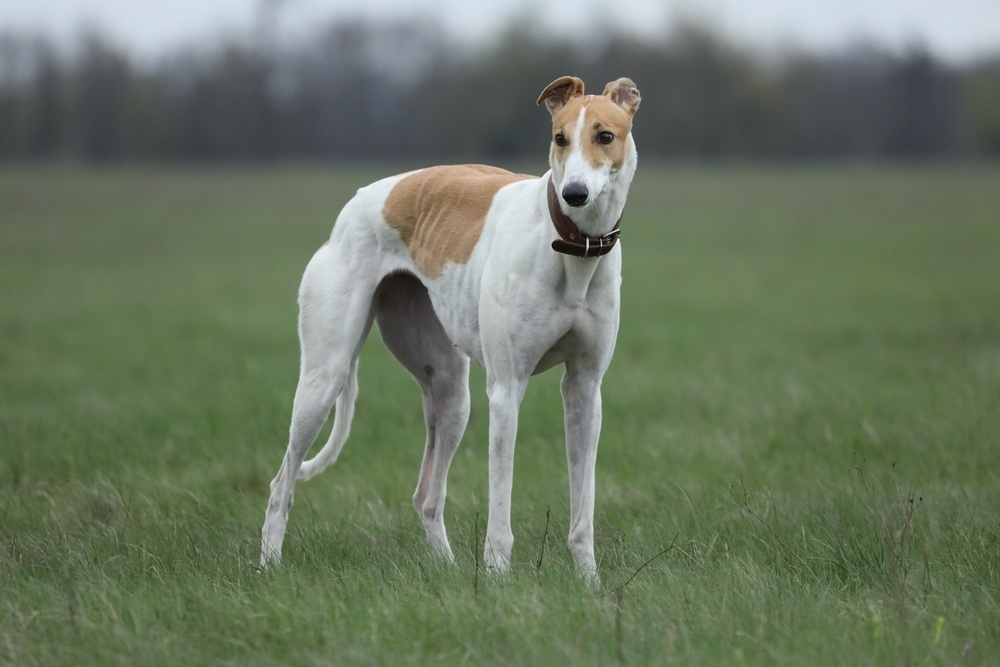
| Origin: | ~8,000–5,000 B.C., Middle East |
| Lifespan: | 10–13 years |
| Height: | 27–30 inches |
As the fastest of all dog breeds, the Greyhound is one of history’s most celebrated canines. The ancient breed dates back over 5,000 years to ancient Egypt, where they began their long legacy as a favorite hound among royals. As time passed, Greyhounds transitioned from hunting to competitive coursing and later track racing.
Until recently, Greyhound track racing was a popular and profitable pastime. As the 21st century came into view, animal advocates and newer gambling opportunities initiated the slow demise of the sport. Today, there are only two operating racetracks in the country, yet the Greyhound remains as popular as ever as a household companion.
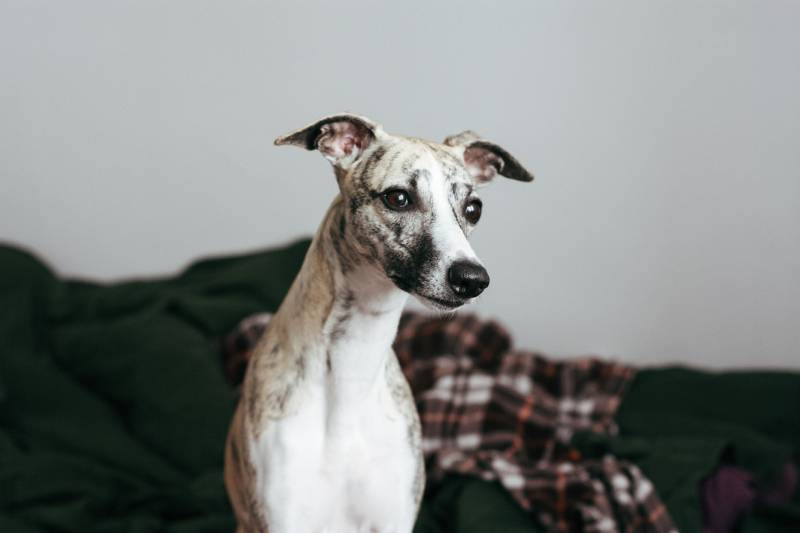
2. Whippet
| Origin: | 1800s, England |
| Lifespan: | 12–15 years |
| Height: | 18–22 inches |
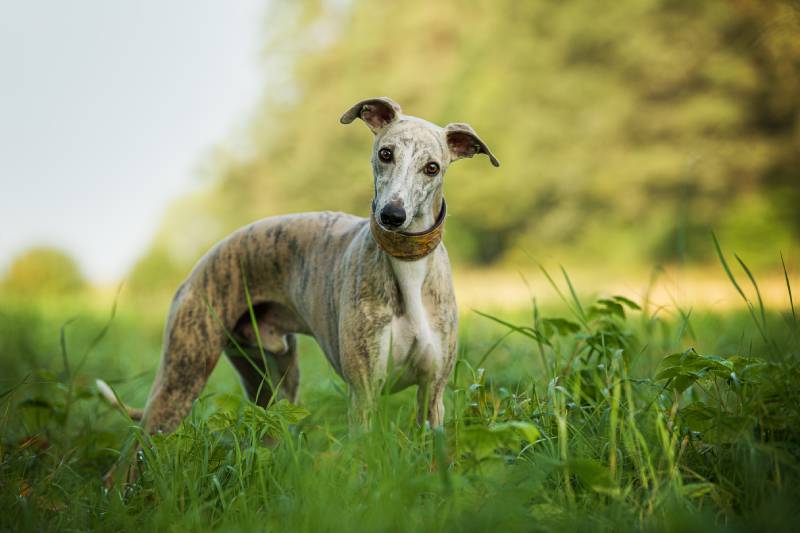
The Whippet looks like an undersized Greyhound, with a short, smooth coat bringing definition to their sleek, athletic build. While calm and low-key in the home, these dogs are some of the most formidable athletes among all canines. From dock-diving to flyball and lure coursing, Whippets have won countless titles and set numerous world records.
Dubbed the “poor man’s racehorse” in 19th-century England, the Whippet originally came into popularity among the working class that couldn’t afford larger Greyhounds. Early owners used their dogs primarily for poaching and coursing games. Before long, Whippets became the preferred dog in competitive racing circles, and by the late 1800s, they made their presence known on the show circuit.
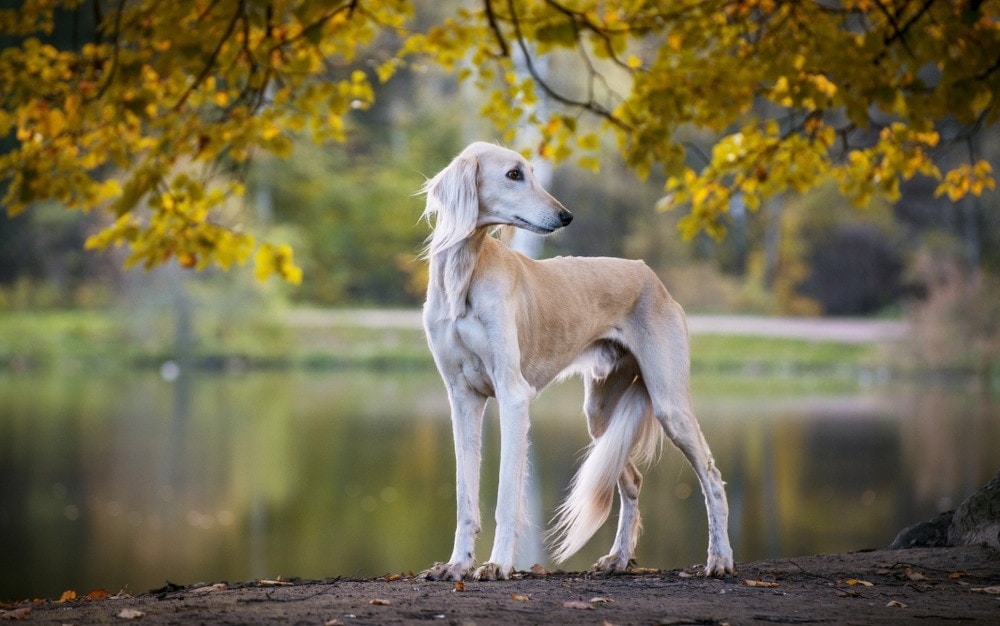
3. Saluki
| Origin: | ~7,000 B.C., |
| Lifespan: | 10–17 years |
| Height: | 20–28 inches |
The Saluki is a swift sighthound that may date as far back as 7,000 B.C., emerging as a prized hunting dog for kings, pharaohs, and notable conquerors throughout history. Their history is similar to that of the Greyhound in many ways, and when the Saluki arrived in England in the 1900s, they even earned the name “Persian Greyhound.”
Intelligent, independent, and majestic, the Saluki is a quintessential sighthound. Though they bring trademark training difficulties, their stately, calm nature makes their companionship as valued as their hunting prowess.
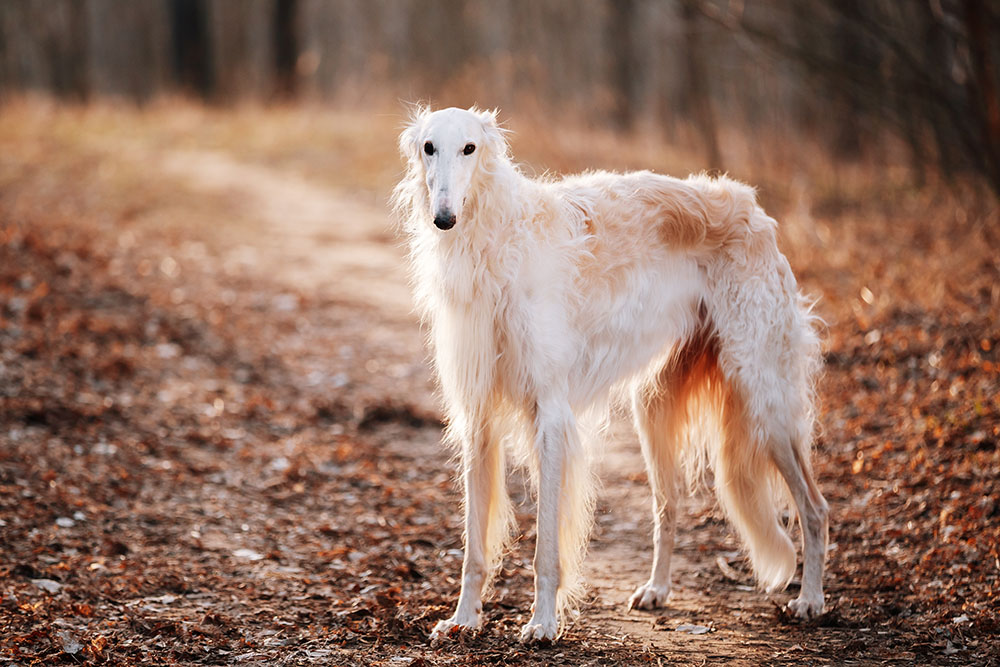
4. Borzoi
| Origin: | 1600s, Russia |
| Lifespan: | 9–14 years |
| Height: | 26–28 inches |
Also known as the Russian Wolfhound, the Borzoi was a fast and powerful hunter for all kinds of game in Russia, ranging from rabbits to foxes to full-grown wolves. Borzoi were popular with the Russian aristocracy, who would bring dozens of the dogs together in grand, organized hunts.
With the Russian Revolution ending the Romanov rule, huge numbers of Borzoi were destroyed. Thankfully, previous international exportations of the breed had spread them far and wide, so the breed didn’t become extinct. Dedicated fanciers rekindled the breed in the U.S. and the UK, eventually helping to restore the dog population in their native land.
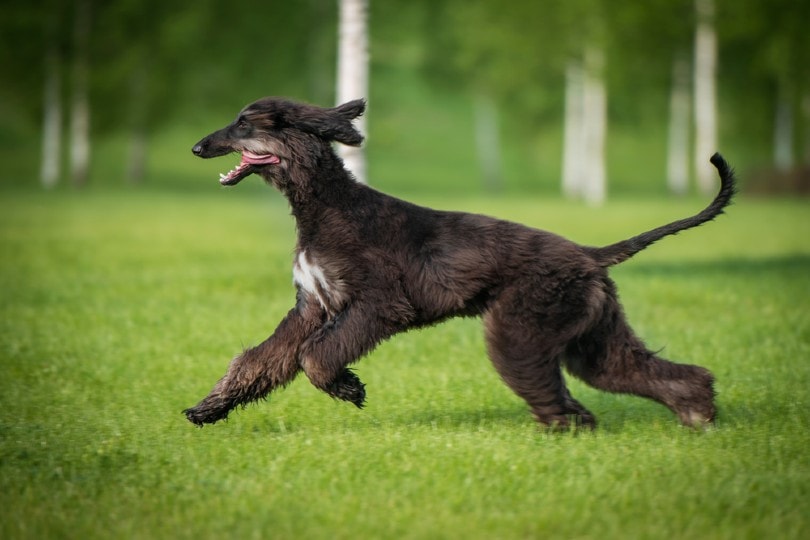
5. Afghan Hound
| Origin: | ~8,000 B.C.–0 A.D., Afghanistan |
| Lifespan: | 12–14 years |
| Height: | 25–27 inches |
Their history may be a bit of a mystery, but the Afghan Hound’s beauty and regal bearing are unquestionable. The flowing silky hair serves as a protective cover against Afghanistan’s harsh climate, setting the breed apart as one of the most eye-catching and show-worthy sighthounds today.
The Afghan hound is thought to have been developed by the nomadic people of Afghanistan, Pakistan, and Northern India. Sadly, much of the breed’s history has been lost due to the remote locations and the changing powers of these areas over many thousands of years. The Afghan Hound’s known background began relatively recently in the late 1800s. Army officers returning to England from journeys across the Middle East and Asia often brought dogs back for exhibition, including an Afghan Hound that immediately captured the attention of the British nobility.
6. Scottish Deerhound
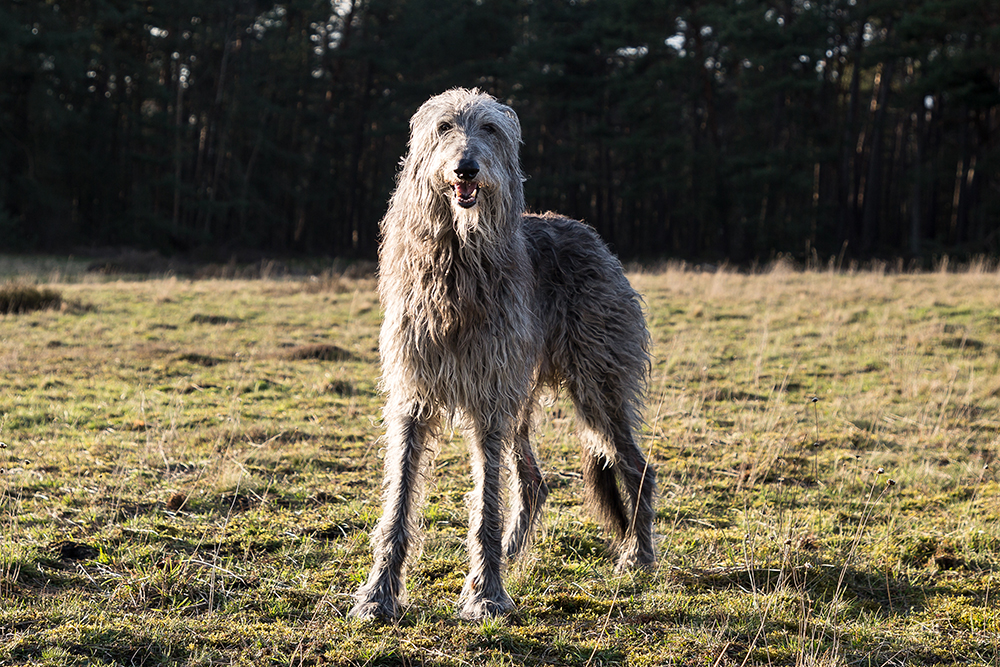
| Origin: | Approximately 16-17th Century, Scotland |
| Lifespan: | 8–11 years |
| Height: | 28–32 inches |
The Scottish Deerhound is an impressive mix of strength and speed. Power was crucial for taking on the wild red deer, which were agile prey the sighthounds would course and stalk across the rugged Scottish Highlands.
The Scottish Deerhound’s known history dates to the late Middle Ages, though they are likely much older. They may even have been in Scotland before the Scots got there. Like other sighthound dogs, Deerhounds were coveted among elites, such as the Highland chieftains. Commoners were not allowed to own them.
The Scottish Deerhound’s numbers steadily declined when the Highland clan system ended in the 18th century. In the 1830s, enthusiasts Archibald and Duncan McNeill began reviving the breed from scarce purebreds. Upon making their appearance on the show circuit, their acclaim again took off, and by 1886, the “Royal Dog of Scotland” was popular enough to earn AKC recognition.
7. Irish Wolfhound
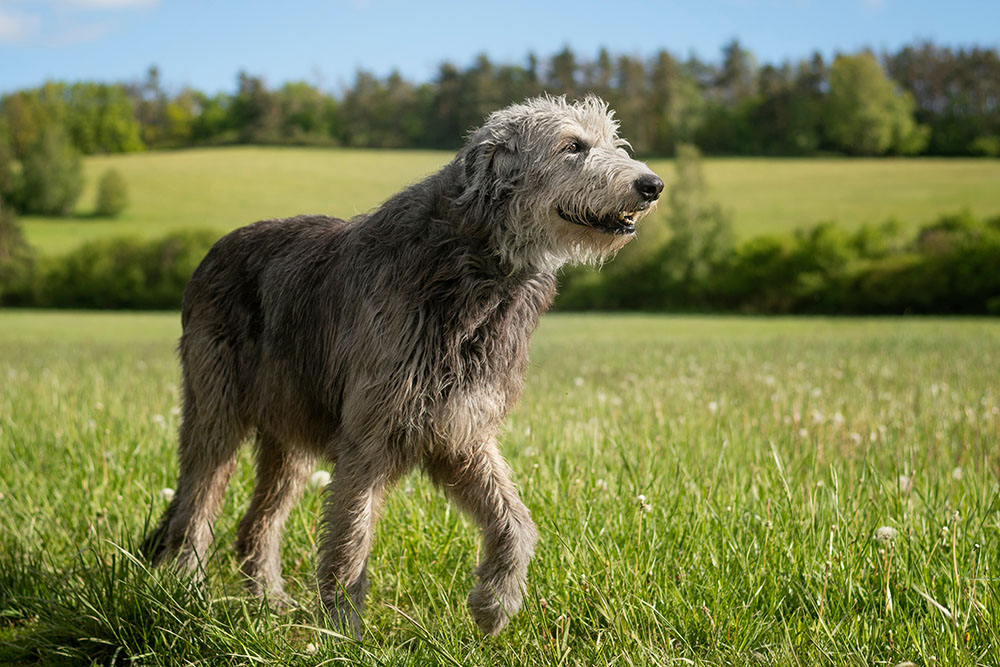
| Origin: | ~1000 B.C., Ireland |
| Lifespan: | 6–8 years |
| Height: | 30–32 inches |
Irish Wolfhounds are among the most imposing of the sighthound dog breeds, but their placid, good-natured personalities can put anyone at ease. Their household demeanor stands in stark contrast to their ancestral hunting character. As a fierce guardian and courageous course, the Irish Wolfhound earned its name as a fearsome answer to Ireland’s wolf problem during the Middle Ages.
Though Irish Wolfhounds were well-appreciated wherever they went, the death of the Emerald Isle’s last wolf in the 18th century foretold their eventual decline. In the 1800s, Captain George Augustus Graham attempted to increase the near-extinct breed. Due to limited stock, he mixed in various dogs, including Scottish Deerhounds, Great Danes, and Borzoi, to reshape and grow the modern Irish Wolfhound.
Conclusion
Sighthounds aren’t the easiest to own, but that hasn’t stopped generations of animal lovers from prizing these sublime dogs. As beautiful in form as they are dignified in character, these breeds leave an impression on anyone they pass. When they can show off in competition, their blazing speed and spellbinding stride make them impossible to forget.
Featured Image Credit: Whippet dog in a meadow