Australian Shepherd Dog Breed: Vet-Verified Info, Pictures, Care & More


In this article
An Australian Shepherd is one of the most instantly recognizable breeds these days. While they thrived on the farm rounding up sheep at one point, they have quite a different role in the household now. Australian Shepherds are an adventurous, loyal breed with boundless energy to burn!
These playful pups will impress you with their brainiac ways, beauty, and devotion. However, a breed this active won’t be for everyone—and only you can decide if they are right for you!
Breed Overview
Height:
Weight:
Lifespan:
Colors:
Suitable for:
Temperament:
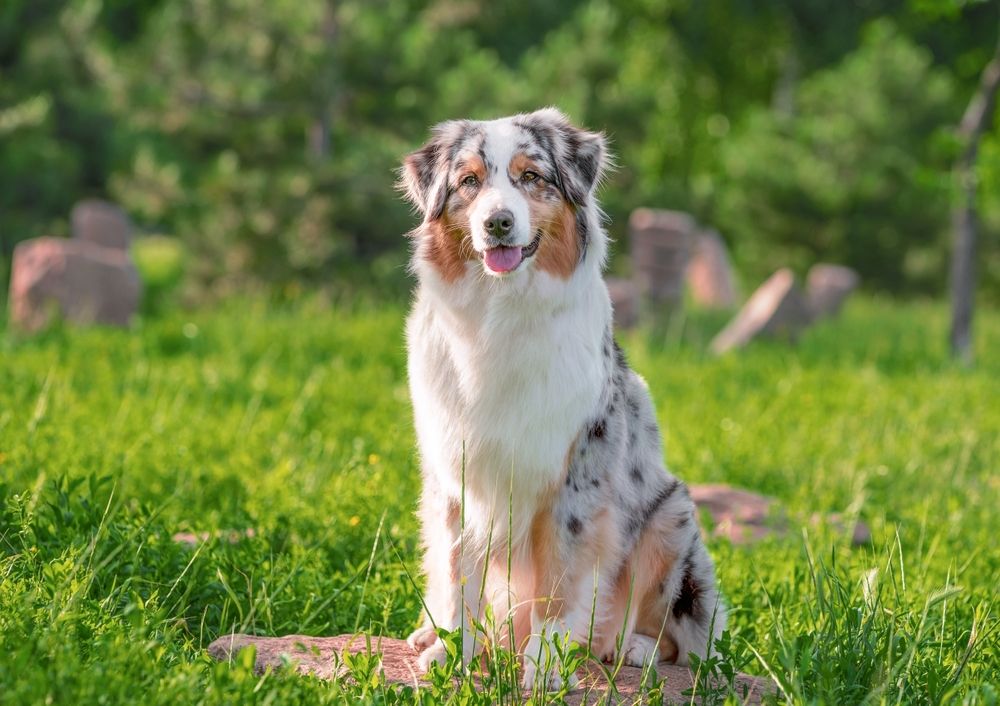
Australian Shepherds are medium-sized dogs with a medium-length, double coat. They can have a number of different coat colors and even two separate colored eyes. These unique, energetic dogs make fantastic family companions in the right homes.
In this article, we'll discuss how an Australian Shepherd can integrate into your life and what to expect when you own one.
Australian Shepherd Characteristics

Australian Shepherd Puppies

Australian Shepherd puppies will undoubtedly be the cutest thing you’ve ever seen. But apart from their adorable appearance, you probably want to know what to expect when one of these pups really starts to come into their own.
During the first several weeks, your puppy might sleep more than they’re awake. That’s totally to be expected. But once they hit roughly the 8-12 week mark, you’re going to see a completely different side of them. This particular breed is highly energetic, so if it isn’t mentally and physically stimulated appropriately, it can develop destructive tendencies. We highly recommend having a broad selection of toys and other forms of entertainment, along with structured training and regular exercise, to keep your belongings safe from tiny chompers.
The Australian Shepherd might also be a breed that requires being properly crate-trained when you are not home. Because of their high-intensity exercise needs, this is certainly not a breed you can be away from for long periods without adequate care and stimulation.
So, while your little one is growing up, it’s for the best that you will have the time and energy to devote to them early on so you can end up with a well-rounded dog as an adult. You can find an Australian Shepherd through responsible breeders, breed-specific rescues, or reputable shelters.

Temperament & Intelligence of the Australian Shepherd 🧠
The Australian Shepherd is nothing short of an intelligent, fiercely loyal breed that will impress you daily. If you’re the kind of person who can keep up with their on-the-move personality, you will have a life companion.
Loyalty runs deep in an Aussie Shepherd’s heart; they don’t just bond with their owners, they form strong attachment bonds with them. Once they’ve chosen their person or family, that connection is typically long-lasting. Their devotion is so strong that they are known to wait endlessly for their loved ones to return, no matter how long it takes. This unwavering attachment makes them incredible companions, but also means they may not handle rehoming well. If you bring an Australian Shepherd into your life, it’s crucial to commit to being their forever home. They thrive on stability and can experience significant stress or anxiety with abandonment or repeated rehoming.
Australian Shepherds are incredibly aware of their surroundings and make fantastic alert dogs. They can also learn a variety of tasks, making them well-suited for emotional support or service animals when properly trained and temperamentally appropriate. They also make exceptional work dogs and score off the charts in agility or herding competitions.
These stunning pooches require stimulation at every turn, so they’re certainly not for the faint of heart. You must have the time, consistency, and commitment to take on a dog like an Aussie. Otherwise, they might develop some unsavory behaviors that can be difficult to manage.
Are These Dogs Good for Families? 👪
An Australian Shepherd can make an amazing addition to a variety of different families. They can be good for single owners and growing families alike. However, it is important to understand the requirements on your part to ensure you have a lifestyle that they can fit into.
Most Australian Shepherds have extremely high levels of energy, meaning that they will need their homes to be able to accommodate daily structured exercise and enrichment. These dogs are best suited for a life in the country or somewhere where you have a very large fenced-in backyard so they can naturally run and roam.
Most Aussies love running out of energy, so apartment living really isn’t always the best idea for them. If they are too cooped up, it can cause a variety of issues, such as destructive tendencies, like chewing, ripping up carpet, gnawing on the trim, excessive barking, and even escaping enclosures.

Does This Breed Get Along With Other Pets? 🐶 😽
The Australian Shepherd will certainly make a good friend to other canines. However, because of their strong herding and chase instincts, they might not be as good with smaller animals, like chickens or cats.
There is usually no issue if they’re raised alongside cats, especially when properly socialized early, but they are easily triggered by movement and may have a strong desire to chase. So, even if they don’t necessarily mean to hurt or kill a cat, they can accidentally cause harm during rough play or chasing if arousal levels are high or energy needs are unmet.
When introducing any high-energy dog, it’s always best to use caution when you have them around smaller animals, use controlled introductions, supervision, and ongoing training.

Things to Know When Owning an Aussie
Food & Diet Requirements 🦴
Because most Australian Shepherds have so much energy in a day, they often benefit from a balanced, calorie-appropriate dog food formulated for active dogs to support their bodily demands. The Australian Shepherd is very athletic and certainly needs a very high-quality, complete, and balanced dog food to ensure they’re getting all of the proper nutrients.
Dry kibble and wet canned food are still hot on the market these days. When you are deciding, it’s best to look at formulations that meet AAFCO nutritional standards, appropriate life-stage labeling, and ingredient labels to ensure that they are getting a quality recipe.
Many pet owners are also shifting focus to a fresh diet. Companies often offer subscription-based services where you have food delivered directly to your door. These diets also need to be nutritionally complete and balanced, and are often preferred by pet owners seeking less processed, more whole-food–based nutrition, which may offer benefits for some dogs when properly formulated. They also may benefit dogs by providing less processed, moisture-rich meals instead of highly dried, preserved dog foods.
Ultimately, it will depend on your budget and veterinary recommendations.

Exercise 🐕
Your Australian Shepherd is certainly going to need a lot of exercise. This is definitely not a dog that can stay cooped up without adequate physical and mental stimulation all day and be expected to behave in the evenings when they’re out.
They require long walks, jogs, hikes, structured play, a large backyard to bustle around in, and many other forms of exercise. Because of their personality, friendliness, and activity levels, they can make extremely good candidates for dog parks when properly socialized and supervised.
You could even get pretty intense with this type of breed. It seems the harder they work, the happier they are. That said, exercise should be age-appropriate and increased gradually, so don’t be afraid to explore what your Aussie is capable of while avoiding overexertion, especially in puppies.
Training 🎾
Because they are so keen, easy to train, and eager to please, they are very receptive to positive reinforcement–based training styles. As mentioned above, these dogs can work for anything from family companions to highly trained work dogs.
The amount of training you give your Aussie is up to you. Some people find it is a little difficult to train them, so they do very well with obedience and other professional training schools. You can also get very advanced if you choose to, creating an incredibly well-rounded canine.

Grooming ✂️
The Australian Shepherd is typically pretty hefty when it comes to grooming. Although they don’t require any fancy haircuts, they do require a medium-length, double coat that requires regular brushing and general upkeep.
There are quite a few grooming products for your Aussie. If you’re the kind of person who hates having shed hair on the furniture or fabrics in your home, consider having a handheld vacuum to keep up. With general hygiene, a lot of this can be managed as well.
You should have a few different kinds of grooming tools on hand. When it comes to routine brushing, you will want something that penetrates the fur to get out any mats or tangles, particularly in feathered areas, as these dogs are prone to knotting up. Bristle brushes are designed to distribute the oils evenly through the coat to keep it nice and shiny. Slicker brushes are designed to remove loose hair and minor tangles. Deshedding tools are an excellent product to have on hand, but you should use them sparingly to avoid damaging the undercoat.
We recommend that you give your dog a good bath and brush every 4 to 8 weeks to eliminate loose fur and debris from the undercoat. It's always best to buy your dog natural shampoos and products to avoid irritation or allergic reactions.
- Dogster Recommends: Best Brushes for Long Haired Dogs – Our Reviews & Top Picks
Health and Conditions 🏥
The Australian Shepherd is a generally healthy breed, but like all dogs, they can develop certain health issues due to genetics or environmental factors.
The best way to stay ahead of health issues is to ensure that you’re taking them routinely to the vet as needed. During their first year of life, they will get to know their vet quite well, visiting for parasite prevention, routine vaccinations, spaying or neutering surgery, microchipping, and wellness examinations.
If your dog is healthy, you can expect to see your vet at least annually for routine checkups, with blood work recommended based on age, lifestyle, and individual risk factors. Many families are opting for pet insurance these days as a way to ensure they’re able to afford vet bills from both general care and emergency visits.
Aussies are predisposed to the following conditions, but that doesn’t mean that your particular dog will have all or even any of them.
Male vs Female
Male and female Australian Shepherds can be quite different in size. The males tend to be larger and weigh more than their female counterparts. On average, the males weigh between 50 and 65 pounds, while the females typically only weigh between 40 and 55 pounds. You can see how this size difference can be noticeable.
When it comes to personality, sex really doesn’t have a consistent effect on the overall temperament. However, sex hormones involved can play a role in certain behaviors, such as roaming, marking, or heat-related behaviors. For this reason, most vets recommend that you get large-breed dogs like Australian Shepherds spayed or neutered after skeletal maturity, typically around 9–15 months of age.
Health issues can vary between sexes as well due to reproductive problems. Females can get issues such as ovarian remnant syndrome, false pregnancy, vaginitis, pyometra, dystocia, and metritis.
Males, on the other hand, might have other issues such as testicular cancer, testicular torsion, inflammation of the penis or prepuce, priapism, or phimosis.
3 Little-Known Facts About the Australian Shepherd
1. Aussies can be heterochromatic.
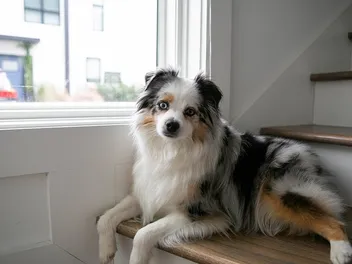
If you've looked at pictures of Aussies, you might have already noticed that some of them have two different-colored eyes. Most of the time, one of them is often a vibrant blue, and the other one is dark brown.
While they can have two irises that are the same color, heterochromia is relatively common in Aussies. Interestingly, Aussies can also have sectoral heterochromia, meaning multiple different eye colors in a single eye. That’s part of what makes them so captivating.
2. Despite the name, Aussies are not Australian dogs.
With a name like Australian Shepherd, their origin would come as no surprise, right? Actually, you might be surprised to know that the Australian Shepherd was developed primarily in the United States, with ancestral roots tracing back to herding dogs associated with Basque shepherds.
They traveled with Basque shepherds to Australia and then again to the United States, where the breed was refined and standardized.
However, they have had many names over the years—the Spain Shepherd, Pastor Dogs, Bob-Tails, and New Mexican Shepherds are among the historical names sometimes associated with early lines of the breed.
3. Australian Shepherds are closely linked to the development of modern dog sports.
Australian Shepherds played a significant role in the rise of organized dog sports in the United States. Their intelligence, athleticism, and eagerness to work made them early standouts in activities like agility, obedience, herding trials, and later flyball and disc competitions.
In fact, the breed’s popularity grew rapidly through rodeos, ranch work, and performance events, where their versatility and trainability were highly visible. Today, Australian Shepherds continue to excel in competitive dog sports and working roles, which is a big reason they’re often recommended for highly active, engaged owners.

Final Thoughts
Did you learn anything interesting about the Australian Shepherd that you didn't know before? If you've been interested in this breed, hopefully, you can find a reputable breeder with a quality pup you can welcome to the family.
Keep in mind that Australian shepherds are extremely physically demanding and not the best candidates for people who have mobility issues or a sedentary lifestyle. However, they can make exquisite additions to growing families, homes with large fenced-in backyards, and active lifestyles.
Sources
Featured Image Credit: ChocoPie, Shutterstock
Expert dog care, straight to your inbox
News, insights, expert advice, and everything dog.

No spam — unsubscribe anytime.
By signing up, you agree to our Terms & Conditions and Privacy & Cookies Policy.
How useful was this post?
Click a star to rate. You can leave written feedback afterwards. (We read all feedback.)
Ashley Bates is a freelance dog writer and pet enthusiast who is currently studying the art of animal therapy. A mother to four human children— and 23 furry and feathery kids, too – Ashley volunteers at local shelters, advocates for animal well-being, and rescues every creature in need. Her mission is to create awareness, education, and entertainment about pets to prevent homelessness. Her specialties are dogs and cats.