How to Help a Dog With Separation Anxiety: 8 Vet-Verified Tips & Steps


In this article
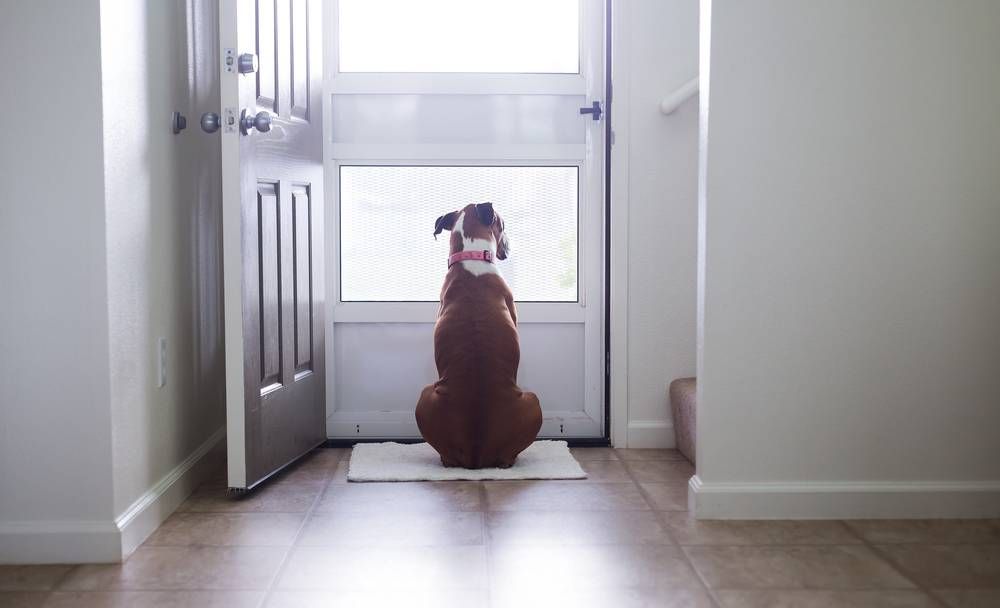
View 1 More +For a dog parent, going to work each morning and leaving their beloved furry friend home alone can be a heart-wrenching experience. However, for a dog suffering from separation anxiety, the absence of their owner can be truly agonizing. This often manifests in destructive behavior, excessive barking, and other signs of distress. Fortunately, with patience and the right strategies, you can help your dear furry friend overcome separation anxiety. Here are eight tips to guide you through the process.

What Is Separation Anxiety in Dogs?
Separation anxiety in dogs is a stress reaction when a dog is apart from their bonded person or people. Signs include excessive barking, whining or howling, destructive behavior, pacing, trembling, indoor accidents, and attempts to escape. Reactions vary from mild distress to extreme anxiety, leading to self-injury.
If you are unsure if your dog is suffering from separation anxiety, you may want to consider using a pet monitoring camera. Dogs with separation anxiety usually show signs of distress in the first 10 minutes or so of being alone. Several factors can contribute to a dog's development of separation-related problems, including genetics, past experiences, and changes in family dynamics, lifestyles, or routines.


The 8 Steps for Helping Your Dog Cope With Separation Anxiety
When it comes to helping your dog overcome separation anxiety, the aim is to change how your dog feels about being left alone by reducing their reliance on you and promoting relaxation when you're away. Unfortunately, there's no instant solution for stress-related behaviors; it takes time and patience. Given the complexity of treating separation anxiety, you should seek assistance from a vet and a veterinary behaviorist who can tailor a behavioral modification program specific to them and prescribe medication if necessary.
In the meantime, here are a few things to consider and tips you can implement at home to help.
1. Exercise Your Dog
Dogs are social animals and need adequate physical exercise. Ensuring your dog’s physical and mental requirements are met can set them up for success before you leave them and help them settle in your absence. Challenging games that stimulate their minds, such as finding treats hidden in puzzle toys or scenting games like "find the toy," can prepare your dog to relax when you're away.
Additionally, easy trick training, such as teaching them to "spin" or "high five," goes beyond just being cute and fun and provides mental exhaustion that allows your dog to rest. Complete these activities about 30 minutes before you leave the house to make it easier for your dog to adjust to your absence.
2. Keep Your Pup Busy While You’re Gone
For dogs with mild separation intolerance, giving them a treat-stuffed toy as part of your departure ritual can be helpful. However, you’ll need to be cautious with interactive food toys for dogs experiencing severe separation anxiety since repeatedly giving them the toys before you leave home can inadvertently show your dog that something negative is imminent.

3. Consider Using Medication
Anxiety interferes with learning, and sometimes, a veterinarian or veterinary behaviorist may suggest that prescription medications will be useful in conjunction with a behavioral therapy program. The decision to use medication will be based on the severity of your dog's behaviors and considerations about their welfare and quality of life. Medication can often be stopped once dogs have learned to cope on their own.
4. Create a Safe Space
Designate a cozy, safe space for your pup to retreat when you're not around. This could be a cozy corner with their bed, toys, and water bowl. Ensure this space is associated with positive experiences, like treats and your dog’s favorite toys!

5. Practice Short Absences
Gradually accustom your dog to your absence by practicing short departures. Start by leaving the house, or even just the room, for a few minutes, and gradually increase the duration over time. This helps desensitize your dog to your leaving and returning.
6. Use Desensitization and Counterconditioning Techniques
Use desensitization and counterconditioning techniques to help your dog become less anxious about being alone. A behaviorist can help you with this, but essentially, desensitization involves gradually exposing your dog to triggers of anxiety, such as picking up your keys or putting on your coat, without actually leaving so that any emotional reaction is minimal.
Over time, you gradually build up to leaving them for short, then more extended periods. Counterconditioning involves pairing the negative stimulus with something known to create a positive emotional response, such as treats.

7. Avoid Punishment
Punishment can worsen separation anxiety by increasing your dog's fear and stress. Instead of scolding or punishing your dog for anxious behavior, focus on positive reinforcement techniques like treats, praise, and rewards for calm behavior.
8. Be Patient and Consistent
Helping a dog overcome separation anxiety takes time, patience, and consistency. Be patient with your furry friend and celebrate small victories along the way. Consistency is essential for reinforcing positive behaviors and building your dog's confidence.


Final Thoughts
Dealing with separation anxiety in your dog can be challenging, but by using the proper methods, you can help your furry friend feel better when you're away. Look out for and recognize the signs, create a cozy space, practice short departures, stick to a routine, keep them mentally stimulated, exercise regularly, avoid punishment, and be patient and consistent. Seek professional help as soon as possible since an early treatment plan developed specifically for your dog has the greatest chance of success. Your love and support mean everything in helping your dog feel safe and happy, even when you're apart.
Sources
Featured Image Credit: Lori Jaeski, Shutterstock
Expert dog care, straight to your inbox
News, insights, expert advice, and everything dog.

No spam — unsubscribe anytime.
By signing up, you agree to our Terms & Conditions and Privacy & Cookies Policy.
How useful was this post?
Click a star to rate. You can leave written feedback afterwards. (We read all feedback.)

A biologist and science writer, Genevieve has a special fondness for capuchin monkeys, pumas, and kangaroos, which has inspired her to volunteer and work at wildlife rehabilitation centers in countries like Bolivia, Guatemala, Canada, and Australia. Now living as a Canadian expat in Argentina, she enjoys the sight of horses and cows outside her home office window every morning. Genevieve is the proud owner of three rescue dogs—Lemmy, Nala, and Pochi—and a lively kitten named Furiosa. She finds happiness and fulfillment in sharing her passion and extensive knowledge of animals with others.