Get

In Your Inbox

Dogster is reader-supported. When you buy via links on our site, we may earn an affiliate commission at no cost to you. Learn more.

Why Is My Dog’s Stomach Making Noises? 7 Likely Reasons (Vet Answer)


Share

woman touching dog's stomach on couch

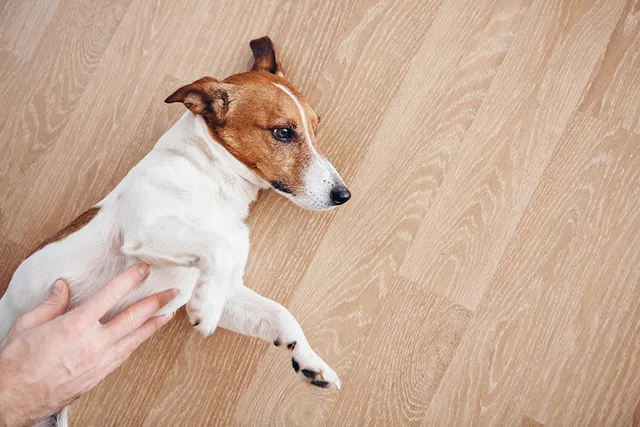
At some point in your dog’s life, you’re likely to hear their stomach gurgling, rumbling, and churning. This is very similar to the stomach noises we make ourselves, though you might be taken aback by your dog’s stomach making such loud noises. But are these belly growls a reason to be concerned? Most of the time, it is the result of normal digestive processes and will settle down within several hours. Other times, it can be a sign of an underlying disease process. This article will investigate why your dog’s stomach is making noises, seven common causes, and when you should seek veterinary attention for your canine friend.

If you need veterinary advice for your pet, we recommend PangoVet’s TeleVet service. You can have a video consultation with a real veterinarian from the comfort of wherever you are, no travel needed. PangoVet’s vets can provide you with personalized care and advice, and hopefully help ease your mind.

💛 🐶 Speak to a Veterinarian Online From the Comfort of Home
PangoVet_Mention-in-Content_v10_Oct-18-2024 copy

If you want to speak with a vet online, head to PangoVet and get the personalized advice you need for your pet — all at an affordable price!

Please note that PangoVet does not offer prescriptions and is not for medical emergencies.

Dogster divider_v1_NEW_MAY_24_

The 7 Reasons Your Dog’s Stomach Is Making Loud Noises

Your dog’s loud stomach noises are referred to in veterinary and medical circles as “borborygmus.” They are the result of air and fluid moving through the digestive tract in a process called peristalsis. Peristalsis is the rhythmic, wave-like contraction of the smooth muscle lining the stomach and bowels, and its purpose is to move food and fluid from one end of the digestive tract to the other.

While we commonly refer to them as “stomach noises,” the sounds you hear are just as likely to originate from the small or large intestines. If you’ve noticed your dog’s abdomen making noises, either louder or more frequently than normal, what could be causing it?

1. Hunger

Yes, hungry dogs make stomach noises just like we do. When dogs get hungry, their stomach releases digestive enzymes or “juices” in preparation for the next meal. This fluid, combined with a mostly empty stomach, can make audible sounds in your dog’s belly. These rumbles and squeaks should subside when your dog eats their next meal.

Dalmatian dog eating dry food from a bowl
Image credit: Sergey Fatin, Shutterstock


2. Air Ingestion

When dogs eat too fast or pant for a long period of time, they swallow air. The increased volume of gas in the stomach can cause burping, but it can also cause loud stomach noises. The muscular lining of the stomach contracts in an effort to move the gas through to the bowels, resulting in noticeable stomach noise.


3. Diet

Many dogs are used to eating the same food every day, and their stomach gets used to it too. If you change your dog’s diet, or if they’ve mischievously scavenged something unsavory, their stomach has to adapt to this new food. The result of the stomach working harder to digest the new food and often producing more gas in the process is an increase in stomach noises.

person rubbing dog's stomach
Image Credit: Tursk Aleksandra, Shutterstock

4. Digestive Disease

The four causes of increased stomach noises described above are relatively benign. They are the result of normal digestive processes or changes, and will often diminish with time. However, stomach noises can also be a warning sign for more concerning digestive diseases.

There are too many of these to explore in detail, but some common ones include:
  • Inflammatory bowel disease (similar to IBS in humans)
  • Pancreatitis (inflammation of the pancreas)
  • Exocrine pancreatic insufficiency (lacking digestive enzymes)
  • Gastrointestinal infections (viral, bacterial, or protozoal)
  • Gastrointestinal obstruction (ingestion of a foreign body, such as a rock or toy)

5. Diarrhea

Diarrhea occurs when the stools are looser or more liquid than normal. Inflammation in the bowels often leads to increased peristalsis and, as a result of this, increased gut sounds. There are many causes of diarrhea, ranging from infections and food allergies to diet changes and hormonal disease. If you have noticed significant stomach noises suddenly coming from your dog, it could be a sign that diarrhea is imminent.


6. Medications

All medications are prescribed with the purpose of fixing a medical problem. However, all medications can also cause an upset stomach. Antibiotics, anti-inflammatories, and many other medications can all lead to increased stomach noises.


7. Bloat

Nurse helping vet examining stomach of labrador retriever dog
Image Credit: Dragon Images, Shutterstock

Bloat is the most concerning cause of increased stomach noises. The technical term for this condition is “gastric dilatation and volvulus” or “GDV.” In this condition, the stomach suddenly distends and twists on itself, cutting off its blood supply. Large and giant breed dogs with a deep chest are most commonly affected by GDV. Early signs are retching and increased stomach noises, but the problem quickly progresses to cause a large, bloated abdomen and life-threatening sepsis.

Dogster divider_v1_NEW_MAY_24_

Conclusion

If you notice your dog’s stomach making loud noises but he or she appears otherwise completely fine, it is reasonable to take a “watch and wait” approach. The sounds may reduce and then disappear. However, if your dog has increased stomach noises and is showing signs of being unwell, you should arrange to have them checked over by a veterinarian. Common signs of illness include vomiting, diarrhea, loss of appetite, or labored breathing. And, of course, if you notice your dog’s abdomen distending, seek veterinary care immediately.

See Also:


Featured Image Credit: DimaBerlin, Shutterstock

Want content like this delivered to you?

Sign Up For Our Newsletter

News, insights, expert advice, and everything dog

* By submitting, you agree to our Terms & Conditions and Privacy & Cookies Policy.


How useful was this post?

Click on a star to rate (you can leave written feedback after clicking submit)

Help us improve Dogster for pet parents!

Your feedback really matters.

What did you like about this post? Also how can we improve it?

Join the conversation

Leave a Reply

You’re very welcome to leave a comment or question. Please know that all comments must meet our community guidelines, and your email address will NOT be published. Let’s have a positive and constructive conversation.


Talk With A Vet Online

Peace of mind,
anywhere, anytime

Affordable vet advice

How Long Will It Take for a Dog Ear Hematoma to Go Away? Vet-Approved Facts

An ear hematoma (also referred to as an aural hematoma) is an uncomfortable blood clot that occurs inside of a dog’s ear flap....

How Fast Can a German Shepherd Run? Average & Max Speed

Four-legged animals and birds have an advantage over humans. Many can outrun us, even if it’s just for short jaunts. Because of these...

How Much Does It Cost to Own a Golden Retriever? Price Guide 2026

Golden Retrievers are one of the most popular dogs to own in the United States. They are gentle, friendly, affectionate, intelligent, and loyal...

Great Dane vs. Mastiff: What’s the Difference? (With Pictures)

Both the Great Dane and Mastiff have a substantial presence—heavy-bodied, gentle giants with loyal reputations and incredible personalities. But these dog breeds are...

More related

Safe Paw Ice Melter Review 2026: A Pet-Friendly Way to De-Ice

Icy sidewalks and excited dogs do not mix. Another thing that typically doesn’t go well together? Pets and ice melt products. Even products...

Labrador Retriever Puppies for Sale in Australia: 2026 Breeders List

Labrador Retrievers are one of the most popular dog breeds in the world. It is little wonder why, as they are loving, loyal,...

Rottweiler Great Dane Mix: Info, Pictures, Temperament & Facts

The Rottweiler Great Dane Mix is a massive, powerful dog that can weigh up to an astonishing 165 pounds. Black with brown markings,...

8 Off-Leash Dog Parks Near Reston, VA (2026 Update)

Dogs need socialization. While you may be their best friend, getting to know other people and their dogs is a great way for...

Keep reading

Can Dogs Eat Mint? Vet Approved Facts & FAQ

What do you think of when you think of mint? Fresh breath, spruced-up salads, smoothies, and mojitos. But have you ever wondered if your dog can have mint? Smelly dog breath is a common complaint, so is it okay to...

can dogs eat mint

Scheduled vs Free Feeding Dogs: Vet-Verified Comparison, Pros, Cons & Facts

You may just scoop up a cup of dry kibble and toss it into your dog’s bowl every day, without giving it a second thought. But if you want more information about the two main types of feeding—scheduled and free...

Golden Retriever dog eating

10 Best Dog Foods for Lhasa Apsos in 2026 – Reviews & Top Picks

Lhasa Apsos are small, compact dogs that are often admired for their long, silky hair. However, it’s important not to be fooled by their size. These larger-than-life dogs have a lot of energy and are incredibly hardy dogs. As with...

lhasa apso

5 Easy Dog-Friendly Recipes You Can Try at Home

It’s so easy to make your dog one of these five dog-friendly recipes: The Top 5 Dog-Friendly Recipes 1. Turkey-Rice Casserole This recipe makes a great everyday meal, especially with the addition of homemade gravy. Ingredients: Directions: In a large...

Dog-Friendly Recipes You Can Try at Home

Can Dogs Have Vanilla? Vet-Verified Nutrition Facts & FAQ

Vanilla is a common additive that is used to flavor sweet treats like cake, biscuits, and ice cream. Although some people keep and use the pods in their culinary efforts, most homes have vanilla extract, which is made by combining...

Dogster-Can-Dogs-Have-Vanilla

Can Dogs Eat Prosciutto? Vet-Approved Facts

Prosciutto is the Italian word for uncooked and dry-cured ham, which is a processed human food that is made from pork. This deli meat is often eaten on crackers or bread, and it was originally intended for human consumption. Some...

Can Dogs Eat_prosciutto

Can Dogs Eat Trout? Vet Reviewed Facts & Info

Are you considering giving your dog some tasty trout? You may be wondering if this popular fish is safe for them to digest. So, can dogs eat trout? To cut a long story short, yes they can, but it’s only...

Can Dogs Eat_trout

Can Dogs Eat Shrimp? Vet-Verified Facts, Benefits & Risks

It’s no secret that our dogs absolutely love meat! They will salivate by our dinner plates anytime we have a nice slab of steak or chunk of chicken. You might already know that you can give your dog some boiled,...

Can Dogs Eat_Shrimp

Love Dogs? So Do We! Join the Dogster Community

Stay informed with expert pet care insights delivered straight to your inbox! Discover professional guidance on animal behavior, feeding tips, trusted product picks, and much more.


Sign up for the Dogster Email Newsletter