How to Stop Your Dog From Barking at Neighbors: 7 Vet-Approved Tips


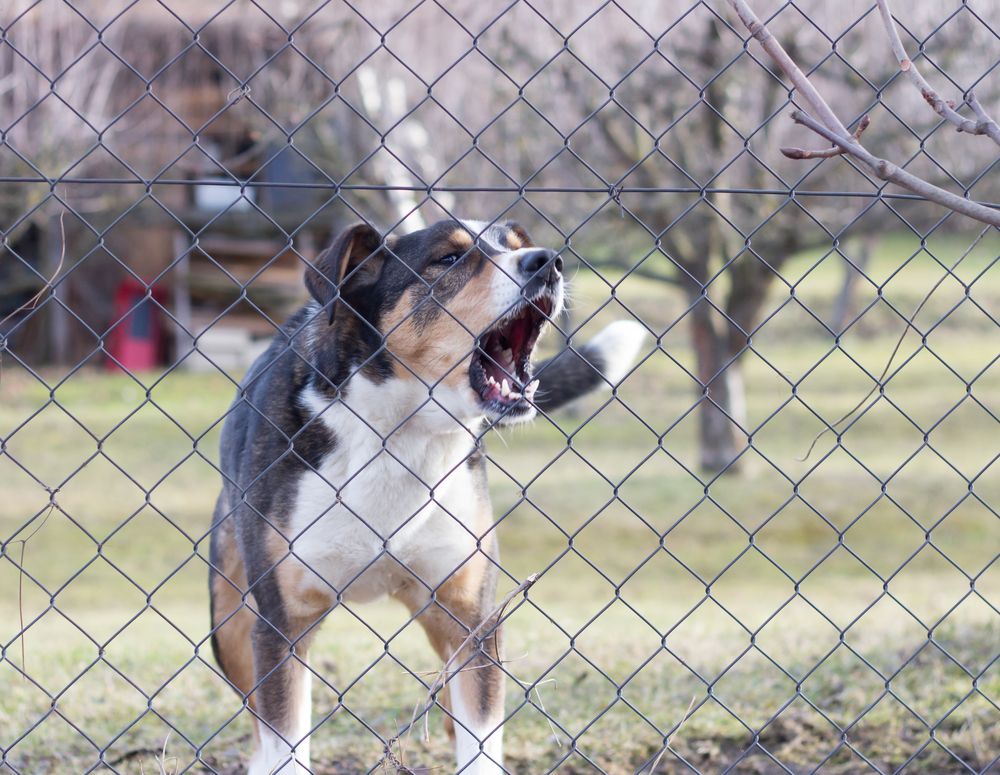
Whether you need to borrow a cup of sugar or return a piece of misdelivered mail, having a good relationship with your neighbors pays off. Maintaining a rapport doesn’t typically take much effort, but you can quickly sully it by making their life inconvenient, irritating, or unsafe. If you're a dog owner, you know well enough that constant barking is one of the quickest ways to wreck that relationship.
Some dogs have a natural affinity for barking, and most dogs will vocalize to some extent to express excitement, frustration or fear. Though expected in many cases, it’s rarely appreciated. When the noise starts to disturb the neighborhood, you can save face and keep the peace with these tips and tricks to stop your dog from barking at the neighbors.

The 7 Vet-Approved Tips to Stop Your Dog From Barking at Neighbors
1. Identify Triggers and Control Exposure
Eliminating causes for barking will prevent your dog from wanting to do it and subsequently push the behavior toward extinction. Identify the times of day, places, and circumstances surrounding your dog’s behavior. Once you understand the pattern, you can anticipate and stop your dog’s barking before it can happen.
Sometimes, this may be as easy as closing the curtains or putting your dog in a different room when the neighbors are out. Outside, you may have to install additional fencing or screens to keep your dog from seeing your neighbor or getting close enough to react to whatever triggers them.
If you can peg the barking to specific times, you can significantly reduce it by changing your routine to have your dog outside when the neighbors won’t be around to trigger them. Knowing the signs and situations when your dog is likely to bark will also help you preemptively avoid the behavior.

2. Remove Your Dog When They Start to Bark
Barking is self-reinforcing, so no matter how you respond, letting your dog bark will often increase their likelihood of doing it again later. The simplest solution is usually to remove them from the stimulus. If your dog is outside and begins barking, call them inside and offer a reward for obeying.
3. Talk to and Mobilize Your Neighbors
Discussing your dog’s barking with your neighbor and asking for their help will make it easier to control situations where your dog might do it and counter-condition them against the behavior. Plus, it’s nice to talk with the neighbors to clear the air and apologize for any disturbances the barking causes.
Getting your neighbor’s help with training can occur no matter how or when your dog’s barking occurs.
If your dog is inside and barks at your neighbor as they arrive home from work, ask your neighbor to text you when they’re on the way so you can prepare to distract and reward your dog for not barking. Alternatively, you can arrange for your neighbor to be in their yard while you train and engage your dog in their presence.

4. Play With Your Dog When the Neighbors Are Out
Playing with your dog when the neighbors are in their yard can accomplish a few goals toward stopping the barking. It distracts them from barking, preventing them from practicing the behavior. Your dog also enjoys a fun outlet to help them feel comfortable with the neighbor outside. Finally, vigorous play is tiring, making dogs more docile.
Play a game of fetch, tug of war, or hide and seek with your dog when your neighbor is out. When you're done playing, give your dog a chew to enjoy outside to distract them from the neighbor while still in their presence. Monitor your dog when they finish, and call them in if they begin barking.
5. Have Your Dog Meet Your Neighbor at Their House
If your neighbor seems threatening to your dog, you can introduce them to show there is nothing to fear. A meeting will also demystify the neighbor for your pet. Strange sounds from unseen sources can ignite a dog’s curiosity, and they may bark out of frustration from not investigating the person beyond the fence. Once they know the neighbor, that excitable interest may fade.
Introduce your dog to your neighbor at their house, ideally catching them while you’re on a walk. Meeting outside and away from your property will limit territorial stress, promoting a better experience.
Let your neighbor talk to your dog and allow them to sniff and interact with your neighbor while staying within their respective comfort zones. Offer treats to your dog and praise their calm behavior. Your dog will build positive associations with your neighbor, making them more comfortable with their presence and less likely to bark.

6. Thank Your Dog and Create a Cue to Quiet Down
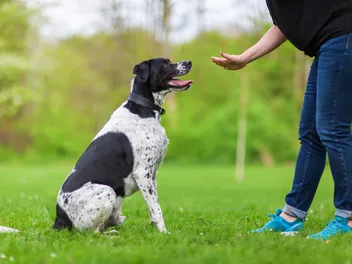
A common trick to get over barking behavior is to thank your dog when they start barking rather than punish them. When they get a couple of barks out of their system, acknowledge your dog’s efforts with a quick “thank you,” “okay,” or “enough.” Then, have them come to you so you can give a reward.
Eventually, your dog will expect your reaction and respond quickly to your cue. You can also practice this without any stimuli, so your dog isn’t distracted as they build the association between your call and their reward. To make life easier, ask your neighbor for help so you can plan some real-world practice for your dog.
7. Reward Your Dog for Being Quiet
As you redirect your dog’s barking, you should reward their silence. Some of this involves capturing quiet behavior. For instance, if your dog stays calm when your neighbors come home (or another time when they might usually bark), offer praise and treats for the good behavior.
Alternatively, you could train your dog to bark on command so you can train a “quiet” cue. Capturing your dog’s bark and labeling it with a cue to reward will put it on command. From there, you can train your dog to stop with a “quiet” command and a reward when they go silent.
Training this takes time and patience. You shouldn’t rely too heavily on the “quiet” command and risk poisoning it. Say the cue, and if your dog doesn’t stop barking at the neighbors after 1–2 tries, remove them from the situation and take a few steps back with your training.

Conclusion
Barking is annoying but mostly harmless, and you should not punish your dog for something that comes naturally to them. Instead, work with the behavior, giving your dog fewer reasons to bark at the neighbors and making silence more rewarding. Practice, patience, and persistence will get you the desired results, and sticking with these tips will ensure you achieve them in the fewest steps possible.
Featured Image Credit: Carlos Amarillo, Shutterstock
Expert dog care, straight to your inbox
News, insights, expert advice, and everything dog.

No spam — unsubscribe anytime.
By signing up, you agree to our Terms & Conditions and Privacy & Cookies Policy.
How useful was this post?
Click a star to rate. You can leave written feedback afterwards. (We read all feedback.)
Nicole has loved animals of all sizes her whole life so it's no wonder she has dedicated her career to helping them through what she loves best: learning, writing, and sharing knowledge with others. She’s the proud mom of two dogs, a cat, and a human. With a degree in Education and 15+ years of writing experience, Nicole wants to help pet parents and pets around the planet to live happy, safe, and healthy lives.