In this article
View 8 More +A magical time in a puppy’s development begins when they are 10 weeks old. At this age, most puppies find themselves separated from their mothers and littermates for the first time in exchange for their forever homes. If you have recently welcomed a puppy into your life and are not quite sure what to expect at 10 weeks, we can help. Read on to learn everything you need to know about your pup’s behavior, development, sleep, training, and more.

Development of a 10-Week Old Puppy
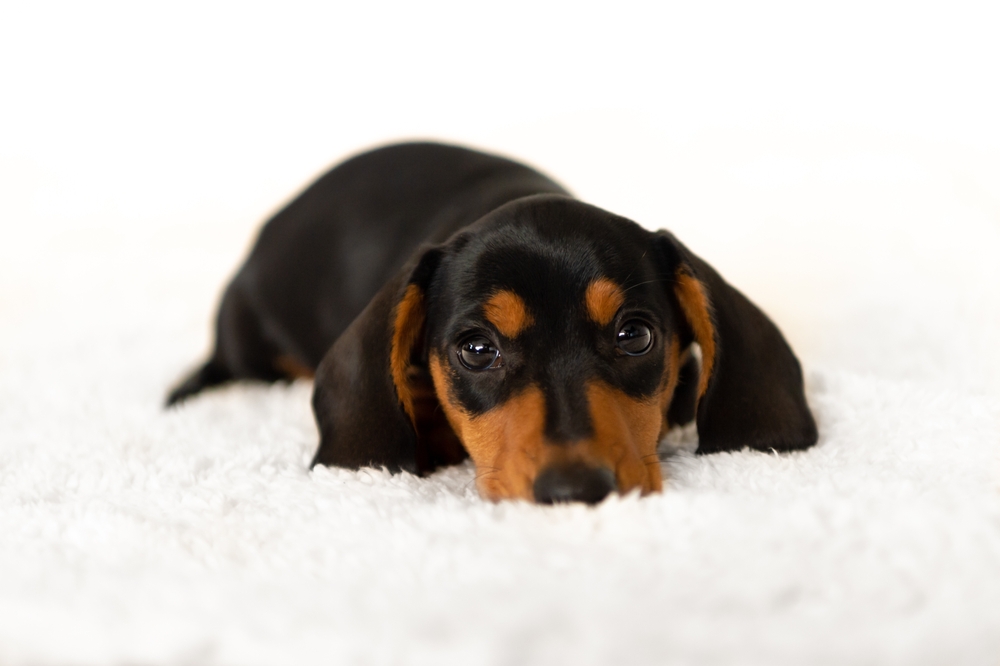
The most common time to be paired with their forever homes happens when a puppy is between 8 and 12 weeks of age, so your pup is likely very new to your home. This critical development period is known as the first fear imprinting stage. Practice handling your puppy during this stage so they can get accustomed to being held and touched.
When your pup is between 8 and 11 weeks old, they’ll go through their first of two fear impact periods. Since this period happens when you’ll be bringing your new pet home, you must tread carefully so as not to traumatize them. Your puppy is very impressionable at this age, so you’ll need to be cautious about what you’re exposing them to. If your pup goes through a scary experience, the repercussions can last their lifetime.
You should expect your pup to react with fear in some situations. Some creativity may be necessary to find ways to introduce new sounds and sights to your dog. Keep every new experience as upbeat as possible, and make sure you always have rewards on hand for a job well done.
Behavior
A 10-week-old puppy is eager to learn as much as possible about their environment. They’ll explore the world with all their senses, so you need to ensure your home and yard are safe for them to do their investigating. Puppy-proof your space by removing any objects that could get you into trouble.
- Ensure electrical cords are out of reach
- Lock up your trash cans
- Cover outlets
- Secure heavy furniture
- Tie up your blinds and curtains
- Evaluate the safety of your plants
- Cover furniture
- Store chemicals behind locked doors

Sleep
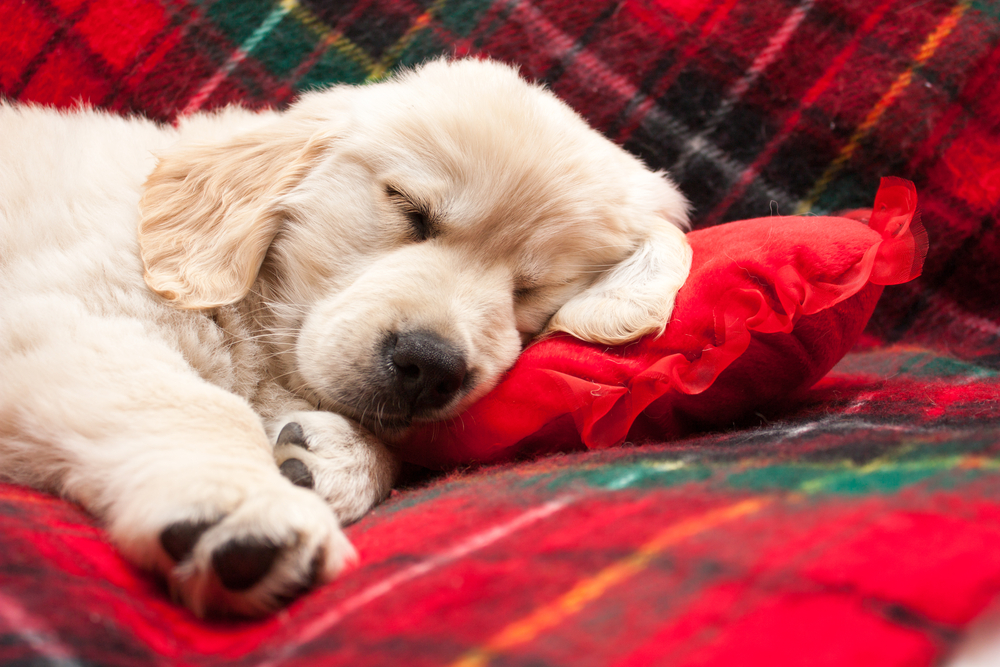
Puppies between 10 and 12 weeks old need around 18 to 20 hours of sleep per day. Their little bodies are still expending a lot of energy growing, refining their motor skills, and processing a whole lot of new information. Please allow them to rest as needed for healthy development, and do not allow anyone to wake up a sleeping puppy.
Training
Your 10-week-old puppy’s brain is rapidly developing, and they’re incredibly impressionable. If you haven’t already started, this is the ideal age to begin training and socialization. Puppies will learn very quickly during this critical phase of development, so it’s recommended to take advantage of these skills. The key is catering your training sessions to your puppy’s short attention span. Keep training sessions short, between 5 and 10 minutes, and ensure you follow them up with some play sessions.
Before puppies are 16 weeks old, most will have problems controlling their urine and feces. Please keep in mind that their tiny bladders can not be held for more than an hour more than their age in months, so at 10 weeks of age, you should be taking your puppy out at least every 2 hours. If you are not on top of it, they’ll have frequent accidents in your home.
Know that at this age, your puppy can not make it through most nights without peeing, so you will need to put an alarm to bring them out every couple of hours. This not only sounds tiring but it actually is tiring, but know that it is not forever. As your pup matures, they will develop bladder control.
House training should begin the second you bring your pup home, but during this stage, you should be prepared for slow progress and some setbacks. Try to stick to a regular schedule and get used to taking your pup outside as soon as you wake up and then every 2 hours, as well as about 15 minutes after they eat and drink, and just before going to bed. Offer plenty of rewards when they pee or poop in your designated potty spot.
Diet
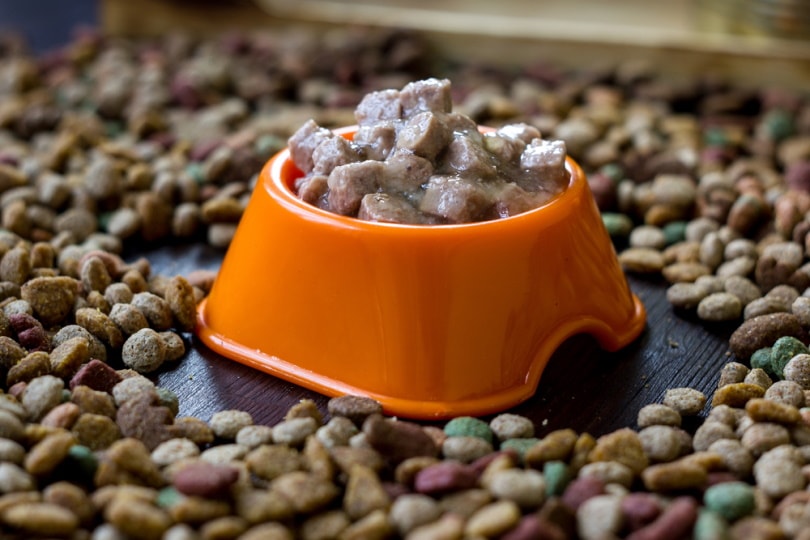
If possible, your 10-week-old puppy should remain on the same diet they were started on after being weaned off their mothers. If you find you need to change their food for whatever reason, allow your pet a few days or weeks to adjust to their new environment before choosing a new food. It’s important that you also slowly transition them to avoid gastrointestinal upset.
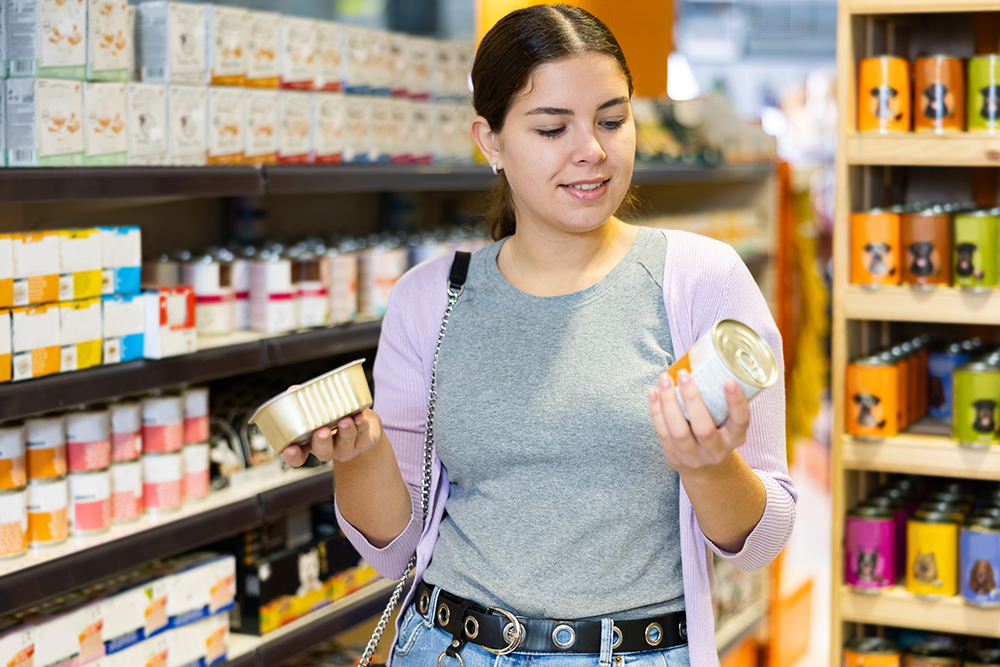
Nutrition is essential at this key stage of development to ensure your pet is achieving healthy growth (not growing too slowly or too quickly). A good diet can also optimize your pup’s immune system, minimize their potential for obesity, and even reduce their risk of developing orthopedic diseases. Your pup will not grow or thrive without proper nutrition, so you must feed them high-quality food labeled for growth.
A veterinary team will be a key resource in determining what and how much to feed your puppy at this stage of development. Every pup is unique in its nutritional needs, so we recommend reaching out to a vet for advice. They’ll take your dog’s current body weight, body condition score, and breed size into account when making recommendations.
If you need to speak with a vet but can't get to one, head over to PangoVet. It's our online service where you can talk to a vet online and get the personalized advice you need for your pet — all at an affordable price!

Preventive Health
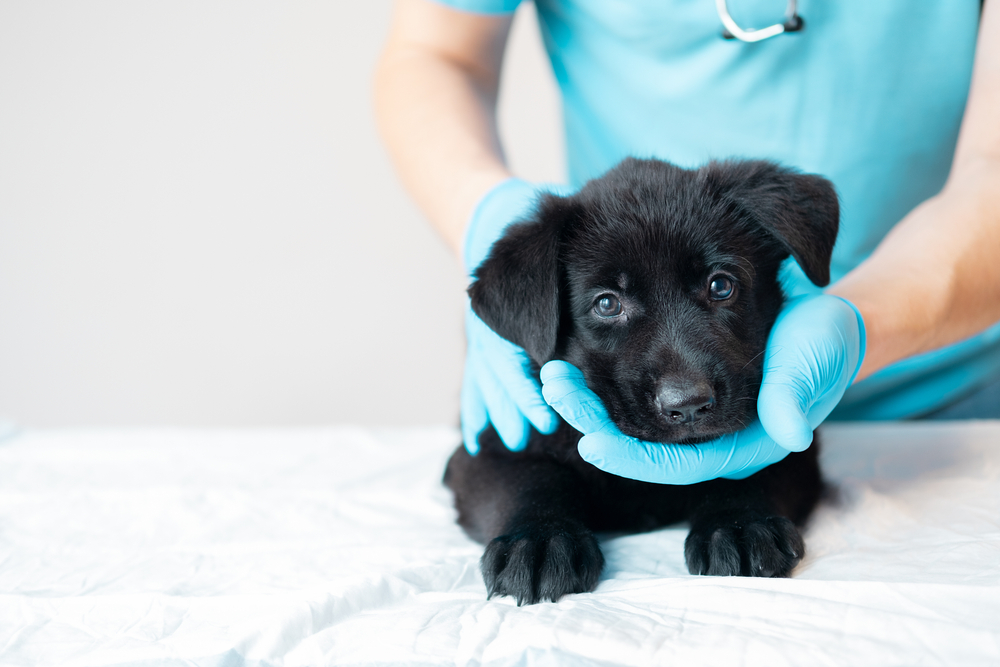
At 10 weeks of age, your puppy should have had at least the first round of core vaccine DAPP, which protects them against canine distemper virus, canine adenovirus types 1 & 2, canine parainfluenza virus, & canine parvovirus. According to the time when their first vaccine was applied, they should be already scheduled for the second round of DAPP, which is usually recommended 2 to 4 weeks after the first application.
Some of the non-core vaccines that a 10-week-old puppy might get are Bordetella, leptospirosis, Lyme and/or canine parainfluenza. Follow your veterinarian’s recommendations, as they are the best people to advise what is necessary for your puppy according to the laws, risks, prevalence, and the dog’s health and schedule’s progression.
Grooming
The sooner you can get your dog used to short grooming treatments, the better. Your pup’s first visit to the professional groomer will come anywhere between 12 to 16 weeks, but it’s never too early to get them used to seeing brushes and nail clippers. A pup can be brushed at home daily, but keep sessions short and pleasant. Offer tons of praise and a high-value treat at the end of your home treatments. The key is keeping your grooms enjoyable so they can create positive associations that’ll come in handy when it’s time to go to the professional groomer.
If your puppy hasn’t had their first bath yet, now is a good time to do it. We recommend using a puppy-friendly shampoo to help clean their coat.
Tip: Remember, your pup may be going through a fear phase, so don’t push the idea of brushing or bathing if they’re clearly uncomfortable.
Exercise
At 10 weeks, your puppy is not yet fully vaccinated, so they’re not quite ready to tag along with you to the dog park or play with other animals.They can, however, go for car rides, play in your yard, and meet your neighbors.
Puppies often have very high energy levels and will need an outlet for this energy. However, it’s important to avoid giving them too much exercise as their joints and bones are still developing. This is especially true if you have a larger breed puppy.
A good rule of thumb is that your pup should have around five minutes of exercise twice daily for each month of their age. A 10-week-old should then get around 10 minutes of physical activity twice a day. Of course, we recommend confirming this with your veterinary team, as your pup may have different needs depending on their health and breed.
Taking them for a walk around the yard is a great way to give them some exercise. Walking them in a harness will be great, as you can start desensitizing them to it and use it as training for when they can finally go to the park.
Once your pup has the first two rounds of vaccines, it’s safer for them to start socializing with dogs with a known vaccination status and good health. Just remember to avoid other unfamiliar dogs until your pup is fully vaccinated.

Play
Ten-week-old puppies are super playful and need access to puppy-safe toys they can chew and chase. You’ll want to be careful not to use your hands during play as your pet may not know the difference between their toys and your fingers. This will also prevent your pup from getting confused and prevent biting and nipping, which can be challenging to correct down the line. You can also begin introducing puzzle toys at this age to help stimulate their brains.
Final Thoughts
A 10-week-old puppy is an absolute joy to have around the home, but you should expect them to be a lot of work, too. Your puppy will be active and curious at this age, and because they’ll be so impressionable, it’s the perfect time to really start focusing on training. However, remember that your puppy could be going through a fear period at 10 weeks of age, so tread carefully when exposing them to any new people or environments.
See also:
Featured Image Credit: anetapics, Shutterstock