How to Introduce a Puppy to a Dog: 7 Vet-Approved Tips

In this article
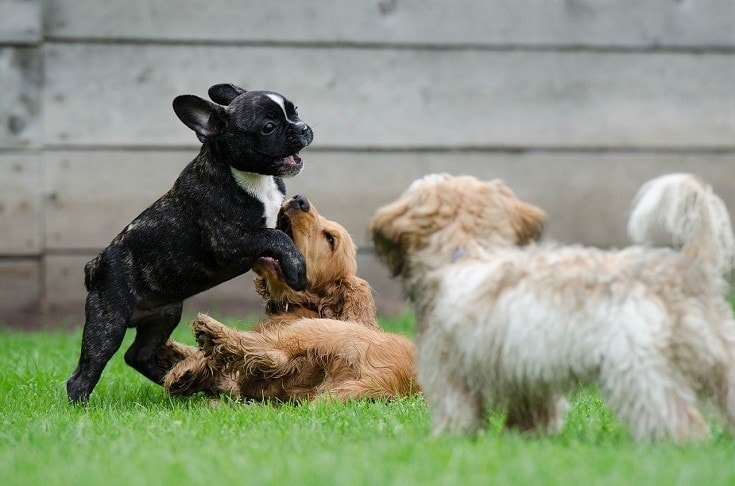
Early socialization is vital for puppies to grow up healthy and confident. Therefore, it’s a top priority to introduce your puppy to new situations and other dogs throughout their puppyhood.
When socializing puppies, it’s important to keep interactions short and not overwhelm them so that they can build positive associations with other dogs. Here are some practical tips to help your puppy make new friends.

Before You Start
Puppies can be a handful, and not all adult dogs will like being around them. Therefore, make sure to find dogs that have patient and gentle temperaments. Some dogs may be too aggressive or snappy around young puppies, and this can discourage puppies from interacting with other dogs.
Take some time to do your research and find dogs that enjoy being around puppies. While early socialization is important for puppies, remember that your puppy must have at least the first round of vaccinations before being exposed to other dogs. You should also ensure that the dogs they meet are healthy and fully vaccinated. Once your puppy completes that vaccination schedule, they can be exposed to other puppies.
You can then find appropriate playmates by attending puppy socialization classes arranged by dog trainers. Some dog trainers may provide socialization opportunities by letting their own well-trained dogs interact with your puppy.


The 7 Tips to Introduce a Puppy to a Dog
1. Exercise Your Puppy Beforehand
Puppies can get really excited or overwhelmed when meeting a new dog. It’s helpful to exercise them beforehand to expend excess energy. It’s likely that they’ll still feel excited or reach a heightened state when they see another dog, but exercise can help calm them down more quickly. So, try to go on a walk or play some active games with your puppy before you head out to meet a new dog.
2. Find a Neutral Meeting Place
Find a neutral meeting place for your puppy and the other dog. Some dogs can be very protective of their homes and may be resistant to letting other dogs inside, even if they are tiny or have friendly personalities.
A third-person, family, or friend’s place is a good neutral meeting place. Try to find a location that doesn’t have very many people or other dogs to keep your puppy focused and prevent them from getting distracted or overstimulated.

3. Separate Your Puppy With a Gate
Sometimes, it’s helpful to keep your puppy and the other dog separated by a barrier during initial meetings. A see-through gate can help your puppy feel safe because the other dog won’t be able to reach them. If you’re outside, it can be helpful to bring a playpen and let your puppy stay inside it while the other dog remains outside.
4. Allow Your Puppy to Approach the Dog First
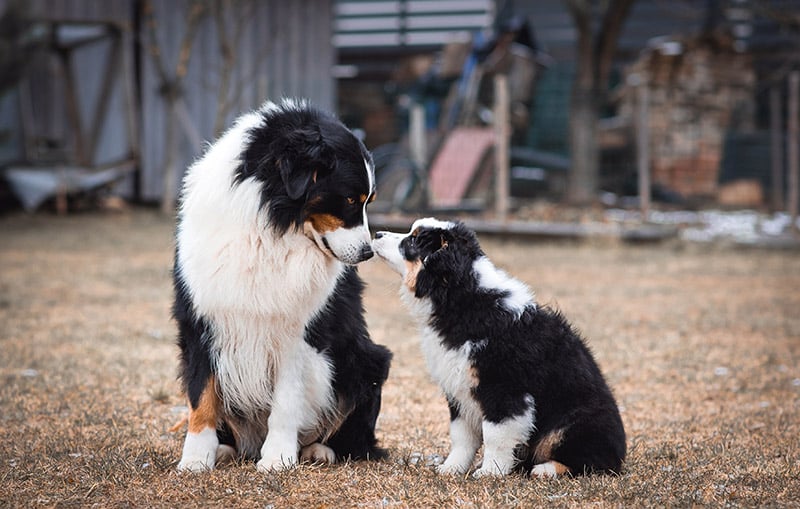
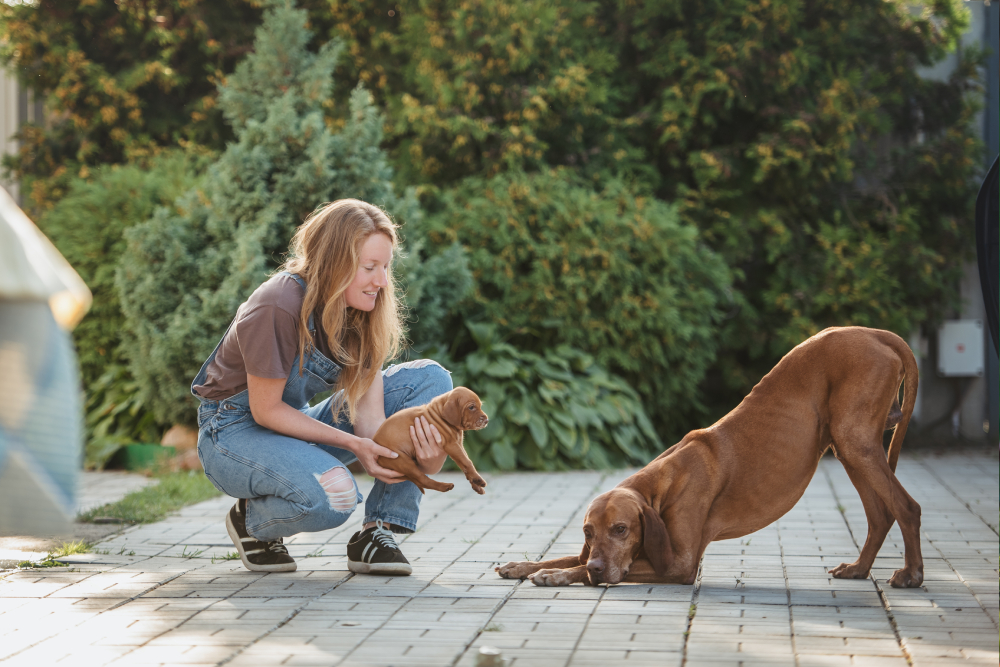
Keep both dogs leashed and have the other dog rest comfortably by their owner’s side. Slowly let your puppy approach the dog on their own at their own pace. Don’t force your puppy to get closer to the other dog if they’re feeling hesitant or nervous. Let their own curiosity drive them to get near the other dog.
Some puppies are more social and will run to other dogs right away. Shy puppies often take more time, and their first interaction with a new dog may not even involve coming in contact with them. They may just prefer to stay at a safe distance and slowly work their way to getting closer to a dog over a span of multiple meetups.

5. Praise and Reward Your Puppy and the Adult
Encourage your puppy with praise and rewards whenever they interact with another dog appropriately. Make sure to also be mindful of your own tone of voice and emotions because your puppy will pick up on how you’re doing. If you’re feeling nervous, your puppy will notice it, and it’s very likely they’ll mirror your behavior. Staying calm will help your puppy feel at ease and build their confidence when interacting with a new dog.
Since this is a socialization, you should simultaneously reward the adult dog as well. Consider having a second person do it if this is necessary, but what is important is that they both get rewarded. Both dogs are being encouraged to allow each other to get close, and you are helping them build a positive association with each other’s presence.
6. Keep Initial Interactions Short
New experiences can be overwhelming for puppies, so make sure to keep initial meetups with other dogs short. Some puppies will do well with just a couple of minutes of socialization. You can gradually increase the length of time your puppy spends with another dog as they get more comfortable and used to being around other dogs. If your puppy ever wants to leave, honor their request, and take a break. You can try to reintroduce your puppy to the other dog after a few minutes or schedule another meetup at a later date.
However, keep in mind that your goal would be to have them end on a positive note, so ideally, you should separate them as soon as you have reinforced them. This will leave them wishing for more, and maybe next time you can reinforce them a couple of times before separating them, but try to end the interactions while both dogs are in a positive mindset. Right now, quality time is more important than quantity.

7. Always Ask Before Approaching a Stranger’s Dog
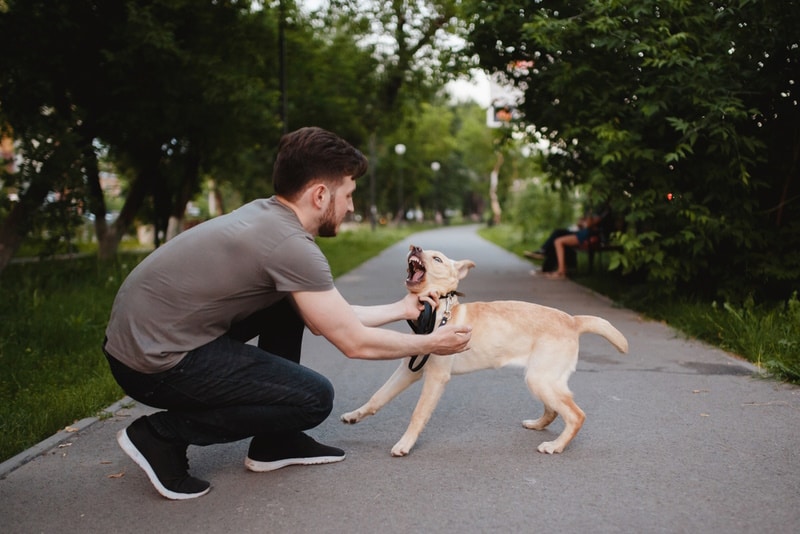
It’s important to train your puppy to behave appropriately when encountering other dogs when out and about on walks. Once your puppy has met a few friendly dogs and completed their vaccination schedules, you can start letting them approach dogs that you happen to meet while walking. However, make sure to ask the dog owner if their dog likes puppies before letting your puppy meet them. If the dog owner confirms that their dog is friendly, you can let your puppy approach them.
It's common for puppies to get excited and get tangled up in their leashes when meeting new dogs on walks. Therefore, monitor your puppy closely and gently guide them away from the dog if they’re getting overexcited.
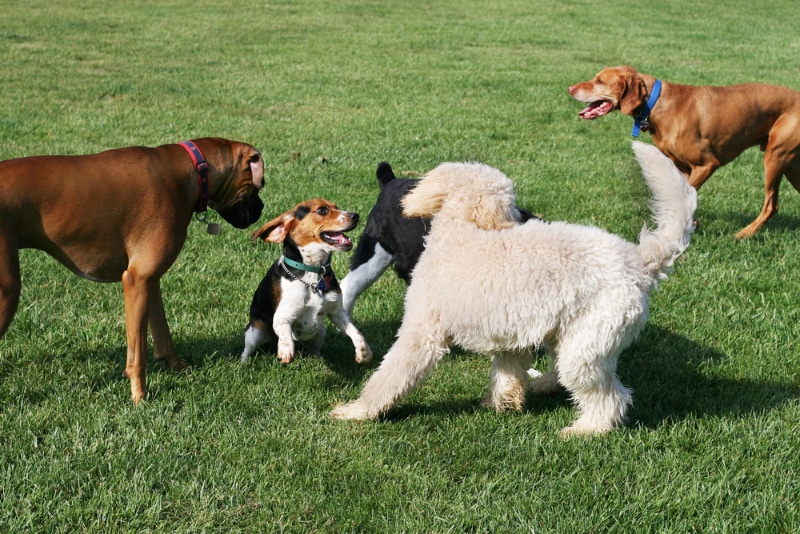
Keep an eye out for body language though. While the idea is to create a confident and friendly puppy that interacts nicely with other dogs, remember that not every dog likes every other one. Even if the owner has confirmed they are friendly, you should never assume and always ensure the interactions are positive.
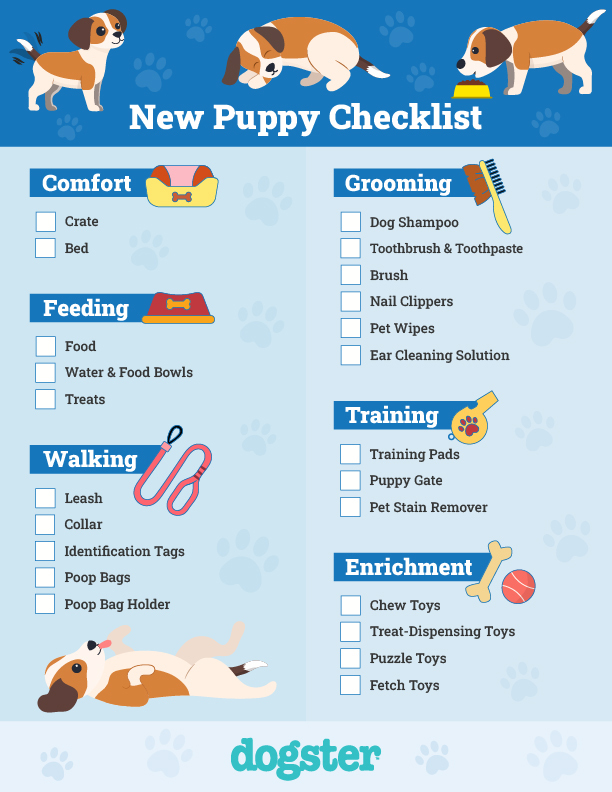
New Puppy Checklist

Conclusion
Some puppies are very social and will enjoy the company of other dogs immediately. Others can take extra time to get used to being around other dogs. Early socialization is important, but keep in mind that vaccinations and health come first. Also, consider that not all dogs will be social butterflies, and some will be more introverted and prefer human company over canine company. So, make sure to pay attention to the adult's behavior and body language and your puppy’s comfort level.
Quality over quantity of time is important for your puppy to learn to socialize with other dogs, and you don’t want to push it. This will ensure your puppy has positive associations with being around other dogs and will help them learn to behave appropriately in social situations.
See Also:
Featured Image Credit: valery.kruk, Shutterstock
Expert dog care, straight to your inbox
Vet-reviewed advice, training tips, and the best of Dogster. Free, and you can unsubscribe anytime.
By signing up, you agree to our Terms & Conditions and Privacy & Cookies Policy.
Jessica is a freelance writer who spends bigger part of her day researching and writing while her furry companion Cavapoo, Nora, snoozes beside her. She loves dogs, pets and animals because there’s so much to learn from them, and they do so much for us. As a dog mom, she understands the strong connection that pet parents have with their pets. So, she loves sharing helpful information that pet owners can use to better understand their beloved pets. When she isn't writing, you may find her walking dogs, tending to her plants, or drinking her nth cup of coffee.
Join the conversation
Ask a question, share your story, or send private feedback.