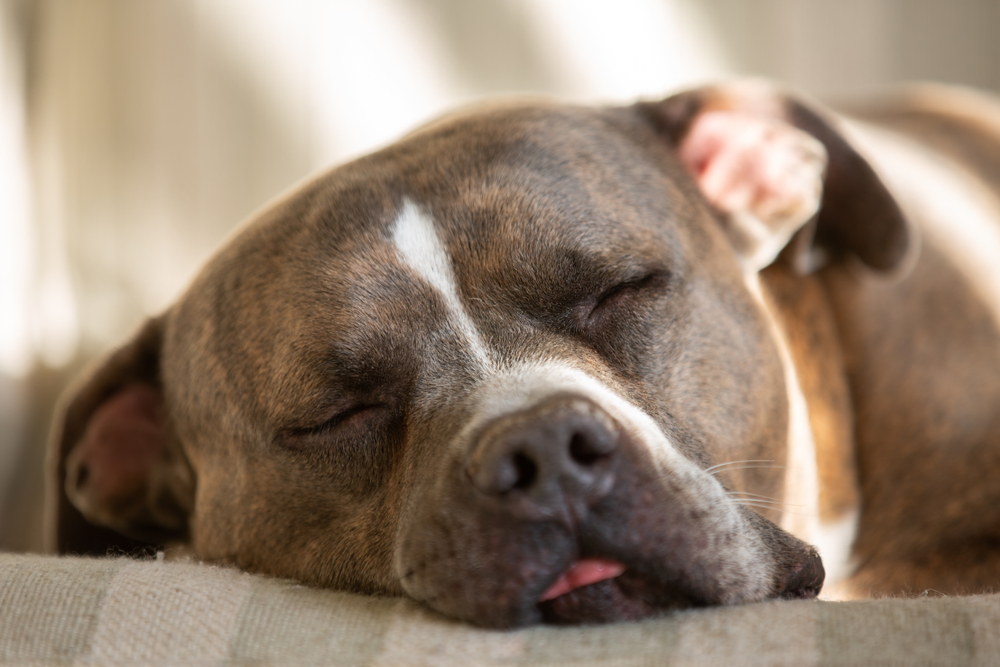
You’ve seen it a hundred times: your dog spins once in their bed, sighs, and instantly drifts into dreamland. Meanwhile, you’re still staring at the ceiling, wondering how on earth they fall asleep that quickly.
Is it a superpower? A canine quirk? Or is your pup just better at life than you are?
As it turns out, there’s solid science behind why dogs can doze off in seconds flat, and it’s tied to how their brains, bodies, and even their stress levels are wired. Here’s the real reason your four-legged friend can nap like a pro (and what we can learn from them).

Their Sleep Cycles Work Differently Than Ours
Humans usually follow a predictable rhythm, one long chunk of sleep at night, ideally around eight hours. But dogs? They’re on a completely different schedule.
Dogs sleep in short bursts throughout the day and night, following what experts call a polyphasic sleep pattern. This means instead of one long snooze, they take multiple naps, often lasting only minutes or a couple of hours at a time.
Because their rest is spread out, dogs spend less overall time in deep REM (rapid eye movement) sleep, usually about 10% of their total rest time, compared to humans, who spend up to 25%. That’s why they seem to fall asleep at lightning speed; their brains are used to switching between wakefulness and rest more often.
Think of it like power napping on autopilot. Their bodies are trained to slip into sleep mode fast and wake up fast when needed.
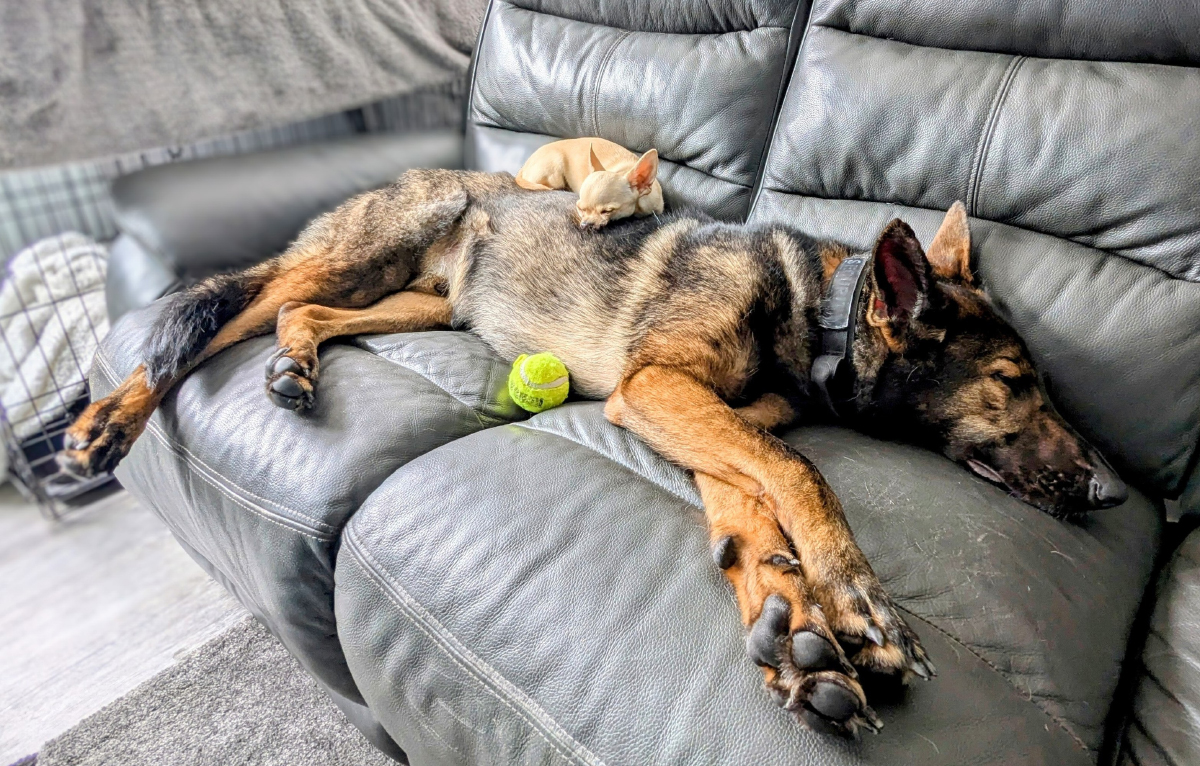
They Use Up a Ton of Energy
Let’s face it: dogs rarely sit still for long. From early morning zoomies to evening fetch sessions, their energy output is through the roof.
When you’re that active, your body learns to recover efficiently. Falling asleep quickly is one way dogs make sure they can recharge fast between bouts of activity. It’s not just cute, it’s evolutionary.
Back when dogs’ ancestors lived in the wild, they didn’t have the luxury of sleeping deeply for hours at a time. They had to stay alert for predators or prey. Being able to fall asleep quickly and wake up instantly helped them survive.
Even today, that instinct remains. You’ve probably noticed that your dog can go from full-on nap mode to full-on “Did someone say walk?!” in a second flat. That’s their biology in action! Always ready, always adaptable.
They Don’t Carry Human Stress
You know what really keeps humans awake? Our minds. We lie there replaying awkward conversations, worrying about deadlines, or mentally juggling tomorrow’s chaos.
Dogs, thankfully, don’t deal with that mental clutter. They don’t worry about bills, health insurance, or whether their boss liked their last presentation. Their minds are blissfully free of the overthinking that keeps humans staring at the ceiling until 2 a.m.
When your dog’s body says “sleep,” their brain doesn’t argue; it simply listens. That unburdened mindset makes it much easier for them to drift off. It’s one of the biggest reasons dogs can fall asleep almost instantly after lying down.
There’s something kind of beautiful about that, isn’t there?
Their Sleep Has Two Simple Stages
Even though dogs’ sleep is fragmented, it still follows two main stages: slow-wave sleep (SWS) and rapid eye movement (REM).
During slow-wave sleep, also called non-REM, your dog’s brain begins to relax, but their muscles remain somewhat active. Breathing becomes slow and steady, and this stage helps their body recover physically.
Then comes REM sleep, the deeper stage where dreaming happens. You can usually tell your pup has entered REM when you see their paws twitch, their nose wrinkle, or you hear those adorable sleep-barks.
Since dogs spend much less time in REM than humans, their dreams tend to be shorter, but they still pack plenty of emotion and memory.
Puppies, Adults, and Seniors Have Different Sleep Needs
Sleep isn’t one-size-fits-all in the dog world. Age, size, and breed all play a role in how much your pup needs.
Puppies are the ultimate nappers. Growing takes massive energy, so little ones can sleep up to 20 hours a day. Between bursts of play, training, and exploring, their bodies need all that downtime to process new experiences and strengthen developing muscles.
Adult dogs typically sleep between 10 and 16 hours per day. Working breeds or highly active dogs might lean toward the lower end, while calmer companion breeds might nap a bit more.
Senior dogs, much like human elders, often revert to puppy-like patterns. As energy levels drop and joints stiffen, they spend more of their day snoozing. It’s their body’s way of healing and conserving strength.
No matter the age, dogs don’t sleep all their hours in one go. Their pattern of frequent naps makes up for their shorter REM cycles, ensuring they still get the rest they need—even if it looks like they’re constantly snoozing on the couch.
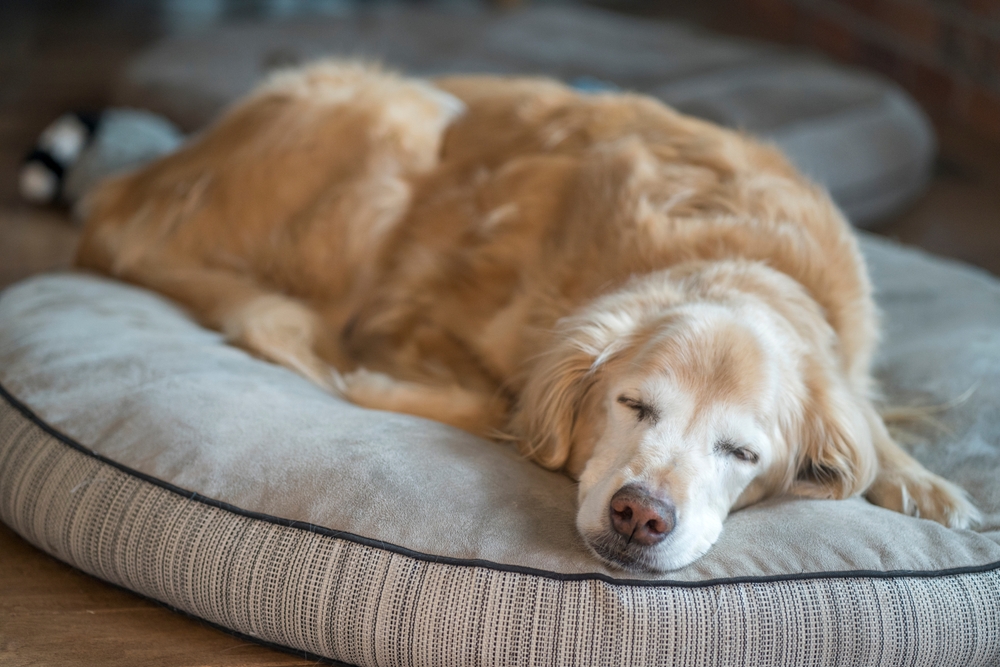
Their Sleep Is Designed for Survival and Connection
Dogs’ ability to sleep quickly isn’t just about rest—it’s also about safety and trust. In nature, dogs that could nap lightly and wake up fast had a better chance of surviving threats.
At home, though, dogs fall asleep fast for another reason: they feel safe with you. That instant relaxation you see when they curl up beside you? It’s a sign of complete trust. Your presence tells them they’re protected, so their body can fully let go.
So the next time your dog drifts off beside you in seconds, take it as the compliment it is. You’re their comfort zone.
Final Thoughts: The Art of the Effortless Snooze
Dogs can fall asleep faster than humans because they’re built that way. Quick sleep cycles, active days, and stress-free minds all play a role.
It’s easy to be jealous, but maybe we can take a cue from them: worry less, move more, and rest when we need it.
So when your pup curls up, sighs, and drifts off into doggy dreamland, don’t be frustrated, be inspired. They’ve mastered the art of balance… and maybe, just maybe, that’s why they’re always so happy to see you when they wake up.
Feature Image Credit: Michael Carni, Shutterstock
Did You Know?
 Their Sleep Cycles Work Differently Than Ours