Watching your dog stare and bark at a wall can be alarming. What could they possibly be barking at? Are they daydreaming? Have they developed a mental disorder? Do they see or hear something that you simply cannot? We set out to answer these burning questions so you do not have to remain confused if your dog keeps barking at the wall. Here are a few reasons your pooch might be barking at the wall and what you can do about it.

The 4 Reasons Your Dog Is Barking at the Wall
1. They Hear Something Inside the Walls
One reason your dog might be barking at the walls is that they hear something moving around inside them that you can not hear. It could be cockroaches, a mouse or rat, or insects infiltrating your home. Dogs can hear higher-pitched noises, like those from rats, better than humans.
Dogs are usually more observant of the sounds they hear around them, while humans are more focused on things like making dinner, watching television, and doing chores, all of which make noises that could drown out any sounds from within the walls. If your pooch hears things in the walls, they are likely to bark at the sound to try to get rid of it.
- What to Do About It
If your dog is barking at the walls and you pay close attention, you might hear the same sounds inside that they do. If so, it is probably time to call a pest control specialist. They can quickly inspect your house, determine what pests, if any, live within your walls, and eradicate the problem. Once your home is free of pests, your dog shouldn’t feel the need to bark at the walls any longer.

2. They Are Feeling Frustrated
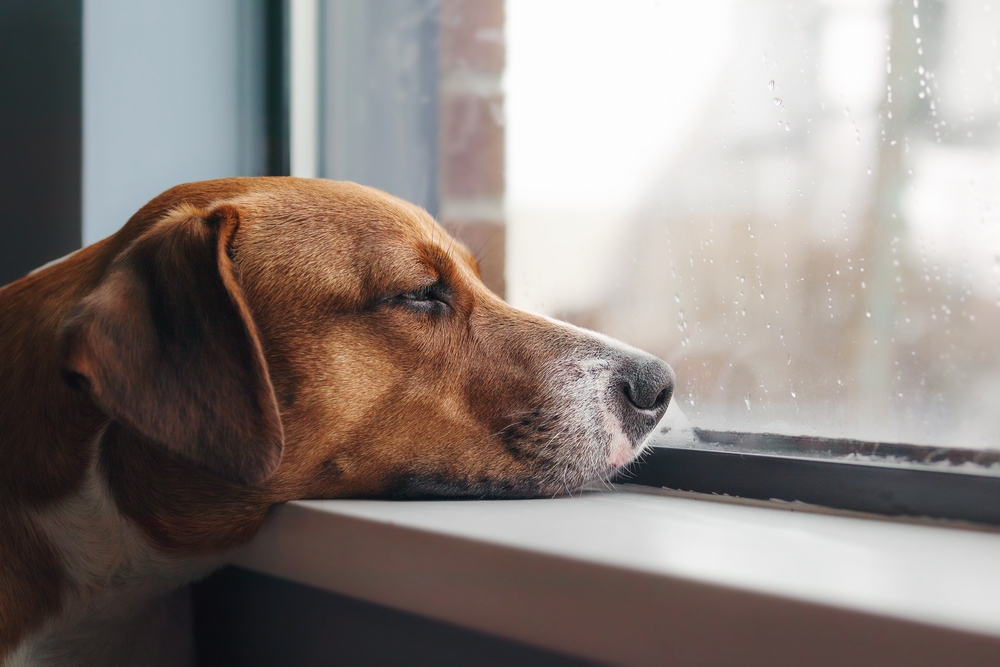
Another reason dogs bark at walls is that they are trying to get rid of feelings of frustration. If they get bored at home due to a lack of activity and exercise, they might resort to staring at a wall and barking at it. This situation is similar to when a child confined to a car for hours during a road trip will act strange and make noises that they normally wouldn’t make under most other circumstances. Frustration is probably the culprit if you can’t find any other reason for your dog’s barking.
- What to Do About It
The best thing you can do for your frustrated dog is provide them with more excitement in their life. Ensure that they get a long and brisk walk every day. Make plenty of toys available in the house. Take time to play fetch and other games outside together several times a week. Introduce an interactive puzzle toy to keep them busy during quiet evenings at home. Any activity that you offer that stimulates the body and brain should help keep your pooch from getting frustrated enough to bark at walls.
3. They’re Trying to Communicate With Animals Outside
The wild squirrels and birds outside of your home may not be something you notice when you’re indoors. But that doesn’t mean your dog isn’t paying attention. If you hear wild animals or other pets lingering outside the house and your dog seems to be barking at the wall, there is a good chance that they are simply trying to communicate with the animals outside.
- What to Do About It
The only thing you can do about this situation is to keep animals away from your home. This can be a difficult task, especially if you live where chipmunks, squirrels, birds, and other wild animals are abundant. You can always try to redirect your dog’s attention whenever they try to bark through the wall at the animals outside. Attract them with a treat, play a little tug-of-war, or include them in your human conversations.

4. They Are Suffering From a Cognitive Disorder
Cognitive dysfunction syndrome is most common in senior dogs (and cats). It’s similar to the dementia that we recognize in human beings. If they suffer from a cognitive disorder, your dog may look at a wall and start barking at it for no obvious reason.
- What to Do About It
The best steps that you can take in this situation are to schedule an appointment with a veterinarian and lay out all the signs and symptoms that you have observed. Hopefully, testing will help diagnose your dog’s cognitive problems so they can be properly addressed and enhance their quality of life.
If you need to speak with a vet but can't get to one, head over to PangoVet. It's our online service where you can talk to a vet online and get the advice you need for your pet — all at an affordable price!

Final Thoughts
There are many reasons that your dog could be barking at the wall, and it is important to become acquainted with those reasons. Keep an open mind, and don’t simply assume that your pooch is just being annoying. Do a little survey before coming to any conclusions. More than likely, stopping your pooch from barking at the wall is viable, though a bit of legwork might be necessary along the way.
Featured Image Credit: salsa, Pixabay
 The 4 Reasons Your Dog Is Barking at the Wall