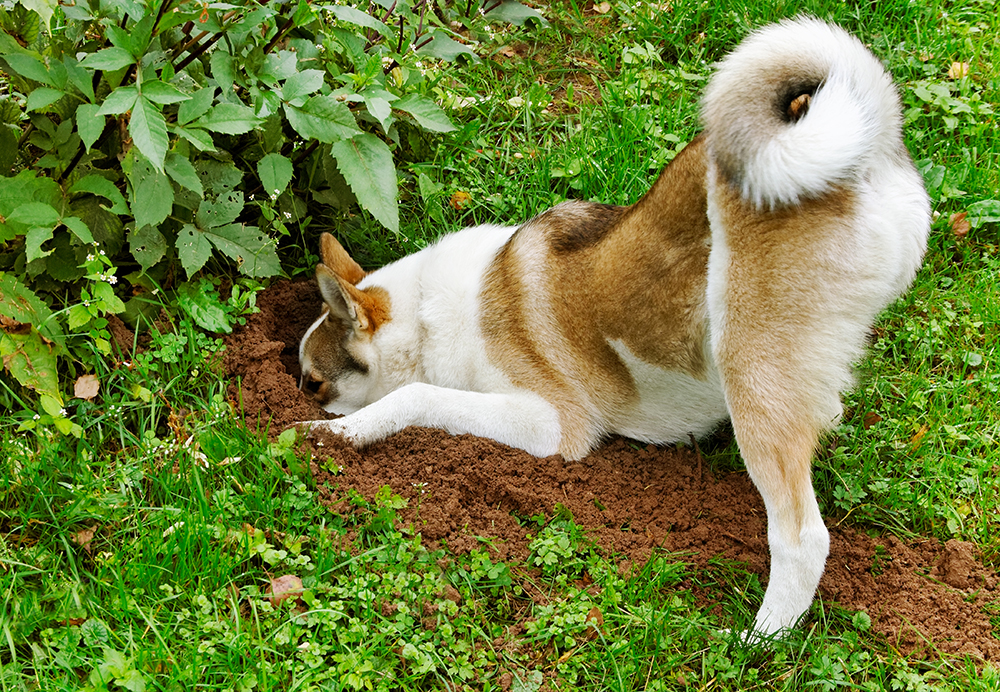
There is nothing more frustrating than walking out into your yard only to find that it looks like the surface of the moon. Some dogs are prolific diggers, and it doesn’t take them long to turn a beautiful green lawn into a cratered nightmare. Simply yelling at a dog when they are digging isn’t usually enough to solve the problem. Digging is a deeply ingrained instinctual behavior that some dogs feel more strongly than others. In most cases, dogs dig for a specific reason, and figuring out that reason is key to solving the issue for good.
Here are the reasons why dogs may dig and what you can do about it.

The 6 Reasons That Dogs Dig
1. To Find Prey

At first thought, it might not seem like there is much in the way of prey hiding under your turf, but you would be surprised. Many dogs dig in a bid to look for prey. Animals like moles and mice can live under the ground, and so can things like snakes and bugs. Some dogs have hearing so powerful that they can hear things moving and squeaking under the dirt, which will entice them to dig.
What You Can Do About It
Preventing dogs from digging due to prey can be difficult. You can get your lawn treated for common pests that can scare out anything that could be burrowing under your yard. You can buy anti-pest devices, such as sprayers or sonic emitters, that are designed to keep things like rabbits and moles out of your yard. You can also try to redirect your dog when they are digging. If they are digging for prey, you can redirect them to a different activity, reward them with a treat or a squeaky toy, and hope that those things are more enticing than whatever is hiding in your yard.
2. To Cool Themselves
Freshly turned dirt is often much cooler than the surrounding land. If you notice your dog digging shallow depressions (often called wallows) and then lying in them, they are likely doing this to keep cool. In the wild, dogs do not have access to dog houses or air conditioning so they often dig up patches of cool and damp soil to lie down to stave off the heat of the day. If you don’t think your dog is overly hot or if the weather outside is cool, some dogs will dig wallows simply for comfort. Dogs typically dig in this way when they are left outside for long periods.
What You Can Do About It
There are a couple of things you can do to try to stop this type of digging. First, you can ensure that your dog has access to plenty of deep shade and water when they are outside. If they have shade and water, they will be less likely to dig for heat relief. Second, you can shorten the length of time that your dog is outside. Many dogs will only dig wallows after they are done exploring and relieving themselves. Bringing your dog in sooner can help prevent this form of digging.
3. To Bury Things
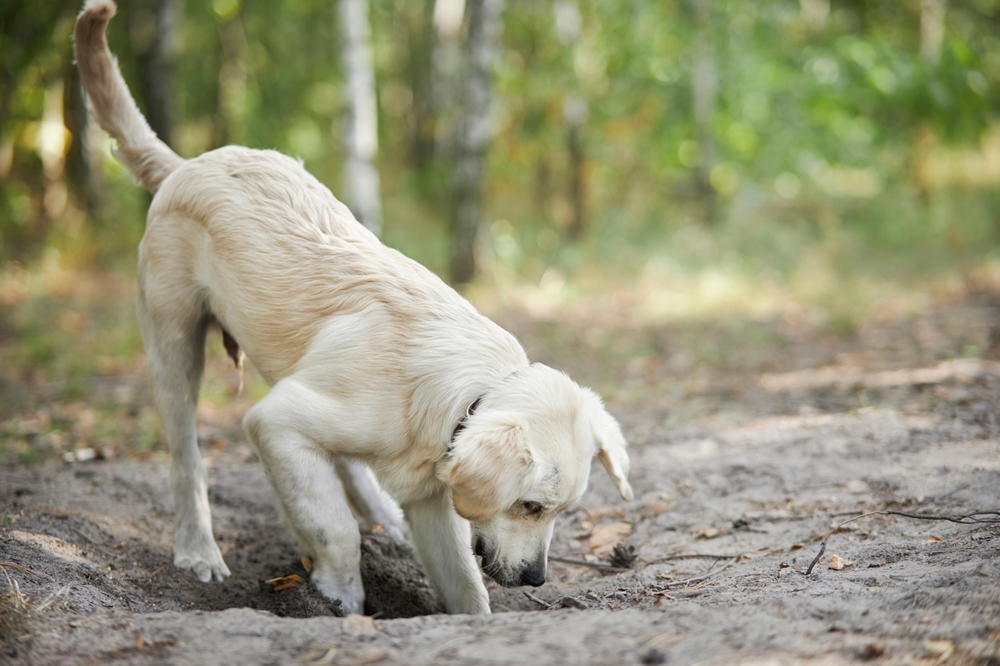
Some dogs love to bury things. They will bury everything from toys to bones to old shoes that they find. There are even instances where dogs will carry out random things from the house to the yard just so they can bury them in a shallow hole. This is a natural instinct that is stronger in some dogs than others. Burying valuable items would help to keep other dogs (or animals) from stealing them. In the wild, food can be scarce, and burying any excess would save it for later and protect it from scavengers. Unfortunately, for some domesticated dogs today, that strong urge has been passed down and leads to some unpleasant digging behaviors.
What You Can Do About It
The best way to prevent your dog from burying things in the yard is to prevent them from leaving the house with any toys or objects. Some dogs like to try to run out the door with something in their mouth, but you have to work to prevent that by taking anything from them as they go outside. Depriving your dog of any suitable objects to bury should help cut down on the behavior.
Some dogs dig in order to squeeze under fences. This can manifest because a dog sees something on the other side of the fence that they want (like a squirrel or another dog). They may not have everything they need in their yard and are looking for greener pastures.
What You Can Do About It
First, make sure that your dog can’t escape your yard by digging out. This may mean extending the fence below the dirt or placing barriers around the bottom of the fence so they can’t dig at the dirt. Secondly, make sure your dog has all the necessities, including water, a bed, shade, and toys so that they have everything they need.
5. Out of Boredom
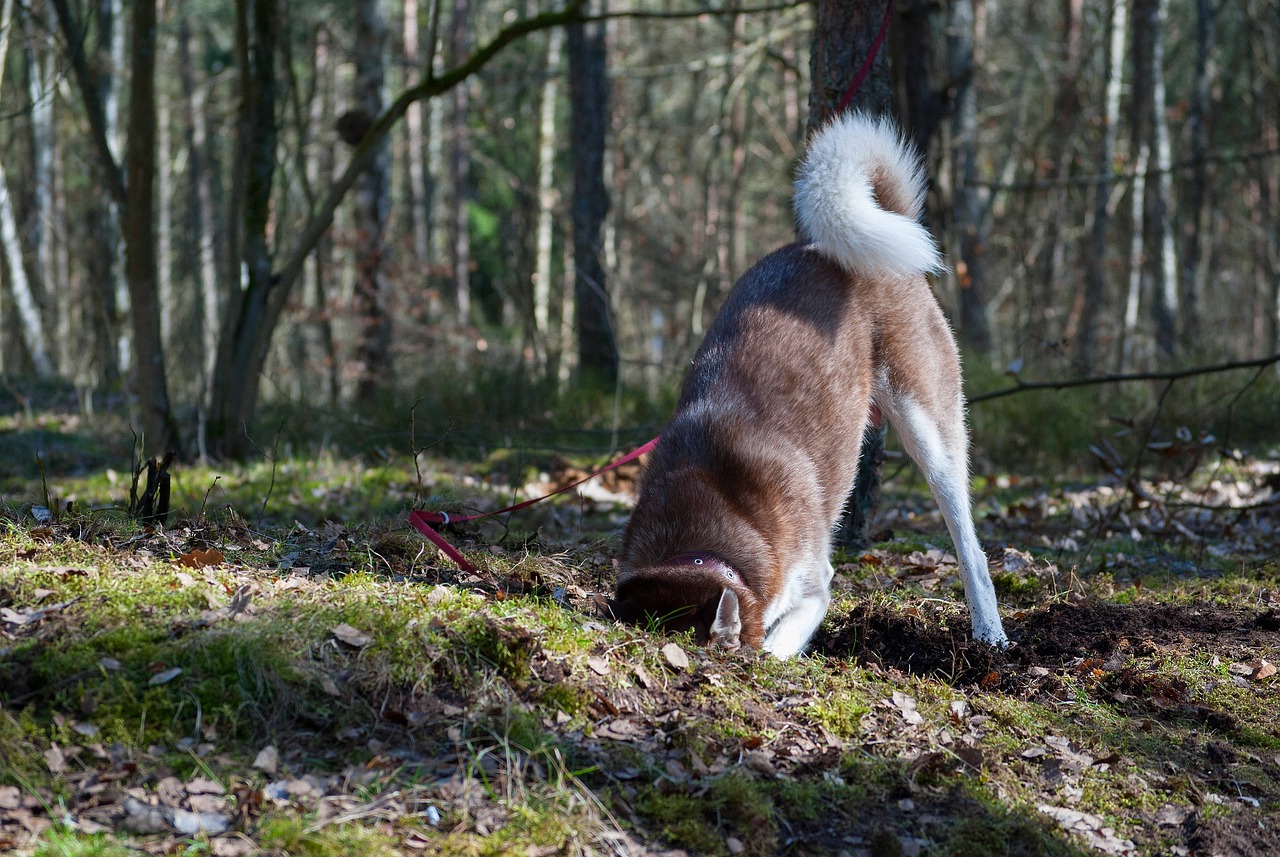
Some dogs simply dig out of boredom. The yard can be boring, and digging is just something to do. When dogs are bored, they will often seek out things to entertain themselves, and most of the time, these activities are not ones that humans approve of. Digging is already a natural instinct for dogs. It sends dirt flying, and sometimes, it unveils interesting or yummy things hiding underground.
What You Can Do About It
Wear your dog out with structured activities. Take them for walks. Play with them. Entice them to run around the yard instead of digging. You can also try to redirect their behavior when they start digging. Providing your dog with plenty of alternative activities should hopefully tamp down on the digging. Otherwise, give your dog a designated place to dig that is enticing. A sandbox or their own little portion of the yard can work. Redirect them to dig in this space and reward them when they do.
6. Stress or Anxiety
Digging is also a classic way that dogs express anxiety or stress. Being outside can be stressful. Your dog will have lots of new sights, smells, and sounds that could be interesting or anxiety inducing, causing them to dig Other dogs will simply dig as a way to enter a Zen state to ward off feelings of fear or uncertainty. If your dog does not dig consistently or digs while showing other signs of anxiety such as panting, pacing, or change in mood, then the digging could be connected to a bout of stress.
What You Can Do About It
Reducing your dog’s stress levels will help decrease digging if the two are connected. You can reduce stress by providing more exercise, giving your dog a specific space of their own in the house where they can decompress, or you can seek treatment from a veterinarian. Some dogs with chronic stress or anxiety could be eligible for specific medications designed to help them calm down. Once your dog’s anxiety subsides, the digging will also hopefully subside as well.

Why Do German Shepherds Dig?
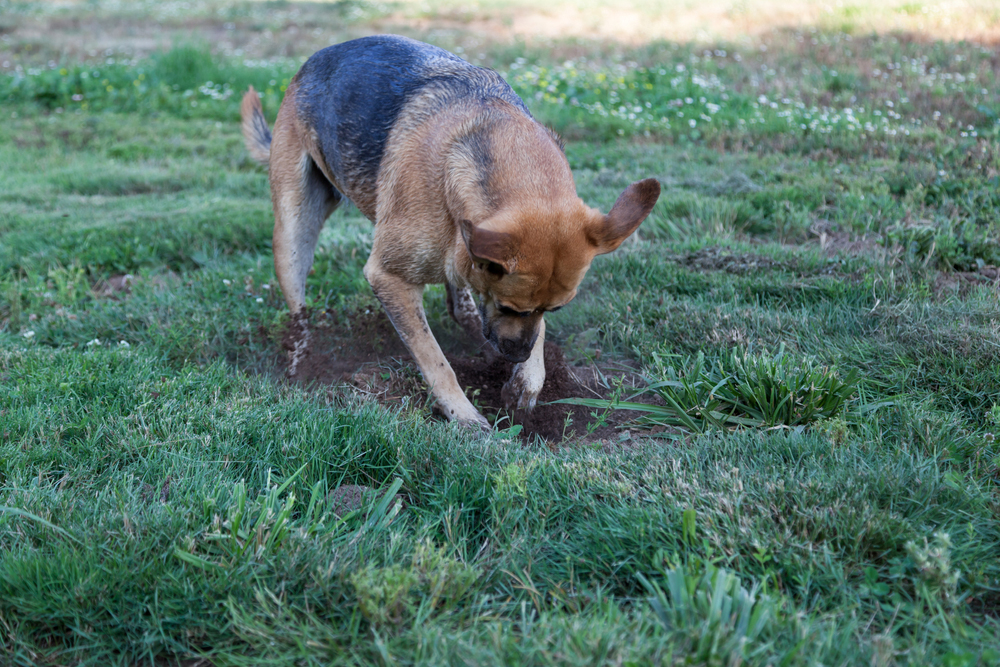
All dogs can dig as part of their natural instincts. But if you have a German Shepherd, you may have noticed that they seem to dig a lot. Yes, German Shepherds can be very prolific diggers, but they don’t dig for reasons that are different from any other dog breeds. German Shepherds may dig for all of the reasons listed above.
However, due to their agility and intelligence, they may be able to escape more easily than other dog breeds. If you suspect your German Shepherd is digging under your fence in an attempt to escape, this is something you will want to get a handle on. You may have to reinforce the bottom of the fence in some way to prevent digging, or train your German Shepherd to take part in other activities.

Conclusion
Digging can be a highly frustrating and destructive behavior in dogs. The good news is that digging is often the result of a few simple causes. With some observation and persistence, most dog owners should be able to deduce the reason behind their dog’s digging habits and work to correct it. Most of the time, digging can be corrected with redirection, treats and changing the outdoor environment to better suit your individual dog.
Featured Image Credit: Ratikova, Shutterstock
 The 6 Reasons That Dogs Dig