In this article
View 6 More +As a loving pet owner, it’s natural to worry when you see your Chihuahua’s eyes tearing up. But before diving into the possible reasons behind this phenomenon, it’s essential to understand the difference between crying and tearing in dogs. The causes can range from allergies to infections, and anatomical or tear drainage issues, so let’s put our worries aside for a moment and take a tour of the Chihuahua’s eyes and tearing!

Before We Begin: Crying vs. Tearing in Dogs
While humans cry for various reasons, such as sadness or pain, dogs don’t share this emotional response in the same way humans do. Instead, dogs communicate their emotions through body language, vocalizations, and other behaviors.
Tearing, on the other hand, is a physiological process that keeps a dog’s eyes lubricated and clean. It’s normal for dogs to produce tears, but excessive tearing can be a sign of an underlying issue. In this article, we’ll explore the anatomy of Chihuahuas’ eyes, the reasons behind excessive tearing, and tips for keeping their eyes healthy.

The Anatomy of Chihuahua’s Eyes and Tear Production
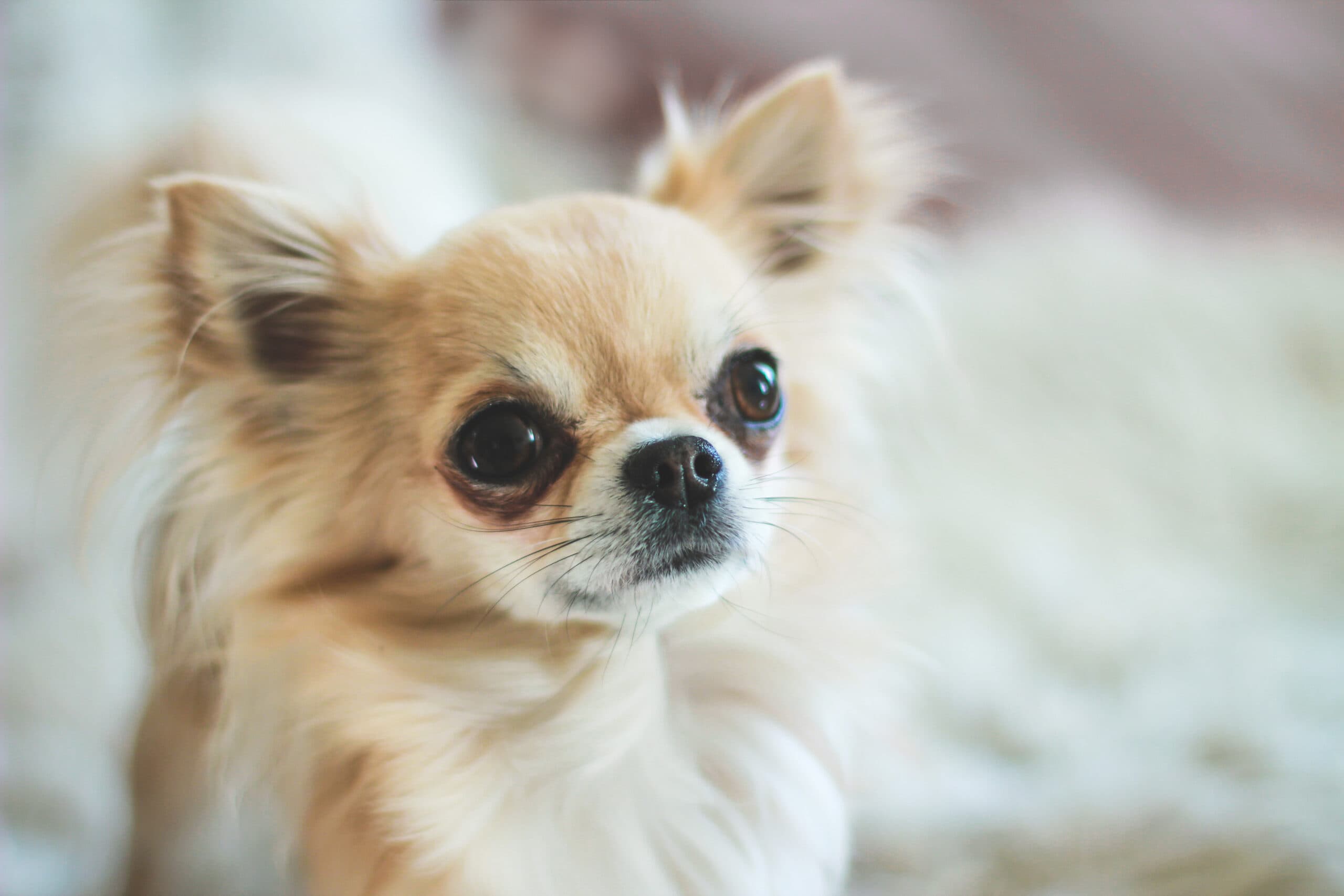
Chihuahuas have large, round eyes, which are more prominent compared to other breeds. This characteristic makes them more susceptible to eye problems, including excessive tearing and ocular irritation or trauma due to increased exposure.
A dog’s eye has three main components responsible for tear production:
- Lacrimal Glands: These glands produce the watery component of tears, which helps keep the eye moist and clean.
- Meibomian Glands: Located on the eyelids’ edges, these glands secrete oil that prevents tears from evaporating too quickly.
- Goblet Cells: Found within the conjunctiva, goblet cells produce mucus, which helps tears spread evenly across the eye’s surface.
When everything functions properly, tears flow from the lacrimal glands over the eye and drain into the tear ducts in the inner corner. However, issues can arise with any of these components or with tear drainage, leading to excessive tearing in Chihuahuas.
Conditions Causing Excessive Tearing in Chihuahuas
Allergies
Just like humans, Chihuahuas can suffer from allergies. Pollen, dust, mold, or even certain foods can cause an allergic reaction, leading to inflammation and irritation in the eyes. This irritation prompts the lacrimal glands to produce more tears in an attempt to flush out the allergens.
Infections
Bacterial or viral infections can also cause excessive tearing in Chihuahuas. Conjunctivitis, commonly known as “pink eye,” is one such infection that causes redness, swelling, and discharge from the affected eye. If left untreated, conjunctivitis or other ocular infections can lead to more severe issues, such as corneal ulcers or vision loss.
Eyelid Abnormalities
Chihuahuas are less commonly affected by ectropion but may develop other conformational eyelid or facial issues that contribute to tearing. Two common conditions are entropion and ectropion:
- Entropion: This condition occurs when the eyelid rolls inward, causing the eyelashes to rub against the cornea, leading to irritation and excessive tearing.
- Ectropion: In this case, the eyelid rolls outward, exposing the sensitive inner lining of the eyelid and making it more susceptible to irritation and infection.
Both entropion and ectropion can be corrected through surgery, preventing further complications.
Other Causes
Several other factors can contribute to excessive tearing in Chihuahuas, including:
- Corneal ulcers or scratches
- Foreign objects lodged in the eye
- Glaucoma
- Dry eye syndrome
- Blocked tear ducts

The 5 Tips for Preventing Tearing and Keeping Your Chihuahua’s Eyes Healthy
To ensure your Chihuahua’s eyes remain healthy, consider implementing the following tips:
1. Regular Check-ups
Schedule regular veterinary check-ups to catch and address any potential eye issues early. Your vet can assess your Chihuahua’s eyes and recommend appropriate treatment if necessary.
If you need to speak with a vet but can't get to one, head over to PangoVet. It's our online service where you can talk to a vet online and get the advice you need for your pet — all at an affordable price!

2. Eye Cleaning
Gently clean your Chihuahua’s eyes as needed using a soft, damp cloth or cotton ball. This routine helps remove debris and reduce moisture buildup that can contribute to tear stains and skin irritation. Be sure to use a separate cloth or cotton ball for each eye to avoid spreading infections. Avoid using human eye products or medicated solutions unless directed by your veterinarian.
3. Monitor for Allergies
If you suspect your Chihuahua has allergies, consult your veterinarian. They may recommend diagnostic evaluation and medication, or environmental or dietary management, to help alleviate your dog’s symptoms.
4. Grooming
Keep the fur around your Chihuahua’s eyes trimmed to prevent irritation caused by stray hairs. Additionally, avoid trimming the eyelashes yourself. If the eyelashes appear too long or touch the eye, consult your veterinarian, as abnormal eyelash growth may indicate a medical condition that requires treatment.
5. Eye Protection
Protect your Chihuahua’s eyes from environmental factors, such as wind or bright sunlight, by using protective eyewear, like dog goggles, during activities with significant exposure (for example, travel with the head out of a vehicle or dusty, windy conditions).
The Importance of Diet and Nutrition for Eye Health

A balanced and nutritious diet plays a vital role in maintaining your Chihuahua’s overall health, including their eye health. Providing your furry friend with the right nutrients can help support normal eye function and overall ocular health.
Antioxidants
Antioxidants, such as vitamins A, C, and E, can help protect your Chihuahua’s eyes from oxidative damage. These vitamins are found in various fruits, vegetables, and high-quality dog food. Adding small amounts of colorful veggies like carrots, sweet potatoes, or bell peppers to their meals can be an excellent way to supplement their antioxidant intake.
Omega-3 Fatty Acids
Omega-3 fatty acids have anti-inflammatory properties that can benefit your Chihuahua’s eye health, particularly for supporting the tear film and ocular surface. Foods rich in omega-3s include fish, such as salmon or sardines, and flaxseed oil. Consult your veterinarian before adding these foods to your Chihuahua’s diet to ensure you’re providing the appropriate amount for their size and age.
Water Intake
Proper hydration is essential for maintaining healthy tear production in Chihuahuas. Ensure your dog always has access to fresh water and monitor their intake to confirm they’re drinking enough throughout the day.
Recognizing the Signs of Eye Problems in Your Chihuahua
As a responsible pet owner, it’s crucial to recognize the signs of eye problems in your Chihuahua. Early detection and treatment can prevent complications and improve your dog’s quality of life. Some common signs to watch for include:
- Excessive tearing or discharge
- Redness or swelling around the eyes
- Frequent blinking or squinting
- Pawing at the eyes
- Sensitivity to light
- Cloudiness or changes in eye color
- Visible discomfort or pain
If you notice any of these signs, consult your veterinarian for a thorough evaluation and appropriate treatment. Seek urgent care if your dog is holding the eye closed, the eye appears suddenly cloudy or enlarged, or there is green, yellow, or bloody discharge.

FAQ About Eye Health in Chihuahuas
Can Chihuahuas Develop Cataracts, Just Like Humans?
Yes, Chihuahuas can develop cataracts, which are cloudy formations on the eye’s lens that can impair vision. If you suspect your Chihuahua has cataracts, consult your veterinarian for a proper diagnosis and treatment options.
Are There Any Breed-Specific Eye Conditions That Chihuahuas Are Prone To?
Chihuahuas are more susceptible to certain eye conditions due to their large, prominent eyes. Some breed-specific issues include corneal ulcers or trauma, distichiasis, nasolacrimal drainage problems, progressive retinal atrophy (PRA), and keratoconjunctivitis sicca (dry eye).
How Can I Protect My Chihuahua’s Eyes During Grooming Sessions?
When grooming your Chihuahua, avoid using harsh chemicals or shampoos around their eyes. Additionally, take care when trimming the fur around their eyes to prevent accidental injury and avoid trimming the eyelashes. Remember that abnormal eyelash growth should be evaluated by a veterinarian.
Are There Any Supplements Specifically Designed for Promoting Eye Health in Dogs?
Yes, various supplements on the market are formulated to support eye health in dogs. These supplements often contain antioxidants, vitamins, and other essential nutrients. However, most dogs eating a complete and balanced diet do not require additional supplementation unless recommended for a specific medical condition. Consult your veterinarian before starting any new supplement regimen for your Chihuahua.
How Do I Know if My Chihuahua’s Excessive Tearing Is Due to an Allergy or an Infection?
It can be challenging to determine the cause of excessive tearing without a veterinary examination. Your veterinarian can conduct tests such as an eye stain, tear production testing, or evaluation of tear drainage or flushing of the nasolacrimal duct to diagnose the issue and recommend appropriate treatment.
Is It Safe to Use Human Eye Drops or Artificial Tears on My Chihuahua?
Always consult your veterinarian before using any human eye drops or artificial tears on your Chihuahua. Some human eye products may contain ingredients that are harmful to dogs or may not effectively address their specific eye issues.

Can My Chihuahua’s Excessive Tearing Be Related to Stress or Anxiety?
While stress and anxiety do not directly cause excessive tearing in Chihuahuas, these emotions can lead to behaviors that may irritate their eyes, such as excessive pawing or rubbing. Stress may also contribute to mild, temporary increases in tear production in some dogs, but persistent tearing should always be evaluated for an underlying medical or anatomical cause. Addressing your dog’s stressors and providing a calm environment can help prevent eye irritation.
How Can I Tell if My Chihuahua Is Experiencing Vision Loss?
Signs of vision loss in Chihuahuas may include bumping into objects, difficulty navigating familiar areas, or reluctance to move in dimly lit environments. Other signs may include increased startle responses, hesitation on stairs or uneven surfaces, or changes in confidence during normal activities. If you suspect your Chihuahua is experiencing vision loss, consult your veterinarian for a thorough evaluation.
Are There Any Specific Toys or Activities I Should Avoid to Protect My Chihuahua’s Eyes?
Avoid toys with sharp edges or small parts that could potentially injure your Chihuahua’s eyes. Additionally, be cautious when playing games like fetch, ensuring the object being thrown does not pose a risk to your dog’s eyes, and avoid high-impact projectiles thrown directly toward the face.
Can Excessive Tearing Stain My Chihuahua’s Fur?
Yes, excessive tearing can lead to reddish-brown tear stains on your Chihuahua’s fur due to pigments (porphyrins) present in tears. Gently cleaning the area around their eyes as needed and addressing the underlying cause of excessive tearing can help minimize tear staining.
Conclusion
Chihuahuas, with their large, expressive eyes, are prone to excessive tearing caused by various factors such as allergies, infections, tear drainage problems, conformational factors, and eyelid abnormalities, and an increased risk of corneal irritation or injury due to their prominent eyes. Understanding the anatomy of their eyes and the reasons behind excessive tearing is crucial for maintaining their eye health. By implementing preventative measures, such as regular check-ups, eye cleaning, grooming, and providing a balanced diet, you can help support overall eye health and identify problems early to keep your Chihuahua’s eyes healthy and comfortable.
Featured Image Credit: Amada Ekeli, Shutterstock