Insulin for Dogs: Our Vet Explains the Types, Side Effects, Dosage & Info

In this article
Dogs that need insulin injections normally have diabetes. The most common form of diabetes in dogs is type 1 diabetes (insulin-dependent diabetes mellitus). At first, coming to terms with the diagnosis and learning to manage this condition can be daunting for dog parents. But rest assured, it gets better.
With time, a little bit of knowledge, and good guidance from your veterinarian, you’ll become a canine diabetes expert. This article will explain why your dog needs insulin and everything you need to know to master canine insulin therapy.

What Is Insulin?
Insulin is a hormone produced by the pancreas after eating a meal. When your dog eats a meal, their body absorbs energy in the form of glucose, also known as blood glucose or blood sugar. This rise in blood sugar levels is sensed by the brain and then triggers the pancreas, an organ in the abdomen, to release insulin. Insulin is responsible for shifting sugar from the blood into cells, where it can be used to fuel countless bodily functions.
Without insulin, blood sugar levels can rise to a dangerously high level. The body will also be forced to use other sources of energy, such as the breakdown of fat, which can cause a life-threatening condition known as ketoacidosis.

Why Does My Dog Need Insulin Injections?
Most dogs that need insulin need it because they have diabetes. In this condition, the pancreas is not producing insulin, and this allows blood sugar levels to climb to precarious levels. Most dogs are affected by type 1 diabetes. Many factors can contribute to the development of diabetes, including chronic pancreatitis, auto-immune disorders, obesity and Cushing’s Disease.
It is important to mention that, generally speaking, once a dog commences insulin therapy, this needs to be continued for the rest of their life.
Types of Insulin
Several different brands and forms of insulin can be found on the market but only some are licensed for use in dogs. These include:
- Vetsulin/Caninsulin
- ProZinc
Other non-licensed products used in human medicine may be prescribed if necessary, such as Glargine.
Deciding on the right insulin for your dog depends on a few things, including your dog, the cost and availability of medication, as well as your veterinarian’s “preference”. Your vet will make this decision once they have discussed the options with you.
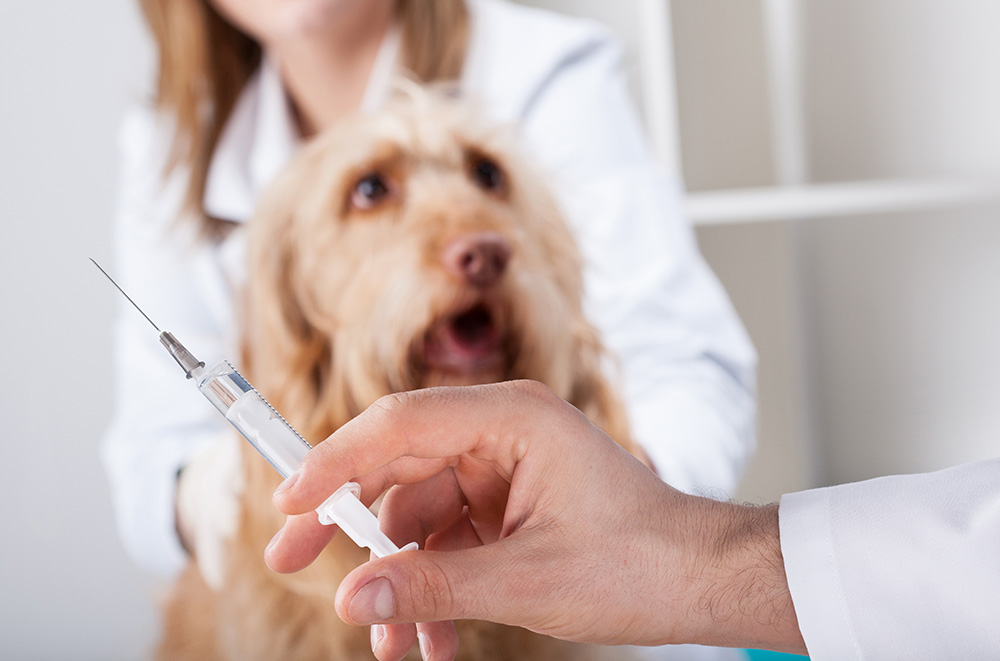
It is crucial that you match whichever insulin you choose with the right syringe. Just to make it confusing, insulin syringes can be either U-100 or U-40. The U-100 syringes are compatible with insulin that has 100 units per milliliter of insulin. The U-40 syringes are compatible with insulin that has 40 units per milliliter of insulin. Mixing up the syringes could cause your dog to get too little or too much insulin, both of which can be very harmful.

The 5 Tips on Managing Insulin for Dogs
1. Learn How to Give the Injection
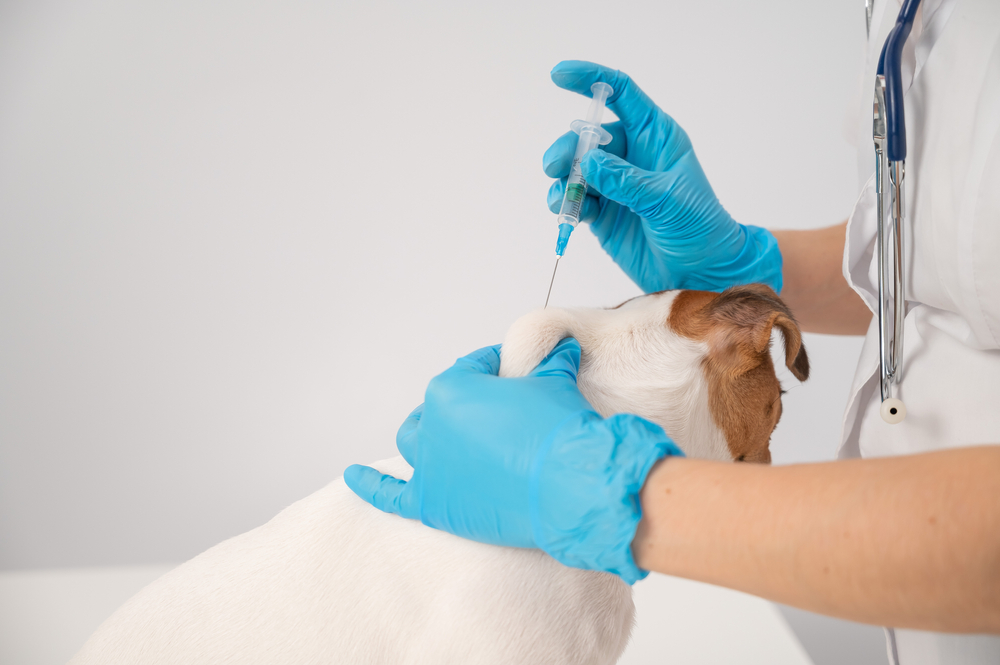
Here, we recommend having your vet demonstrate. It is also useful to practice, under your vet’s supervision, by drawing up and administering saline. As a general guide, the steps include:
- Gently shake the insulin bottle to ensure the contents are mixed.
- Ensure you have the correct U-100 or U-40 insulin syringe.
- Remove the needle cap from the insulin syringe.
- Invert the insulin bottle and insert the needle into the bottle.
- Draw up the required/prescribed dose.
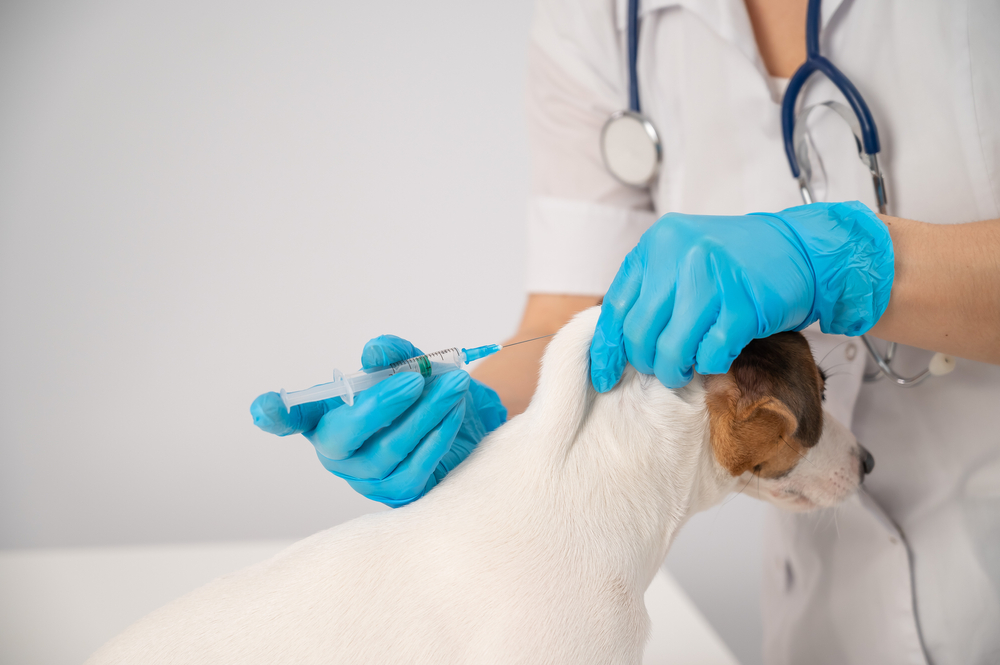
- When your dog is calm or restrained, insert the needle into the scruff of their neck.
- Push on the plunger to administer insulin under the skin.
- Feel their skin to ensure it is not wet, which suggests it has not been given correctly.

2. Ensure Your Dog is Eating
Insulin should not be given unless your dog has eaten a meal. For this reason, it should always be given after food. If your dog skips a meal, you should skip their insulin dose. If your dog skips two or more meals, you should arrange a vet visit.
3. Get the Timing Right
All types of insulin need to be given to dogs twice per day, as close to twelve hours apart as possible. For many people, this equates to 7 am and 7 pm dosing. This can be adapted based on your schedule, as long as the dosing is 12 hours apart, and as long as the timing has not been abruptly changed.

4. Monitor Blood Sugar Levels
After diabetes has been diagnosed and insulin therapy commenced, most vets will like to re-examine dogs at some point in the next few days or weeks. This provides them a chance to examine your dog again and assess their progress; it also offers you a chance to ask any questions.
Just as importantly, dogs need to have their blood sugar levels checked over the course of a day. This is to check that the insulin is working, keeping blood sugar levels in the ideal range. Low blood sugar levels can be life-threatening, and high blood sugar levels mean the insulin dose may need to be increased.
Monitoring of blood sugar levels can be done using a “blood glucose curve”, where blood is collected every 2 hours over the course of the day at a vet clinic. Sensors can also be placed on your dog’s skin, with blood sugar level readings recorded using a smartphone.
After the first round of blood glucose monitoring, adjustments may need to be made. Adjustments are usually made every 10-14 days until the correct dose is found. Once your veterinarian is happy that blood sugar levels are where they should be, this process should be repeated every 6 months, or sooner if you have any concerns.
5. Keep a Dog Health Journal
There is a lot to think about and monitor when managing a dog with diabetes, especially in the initial stages. It can be helpful to document certain data points, such as:
- Weight
- Appetite
- Thirst/urination
- Blood sugar levels (if you are using a sensor at home)
- Insulin and food administration

Side Effects
The most dangerous side effect of insulin is low blood sugar levels (hypoglycemia). This can occur if you’ve accidentally drawn up too much insulin or given an inadvertent second dose. Signs of low blood sugar levels include lethargy, vomiting, trembling, fainting, and seizures.
This can be life-threatening, so ensure you have corn syrup, honey or something similar to rub into the gums while seeking urgent veterinary care.
If you suspect your dog might be suffering from underlying health issues, you should contact your vet.
Conclusion
Managing insulin dependent diabetes may feel intimidating at first. However, you and your pup will soon be in a good rhythm, and most dog owners find the process completely manageable after a couple of months. Surround yourself with a support team that includes a veterinarian you trust and pet-sitters who can help if you are away.
If you have any concerns about your dog’s diabetes or wish to clarify something about their treatment, do not hesitate to contact your veterinarian. It’s always better to be sure than to guess.
Sources
Featured Image Credit: Reshetnikov_art, Shutterstock
Expert dog care, straight to your inbox
Vet-reviewed advice, training tips, and the best of Dogster. Free, and you can unsubscribe anytime.
By signing up, you agree to our Terms & Conditions and Privacy & Cookies Policy.
Dr. Joe Mallat DVM (Veterinarian)
Joe is a veterinarian from Sydney, Australia. When he's not working, he enjoys cooking, exercising, and exploring the Australian wilderness. He has worked for 2 years at a mixed-species practice on the mid-north coast of New South Wales, treating animals of all sizes. His areas of particular interest include wound management, internal medicine, and oncology. Joe's love for the profession comes not only from helping dogs, but also from helping their parents and working with wonderful teams of people.
Joe completed his Bachelor of Veterinary Biology and Doctor of Veterinary Medicine at the University of Sydney in 2020.
Join the conversation
Ask a question, share your story, or send private feedback.