How to Have a Dog in an Apartment: 14 Vet-Approved Tips for Small-Space Living


In this article
View 1 More +It can be a challenge to keep a dog in an apartment. Dogs enjoy having regular time outdoors, need daily exercise, and they use time outdoors to exercise, go to the toilet, and even socialize. However, with that said, it is possible to live in an apartment with a dog, but it does take more planning and preparation on your part.
If you don’t have a dog yet, you will need to check your lease or contract and should consider what breed will best adapt to life in an apartment. Below, we look at 14 tips for living with your pup in an apartment.

The 14 Tips for Having a Dog in an Apartment
1. Check Your Lease
You will need to check your lease before you consider getting a dog. If the lease prohibits keeping a pet, you run the risk of being evicted if you do get a dog. Other leases might restrict the type and size of dogs, and they may have clauses regarding noise and mess caused by dogs.
If in doubt, check with your landlord or agent to determine whether dogs are allowed and whether there are any restrictions. Keep in mind that many jurisdictions allow exceptions for working dogs and, in some instances, emotional support dogs. Therefore, if you need a dog for a medical purpose (for example a dog that can identify seizures), you might have an avenue for adoption.

2. Choose the Right Breed
Getting the right breed is important. If space is limited, it wouldn’t be fair to get a Great Dane or Irish Wolfhound. They need a lot of space to move around and even to stretch out when lying down.
Dogs like Huskies, which can make a lot of noise, are also not the best option.
The French Bulldog has become the most popular breed in the U.S. and one of the reasons for its popularity is that the small, amenable, and adaptable breed can do very well living in apartments. However, this breed is brachycephalic and, therefore, susceptible to a plethora of health issues (related to their breathing), which is something you should seriously consider before adopting them. This breed has been banned in other parts of the world for this reason; it is generally agreed by veterinarians that their health issues cannot be circumvented with good ownership practices alone.
Other breeds that are popular options for apartment living are Bichon Frises, King Charles Cavalier Spaniels, Maltese, and Miniature Poodles. However, remember that each of these breeds has health issues they’re prone to.
3. Make Sure It’s Safe
Whether you live in an apartment or have a large estate, you should ensure that the property is safe for dogs before bringing one home. If the apartment is above ground level, ensure that windows are inaccessible or access to them can be restricted.
Balconies are another potential hazard, and if you’re getting a small dog breed, you will need to ensure that they can’t get under the balcony barrier. General hazards to look out for include wiring that your dog might chew and pipework that is close to floor level and might get hot.

4. Train, Train, Train
No matter what breed you choose or the size of the apartment, the importance of good training should not be overlooked. Ideally, training should start when your dog is still a puppy and will include puppy classes. Not only will training enable you to teach your dog good behavior, but daily training provides mental stimulation that will help keep your dog calm throughout the day. As well as training, ensure your dog gets plenty of socialization. Have them meet new people and other animals (with realistic limits and expectations). Living in an apartment typically means you will come into regular contact with your neighbors (such as in an elevator), and if your dog hasn’t been socialized, this can prove challenging. Good socialization may also reduce barking at noises.
5. Discourage Barking
Barking can be a real problem when you live in an apartment. The sound travels, and a barking dog owner can soon become a nuisance neighbor. You can choose a breed that isn’t prone to barking, like a Whippet. But no matter how carefully you choose, it doesn’t guarantee your dog won’t make a sound. Discourage barking through regular training. It won’t happen overnight, but you can discourage barking. For example, when your dog barks for your attention, it might help (in some circumstances) to ignore it as much as possible. Don’t give eye contact and don’t respond to the barking. When your dog stops, offer praise and even a reward. At other times, though, this trick might not work. Keep this up whenever your dog barks, and they will eventually learn that silence is the ideal response. However, remember that sometimes your dog might be barking for a legitimate reason! Therefore, not all barking should be ignored or discouraged. Also, keep in mind that all dogs bark, so your expectations should be realistic.
A Note From Our Veterinarian

6. Consider a Crate
When you leave the apartment, it can be beneficial to restrict the space your dog is allowed. Choose a room that is out of the way and ideally not directly above or next to a neighbor’s living area. You should also consider crate training.
Although a lot of owners are resistant to the idea of crate training, it can be less stressful for dogs than letting them roam the apartment. It means you can move them away from the door, preventing them from being able to hear neighbors walk past.
The crate shouldn’t be used as punishment, however, and you will need to ensure your dog views going in the crate as a positive experience.
7. Use a Dog Walker
Exercise is important to all dogs, and most dogs look forward to getting outside. If you live in an apartment and aren’t home all day, you should look into using a dog walker. They will visit your home, take your dog out for a walk and they will usually also be able to do a few small jobs like filling water and food bowls and administering medication.
Using a dog walker could prevent your dog from getting restless, which is when they are most likely to bark and make a fuss.

8. Be Prepared for Damage
Your dog will likely, at some point, cause damage to the apartment, even if it is unintentional. They might scratch furniture or carpets, chew items around the apartment, or scratch the laminate floor when they pace the halls.
You should be prepared to correct any damage, and this is likely to be written into your lease if you have one.
9. Provide Plenty of Exercise
Exercise is an important part of your dog’s day. Getting out and going for a walk enables them to stay fit and helps them stay healthy. It also offers mental stimulation, as well as physical, and it allows for socialization. If you live in an apartment, this means you are less likely to be able to offer exercise in your yard, although some apartments do offer yard access, so walks will be essential.
Try to walk your dog twice a day, ideally once before you leave the house and once in the evening before bedtime. If you can also get a dog walker, they will help provide further exercise and ensure your dog is happy and fulfilled.

10. Soundproof
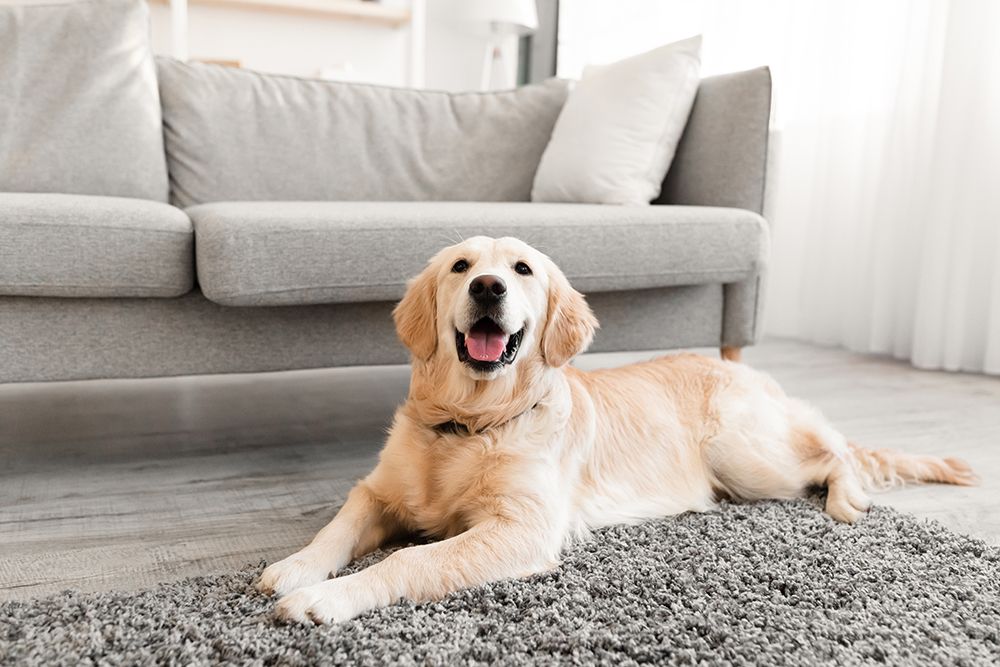
Even the quietest dog makes noise, whether running up and down on a laminate floor or jumping up and down when it gets excited. While you don’t have to have soundproof walls, you can put down rugs or carpets to help minimize the amount of noise that is generated in these ways.
11. Get Your Dog Used to Noise
Apartments naturally have some ambient noise. Neighbors have to be able to walk down corridors, and you may be able to hear TV and conversations through the walls. If your dog isn’t accustomed to these noises, it will make them more prone to barking.
At times, it helps to not react to noises when you hear them, and when your dog stays calm, offer praise and rewards. At other times though, talking to and comforting your dog instead of just ignoring them might help calm them down and not bark incessantly. This does, however, depend on the situation at hand.

12. Consider Installing a Potty on the Balcony
If the balcony is safe and secure, it can be a great place for your dog to spend a little time. They might enjoy watching the world go by. It can also be a great spot to install a potty. This can take the form of potty pads or even a planter with soil in it.
By giving your dog this space and training them to use it, it means you don’t have to tackle elevators, stairs, and neighbors whenever you want to let your dog do their business.
13. Get into a Routine
Dogs like routine, and so will you if it means that your pup is less likely to pee and poop indoors. Walk your dog when you wake up, after mealtimes, and in the evening before bed. In time, your pup will wait for these opportunities to toilet.
This does mean you can prevent accidents indoors, but it also means your dog will be expecting to go out at these times, so try to keep walks at roughly the same time every day. Similarly, have set mealtimes, ideally around an hour before walking and your dog will be ready to do its business when you go out.

14. Clear Up Outside
Be a courteous neighbor. Try to discourage your dog from barking and prevent other noise from your dog. If you have an outdoor area where you can walk your pup, make sure you pick up any poop as soon as it is left, or you risk angering other apartment dwellers, and this can lead to disputes and potentially even complaints to your landlord.
Have dog poop bags on hand and even consider adding a dog poop bin outside.
Conclusion
It is possible to keep dogs in apartments and for you, your pup, your neighbors, and your landlord to be happy with the arrangement. Try to choose a breed that is less prone to barking and making noise, as well as being a suitable size and temperament for your apartment.
Ensure you are allowed to keep pets and be prepared to correct any damage that your dog causes. Train and socialize from a young age, offer plenty of exercise, and create and stick to a daily routine for walks, meals, and toilet breaks. Also, be a good neighbor by trying to limit extra noise and cleaning up after your dog if it uses the outdoor area as a toilet.
Sources
https://www.onehealth.org/blog/how-to-take-care-of-a-dog-in-an-apartment
https://www.essentialliving.co.uk/blogs-insights/keeping-a-dog-in-a-flat-things-to-know/
https://neaterpets.com/blogs/news/apartment-living-with-dogs
https://www.dogstrust.org.uk/dog-advice/getting-dog/dog-ready/when-you-live-flat
https://highlandcanine.com/blog/best-dog-breeds-for-apartments/
Featured Image Credit: Prostock studio, Shutterstock
Expert dog care, straight to your inbox
News, insights, expert advice, and everything dog.

No spam — unsubscribe anytime.
By signing up, you agree to our Terms & Conditions and Privacy & Cookies Policy.
How useful was this post?
Click a star to rate. You can leave written feedback afterwards. (We read all feedback.)

Matt is a freelance writer from the UK. He lives with his partner and daughter, as well as two cats and one dog. A data analyst by profession, Matt moved from numbers to words more than 15 years ago and has been writing ever since. Having volunteered at a local animal sanctuary, he has a lot of experience with dogs, cats, and horses. Matt has also kept bearded dragons, a variety of birds, fish, guinea pigs, hamsters, mice, and rats. His daughter has adopted the same passion for animals, keeping and breeding snakes. A geek at heart, Matt is a member of a local board gaming group and regularly forces his family to “enjoy” board games with him at home.