Summer is right around the corner, and if you’re anything like me, you’re probably excited about all the in-season fruits you’ll be able to eat soon. You might also be curious about which fruits, if any, are safe to offer your dog as they lie next to you on the beach or tag alongside you to all the backyard BBQs in your neighborhood. Read on to learn about the best fruits you can offer your dog and their benefits, how to choose which are best for them, and which to leave on the supermarket shelf.

The 13 Fruits That Dogs Can Eat
1. Apple

| Scientific Name: | Malus domestica |
| Nutritional Benefits: | Vitamin A, fiber |
| Sugar Content (per 100 grams): | 11 grams |
Most dogs absolutely love apples, which is great because they’re not only safe for them to eat but nutritional, too. They’re low in calories and offer plenty of nutrients like vitamin A and fiber. Vitamin A is essential for vision, growth, and immune system function and development, while fiber is important for digestion.
The seeds and core must be removed before offering any apples to your canine pal because apple seeds contain cyanide which is poisonous to dogs.
2. Bananas

| Scientific Name: | Musa acuminata |
| Nutritional Benefits: | Potassium, fiber |
| Sugar Content (per 100 grams): | 14 grams |
Bananas are a great in-moderation treat to feed occasionally. They’re high in potassium, an essential mineral that supports many functions in your pup’s body. However, bananas are high in sugar, which is why they shouldn’t be offered too often. They also shouldn’t be offered any part of the peel. While the peel isn’t toxic, it can be hard to digest and may even cause blockages.
3. Blueberries
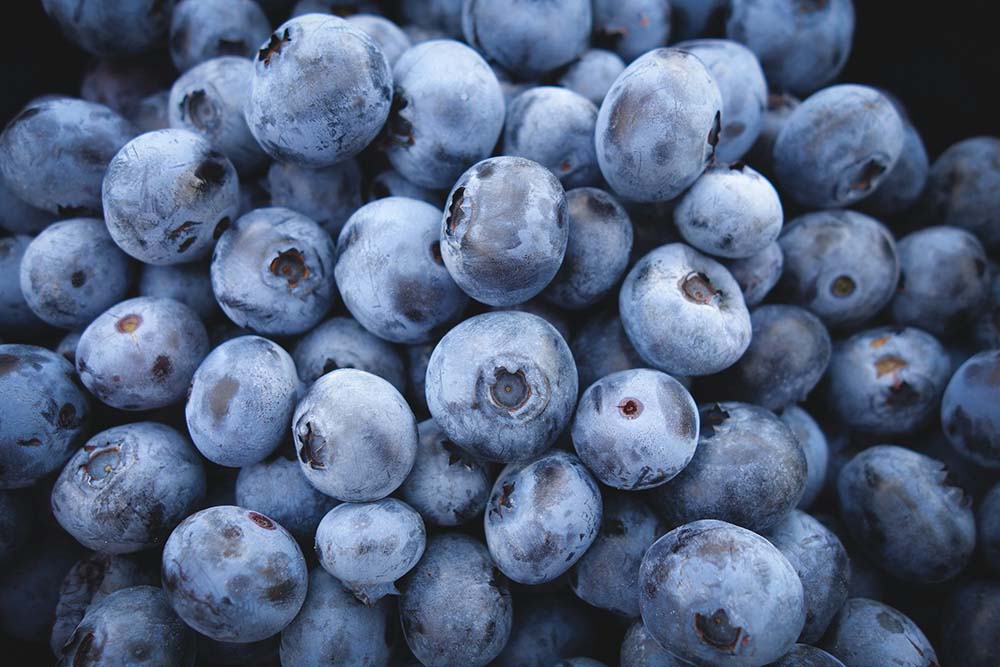
| Scientific Name: | Vaccinium sect. Cyanococcus |
| Nutritional Benefits: | Phytochemicals, antioxidants |
| Sugar Content (per 100 grams): | 8 grams |
Blueberries are a nutritional powerhouse packed with vitamins and minerals like vitamin K and manganese. They’re high in the good stuff and very low in calories. They get their gorgeous hue from anthocyanins, phytochemicals that may reduce inflammation and protect the heart. You can feed them to your dog as a snack or even as a meal topper to entice them to eat their food.
4. Cucumbers

| Scientific Name: | Cucumis sativus |
| Nutritional Benefits: | Hydration |
| Sugar Content (per 100 grams): | 2 grams |
While you may not consider a cucumber a fruit, botanically, it is! Cucumbers are a fantastic, crunchy snack and are especially great for overweight dogs as they’re very low in carbohydrates. They’re a perfect summer snack because they’re full of satiating hydration. But it’s not just the water content that benefits your pup; cucumbers are loaded with vitamins K and B1, which are necessary for normal blood coagulation and brain function, respectively.
5. Cranberries
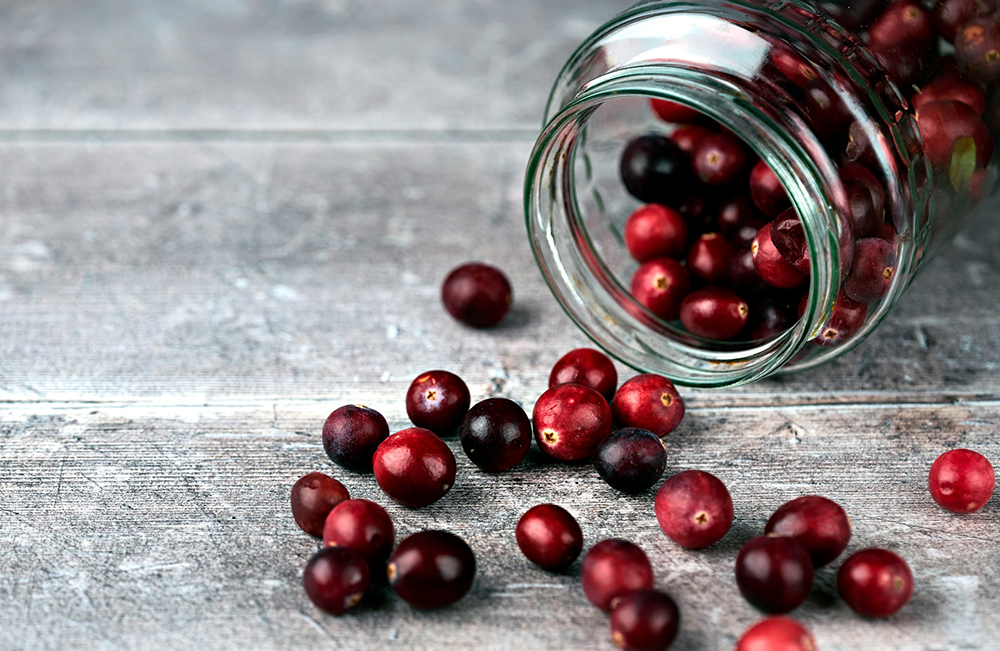
| Scientific Name: | Vaccinium subg. Oxycoccus |
| Nutritional Benefits: | Antioxidants |
| Sugar Content (per 100 grams): | 4 grams |
There’s a reason why so many commercially made dog foods contain cranberries. These powerful little superfood berries are extremely high in antioxidants, vitamins, fiber, and minerals. Their high antioxidant content may help prevent diseases and boost your pup’s immune system. Even the dried variety is safe and healthy for dogs so long as there are no added sugars or preservatives and they’re only offered in small portions.
6. Honeydew
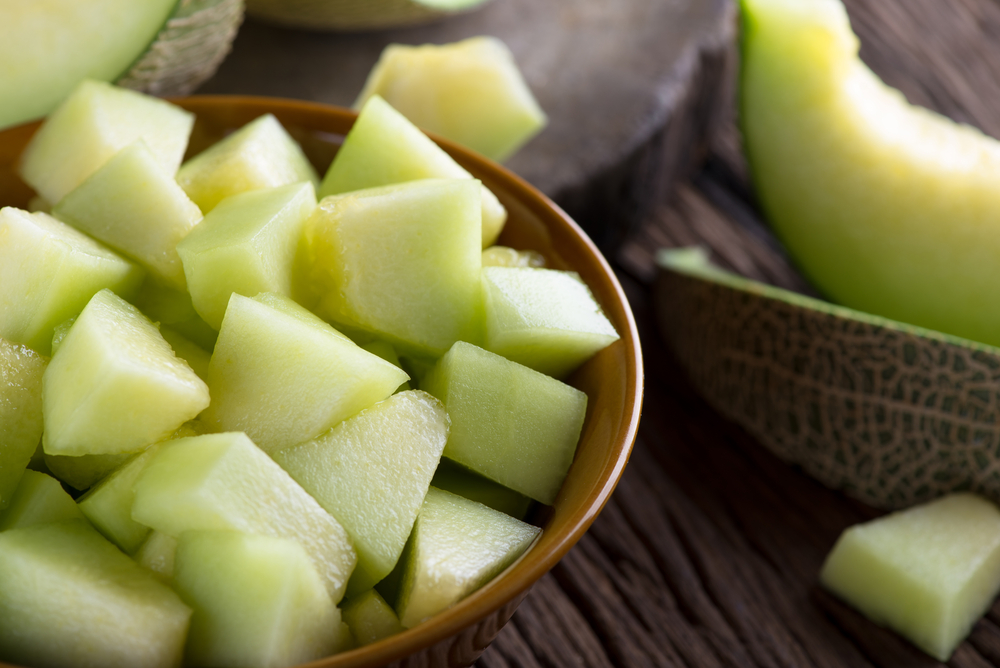
| Scientific Name: | Cucumis melo L. |
| Nutritional Benefits: | Potassium and fiber |
| Sugar Content (per 100 grams): | 8 grams |
Honeydew is a great melon option for dogs due to its low calorie and high water content. This is a perfect summer fruit for your pup to help keep them hydrated. It contains a good amount of vitamin B6, which your dog needs for glucose generation and nervous system function.
Remove the rind and seeds before offering any to your dog to prevent choking hazards and blockages.
7. Mango
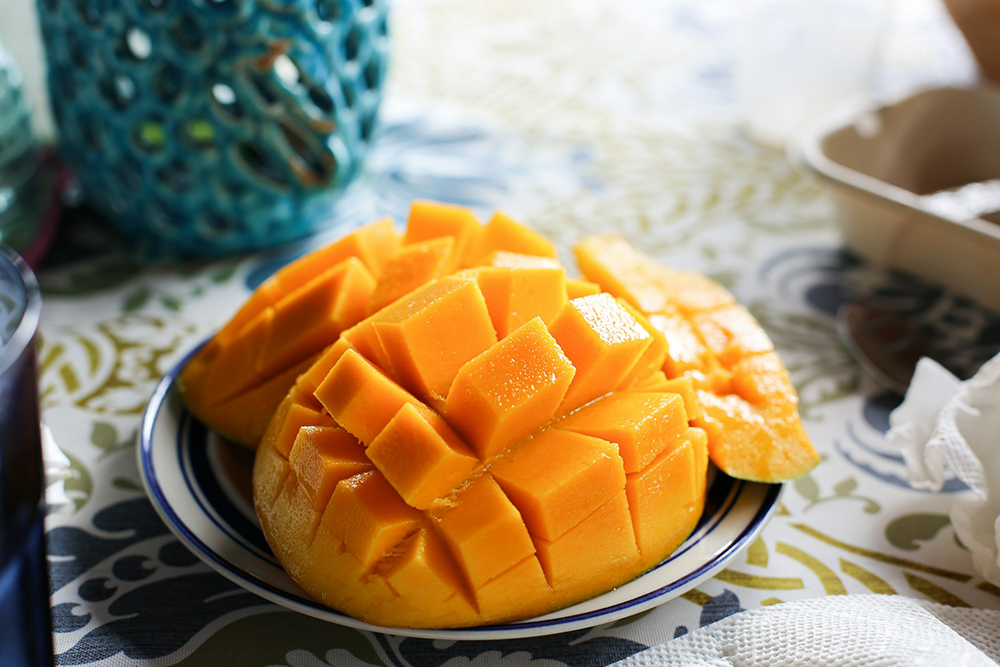
| Scientific Name: | Mangifera indica |
| Nutritional Benefits: | Vitamins A and E |
| Sugar Content (per 100 grams): | 14 grams |
Mangoes are tasty tropical fruits with many nutritional benefits, such as vitamin E, an antioxidant that can help protect against oxidative damage. They also contain carotenoids like beta-carotene, which may help restore immune responses in older dogs1. However, mangoes are high in sugar and should only be consumed in moderation. The pip can cause a gastric or intestinal blockage if eaten, so must be avoided.
8. Pineapple
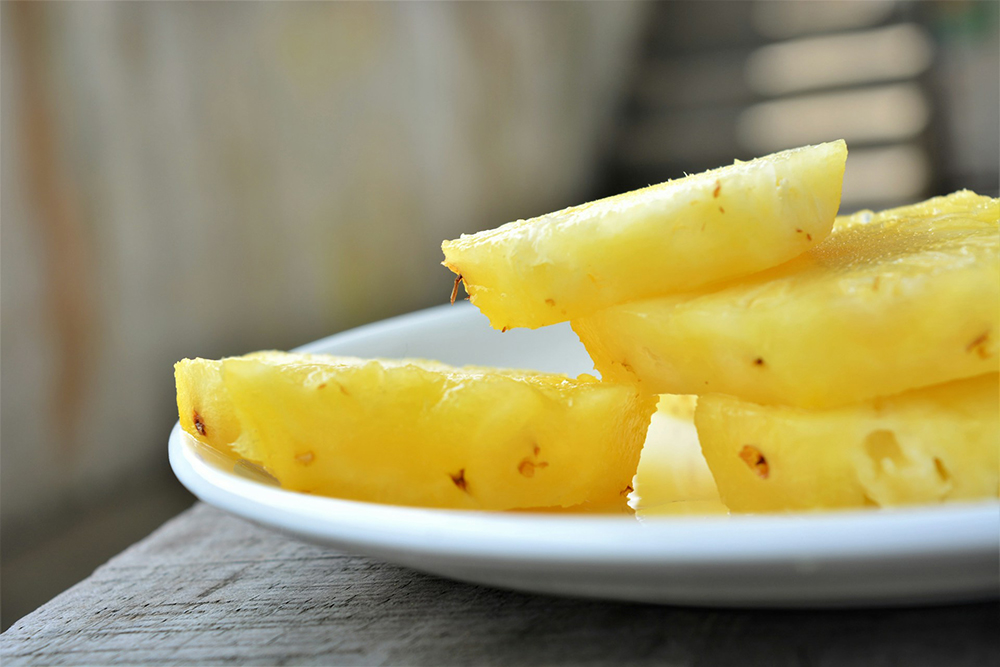
| Scientific Name: | Ananas comosus |
| Nutritional Benefits: | Antioxidants, bromelain, vitamins A, K, B6, potassium and magnesium |
| Sugar Content (per 100 grams): | 12 grams |
Like mangoes, pineapples are yummy tropical fruits with a lot to offer your pup. As long as you remove the sweet flesh from the prickly outer peel and crown, pineapples provide a hefty dose of vitamins, minerals, fiber, and an enzyme known as bromelain. Some anecdotal evidence suggests that bromelain may help with pain and inflammation.
Be careful not to offer pineapple too often, as its high acidity can cause stomach upset.
9. Pumpkin
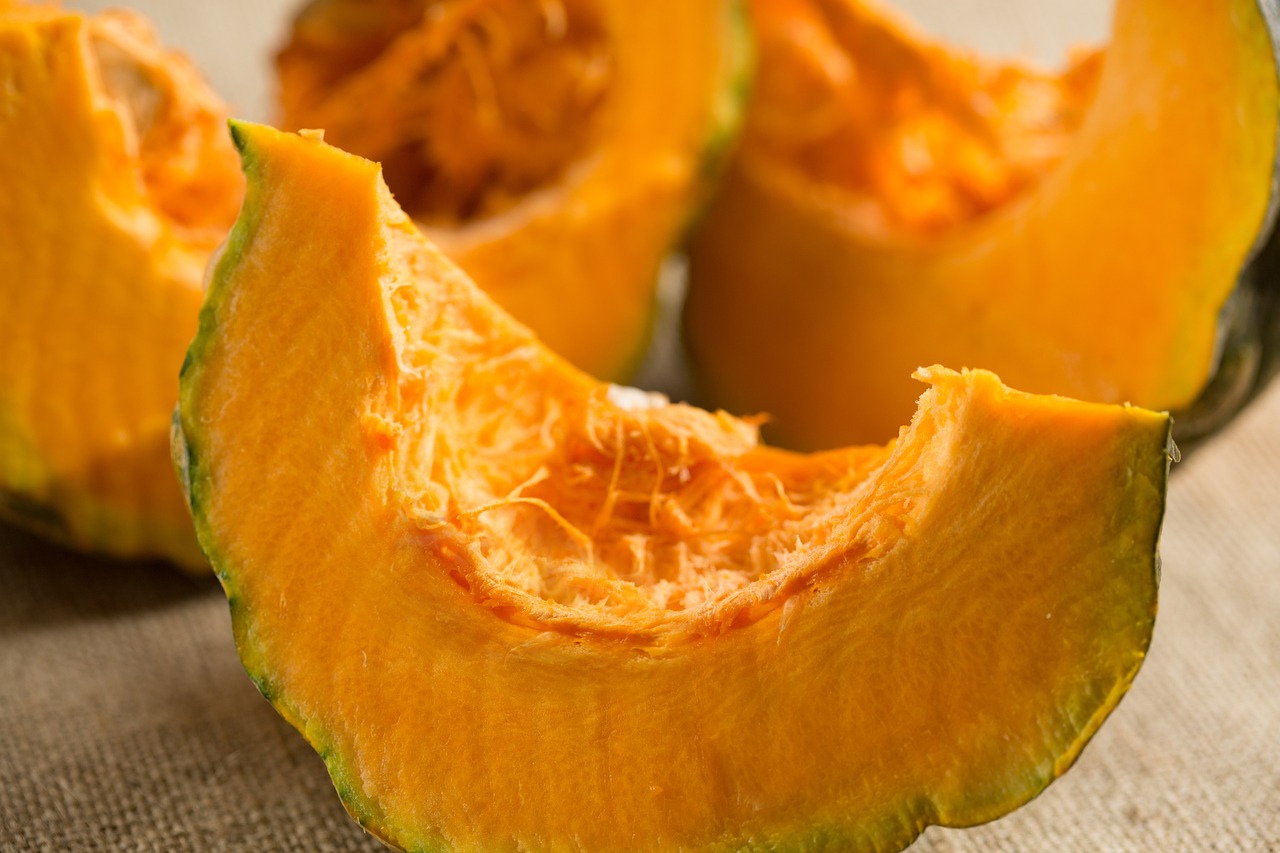
| Scientific Name: | Cucurbita pepo |
| Nutritional Benefits: | Digestion |
| Sugar Content (per 100 grams): | 3 grams |
Pumpkin is another ingredient you probably see often in your dog food ingredient list. Pure pumpkin is full of antioxidants, but its real superpower is what it can offer dogs suffering from diarrhea and constipation. Pumpkin is high in soluble fiber, making it very good for your pup’s digestion. It can add bulk to their stool, reducing issues with diarrhea. Alternately, the moisture in canned pumpkins can help loosen your pup’s stool if they’re constipated.
10. Watermelon

| Scientific Name: | Citrullus lanatus |
| Nutritional Benefits: | Hydration |
| Sugar Content (per 100 grams): | 9 grams |
Watermelon is another moisture-rich fruit that’s great for hydration on those hot summer days spent at the beach or in the backyard. It’s a great source of vitamins A and B6. Try freezing chunks of watermelon for a fun enrichment treat for your pup.
As with honeydew melons, it’s important to remove the rind and seeds of the watermelon before offering any to your dog.
11. Raspberries

| Scientific Name: | Rubus idaeus |
| Nutritional Benefits: | Antioxidants |
| Sugar Content (per 100 grams): | 4 grams |
Raspberries are another nutritional powerhouse, full of antioxidants that are great for your dog in moderation. They’re low in sugar and calories compared to other fruits and offer a great dose of fiber and manganese. Manganese is a micromineral that plays a role in hundreds of enzymatic functions, like converting your pup’s food into energy.
Please note that raspberries have one of the highest levels of naturally occurring xylitol, a sweetener found in many fruits and vegetables. Xylitol can be toxic to dogs, so it’s best to feed raspberries in moderation.
12. Peaches

| Scientific Name: | Prunus persica |
| Nutritional Benefits: | Vitamin A, fiber |
| Sugar Content (per 100 grams): | 9 grams |
There’s nothing like a fresh, juicy peach on a hot summer day, and it shouldn’t be only you enjoying this tasty fruit this summer. Peaches offer a good source of vitamin A and fiber, but make sure your pup doesn’t get a hold of the pit. The stone is not only a choking and intestinal blockage hazard, but it also contains a sugar-cyanide compound known as amygdalin, which can be lethal if eaten in high quantities. Peaches are high in sugar so should only be offered in moderation.
13. Cantaloupe

| Scientific Name: | Cucumis melo var. cantalupensis |
| Nutritional Benefits: | Vitamin A, fiber |
| Sugar Content (per 100 grams): | 9 grams |
Cantaloupe is a nutritious, low-calorie snack that offers a good dose of hydration and fiber for your pup. As with other fruits mentioned above, it is high in sugar, so it should only be offered in moderation, especially when obese or diabetic dogs are considered.
Remove the rind and seeds before offering cantaloupe to your pet.

What Makes a Fruit Suitable for Dogs?
Before offering fruit to your dog as a snack or meal topper, it’s important to know what you need to consider before choosing which fruit you’d like to provide.
The best fruits for dogs are those that offer a hefty dose of vitamins, minerals, antioxidants, and hydration.
It is good to know the sugar content of the fruit, as excess sugar can lead to gastrointestinal upset. In dogs with diabetes, sugary foods should be avoided.
It’s also essential that the fruit you offer is prepared properly. They need to be thoroughly washed to remove any pesticides used during the growing stage. Stems, pits, seeds, peels, and rinds should be removed, and the pieces should be cut into sizes appropriate for your dog’s size.
Never offer canned or dried fruit, as it’s often laden with syrup and sugar.

Are Any Fruits Toxic?
Not all fruits are healthy for your dog.
Grapes are one of the fruits you need to keep far out of your dog’s reach. Grapes and their dried counterparts (raisins, sultanas, currants) are highly toxic to dogs. It wasn’t until recently that scientists have made steps in determining what causes this toxicity. The proposed offending compound is tartaric acid, although this still hasn’t been absolutely confirmed. Grape ingestion can cause vomiting, diarrhea, excessive thirst, and kidney damage or failure. The best prognosis requires prompt treatment.
Although often mistaken for a vegetable, avocado is another fruit to steer clear of. The flesh isn’t toxic to dogs, but its high fat content can cause pancreatitis if eaten in high quantities.
If you need to speak with a vet but can't get to one, head over to PangoVet. It's our online service where you can talk to a vet online and get the advice you need for your pet — all at an affordable price!
Final Thoughts
Fruit can be a nutritious and tasty addition to your dog’s diet, but you must learn how to offer them safely and what each fruit contains before giving any to your pup. Some fruits are higher in sugar than others, which may make them more suitable as a very occasional treat than something you can offer several times a week.
Related stories:
Featured Photo Credit: Anna_Belova, Shutterstock
 The 13 Fruits That Dogs Can Eat