How to Prevent Dog Bites: 15 Vet-Approved Tips to Reduce the Risk


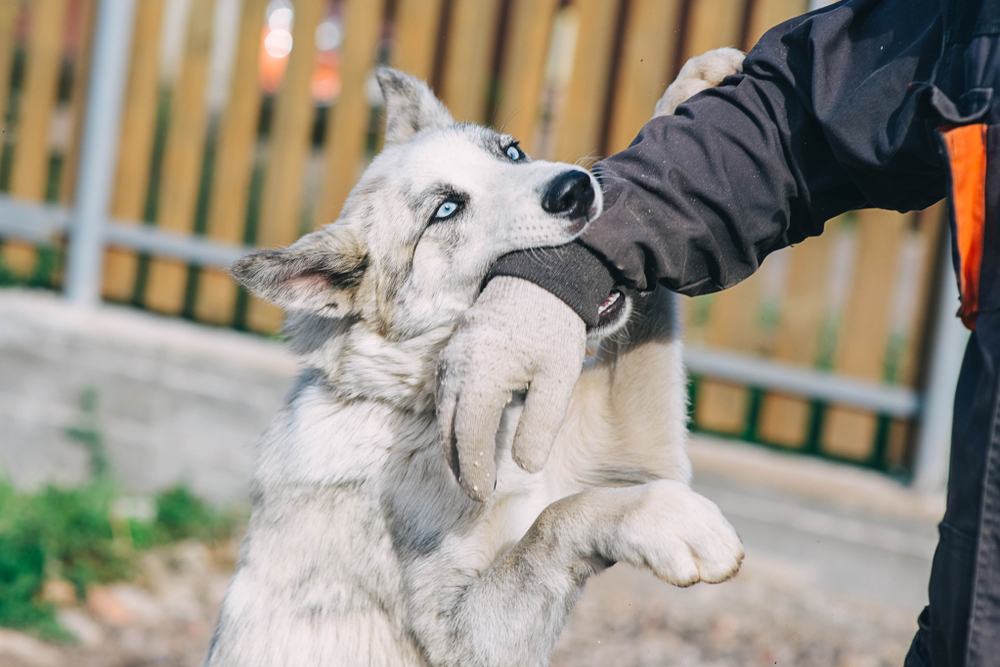
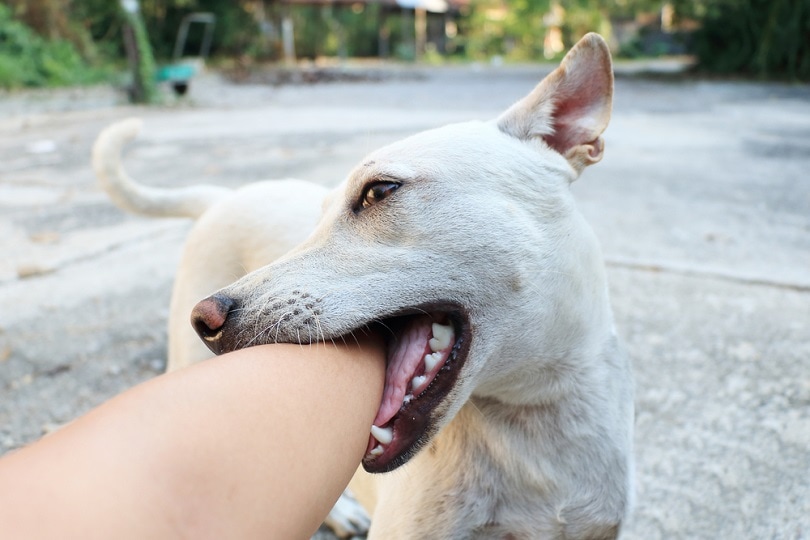
Roughly 62 million American households have at least one pet dog,1 but despite our close relationship with canines, about 4.5 million people are bitten yearly, with 20% requiring medical treatment for their injuries.2 These figures capture the reality of the human-canine conflict. Aggression isn’t abnormal behavior for these animals. After all, they are predatory animals who have depended on these types of actions for survival.
Nevertheless, biting is unacceptable from our perspective. However, we have to acknowledge our role in their behavior as well. While dogs are intelligent, we shouldn’t create situations where a canine feels compelled to bite. Prevention is the best way to safeguard our bond with our animal companions, but what are some other ways to prevent this from happening?

The 15 Tips to Reduce the Risk of Dog Bites
1. Keep Your Dog Updated on Vaccinations
You must keep your dog updated on their vaccinations, particularly rabies. If your pup bites someone and isn’t up to date on their rabies vaccination, it can create complications such as quarantining your dog. The disease still occurs in canines, with around 60 cases reported annually.3 While it won’t prevent dog bites, it can lessen the severity of the consequences if your pooch is vaccinated.

2. Supervise All Interactions With Children
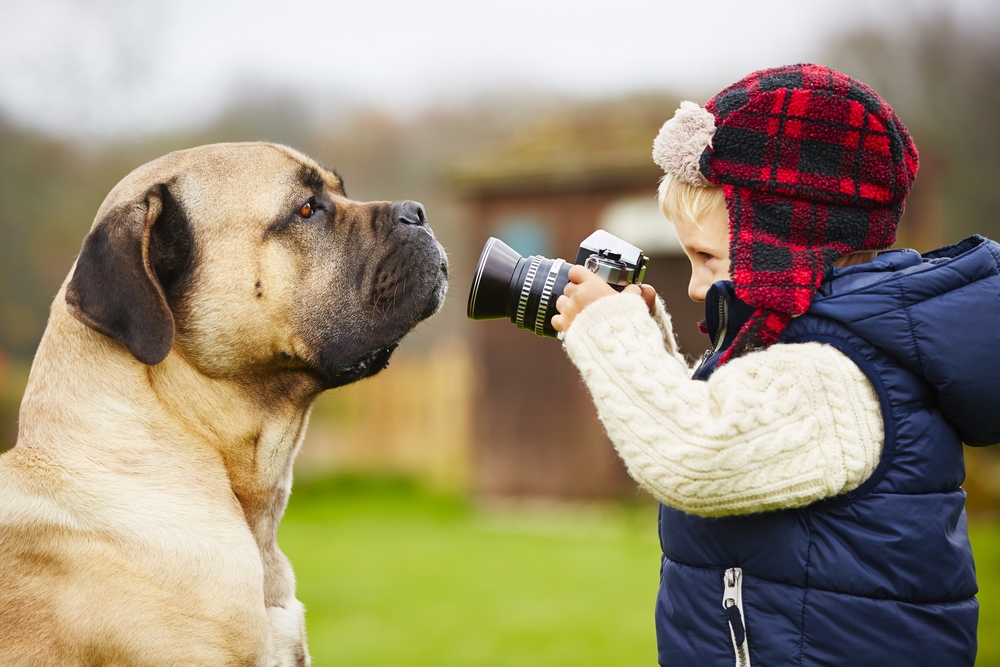
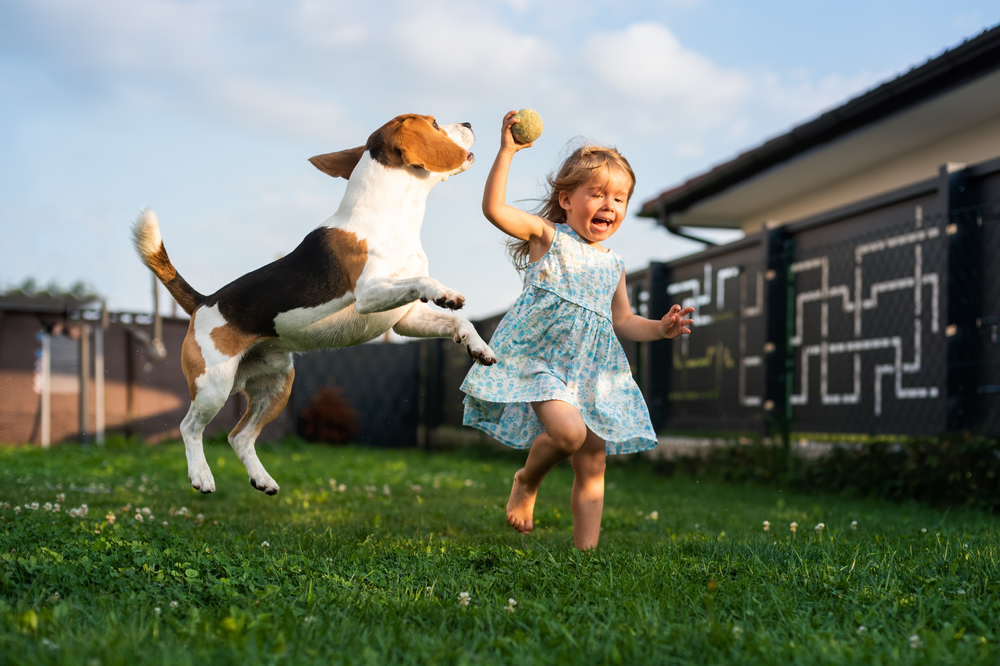
Dogs seem to be able to read people pretty well, as they can pick up on the emotions we convey in our body language and tone. However, it’s not always a two-way street. Children under 6 years old aren’t able to read canines as accurately as older children and adults. Therefore, supervising playtime with kids is imperative to avoid situations where a pup might bite.
3. Properly Socialize Your Pet
An important part of puppyhood is socialization. This involves introducing them to new situations, people and animals to help prevent fearfulness that can lead to aggressive behavior later on. Pet owners must ensure these encounters don’t frighten puppies, which can make them more reactive as adults.
Older dogs can still be socialized as well, it just may take more time and patience on your part to introduce them to new situations and reward them for good behavior. If you’re struggling with socializing your puppy or adult dog, talk to your vet or a professional trainer.

4. Learn to Read Canine Body Language
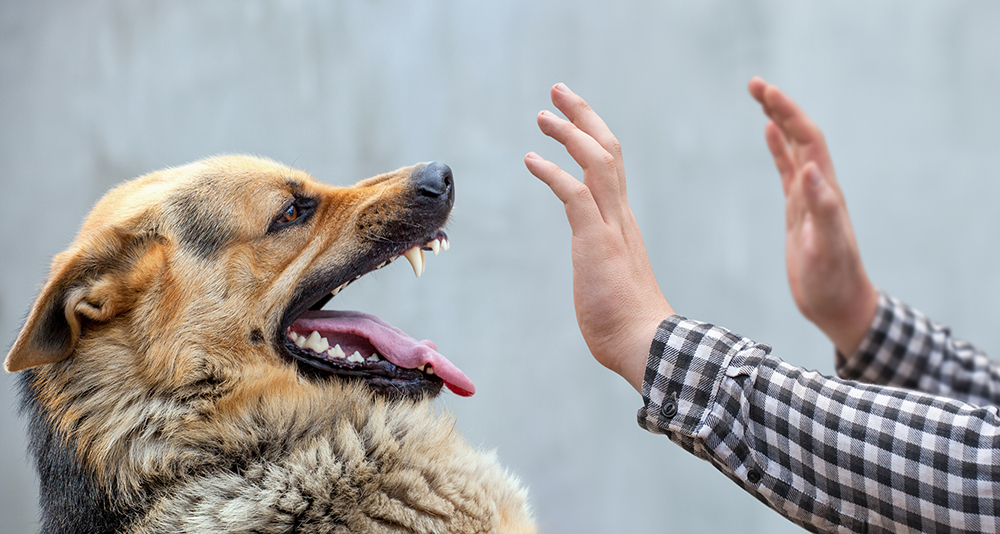
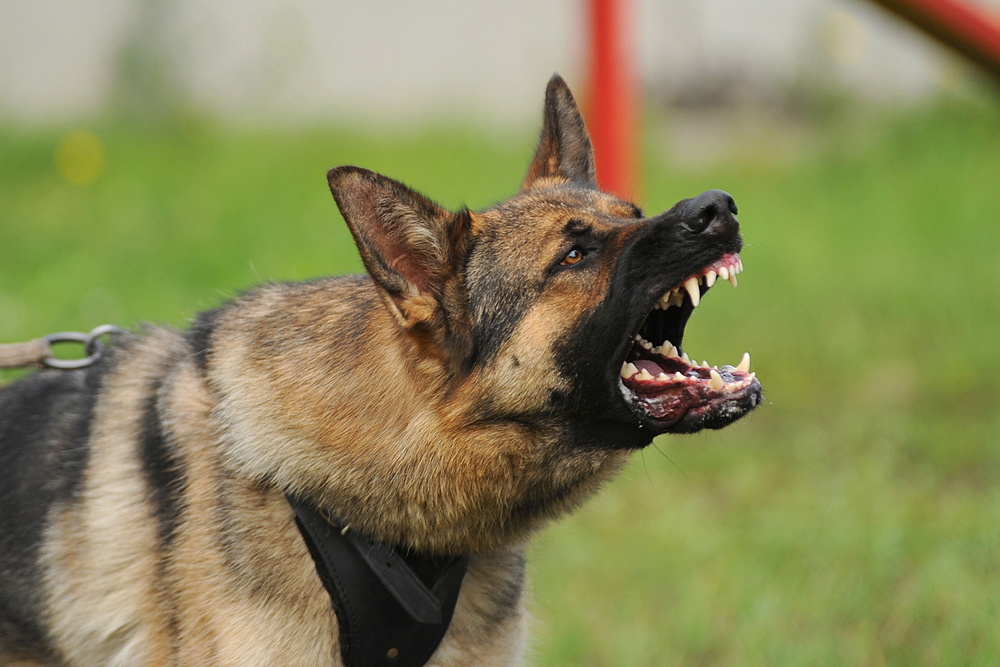
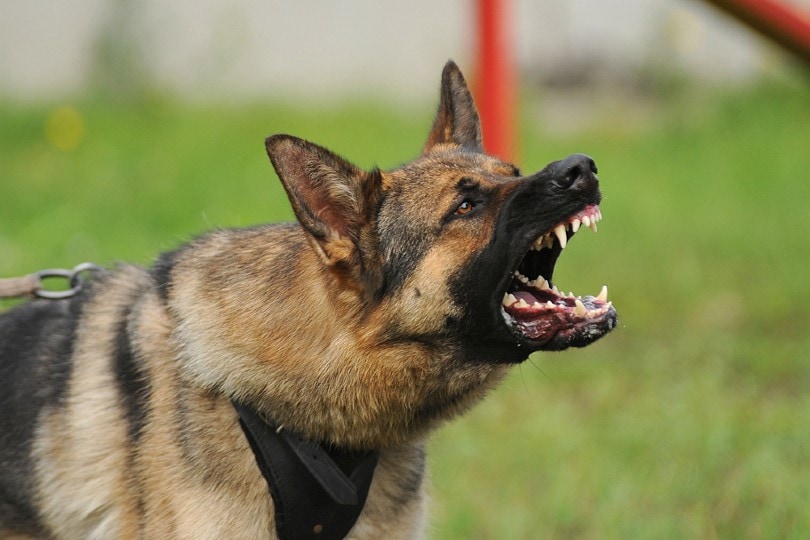
It behooves pet owners to pay attention to canine body language. Your dog isn’t a closed book, as you can read the visual and audio clues that signal they’re uncomfortable. It's evident that something is amiss if a dog growls or raises the hair on their back. However, a pooch may yawn or whimper if something bothers them as well. Notice the signs of a dog’s uncomfortableness or fear and take the appropriate action to diffuse the problem.
5. Embrace Positive Reinforcement Training
Positive reinforcement creates a better environment for training because it doesn’t make a dog defensive or fearful. Instead, it rewards accepted behavior with something desirable for your pet, like a treat or praise. So, your dog is going to be more trustful of you and others when they’re treated with kindness and respect for good behavior rather than anger or abuse when they make a mistake.

6. Respect Your Dog's Space
One reason a dog may bite is because they feel threatened by something. It could be because of the potential loss of territory or food, for example. Remember that canines operate with survival in mind. Domestication hasn’t pressured dogs to completely lose this instinct, and it still lurks below the surface. That makes respecting your pet’s space vital. So, be sure to teach your kids or houseguests to leave your pooch alone when they are doing things like sleeping or eating.
7. Discuss Sterilization With Your Vet
Statistics show that intact canines are more likely to bite than spayed or neutered pups. Nevertheless, sterilization isn’t a black and white matter. Health risks exist for some breeds, making the decision challenging. Therefore, we recommend discussing it with your vet to balance the pros and cons based on your pup’s situation. But in general, most vets will recommend the procedure in order to help combat aggressive behaviors among other things.
8. Understand the Triggers of Biting
Fear and threats to survival are potential triggers to an animal biting. A dog may bite if they are startled by something. A pup may also act aggressively if they are sick or in pain, so survival is at work since they may feel vulnerable. Think of how you may react if someone disturbs you while you’re nursing a cold or injury. Your pet isn’t much different! Understand what their triggers are and respond accordingly.
9. Avoid Risky Situations
You know your dog best, and you’ve probably learned what pushes your pup’s buttons. For example, your pet may seem uncomfortable around barking canines or those pushing for roughhousing. One of the best ways to prevent dog bites is to avoid situations that will upset your pooch and put them on the defensive. Pay attention to the silent clues of a volatile situation and remove them from the triggering environment or situation as soon as possible.

10. Be Wary of Unfamiliar Pets
Both dogs and people should be wary of new animals. You shouldn’t automatically assume that a dog is friendly until you know for sure. Always ask permission from other owners before petting their dog or allowing yours to play with them. Teach kids that they shouldn’t pet strange dogs unless allowed to do so by the owner.
11. Train Your Dog
Pet ownership is a big responsibility, and you must thoroughly train your dog if you bring one home. You should teach your new pet the basic commands of “sit,” “stay,” “come,” and “no.” You should also get your dog used to being on a leash and heeling when needed. These are potentially life-saving measures, and they will also make life more enjoyable without the uncertainty of an untrained pet.

12. Own Up to Your Responsibility as a Pet Owner
Pet ownership involves teaching your dog things like leash manners. They shouldn’t jump on people, and your dog shouldn’t bark excessively or be nippy. Your responsibility extends to your role as a neighbor. Your dog shouldn’t be the nuisance animal that everyone complains about or avoids. That means having the time and motivation to devote to your pooch so they don’t become a threat!
13. Research Breeds Before Getting a Dog
Genetics plays a role in canine behavior, although the environment and training can impact your pet’s temperament and biting risk. We recommend researching the breeds before getting a dog. For example, some breeds, such as Kangal or Anatolian Shepherd Dog, may not be the best choice for family pets based on their parent club recommendations. So, always do thorough research on any breed you’re thinking about welcoming into your home.

14. Mind the Roughhousing
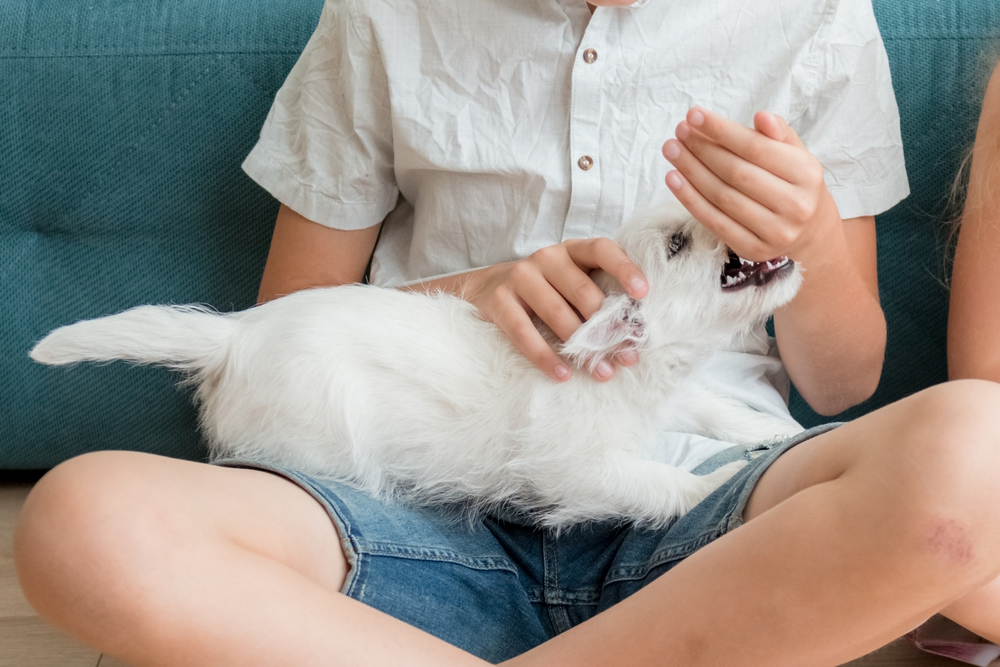
Bites can happen when dogs roughhouse. It’s not necessarily aggression but can be normal canine behavior. Puppies often do battle to establish dominance. If the excitement increases, a child playing with the family pet may get bit. Some breeds are more intense in their play, setting up the scenario for unwanted behavior. Supervision is always necessary to prevent things from escalating.
15. Know Your Dog
Knowing your pup and learning to read their behavior and emotions is imperative. It will go a long way toward diffusing dangerous situations that can lead to biting. Daily interaction helps you recognize the triggers and conditions that may lead to trouble. Canine moods vary with the circumstances. Your responsibility as a pet owner is to understand your pooch and their moods.

Conclusion
Bite injuries can be preventable if you pay attention to the triggers of unwanted behavior. The responsibility also rests with you. Training and socializing your pet are imperative. Remember that your control over your pet is the best way to keep canine instincts in check. It’s not the animal’s fault for reacting to a potential threat; it’s your duty to avoid or prevent situations that increase the risk of aggression!
See also:
Sources
https://www.avma.org/resources-tools/reports-statistics/us-pet-ownership-statistics
https://www.avma.org/resources-tools/pet-owners/dog-bite-prevention
https://www.sciencedirect.com/science/article/abs/pii/S0165587618305950?via%3Dihub#!
https://royalsocietypublishing.org/doi/10.1098/rsbl.2015.0883
https://www.cliniciansbrief.com/article/gonadectomy-dogs-considerations-review
https://www.cdc.gov/rabies/hcp/veterinarians/?CDC_AAref_Val=
Featured Image Credit: Nigmatulina Aleksandra, Shutterstock
Expert dog care, straight to your inbox
Vet-reviewed advice, training tips, and the best of Dogster. Free, and you can unsubscribe anytime.
By signing up, you agree to our Terms & Conditions and Privacy & Cookies Policy.
Since 2009, Chris has written on a variety of topics. Her motto with all of her writing is “science-based writing nurtured by education and critical thinking.” She specializes in scientific topics, with a special love for health and environmental topics, and of course, pets of all shapes and sizes.
Chris lives happily with her husband and three cats in the land of 10,000 lakes, writing, wining, and boating as much as she can. She and her husband, Norm, were awarded the State of Kentucky Colonel Honor for their restoration work at Mammoth Cave National Park.
Join the conversation
Ask a question, share your story, or send private feedback.