5 Tips on Disaster Preparedness for You & Your Dog (2026 Guide)

During the long, hot summers, my thoughts turn to the threat of wildfires. We live in the Santa Cruz Mountains, and the charred fir tree at the edge of our property is a stark reminder of the reality of wildfires. A survey conducted by the American Kennel Club found that 62 percent of pet parents would not leave their pets if they were forced to evacuate to a location where their pet wasn’t welcome. But if it's an immediate threat to your health and safety to stay at home, it’s certainly not safe for your dog. Whether you live in wildfire, hurricane, or earthquake country, it’s smart to have a disaster plan that includes your dog if you need to quickly evacuate.

Here are five tips for disaster preparedness with dog safety in mind:
1. Have an escape route planned
Find alternate routes to safety ahead of time, in case a road is blocked. For example, living in the mountains, I know that if our main artery is blocked, I’ll need to put my dog in our all-wheel-drive car and escape via a dirt road. If possible, practice taking each route so that you’ll be calmer during an actual emergency.
2. Be ready to leave before you're forced
Leave early instead of waiting for a mandatory evacuation order. In some instances, when people have waited for a mandatory decree, emergency officials have told them to leave their pets behind. Have a backup plan with a neighbor to evacuate your dog in case you’re not able to get home in time. Give your neighbor a house key and tell them where your disaster supplies are kept.

3. Find dog-friendly boarding
The American Red Cross recommends researching locations that allow dogs in advance so you have a place to stay. Red Cross shelters do not allow pets (with the exception of service animals). Ask friends and relatives if they would be willing to take in your dog in an emergency. Also, have a list of boarding facilities and veterinarians (with their 24-hour phone numbers) that could shelter your dog. Contact motels outside of your local area to check their policies on accepting pets. Some motels may waive “no pets” policies in emergencies. Websites that list dog-friendly lodging include BringFido, DogFriendly, and Trips with Pets.
4. Make a disaster kit
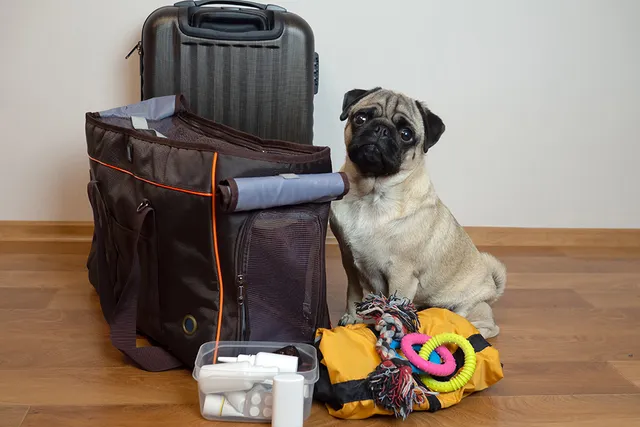
Be prepared by having your supplies together ahead of time so you avoid panicking when you have to leave in a hurry. The Humane Society recommends the following items be included in your kit:
Enough dog food to last one week. The food should be stored in an airtight container and refreshed every six months.
One gallon of water per person, per day. Your dog may not drink as much, but might need water for rinsing off.
Medications and medical records stored in a waterproof container.
First aid kit and a book about dog first aid.
Feeding dishes.
Leashes, harnesses, and carriers to transport your dog safely.
A blanket (to pick up your dog if injured or frightened).
Dog beds and toys, if you can easily take them, to reduce stress.
Important documents such as copies of your pet’s registration information, adoption papers, vaccination documents, and medical records, all in a plastic bag.
Other useful items include newspapers, paper towels, plastic trash bags, grooming items, and household bleach.

5. Make things easy for emergency workers
During a disaster, your dog could get easily separated from you. Make sure your dog has an ID tag and is microchipped with your current contact information. If your dog isn’t microchipped, your vet can do this or you can check your local pet stores and animal shelters for days when they provide this service at minimal cost. You should also have a current photo of your dog, in case you need to make a “lost dog” poster, as well as a photo of you and your dog, in case you are separated and need to prove ownership. The ASPCA has stickers to alert emergency workers that pets are inside your home, available free of charge. Make sure your sticker is visible to rescue workers, and that it includes the types and number of pets in your household and your veterinarian's phone number.
Read more by Cathy Weselby and on the subject of disaster preparation for pets:
Would You Subject Your Dog to a Shock Collar if It Would Save Him from a Rattlesnake?
That's Not a Muzzle on My Dog! It's Called a "Gentle Leader"
Editor's note: Today is National Disaster Preparedness Day, so we're republishing this post from last summer. If you think about these things now, you won't have to if disaster does strike.
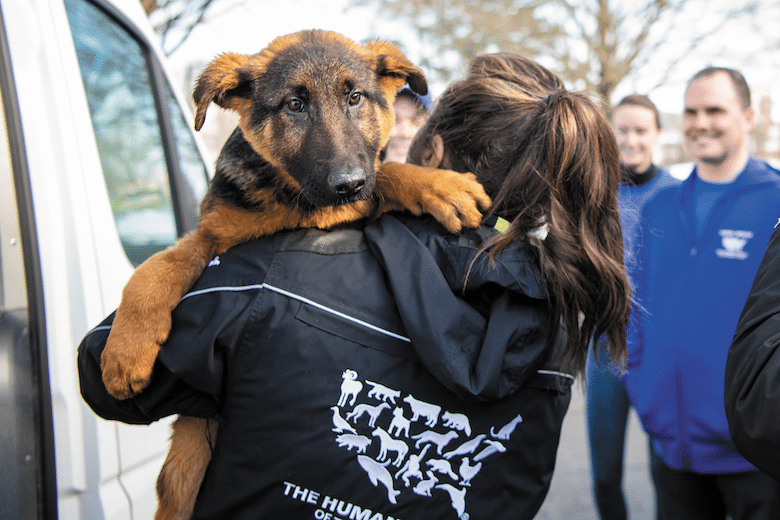
Featured Image Credit: Meredith Lee | The HSUS
Expert dog care, straight to your inbox
News, insights, expert advice, and everything dog.

No spam — unsubscribe anytime.
By signing up, you agree to our Terms & Conditions and Privacy & Cookies Policy.
How useful was this post?
Click a star to rate. You can leave written feedback afterwards. (We read all feedback.)
Nicole has loved animals of all sizes her whole life so it's no wonder she has dedicated her career to helping them through what she loves best: learning, writing, and sharing knowledge with others. She’s the proud mom of two dogs, a cat, and a human. With a degree in Education and 15+ years of writing experience, Nicole wants to help pet parents and pets around the planet to live happy, safe, and healthy lives.