7 Vet-Verified Holiday Plants That Are Poisonous to Dogs (With Pictures)


Tis the season for decorations, and for those dedicated to the holidays, nothing adds charm, joy, and life to the space like seasonal plants. Yet, pleasing as they are to the eye, these holiday species are often dangerous to curious pets. Numerous plants are toxic to our furry friends, leading to everything from mild GI upset to severe veterinary emergencies.
A sick dog can undoubtedly disrupt the cheer and celebration of the season. Before decorating, you’ll ensure everyone’s safety and satisfaction by researching the best and worst types of plants to fill out your home. We’ll help you get started with this look at seven holiday plants that are poisonous to dogs.

The 7 Holiday Plants That Are Poisonous to Dogs
1. Holly

As a lively accent juxtaposing bright reds and glossy greens, holly is a versatile option for holiday decoration. However, its berries may be too much for your dog to resist, which could cause trouble.
The leaves and berries on holly plants contain various toxins (saponins, ilicin, alkaloid theobromine and caffeine) that can lead to gastrointestinal upset and abdominal pain. Your dog may over-salivate, stop eating, or experience diarrhea and vomiting. The theobromine may cause mild stimulation to the neurological system.
Most issues resolve themselves with the treatment of individual signs. You may have to withhold food and water if your dog continues vomiting, and prolonged bouts could require veterinary care for supportive treatment.
2. Mistletoe

No holiday decor would be complete without the traditional mistletoe gracing entryways in the home. Thankfully, mistletoe presents fewer risks for dogs because of its overhead placement and relatively low chances of causing severe poisoning.
American and European mistletoe species contain assorted alkaloids, cardiotoxins, and glycoprotein lectins some of which can affect blood pressure, cell membrane permeability and heart health. European varieties (Viscum album) and American varieties (Phoradendron serotinum) are both toxic. In worst-case scenarios, severe problems like ataxia, shock, and other cardiac and neurological signs can develop, requiring medical care. However, most cases of mistletoe ingestion either go unnoticed or cause mild gastro-intestinal signs including vomiting, diarrhea and lethargy.
Keeping your dog hydrated and maintaining their electrolyte balance will ease much of the distress, though a vet may need to be involved if large amounts have been ingested or if your dog becomes dehydrated.
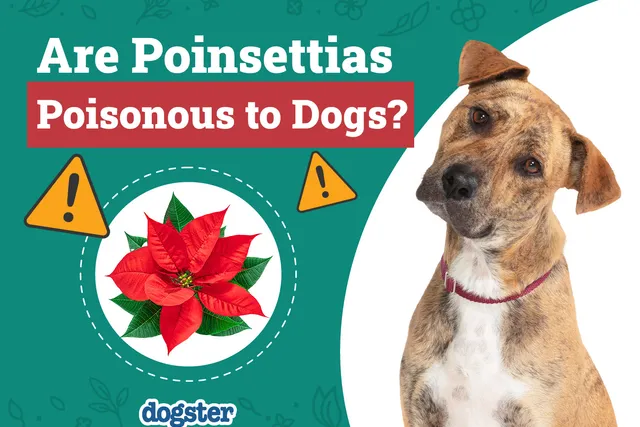
3. Poinsettias

A vibrant poinsettia (Euphorbia pulcherrima) is one of the most visible harbingers of the holiday season. It's also often one of the most accessible plants for an inquisitive dog. The milky white sap of the plant contains very low concentrations of triterpene compounds which can possess cytotoxic properties. The effects of accidental ingestion were overblown in the past, however, the plants can still be mildly problematic.
The milky white sap within the plant can cause irritation and swelling around the mouth and face, including irritant conjunctivitis if it gets in the eye. Skin contact with the sap may cause itching. Typically no gastrointestinal signs will occur, but if they do they will likely include hypersalivation, vomiting, and diarrhea. Signs are generally mild and transient.
Gentle face and body cleaning with warm water and food restrictions for a few hours may be needed to reduce distress.
4. Yew

As a spiky and spritely holiday accent for garlands, wreaths, and arrangements, yews (Taxus spp) are a plant that can be highly toxic to dogs. There are four species of yew that are highly toxic to dogs (as well as humans and many other animals). All parts of the plant, except the soft fruit) contain cardiotoxic taxines, and the seeds contain the highest concentrations.
Unlike most poisons, gastrointestinal signs are not the first to arise after yew ingestion. Initial signs are often cardiovascular related, including rapid onset of a very low or very high heart rate, or arrhythmias (irregular heart rate). Dogs that have ingested yew will have poor blood pressure, poor pulse quality and pale/blue mucous membranes.
Neuromuscular signs include fixed, dilated pupils, weakness, muscular tremors, seizures and coma. Gastro-intestinal signs include vomiting, diarrhea and abdominal pain.
Some dogs die without showing any signs. Due to the high risk, you should immediately follow up with a vet if you suspect your dog ingested any part of the plant.
You might also want to skip the yew decorations if you have pets or kids running around to spare yourself the risk.
5. Anthurium

Anthurium’s gorgeous green leaves and bright red and pink spathes make the potted plants excellent gifts and a delightful bit of flare in a holiday-themed home. However, due to its moderate toxicity, if your dog gets into it, they will find it at least somewhat less pleasant.
Anthurium contains insoluble calcium oxalate crystals. When eaten, the compounds can cause severe irritation to the mucous membranes of the mouth and the throat. Swelling to the tongue and lips may be evident. Your dog may drool excessively, gag, or paw at their face in agitation. If your dog rubs its head against the plant, it can cause conjunctival swelling and sore, photophobic eyes. Vomiting, a decreased appetite, and trouble swallowing are also common. In rare instances, closing of the airway can occur due to swelling of the tongue and back of the throat.
6. Ivy

The ivy plant’s star-shaped leaves along its creeping vine add rich symbolism and beauty to the home. It’s also moderately toxic to animals and humans, with the leaves being the most poisonous. The species that are toxic to dogs include Epipremnum aureum (also known as Devil’s Ivy), Hedera canariensis and Hedera Helix (Common Ivy).
English ivy contains saponins that can irritate skin, and mucous membranes if your dog eats it. Excessive salivation, vomiting, diarrhea, and irritation around the mouth and eyes are common.
Devil’s Ivy has similar effects as English Ivy but it can occasionally also result in laryngeal or glottal edema which may result in breathing difficulties.
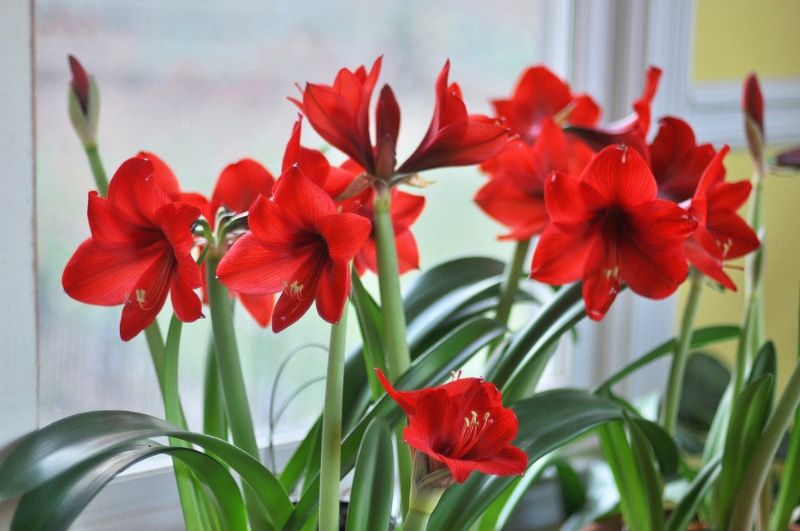
7. Amaryllis

Amaryllis belladonna is another festive plant that makes a beautiful gift but can also cause intense distress if your pup gets into it. The primary toxin is lycorine, which is an alkaloid most concentrated in the bulb but also appears throughout the leaves, flowers and stems.
The ingestion of small amounts of the plant will cause gastrointestinal upset within a few hours. Typical signs include vomiting, abdominal pain, and haemorrhagic diarrhea. With neurotoxic properties, the plant can also cause tremors and convulsions. Most cases are mild due to the plant’s main toxin, lycorine, being a potent emetic. It therefore makes a dog sick before the toxin can be digested. In addition, amaryllis is unpleasant to taste, like many toxic plants, often deterring dogs from overindulging.
What to Do If Your Dog Eats a Poisonous Holiday Plant
Swift action is crucial when you think your dog may have eaten a poisonous holiday plant. Start by contacting a vet or a hotline, such as the ASPCA’s Poison Control Hotline or the Pet Poison Helpline. Do not induce vomiting or apply treatment without consulting them for instructions.
Take the plant away from your dog to prevent further contact. Ensure you know what kind of plant it is and contact a vet before disposing of it. A vet will advise you about the next steps.
Conclusion
Holiday plants present an exciting decorating opportunity, but animals and kids in the house leave more to consider than simple aesthetics. Though fittingly festive, some holiday greenery can also sully the season if your dog is eager for a taste. Minimize the risk and keep the season joyous this year by avoiding poisonous plants like these in your holiday decor.
Sources
Pet Poisons App
Featured Image Credit: Jeri Bland, Shutterstock
Expert dog care, straight to your inbox
News, insights, expert advice, and everything dog.

No spam — unsubscribe anytime.
By signing up, you agree to our Terms & Conditions and Privacy & Cookies Policy.
How useful was this post?
Click a star to rate. You can leave written feedback afterwards. (We read all feedback.)
Nicole has loved animals of all sizes her whole life so it's no wonder she has dedicated her career to helping them through what she loves best: learning, writing, and sharing knowledge with others. She’s the proud mom of two dogs, a cat, and a human. With a degree in Education and 15+ years of writing experience, Nicole wants to help pet parents and pets around the planet to live happy, safe, and healthy lives.