
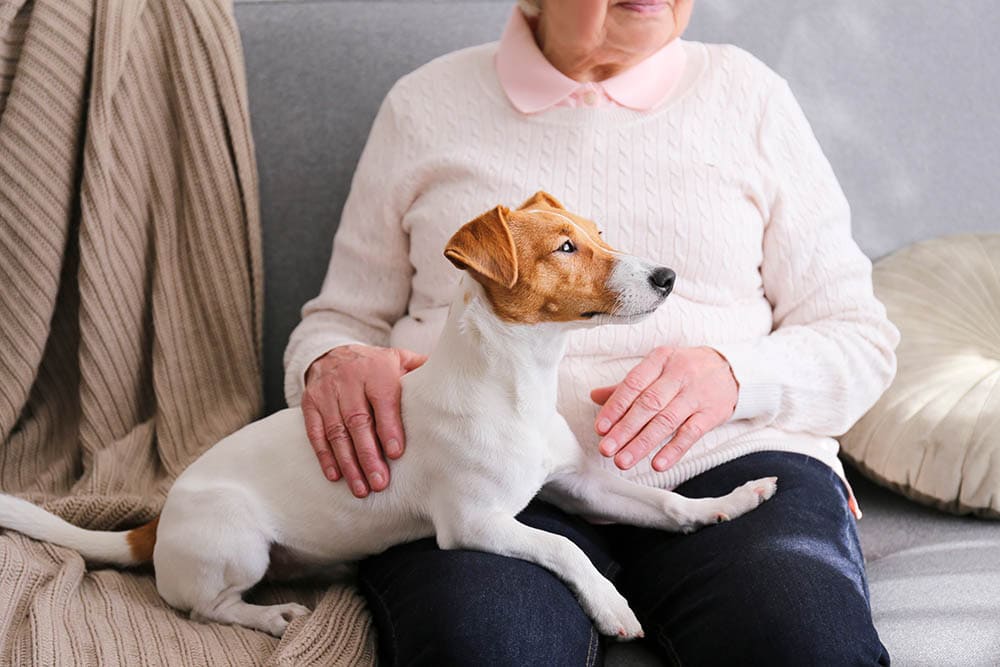
It is not just in modern times that people have been turning to animals for companionship and emotional support. People from all walks of life throughout history have done so. The unconditional love and companionship we receive from our dogs is a gift to us all, but especially for people living with mental health conditions like post-traumatic stress disorder, depression, and anxiety.
That said, what exactly constitutes an emotional support dog? What makes an ideal emotional support dog? In this post, we will explain what an emotional support dog’s role is and introduce you to some popular emotional support dog breeds.

How Are Emotional Support Dogs Classified?
Emotional support dogs are often mistaken for service dogs, but the two have different roles and legal definitions. Service dogs are trained to assist people with disabilities by performing specific tasks.
Examples of service dog tasks include alerting to and providing assistance during and after seizures, fetching medication, closing doors or other household items like cabinets and drawers, and guiding people with sight and hearing impairments, but the list of tasks these dogs can be trained for goes on and on.
By contrast, emotional support dogs are not considered service animals. The role of an emotional support dog is to provide comfort to people experiencing stress, loneliness, depression, phobias, and more. Though they may have received some kind of training, these dogs are not trained to perform specific tasks to assist someone with a physical or psychiatric disability.
So, can only certain breeds, like the ones we will introduce you to further down, be emotional support dogs? The answer is no! Any dog can be an emotional support dog, and it doesn’t matter if they’re a full breed or mixed breed. That said, good emotional support dogs often have certain character traits that make them suited to the role.

The 12 Best Emotional Support Dog Breeds
Before we get into the breeds, we’d just like to echo what we mentioned above—any dog of any breed or mix can make a great emotional support dog. The most important thing is that the person has a strong bond with that dog and that the dog brings them comfort.
- A calm, patient disposition
- Intuitive and in tune with human emotions
- Eager to please
- Affectionate
- Friendly
- Confident but non-aggressive
- Moderate energy levels
1. Golden Retriever
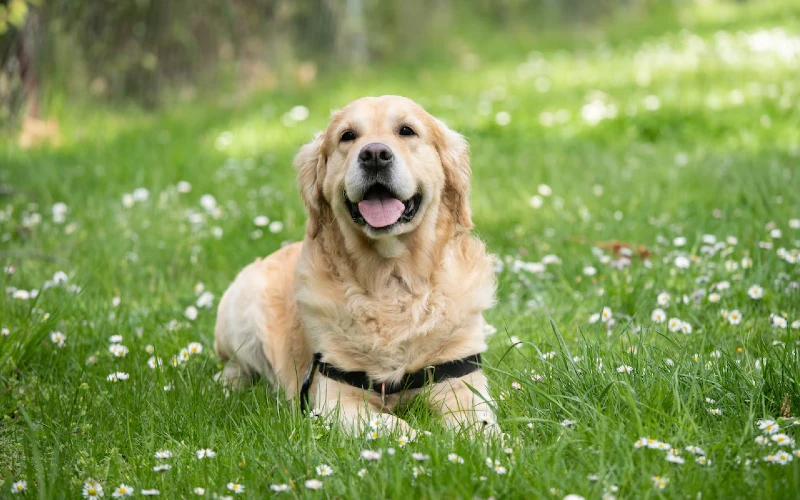
| Origin: | Scotland |
| Lifespan: | 10–12 years |
| Height: | 21.5–24 inches |
Golden Retrievers were originally bred in Scotland as gundogs for the aristocracy and have worked closely with people in several capacities for centuries. This breed is a common choice of service dog, and many of the traits that make them suited to this role are also what make them great emotional support dogs.
Golden Retrievers are known for their loyal, patient, gentle, and sociable personalities, not to mention their high intelligence and trainability. Many Golden Retrievers love to cuddle and greatly enjoy human interaction, so they very quickly win the hearts of everyone they meet. That said, no matter what the breed, early socialization is very important.
2. Yorkshire Terrier
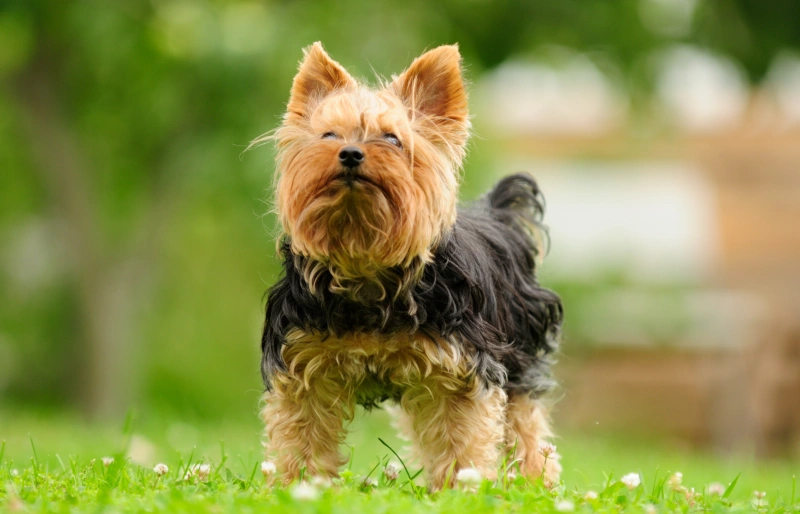
| Origin: | England |
| Lifespan: | 11–15 years |
| Height: | 7–8 inches |
Yorkshire Terriers hail from Yorkshire and Lancashire in England where they were first developed in the 19th century as companion dogs. For those looking for a tiny but spirited dog with an affectionate nature, a Yorkshire Terrier or Yorkie mix might be the pooch for you.
These dogs might be small in body, but they have huge hearts and the bold, feisty streak in their souls that terriers are so well-known for. A Yorkie won’t hesitate to let you know what they think, but this bossiness is balanced out by the abundance of love they have to share.
3. Goldendoodle

| Origin: | Australia & US |
| Lifespan: | 10–15 years |
| Height: | Below 14 inches to over 21 inches |
The Goldendoodle is a cross between a Poodle and a Golden Retriever, originally developed as companion dogs that started to become popular in the 1990s.
The goal was to produce a low-shedding, intelligent, playful, and sweet-natured dog, and breeders adapted the size somewhere along the line to produce petite, mini, and medium-sized Goldendoodles in addition to standard-sized ones.
It’s not just Goldendoodles that make wonderful companion dogs, though. There are a multitude of “Doodle dogs” created by pairing Poodles with other breeds like Labradors (Labradoodle), Australian Shepherds (Aussiedoodle), and Bernese Mountain Dogs (Bernedoodle), to name a few.
4. Great Dane

| Origin: | Germany |
| Lifespan: | 7–10 years |
| Height: | 28–32 inches |
Despite the name suggesting the Great Dane originated in Denmark, they are, in fact, German dogs, and were once set to work in the country as boar-hunters.
Well-socialized Great Danes make lovely, dependable emotional support dogs for those who are ready to handle the challenges that come with parenting such a huge dog. Personality-wise, they’re often said to be calm, patient, and friendly, and their gentle disposition may be very soothing to someone going through tough times.
Don’t be fooled by the Great Dane’s enormous physique and intimidating appearance: many won’t hesitate to hop up next to (or even on you) for a big cuddle.
5. Labrador Retriever

| Origin: | Newfoundland |
| Lifespan: | 11–13 years |
| Height: | 21.5–24.5 inches |
The Labrador Retriever’s ancestors, valued by fishermen for their swimming and diving capabilities, worked as waterdogs in Newfoundland and were later exported to Britain, where further development took place.
This energetic, kind, and reliable medium-sized dog is one of the most popular breeds in America, currently ranking at number two on the AKC’s breed popularity ranking. They’re deeply devoted to their humans and form deep bonds with them—which is essential for emotional support dogs—but they’re often friendly with new people, too.
6. Havanese

| Origin: | Cuba |
| Lifespan: | 14–16 years |
| Height: | 8.5–11.5 inches |
The Havanese is the only breed to come out of Cuba. Here, from around the 17th century, they were companion dogs for the wealthy.
Today, the Havanese continues its centuries-old tradition of providing love and laughs in abundance to people the world over. They’re typically very affectionate, merry dogs that bring a healthy dose of good humor to their interactions, which makes the perfect combination for people feeling stressed, anxious, overwhelmed, or depressed.
Havanese dogs, like many other small, Bichon-type dogs are also very adaptable and can be pretty much happy anywhere as long as all their needs are met, whether that’s in a big house or a small apartment. Dogs this devoted can be prone to separation anxiety, however, and like to be around their humans much of the time.
7. Vizsla

| Origin: | Hungary |
| Lifespan: | 12–14 years |
| Height: | 21–24 inches |
The Vizsla’s ancestors were Magyar dogs, and the Vizsla we know and love today is the product of years of development by Hungarian nobles and warlords who used them for hunting.
In addition to being known for their athleticism and versatility, the short and smooth-coated Vizsla is a much-loved companion in many households thanks to their lovey-dovey, “stuck-on-you”-type personalities.
They make wonderful companions for people in need of emotional support and who also need a bit of encouragement to get out and about, because this energetic dog is sure to keep you on your toes.
8. Pit Bull

| Origin: | UK |
| Lifespan: | 8–15 years |
| Height: | Varies, typically medium-sized |
You might be surprised to see this entry due to the bad rep these mixed breeds (“pit bull” is not a breed but refers to dogs with certain physical features) get, but according to the American Temperament Test Society, Pit Bulls sail through temperament tests 87% of the time.
This places Pit Bulls at number four out of 122 breeds, backing up what Pittie lovers say about the majority of these dogs being friendly, non-aggressive, and affectionate. In fact, Pit Bulls can make just as good a therapy, emotional support, or service dog as any other breed as long as they’ve been socialized and trained properly.
Sadly, some owners fail to take the time to adequately socialize Pit Bulls or use them for “protection” or dog fights, which exacerbates the misconception that these dogs are “vicious” or “inherently aggressive”.
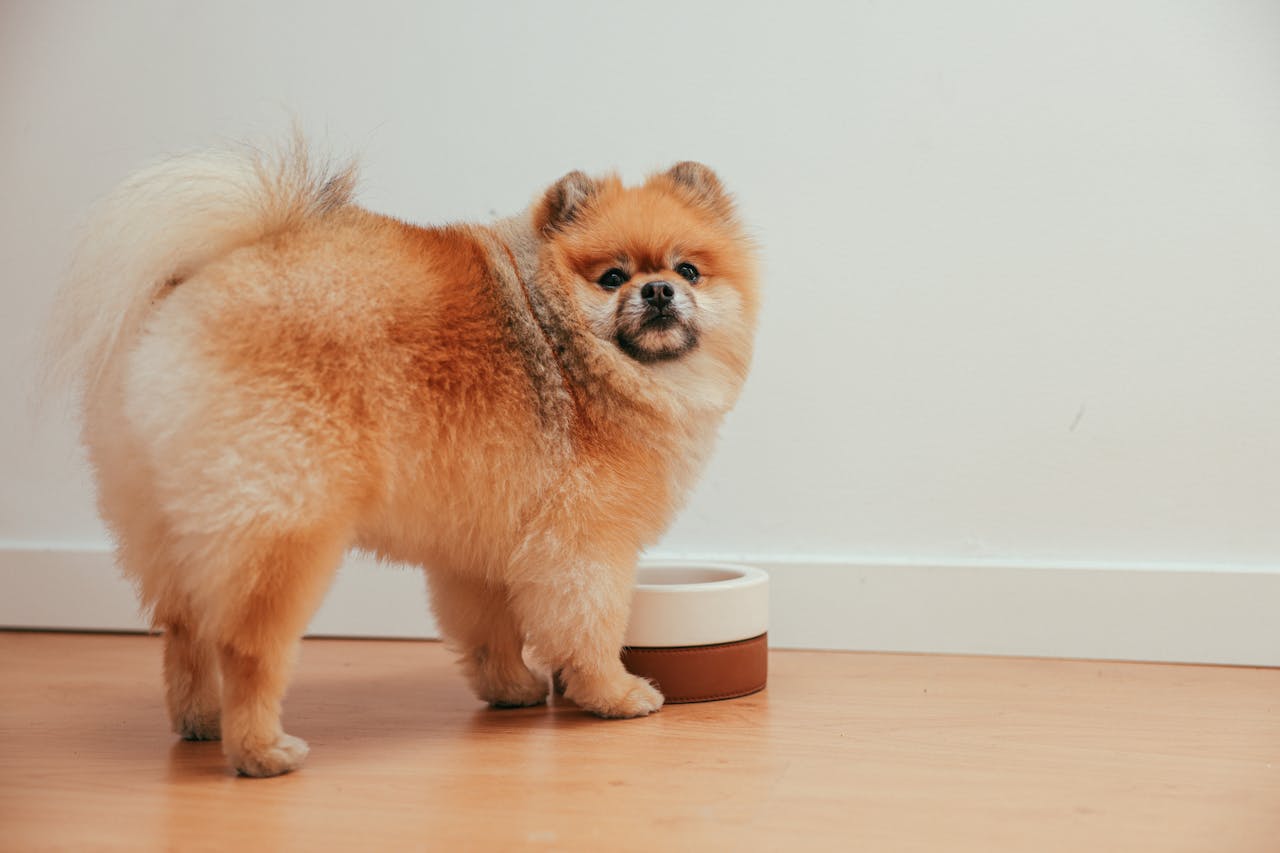
9. Pomeranian

| Origin: | Pomerania (a historical region in Central Europe) |
| Lifespan: | 12–16 years |
| Height: | 6–7 inches |
Pomeranians descend from spitz-type dogs that have, throughout history, pulled sleds in the Arctic. Years and years of development produced the much smaller Pomeranian we know today.
These tiny dogs are another example of how good things come in small packages. The small size doesn’t stop the Pomeranian from thinking they’re the boss, though their bossy streak is nicely balanced by their devotedness and friendliness.
10. Saint Bernard

| Origin: | Italy & Switzerland (Western Alps) |
| Lifespan: | 8–10 years |
| Height: | 26–30 inches |
Saint Bernards had their beginnings in the Western Alps where they worked alongside hospice monks to rescue lost travelers, some of whom had fallen victim to avalanches.
If you have a soft spot for gentle giants, the Saint Bernard will easily win a place in your heart. These huge dogs are famously gentle with both adults and children and have endless stores of patience and kindness. Dogs of this size aren’t for everyone, though, and they can be more prone to health issues like bloat and hip dysplasia, so think carefully before you make a Saint Bernard your emotional support animal.
11. Poodle

| Origin: | Germany |
| Lifespan: | 10–18 years |
| Height: | 9–15+ inches |
One of the things people find most surprising about Poodles is that they actually didn’t originate in France—a country they’re commonly associated with. They date back to medieval Germany where they were bred for duck-hunting.
Poodles may have a reputation for snootiness but underneath that polished exterior is a loveable, loyal, and endearingly goofy dog that will never fail to put a smile on your face. All these qualities make for an excellent companion and emotional support pooch. Poodles are also very versatile and come in several different sizes.
12. Bichon Frise

| Origin: | Tenerife |
| Lifespan: | 14–15 years |
| Height: | 9.5–11.5 inches |
The Bichon Frise is a relative of the Havanese, Maltese, and Bolognese (all of which, incidentally, are also great potential emotional support dogs) and was likely developed on the island of Tenerife.
In a nutshell, the Bichon is a ball of love wrapped in a fuzzy, curly, white package. They’re incredibly adaptable, alert, clever, and gentle-natured, and many love to snuggle up with their humans. They’re the perfect blend of playful and peaceful, often extending the paw of friendship to those outside the family, too.
Conclusion
In this guide, we’ve explored 12 fantastic emotional support dog breeds, but we’d like to stress that there are so many kinds of dogs that have just as much potential for this role, whether they’re a purebred or a mixed breed. The type of dog you choose should be secondary: It’s essential to go for a dog that you feel a connection with.
To finish, we’d like to encourage our readers looking for an emotional support dog to reach out to rescue organizations to find your perfect match. A dog that you give a second chance will pay back your kindness with an abundance of love.
See Also:
- Cat Breeds With Big Ears (with Pictures)
- Best Guard Dog Breeds for Protecting Your Home (with Pictures)
Featured Image Credit: everymmnt, Shutterstock
 How Are Emotional Support Dogs Classified?




















2 Responses
Thank you for the article on the top emotional support dogs. I agree as you stated that, any dog might be suitable. I am really a fan of Rat Terriers and the different varieties, lol. I have had 3 now and would consider my last two emotional support dogs for me. They are great lap dogs.
Hello Rachel,
thank you for your lovely message! Dogs are just amazing aren't they? They are so full of love and affection that everyone of them can truly be an emotional support. And Rat Terriers are such a fun breed!