In this article
View 2 More +People get their dogs from a myriad of sources, from shelters to breeders to relatives to the nebulous “other” category. That includes backyard breeders. To be fair, many reputable people breed and sell puppies and kittens. They take care of all their pets (including the parents of the puppies and kittens) and endeavor to get them into good homes, all while looking out for the breed’s health. But sadly, that’s not always the case.
So what is a backyard breeder? The term “backyard breeder” carries negative connotations of an individual profiting off of selling animals with minimal investment in their welfare. It could be out of ignorance, as they might not have understood the commitment involved. Other times, it’s blatant. Whatever the case, the puppies and kittens are the victims, along with the unsuspecting buyers who purchase the animals.

What Responsible Breeding Entails
Responsible breeding isn’t just about bringing a pair of dogs together and letting nature take its course. It means understanding the commitment to ensuring healthy offspring. That involves knowing the status of your breeding stock. Some animals, including those with known hereditary and congenital conditions, shouldn’t be bred to avoid passing these genes on to the next generation.
Some risks aren’t evident unless you’re familiar with the dogs’ pedigrees. For example, breeding two dogs with the merle color trait can lead predisposed puppies to a heightened risk of issues with the eyes and ears, from deformities to blindness and deafness. Scientists sometimes refer to these characteristics as piggyback mutations that sometimes accompany a desirable trait like coat color.
Another concern rests with companion animals that shouldn’t be bred for other reasons. While brachycephalic breeds like Pugs are cute, they are born with a condition known as brachycephalic obstructive airway syndrome (BOAS) because of their unique anatomy. The British Veterinary Association (BVA) and the American Veterinary Medical Association (AVMA) have policies addressing these issues. Some countries have introduced bans on these breeds as veterinarians believe that good pet ownership practices cannot overcome the anatomical challenges that these breeds inherit.
However, it’s not just about physical problems. Some behavioral issues in dogs may also have a genetic component, such as rage syndrome and obsessive-compulsive disorder (OCD). No one should breed these animals, either. Knowing the background of both parents is imperative.
A backyard breeder may not know about these things without doing DNA tests and other health screenings on their animals. Many individuals working with purebreds will conduct the recommended tests as required by their parent breed club. Sellers should be transparent with this information for prospective buyers.

Postnatal Care
These things only scratch the surface. The other things that may distinguish a responsible and a backyard breeder involve postnatal care of the animals. Young companion animals must be handled to socialize and get them accustomed to sounds and experiences they’ll likely encounter in their forever homes. That takes time and effort, but it’s essential to prevent fearfulness.
Care also requires money. The Companion Animal Parasite Council (CAPC) recommends deworming puppies starting at 2 weeks old and continuing every 2 weeks until the animals are 8 weeks old. Puppies nursed by an infected mother can acquire certain parasites through her milk. A backyard breeder must invest the same care in the parents before they mate to prevent this occurrence. That means these costs can quickly add up.

The Consequences of Backyard Breeders
Reputable sellers often screen prospective buyers. After all, they have a financial and, most likely, an emotional stake in the offspring. They will take measures to ensure they go to good homes with responsible owners. A backyard breeder may not take the same care if their primary motivation is making money. Other consequences of obtaining a pet from a disreputable breed include the following:
- Pets too young to be separated from their mothers and littermates
- Heightened risk of behavioral issues, including separation anxiety
- Increased chances of health problems
- More necessary veterinary care
- Higher incidences of stillborn puppies or aborted litters
- Higher incidences of puppy mortalities
- Higher incidence of pets bred to anatomical extremes
The latter is an issue with many backyard breeders selling animals that will inevitably have health problems because of their size. Designer dogs are another concern with individuals who breed animals that shouldn’t be bred. There may be a small gene pool of these animals, leading to an increased risk of hereditary and congenital conditions. An uninformed seller may not understand these risks.
How to Obtain a Pet Safely
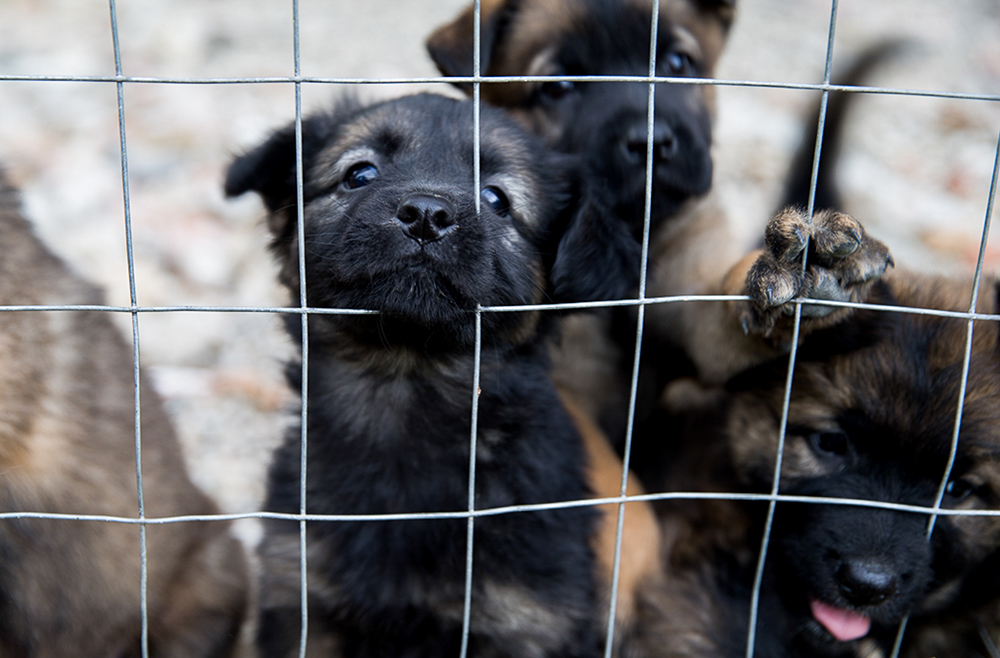
Our first suggestion is undoubtedly common sense. Never buy from a seller who brings a carload of animals to town or an event. These individuals rely on impulse purchases. Getting a pet should never be a snap decision. It requires thoughtful discussion about the household members before embarking on this venture. Responsibility is a two-way street when it comes to breeding and purchasing puppies.
A reputable seller will provide a complete medical history of their animals. Puppies should have received their first series of vaccinations and the necessary deworming treatments. We recommend asking to see the mother and littermates as well. That can give you a decent assessment of the animal’s temperament and health. If the individual refuses, walk away. There’s likely a shady reason for their refusal.
Red flags of backyard breeders to watch for include the following:
- No medical history
- No health guarantee
- Rushed sale pitch
- Puppies under 8 weeks old for sale
- Vague information about the parents
- Unsanitary conditions
- Puppy parents (especially the mother) appearing unwell, skittish, or unkempt
Reputable breeders will offer a health guarantee for their animals. The timespan varies, but at least 14 days is reasonable for small pets. These individuals will also provide information on the sire and dam in the case of dogs, including testing results for known health conditions in the breed. Again, unwillingness to share this information is a cause for taking your business elsewhere.
We’d be wrong to group all individuals selling companion animals as disreputable backyard breeders. Some people may take this responsibility seriously and take care of the animals. However, the risk exists, warranting extra scrutiny. A reputable seller understands the concerns and won’t back away from questions or requests. They want the best for the animals, too.
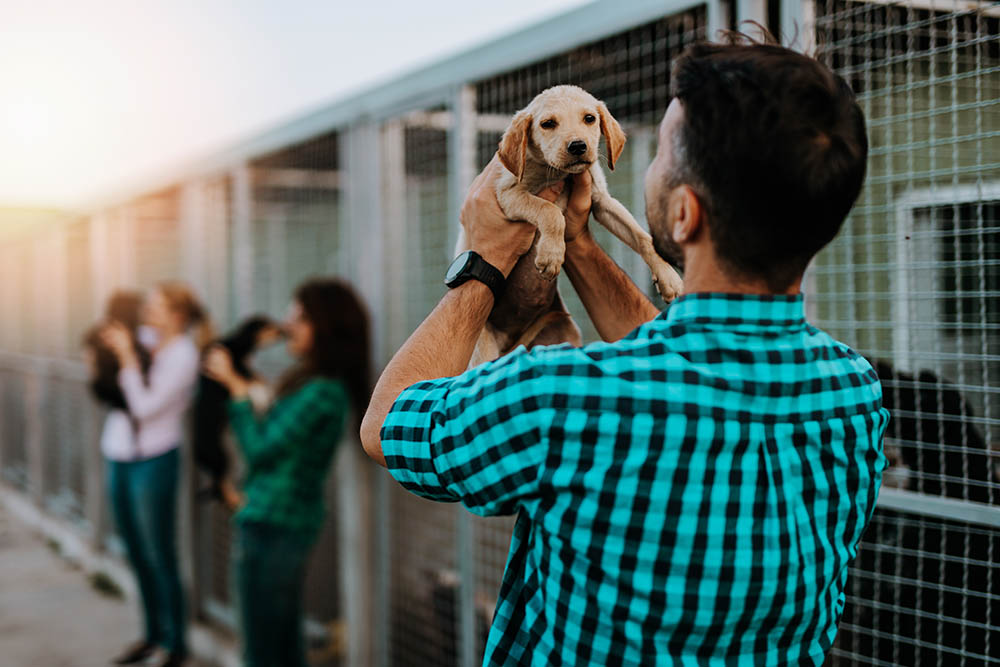
With that said, we can’t recommend shelters and rescue groups highly enough. These animals need homes, and you can rest assured they have received veterinary care already. Many organizations have pets already microchipped and spayed-neutered, ready for adoption. You’re unlikely to get an animal with similar care from a backyard breeder. Plus, the cost of adopting is much more affordable than purchasing from a reputable breeder, and a lower price might be why you accidentally reached out to a backyard breeder to begin with.
Final Thoughts
People have a soft spot for animals, especially young ones. After all, who can resist those puppy-dog eyes? Sadly, some nefarious people have taken advantage of our collective love of all things cute to profit off of it as backyard breeders. The animals are the ultimate victim of this get-rich-quick scheme. Therefore, it behooves you to consider your purchase carefully. Always ask lots of questions before buying, and if the seller isn’t willing to give you as much information as you need or allow you to visit their facilities, it’s a big red flag that they might be a backyard breeder and should be avoided.
Featured Image By: OlgaOvcharenko, Shutterstock