In this article
There are two primary ways to obtain a new dog. You can adopt one from a local shelter, or you can find a breeder to buy a puppy from. Both of these methods are tried and true, but which one is better? Should you adopt a dog or buy a puppy? If you poll a room at any given time, you are going to get wildly different answers to these questions, and some people have very strong opinions. That is because the differences between shelters and breeders are stark. Each offers something different, and each has its pros and cons.
Here’s everything you need to know about rescue shelters and dog breeders, along with the information you need to make a decision that is right for you and your family.

At a Glance

- Specializes in specific breeds
- Offers young puppies for sale
- Ability to have greater choice over your dog
- Limited health coverage
- Costs more than rescues
- Multiple to choose from per region
- Dogs not always available
- Numerous mixes, mutts, and some breed options
- Few puppies
- Limited options available
- Covers basic health
- Cheaper than breeders
- Dogs always available
- Only one or two per region
Overview of Dog Breeders

Dog breeders are people who breed particular dogs to sell them to new owners. They typically specialize in one type of dog and usually offer purebred dogs. They are private entrepreneurs and are usually single people or families. Dog breeders are largely unregulated by the state and receive little oversight compared to dog shelters. People typically seek out breeders when they want a particular breed, a purebred dog, or a young puppy.
Different Types of Dog Breeders
There are various types of dog breeders. Some specialize in specific breeds, and others breed dogs for show or competition; some breed working dogs, and others just focus on breeding and selling pets and companion animals. Finding a breeder who matches your specific wants and needs is imperative to getting a dog that is right for you.
If you are looking for specific breeders, many are registered with various organizations, such as the American Kennel Club (AKC). Registered breeders breed registered dogs that come with paperwork that certifies them as meeting specific standards. You can find registered breeders through the organizations that they are registered with. For example, AKC breeders are listed on AKC’s online database.
Different breeders charge different amounts for their dogs. Registered show dogs and working dogs are going to cost more money than dogs bred for simple companionship. If you are just looking for a new puppy to keep as a pet, you don’t want to accidentally buy from a registered breeder and incur unwanted costs. However, you do want to make sure that you are dealing with a reputable breeder that performs proper testing of parental lines.

When to Choose a Dog Breeder
You want to choose a dog breeder over a rescue if you are looking for a specific breed. Some breeds, like Afghan Hounds and Shar Peis, rarely show up in local animal shelters. If you have your heart set on a particular breed, you will likely need to go through a breeder. They’re also the best place to get puppies, which are uncommon in animal shelters. So, if you want a young dog that you can raise from puppyhood into adulthood, you will likely need to go to a dog breeder.
How to Buy From a Dog Breeder
To buy from a dog breeder, you first need to find a local breeder that works with the breed of dog you are looking for. Once you have a candidate in mind, reach out and let them know you are interested. Many breeders will invite you over to see the dogs, the facilities, and the parents. This way, you can get a feel for the breeder and their dogs. If you are happy with the breeder, it is time to negotiate the price and finalize any agreements.
Many breeders work on a schedule, and you might need to wait for a puppy to become available. Most mama dogs only produce one to two litters per year, and puppies have to reach at least 8 weeks old before they can go home with a new owner. That means that you might not be able to get your dog right away, so keep that in mind.
- Specific breeds available
- Puppies available
- Greater freedom of choice when choosing a dog
- Ability to form a relationship with the breeder for greater insight into the dogs and the operation
- Can be expensive
- Might have to wait
Overview of Rescue Shelters
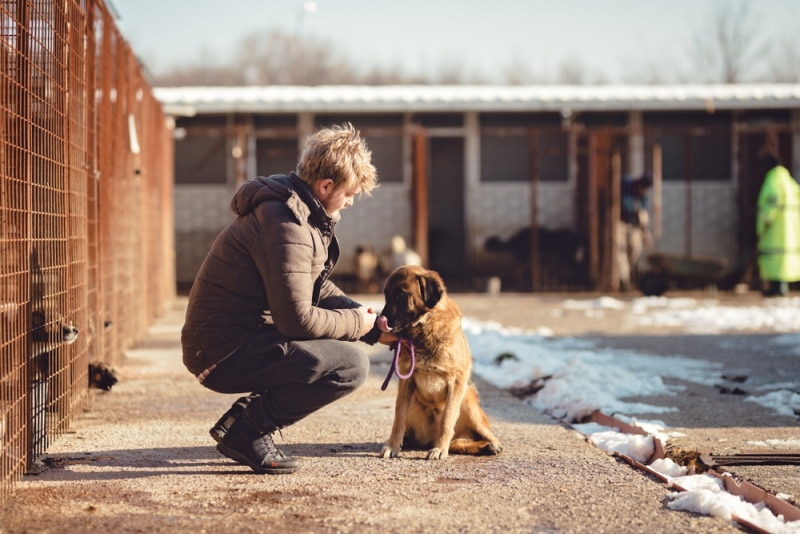
Rescue shelters are places where dogs go when they no longer have homes. Shelters manage a large number of different dogs from a number of different backgrounds and situations. They can intake strays, owner surrenders, dogs from hoarding or abuse cases, and lost animals. Animal shelters always have dogs available, but the exact number, type, age, and sex of the dogs vary wildly. There are usually at least one to two shelters per area, with one being run by the city or county and the other being a private shelter run by a rescue group.
Different Types of Rescue Shelter
There are two main types of rescue shelters. The first is a public shelter that is often run by the local municipality. That includes the county, the city, or even the state. It deals with local dogs and will take in any animal deemed lost or stray by the county. Most regions have a community shelter that is run by the local government.
The other type of rescue shelter is a private shelter run by a rescue group like the Humane Society or the ASPCA. Private shelters run slightly differently than public shelters. They have a greater say over which dogs come in and a greater say over who gets to adopt their dogs. They often charge more than public shelters (but still not as much as breeders). Some rescues even specialize in certain breeds, but the selection is still more limited than with breeders.
When to Choose a Rescue Shelter
There are several reasons to choose a rescue shelter. First, rescues are great for people who want to help dogs that currently do not have a home. Second, shelters can get you a dog right away. You don’t have to wait for a dog or be added to a list to get a new pet. Lastly, adopting from a shelter helps keep dogs off the streets, benefits the local community, and prevents new dogs from being added to the regional population.
Rescue shelters are often far cheaper than breeders, sometimes up to 10 times cheaper. If you want a dog but don’t feel like spending hundreds or even thousands of dollars, then the shelter will have options to fit a budget.
How to Adopt from a Shelter
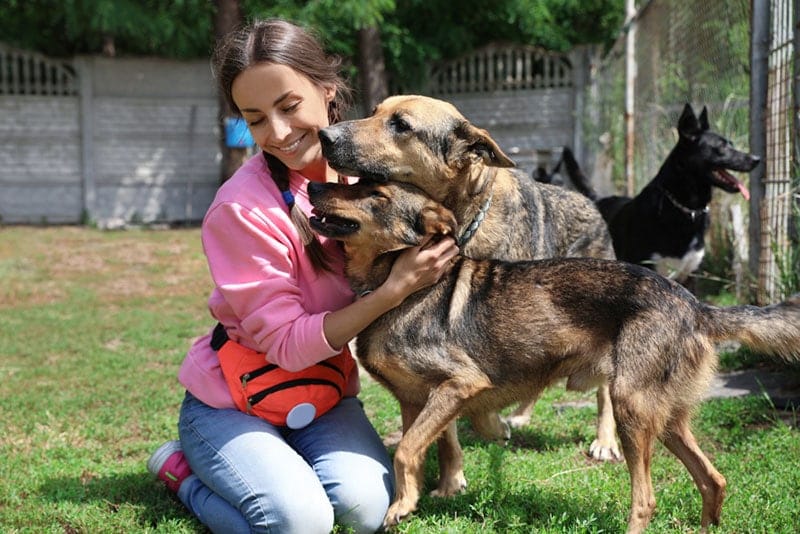
Adopting from a shelter is usually very simple. Look up what time the shelter is open to the public, and then go down and take a look. Many times, you can adopt a dog right there, and the process only takes about an hour. Some private shelters have more stringent requirements that can include appointments, home visits, and proof of a pet-friendly home. Many shelters have online lists where you can see what is available before you go, and sometimes, you can even reserve a dog online before going down to the shelter to pick them up.
- Dogs always available
- Helps the local community
- Far cheaper than buying from a breeder
- Easy and quick to adopt
- Limited options of breeds, sexes, and age
- Dogs can have behavior issues from their past
Is Rescuing Better Than Buying?
Some people believe that rescuing dogs is better than buying them. This topic has a lot of strong feelings and opinions on both sides. Ultimately, it comes down to personal preference. There are some people who will never buy a dog, and there are some people who will never adopt from a shelter. However, there are also millions of people every year who use animal shelters and who buy from breeders. If you want to help a local dog find a new home, use a shelter. If you want to get a new dog of a specific breed, go through a breeder. It is your choice, and you have to pick the option that is the best for you, your family, and your budget.

What Are the Cost Differences Between Dog Breeders and Rescues?
The cost difference between a breeder and a dog shelter can be staggering. Local animal shelters generally charge between $25 and $100 per adoption. But in special cases, some shelters will adopt dogs out for free. You will never get a free dog from a breeder. Breeders can charge different amounts, but most dogs from reputable breeders start around $500, and that number can go as high as $5,000.
Popular dogs and registered breeders can command top dollar in the market. Cost is one of the biggest factors when choosing between a shelter and a breeder. Not everyone can afford to pay thousands of dollars for a dog, but almost anyone can find a dog from a shelter that can meet their budgetary requirements.
Health Considerations
One of the biggest things to consider when choosing between a shelter and a breeder is health considerations. Shelter dogs are typically healthier than dogs you get from a breeder. This might sound counterintuitive, but this is due to a large number of factors. Dogs that end up in the shelter are given all of their shots on intake. They are also spayed or neutered before they can be adopted out. This is all covered by the shelter and can save a new pet owner hundreds of dollars in upfront medical fees. Shelter dogs are often mutts (or mixed breeds), which also decreases the likelihood of having a genetic issue. However, dogs with a history of abuse might have behavioral issues due to trauma.
Breeders typically do not cover the cost of upfront healthcare. Puppies from a breeder will need to go and get a puppy examination and get spayed or neutered. Purebred dogs are also much more likely to have genetic issues and congenital problems that may or may not be disclosed at the time of sale. In many states, breeders are not required to offer any health guarantees for their dogs. You should ask for a parental line genetic test and a health guarantee or agreement in writing before buying a dog from a breeder in case you run into unforeseen problems or complications. Puppies from breeders are much more likely to end up sick than dogs that come out of the shelter.

Conclusion
Whether you adopt a dog from a shelter or buy from a trusted breeder, the choice is ultimately up to you. Each choice has its own set of benefits and drawbacks. Breeders allow you to get the dog of your dreams. Do you want a small Maltese with a big personality? The breeder can accommodate you. But it will cost you. If you want a dog on short notice or are interested in saving a dog from the streets, the shelter is a better option. It will also be a lot cheaper. In the end, the result is the same—a new dog for you and your family to love and grow attached to.
See also:
Featured Image Credit: Voltgroup, Shutterstock