In this article
View 3 More +Note: This article’s statistics come from third-party sources and do not represent the opinions of this website.
Pet obesity came to people’s attention about a decade ago, and concerns among veterinarians and researchers have only risen each year. It has reached epidemic status in the UK, and veterinarians are urging pet owners to take excessive weight gain and obesity in pets seriously.
However, there’s a mismatch in what veterinarians and pet owners see with household pets. For example, pet experts fear that internet trends such as “chonky cats” can perpetuate and even promote unhealthy lifestyles that can lead to serious chronic illnesses in pets.
Statistics undeniably show that obesity is on the rise, and it’s crucial for pet owners to protect their pets from reaching obese weight levels. Here are all the up-to-date facts and statistics you need to know about pet obesity in the UK to ensure that your pets live a healthy lifestyle.
 The 12 UK Pet Obesity Statistics
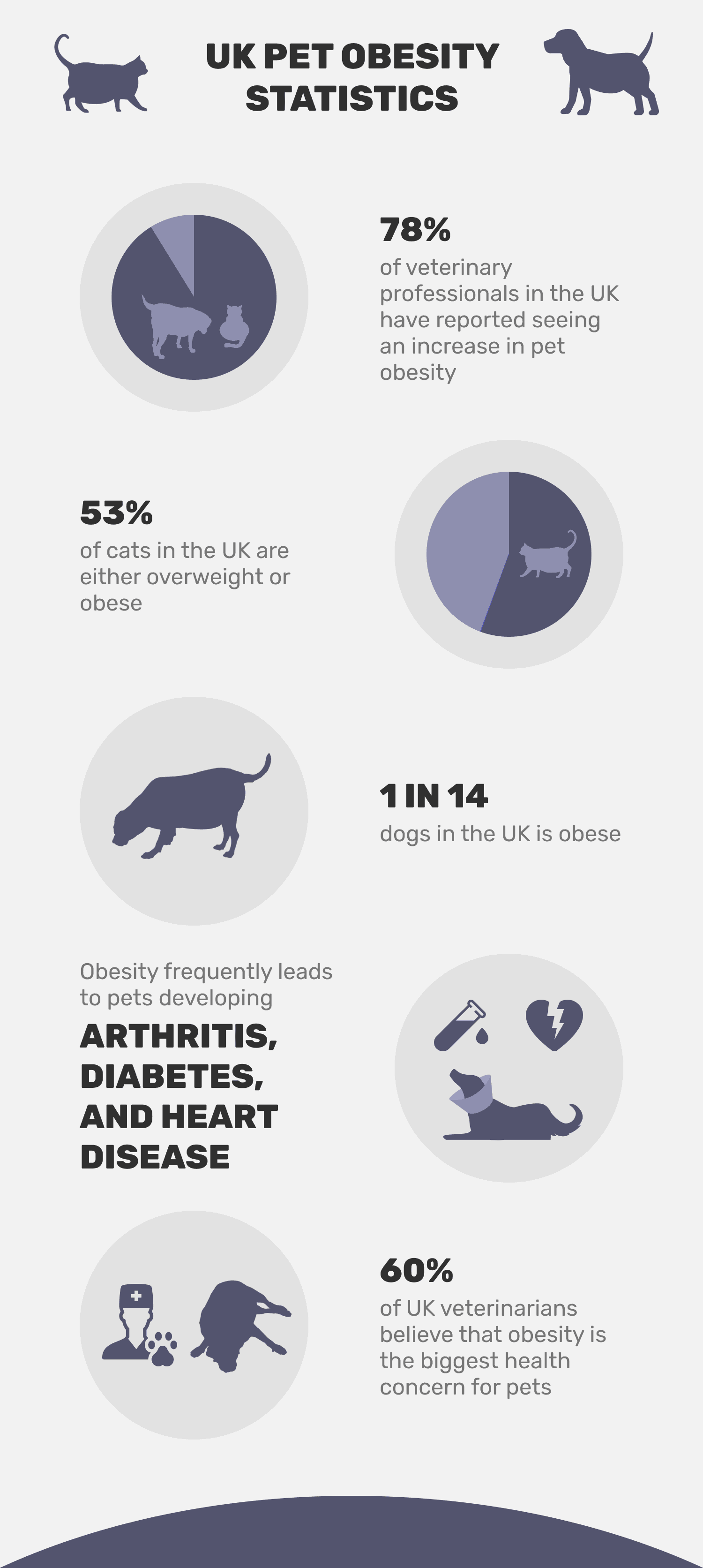
- In 2020, 78% of veterinary professionals reported seeing an increase in obesity.
- 60% of veterinarians believe that obesity is the biggest health and wellness concern for UK pets.
- Obesity often leads to pets developing arthritis, diabetes, and heart disease.
- 1 in 14 dogs is recorded as overweight by their vets each year.
- 9% of owners say that their dog gained weight since March 2020.
- The percentage of dog owners viewing overweight dogs as a serious health risk correlates with their relationship with their veterinarian.
- The UK’s favorite dog, the Labrador Retriever, may be prone to obesity because of a variant of the POMC gene.
- 53% of cats in the UK are either overweight or obese.
- Feline obesity prevention is the most effective in the first year of the cat’s life.
- It’s common to see obesity in certain cat breeds over others.
- 29% of small animals are overweight.
- Obesity in rabbits is just as common of an occurrence as obesity in dogs and cats.

General Statistics
1. In 2020, 78% of veterinary professionals reported seeing an increase in obesity
(PDSA)
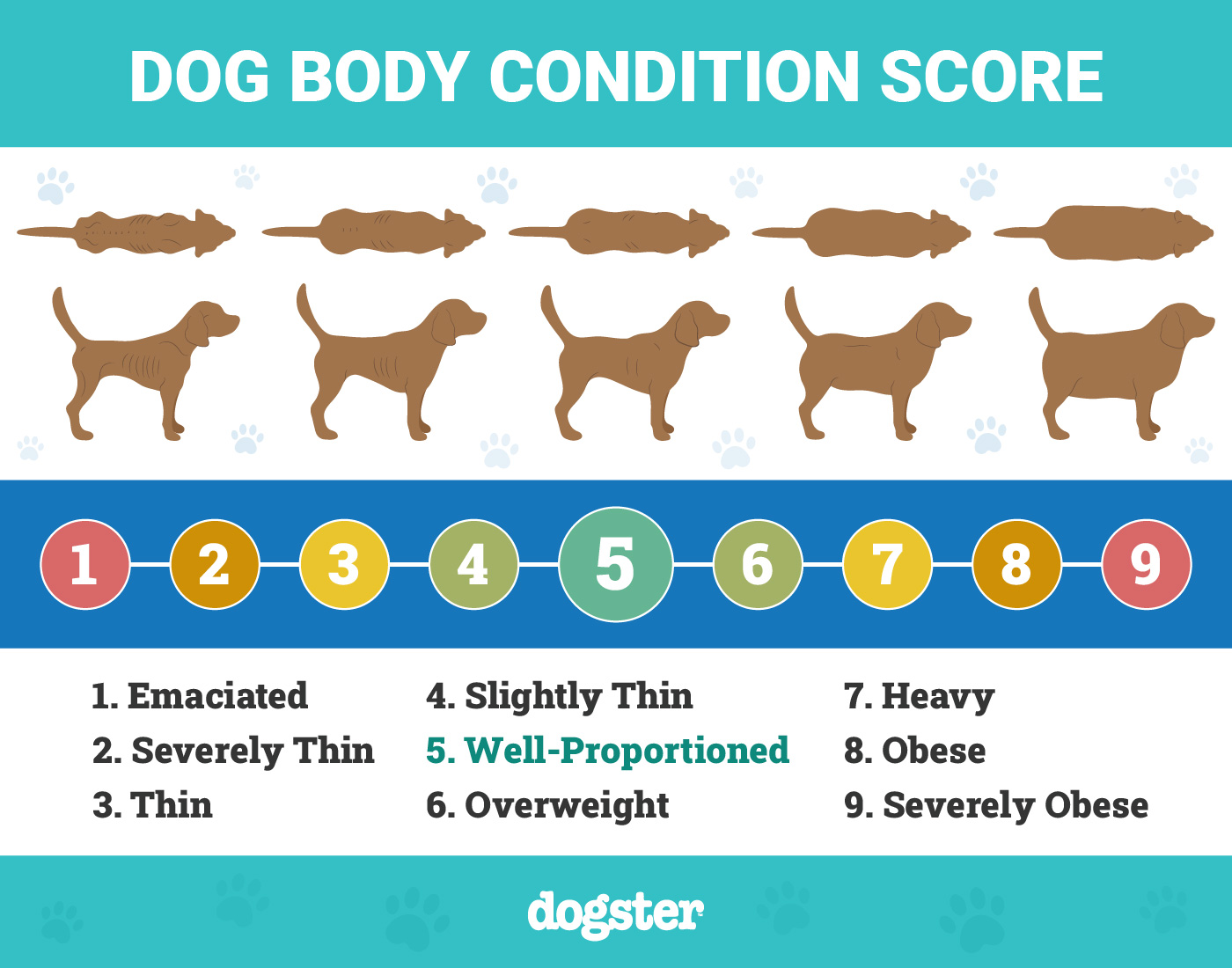
The rise in pet obesity is a significant concern, and it has consistently been on the list of top five pet health and welfare concerns for dogs, cats, and rabbits since 2011. Although veterinary professionals report obesity as a prominent issue, only 14% of owners reported that their dogs were overweight. One cause for this discrepancy is that dog owners have a difficult time recognizing when their dogs are too heavy.

2. 60% of veterinarians believe that obesity is the biggest health and wellness concern for UK pets
(BVA)
Obesity doesn’t just affect a pet’s appearance and activity level. It’s a disease that affects many different parts of a pet’s life. It can expose pets to more serious illnesses and reduce lifespans. Pets are also often unhappier because they feel lethargic and unwilling to move around.
3. Obesity often leads to pets developing arthritis, diabetes, and heart disease
(PFMA)
According to the Pet Food Manufacturers’ Association (PFMA), there are many diseases and chronic illnesses that accompany obesity. Veterinarians urge pet owners to take obesity seriously because chronic illnesses are irreversible and will greatly reduce a pet’s lifespan. Veterinarians strongly recommend pet owners not wait until their pets become obese. It’s easiest to address weight loss in the earlier stages and provides the best outcome for pets.

Statistics About Dogs
4. 1 in 14 dogs gets recorded as overweight by their vets each year
(RVC)
The Royal Veterinary College (RVC) conducted this study and released its findings earlier in 2021. The results drew more concern for researchers because the cases of obesity were only from documented vet visits. Therefore, there’s a good chance that the number of obese dogs in the UK is actually higher.
5. 9% of owners say that their dog gained weight since March 2020
(PDSA)
As the pandemic affected people’s lifestyle changes, dogs’ lifestyles naturally became altered as well. The increased amount of time owners spent at home meant that dogs had more opportunities to receive treats. Also, the time spent on walks hasn’t changed, but the frequency of walks has lessened. Many dog owners now have longer dog walks, but they don’t go on as many walks per day compared to past years. Researchers of this study believe that these lifestyle changes within the pandemic have played a significant role in increasing the risk of dog obesity.

6. The percentage of dog owners viewing overweight dogs as a serious health risk correlates with their relationship with their veterinarian
(PDSA)
69% of dog owners registered with veterinarians agree that overweight dogs are at a higher risk of suffering from serious illnesses. However, only 46% of dog owners not registered with a veterinarian agree with the same statement. These percentages show that a relationship with a veterinarian can impact a dog owner’s perception of obesity. Veterinary visits can be opportunities for pet education to reduce pet obesity.
7. The UK’s favorite dog, the Labrador Retriever, may be prone to obesity because of a variant of the POMC gene.
(University of Cambridge)
Researchers have studied the relationship between dog genetics and obesity for years. This type of research has revealed important information, such as dogs breeds that are more prone to obesity. In a 2016 study, researchers found that the presence of a POMC gene variant found in Labrador Retrievers can increase their chances of becoming obese. This gene variant affects Labrador Retrievers’ appetites and can make them more food motivated and more likely to scavenge or beg for food. One in four Labrador Retrievers has this gene variant. Because it makes dogs more food motivated, these types of Labrador Retrievers tend to be easier to train.
Statistics About Cats
8. 35-52% of cats in the UK are overweight or obese.
(International Cat Care)
Fat cats have been trending on the Internet, which contributes to the rise of overweight and obese cats in the UK. The popularity of overweight cats makes the fight against obesity particularly challenging for veterinarians. In fact, veterinarians are starting to experience more injuries due to overweight pets and many have resorted to buying equipment to carry them.
9. Feline obesity prevention is the most effective in the first year of the cat’s life
(Frontiers in Veterinary Science)
For cats, the chances of becoming overweight or obese develop earlier in life, and young neutered cats are more at risk of becoming obese. Therefore, it’s important to establish a healthy diet in the early stages of a cat’s life. It’s also helpful if cat owners refrain from giving their pets too many treats because it can establish an overindulgent habit that can lead to excessive weight gain.It’s common to see obesity in certain cat breeds over others (PetMD)Veterinarians can spot obesity in some cat breeds more than others. It can be due to genetics, temperament, and low energy levels.
10. Some cats are more prone to obesity than others.
- Persian
- Peke-faced
- Manx
- Color-point Shorthair
- British Shorthair
Statistics About Small Pets
11. According to a 10-year study, 29% of small mammals in the UK are either overweight or obese
(PMFA)
Pets all across the board are experiencing an increase in being overweight or obese. Unfortunately, not a lot of research is available for small pets and obesity. For now, one of the best ways to monitor a small pet’s health is to weigh them regularly. It’s also important to stick to a healthy diet. Too many treats are a common culprit for excessive weight gain.
12. Obesity in rabbits is just as common of an occurrence as obesity in dogs and cats
(PDSA)
Weight gain in rabbits is rarely due to a medical condition. More often than not, it’s due to an excessive diet and low amounts of exercise. In their natural habitats, rabbits run freely and have to forage for their food. Domesticated rabbits often live in hutches and get fed daily, so their need for energy and sustenance dramatically decreases. One of the best ways to prevent obesity in rabbits is to provide a larger enclosure or space for rabbits to exercise. They like to hop and run around, and this can help burn energy and improve their overall quality of life.
Frequently Asked Questions About UK Pet Obesity
Considering how quickly excessive weight gain can snowball into obesity, it’s important for pet owners to become well-informed about healthy diets and lifestyles for their pets. Here’s some more information on pet obesity and what pet owners can do about it.
Why are pets becoming obese?
The risk of a pet becoming obese has to do with age, breed, neuter status, and the owner’s responsibility. Some pet breeds have a higher risk of becoming overweight due to genetics. Neutered pets can also easily become overweight because neutering slows down the metabolic rate.
However, breed and genetics don’t guarantee that a pet will become overweight. An owner’s care has a significant impact on a pet’s weight gain. Many pet owners have difficulty identifying what a healthy pet looks like, and they can often overfeed them treats and table scraps. (RSPCA)
What do I do if my dog becomes overweight?
If you’re noticing weight gain, there are several interventions that you can do to put a halt to your dog gaining any more weight. First, determine the correct amount of food you should give your dog. You can do this by consulting with a veterinarian. The veterinarian can also help you select any weight loss foods, if necessary.
If you need to speak with a vet but can't get to one, head over to PangoVet. It's our online service where you can talk to a vet online and get the personalized advice you need for your pet — all at an affordable price!

Does walking my dog help them lose weight?
Yes, dog walking can help your dog lose weight or maintain a healthy weight. Just keep in mind that walking for weight loss means that you have to walk at a faster pace to raise your dog’s heart rate.
Thirty-minute walks 5 times a week can help overweight and obese dogs lose weight. As you’re working to help your dog lose weight, make sure to monitor your dog’s breathing to make sure that they’re not feeling overworked. Start small and build up the intensity and length of exercise as your dog gets used to moving more often and starts to shed weight. (VCA)
How do I help my dog lose weight without walks?
If your dog doesn’t enjoy walks, there are other creative ways to help them lose weight. You can try swimming or taking them to the dog park. Playing with other dogs can be one of the best ways to tire a dog out.
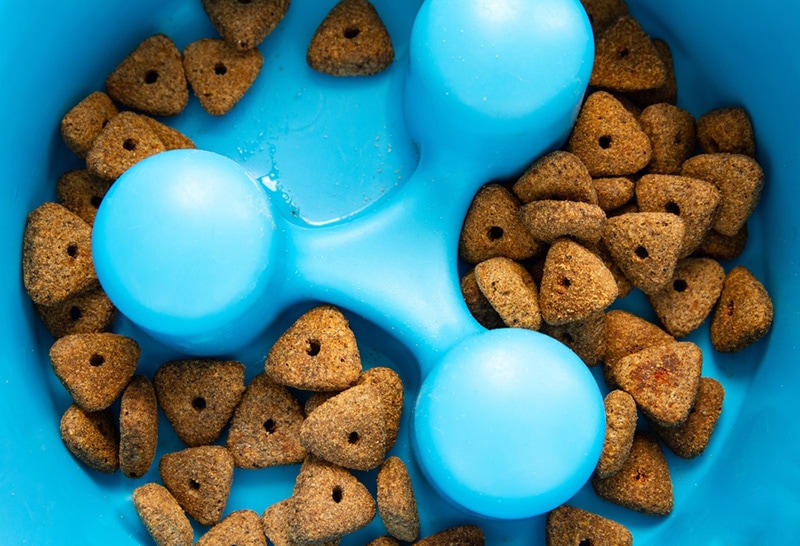
You can also switch up their diet and give them low-calorie treats. Instead of just serving dog food in a bowl, you can try putting kibble in a treat dispenser or a slow feeder dog bowl. (AKC)
How can I tell if my cat is obese?
This question is important to address since the previously mentioned research shows that many cat owners don’t know how to distinguish between a healthy cat and an overweight cat. It can be helpful for pet owners to refer to a .
The PFMA provides a helpful Cat Size-O-Meter that can help cat owners identify if their cats are underweight, at a healthy weight, overweight, or obese.
Obese cats weigh above 15% of their ideal body weight. It’s difficult to feel their ribs, spine, and hip bones because they’re hidden underneath the fat. You also can’t see their waist and their belly sags. You can also see skin rolls swaying as they walk. (PFMA)
How can I get my cat to lose weight?
One of the first things you want to do is discourage your cat from begging for food. It can be extremely difficult to resist giving extra treats to your adorable cat. However, whenever cat owners give their begging cats food, they’re actually rewarding this behavior and increasing its frequency.
Cats may also look for food when they’re bored or under-stimulated. Therefore, try increasing their playtime and give them fun toys that make them get up and use their natural hunting instincts. (Companion Animal Clinic)
If you have a low-energy cat, try using slow feeders and treat dispensing toys to encourage your cat to exercise while eating. This type of play can also help cats to become active again as they receive rewards for their movement. You can also try hiding low-calorie treats in various parts of the house, especially in high places and cat perches to get your cat active and moving. (Preventative Vet)
How do I control my small pet’s weight?
All pets need a proper diet and exercise. Unfortunately, a lot of small mammals don’t get enough exercise because they’re kept in cages or hutches. Most of these animals in the wild have plenty of space to forage around for miles. Therefore, along with feeding them a healthy diet, it’s important to make sure that they have enough space to exercise.
Set aside playtime during your small pet’s waking hours where they can spend time outside of their cages. You can set up a bigger enclosure for larger pets, such as rabbits and chinchillas so that they can hop and scurry around. These pets can also benefit from playing in a specific room immediately after they’ve urinated in their cages.
Smaller pets, such as hamsters and gerbils can play in exercise balls so that they can explore safely. Just remember to keep them away from stairs and ramps.
Also, make sure that your pet eats the right diet. Improper nutrition intake and too many treats are often culprits of excessive weight gain. (PetMD)
 Conclusion
Pets’ genetics can play a role in increasing the risk of them becoming obese. However, pet owners play a significant role in ensuring that their pets don’t become overweight and live a long, healthy life. Most household pets aren’t naturally sedentary, so pet owners have to provide opportunities for them to stay active and adjust diets so that they’re appropriate for their domesticated lifestyle.
Recent studies also show that veterinarian relationships with pet owners impact pet owners’ perceptions of obesity and healthy body weight. Therefore, communication and education can be crucial components of annual checkups.
Overall, pet owners and veterinarians can work together to ensure that their pets maintain a healthy body weight. Weight gain isn’t just about appearance. It can have a significant effect on a pet’s wellbeing, including their overall happiness and lifespan.
Featured Image Credit: taro911 Photographer, Shutterstock