In this article
View 2 More +If you are looking for an environmentally-friendly way to dispose of your dog’s poop that also benefits your plants, then you might be interested in composting it. Dog poop is compostable and can decompose to an odor-free plant fertilizer if you use the right methods. Pathogens, parasites, and odor are the main concerns people have when composting dog poop. However, it is relatively safe to compost dog poop if you follow the appropriate precautions.
This article will discuss how you can compost dog poop in eight easy steps using the hot composting method.
Important to note: You want to avoid composting poop from dogs that are infected with parasites, on medication, or on special diets. The waste products from those sources could survive the decomposition process, contaminate the soil, and be a safety hazard. Always wear gloves when handling composted dog poop.

Why Should You Compost Dog Poop?
Composting dog poop can benefit the environment and your plants and soil. You will help reduce landfill waste by disposing of your dog’s poop into a compost container rather than into the garbage. Also, you could save a bit of money from having to stock up on dog poop bags and just shovel the poop into the compost container instead.
Dog poop is high in nitrogen, phosphorus, and other proteins which make it an effective plant fertilizer once it has been composted. However, its nitrogen and phosphorus content are usually too high to be safe when added directly into plants or soil. Composting the dog poop helps balance the nitrogen by using a carbon source to make it an effective plant fertilizer.
You can add composted dog poop over the soil to help improve the soil’s physical condition and fertility. However, you want to avoid using it to fertilize edible plants or soil where you plan to grow edible plants.
Composting helps to destroy the pathogens in dog poop so that it is safe to use in your garden. Furthermore, composted dog poop that has been left to decompose for a while will have no unpleasant smell.

What Do You Need?
Here’s what you might need when composting dog poop:
- A compost container for pet waste
- A carbon source (leaves, wood chips, or sawdust)
- Aeration tool
- Long-stemmed thermometer
- Gardening gloves
- Shovel
- Watering can

The 8 Steps to Compost Dog Poop at Home
Hot composting is an effective way to compost dog poop because it helps destroy most pathogens. Let’s take a look below at the steps required to compost dog poop.
1. Use a Separate Compost Container
The first step to composting dog poop is to get a compost container designed for pet waste. You don’t want to mix it with other compostable waste and use a separate container instead. The compost container should have adequate ventilation and be easy to access when you want to add more dog poop with your shovel.
The size of the container depends on how much compost you plan to make and the available space you have to store it. Ideally, you want to store the compost container outside in a sunny area where you cannot easily smell it.

2. Add a Carbon Source
Dog poop is high in nitrogen, so a carbon source is required to balance the carbon-to-nitrogen ratio. Leaves, woodchips, straws, shredded newspaper, and sawdust can be used as a carbon source for composting dog poop.
It’s estimated that dog waste has about 40% more nitrogen than cattle manure. So, although there are various carbon sources you can use, sawdust seems to be the most effective because of its high carbon content.
Once you have chosen a suitable carbon source, you should create a 3-inch layer of it as the base of the compost container.
3. Shovel the Dog Poop
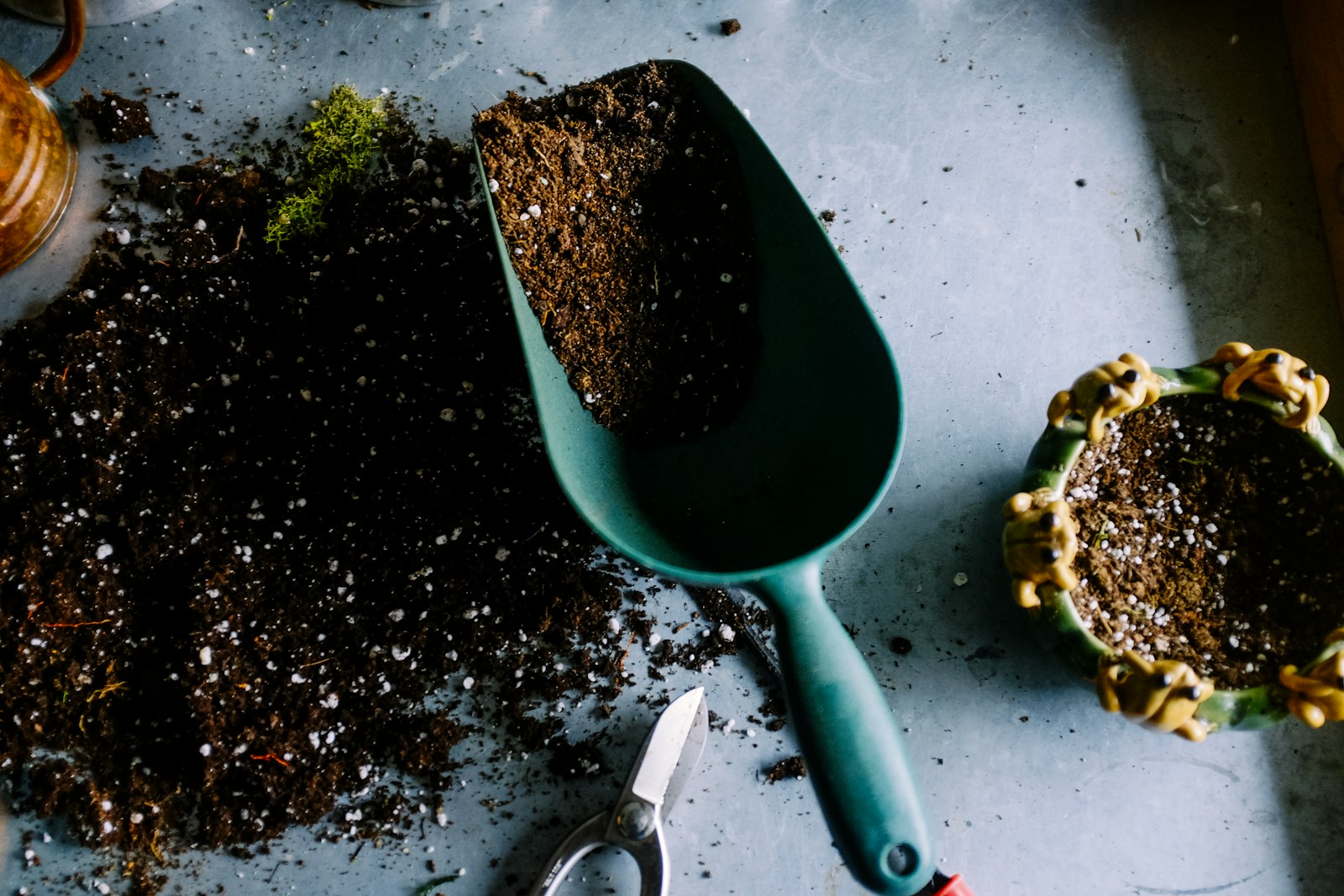
Once you have layered the carbon source down, you can start adding in the dog poop. You can use a shovel or poop scooper to move the poop into the compost container. Be sure that you designate the shovel to be used to pick up your dog’s poop and not one that will be used for gardening.
The shovel won’t only be used to pick up the dog poop but also to mix the compost.
4. Layer the Compost Pile
Next, you should add a 1-inch layer of your chosen carbon source over the dog poop. Repeat this process until you have created a compost pile layered with dog poop and a carbon source. The ideal carbon-to-nitrogen ratio for composting dog poop is about one part carbon for every two parts nitrogen (dog poop).
5. Add Moisture
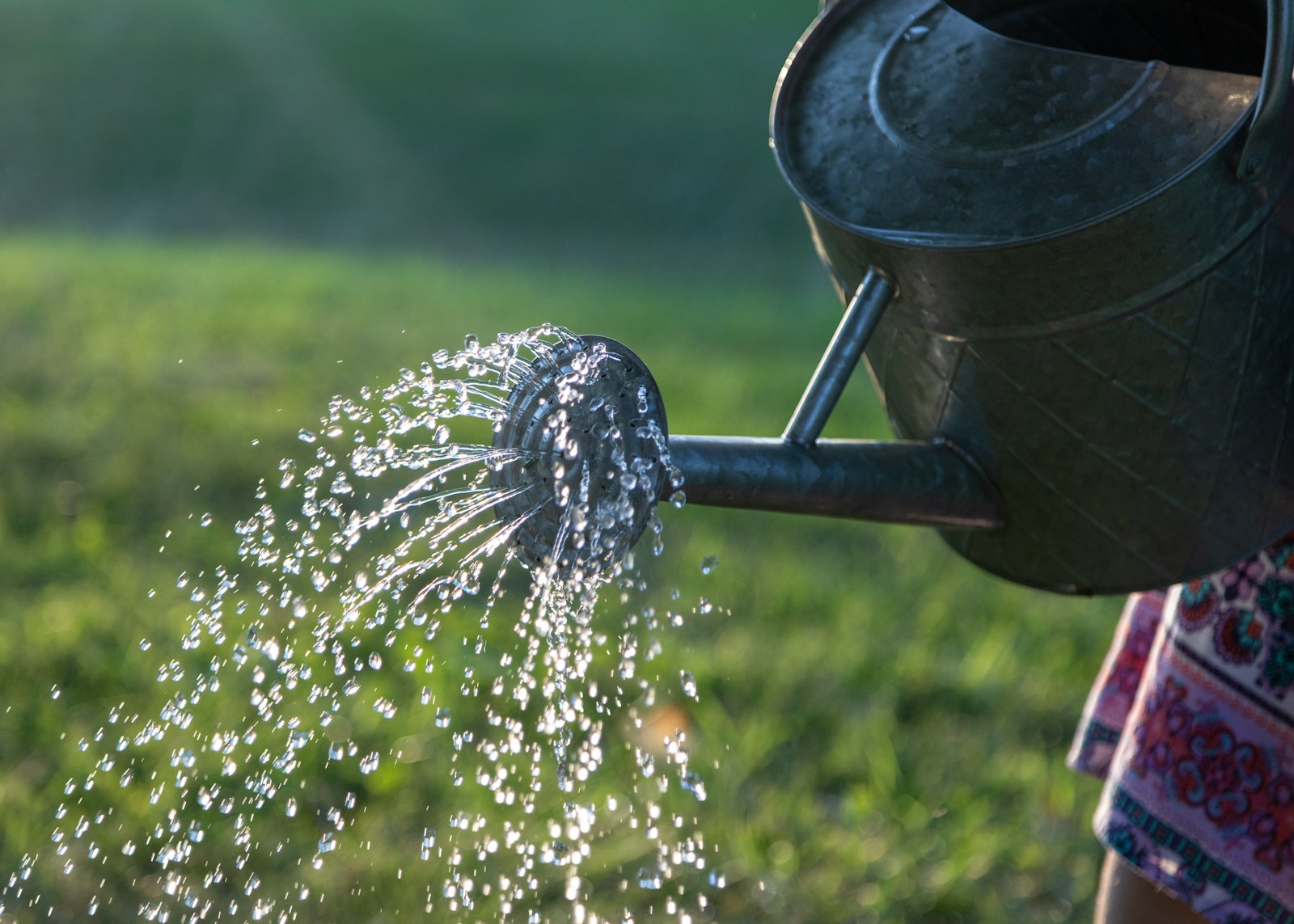
The organisms that decompose dog poop function best in a moist environment. You can use a watering can or hose to sprinkle water over the compost pile until it is moistened throughout. You do not want to soak the pile in water or let it sit open under rain as this could negatively affect the decomposition process.
6. Check the Temperature
You want to maintain the composting dog poop at temperatures between 130 to 170 degrees Fahrenheit. This temperature range should be maintained to destroy pathogens in the dog poop. Lower temperatures may hinder the decomposition process. A long-stemmed thermometer should be used to monitor and record the temperature of the composting dog poop at least once a week.
7. Aerate the Compost
The composting dog poop needs to be aerated to ensure that it composts evenly. It also helps maintain aerobic decomposition, since the aerobic bacteria that keep the compost hot need oxygen. You can use a shovel or pitchfork to turn the compost pile at the same time you record the temperature each week.
8. Use with Non-Edible Plants and Soil
You can tell when the composted dog poop is ready when the pile is dark, soil-like, and has no unpleasant odor. This composting process can take anywhere between 2 to 12 months to decompose fully. The timeframe will depend on the composting method used, the climate, the carbon source, and how well the compost pile was maintained.
Once ready, the composted dog poop can be used to fertilize non-edible plants, flower beds, and soil. Avoid using it for edible plants as there is no guarantee that all the harmful pathogens have been destroyed.
Conclusion
Dog poop can be safely composted using the hot composting method and can take up to a year before it is fully composted. Once everything has been set up to begin composting your dog’s poop, you only need to maintain the compost pile once a week. Nature will do most of the work when it comes to turning dog poop into compost that can be used as a fertilizer for non-edible plants.
See Also:
Featured Image Credit: its photo, Shutterstock