Get

In Your Inbox

Dogster is reader-supported. When you buy via links on our site, we may earn an affiliate commission at no cost to you. Learn more.

5 Vet-Approved Dog Walking Tips: Planning & Etiquette

man walking dog

One of the most enjoyable parts of dog ownership is taking your pup on long, leisurely walks. Whether it’s around the block or in a pleasant park, walking your dog provides them with exercise, mental stimulation, and entertainment.

But for novice dog owners, learning how to walk a pooch for the first time can be intimidating. Luckily, we’re here to help! Here’s everything you need to know about walking your canine companion.

Dogster_Website dividers_v1_Jan 18 2024-03

The 5 Vet-Approved Dog Walking Tips

1. Get Good Gear
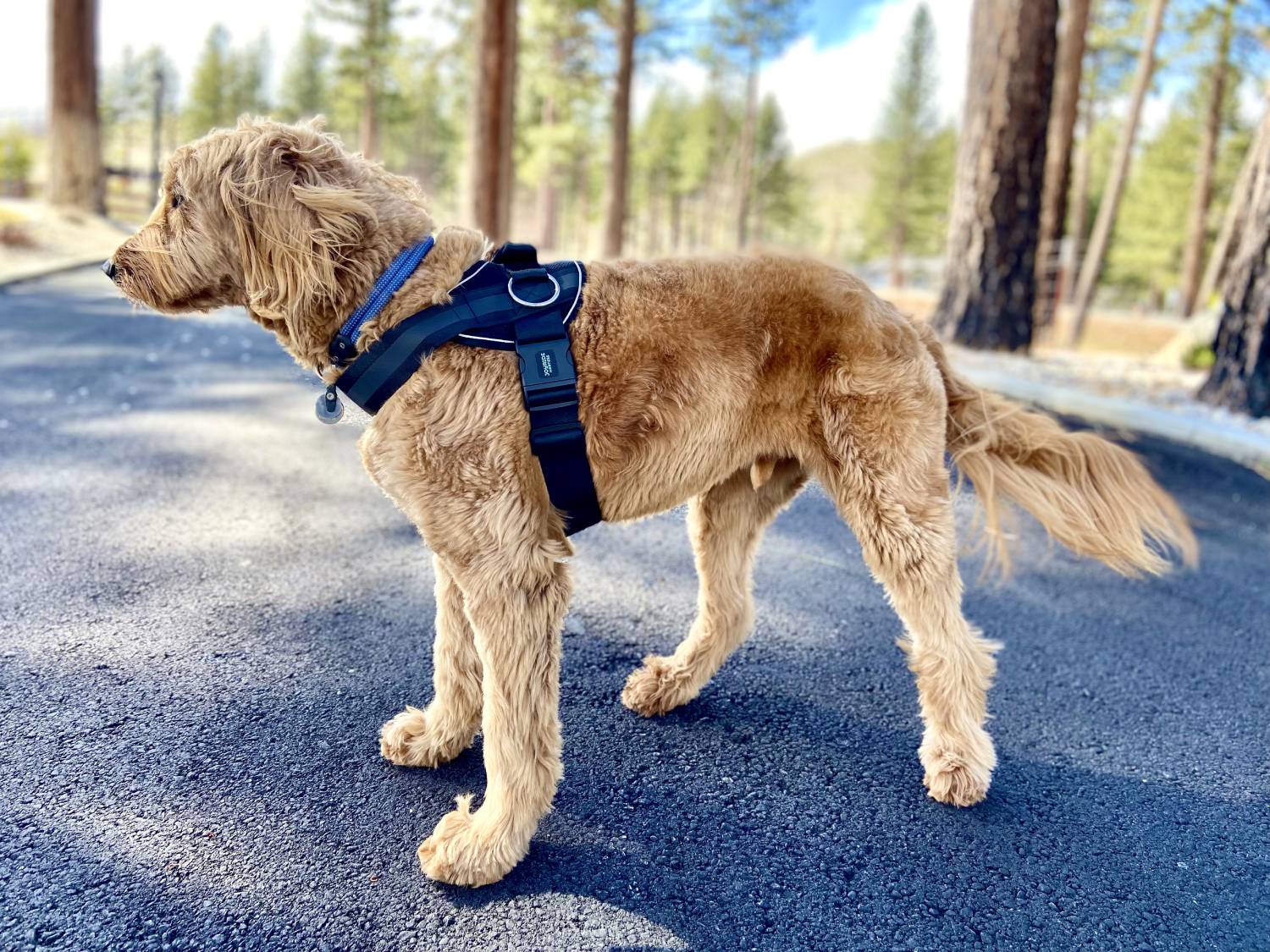
Joyride Summer Mesh Harness Review - dog wearing harness standing up outside
A dog walk will be only as good as the gear you get. To safely and comfortably take your pup for a stroll, you’ll need to invest in quality dog walking gear.

The best item to get your dog, regardless of their size, is a secure harness. For larger dogs or for dogs that are prone to pulling, harnesses that hook to the leash from the chest may be better suited. If your dog pulls, this may offer you more control, but training your dog from a puppy age and teaching them good manners on the lead is crucial for a safe and comfortable walk.

Make sure the harness properly fits your pooch. It shouldn’t be big enough for them to slither out of, nor should it be too tight.

Never use a pronged collar on your dog. This can cause discomfort or injury.

As for the leash, opt for a durable leash that accommodates your dog’s size. For a medium-sized dog, get a ½–¾-inch-wide leash. The ideal leash length is 6 feet long. This will allow your dog to wander around while still being securely attached to you.

Don’t forget a poop bag dispenser that can be attached to your leash.


2. Plan Ahead

To thoroughly enjoy a stroll with your dog, plan your walk in advance. Try not to walk them during peak dog walking hours if they’re shy, easily distracted or reactive. These are typically in the early morning and in the evening around 5:30 or 6 pm. If your dog is reactive or dislikes other dogs, it’s important to face the issue head on by speaking to a professional canine behaviorist.

For friendly and social dogs, walk your dog around the block or in the park. Ideally, you should be walking your dog two to four times per day, depending on their age, breed, exercise and bathroom needs.

Plan for the weather accordingly. If your dog is prone to heatstroke, with the risk being significantly higher in brachycephalic breeds, avoid walks on hot days. Always keep a fold-up dog dish and a bottle of water on you during walks and ensure there is plenty of shade.

Keep the times and number of your walks consistent. Dogs are creatures of habit and will appreciate the routine.


3. Let Them Sniff

dachshund sniffing on sand
Image By: Laila_, Pixabay

Did you know that dogs have more than 100 million scent receptors in their noses? They experience the world through smell. This is why it’s important to let your dog sniff around, even if it’s annoying or time-consuming for you. After all, it’s their walk, not yours!

If you don’t want your dog to smell every tree and shrub along your walking route, teach them basic commands such as “leave it” or “watch me.” This will take their mind off the scent and focus their attention back on you.


4. Pick Up Poop

While this might not be the most pleasant experience on your walk, cleaning up after your dog is good dog owner etiquette. Not only is dog feces smelly, but it can also contaminate the environment. If a dog has parasites, another canine can be at risk of picking them up by smelling or snacking on their poop.

Always carry dog poo bags with you on your walks.

And while you can’t wash away your dog’s urine every time they pees, you can curb your pet from urinating on houses, fences, mailboxes, and cars. Designate their pee spots to grassy areas away from other people.


5. Don’t Let Your Dog Free Roam

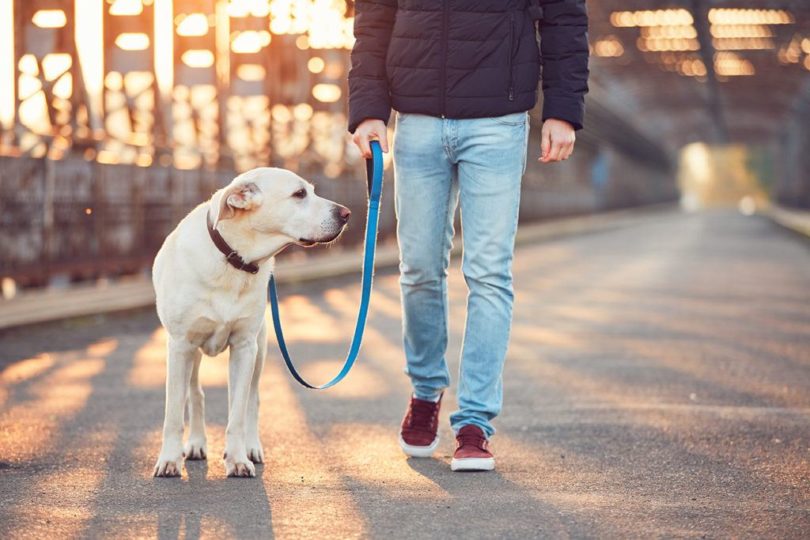
a labrador walking with his owner in the park
Image By: dekazigzag, Shutterstock

While it may seem tempting to let your dog run free, even the most well-trained dogs could run off. A loose dog is at risk of getting lost, getting hit by a car, or getting attacked by a wild animal or another dog. Keep your dog on a leash at all times, unless they are in a securely fenced-in dog park. Keep ID tags on your pet’s collar and get them micro-chipped.

Dogster_Website dividers_v1_Jan 18 2024-03

Conclusion

Dog walks can be a fun and enjoyable experience even for first-time dog parents. Buy the right gear, train your dog, plan your routes, let your dog smell the roses, and never let them run off-leash in unsupervised areas that aren’t fenced off.

With these tips, you’ll become a dog walking pro in no time!

Looking for more basic dog guides? Try:


Featured Photo Credit: Jaromir Chalabala, Shutterstock

Want content like this delivered to you?

Sign Up For Our Newsletter

News, insights, expert advice, and everything dog

* By submitting, you agree to our Terms & Conditions and Privacy & Cookies Policy.

How useful was this post?

Click on a star to rate (you can leave written feedback after clicking submit)

Help us improve Dogster for pet parents!

Your feedback really matters.

What did you like about this post? Also how can we improve it?

Join the conversation

Leave a Reply

You’re very welcome to leave a comment or question. Please know that all comments must meet our community guidelines, and your email address will NOT be published. Let’s have a positive and constructive conversation.

Talk With A Vet Online

Peace of mind,
anywhere, anytime

Affordable vet advice

Teacup Corgi: Info, Pictures, Origin & History

If you’ve ever encountered a teacup Corgi, you know how cute and attractive these little pups are. Due to their status as the...

How to Clean Dog Vomit From a Wool Rug: 8 Ideas & Tips

It can be frustrating and unsightly for a dog to vomit on any type of rug, but especially wool rugs as they are...

Rhodesian Boxer Mixed Dog Breed: Info, Pictures, Care & More

The ever-charismatic Rhodesian Boxer Mix is a unique crossbreed that promises endless amusement, company, and of course, love. Join us as we guide...

Portuguese Water Dog vs Goldendoodle: Key Differences (With Pictures)

Portuguese Water Dogs and Goldendoodles are two dog breeds that may look similar at first glance. They both have curly hair and are...

More related

Why Does My Dog Walk and Poop? 11 Vet-Reviewed Reasons

Most dog owners have been there: you’re out for a walk with your dog, and they decide to take a poop while walking,...

Why Dogs Love Cheese – And How to Pay the Cheese Tax Safely

Ever notice your dog’s tail wagging uncontrollably when you pull out a block of cheese? You’re not imagining it; most dogs genuinely love...

Australian Labradoodle Dog Breed: Info, Pictures, Temperament & Traits

Australian Labradoodles are adorable non-shedding dogs with loyal and affable natures. They come in three different size ranges: miniature, medium, and standard. In...

What Is A Normal Temperature For A Dog? Vet-Verified Health Facts & FAQ

Dogs normally have rectal temperatures that fall between 99.5° F and 102.5° F 1. A few factors, including level of activity, age, and...

Keep reading

10 Best Dog Foods for Loose Stools in 2025: Reviews & Top Picks

Picking up after our dogs is one of the least enjoyable aspects of canine ownership. But this task is made even harder if your dog consistently produces stool too loose to be easily collected in a poop bag. If we...

boston terrier dog holding a bowl of food

Can Dogs Have Olive Oil? Vet-Verified Health Facts & FAQ

You’ve undoubtedly heard of the benefits of olive oil on human cardiovascular health. Research has also shown it has anti-inflammatory properties, contains antioxidants, and may help protect against or treat a variety of conditions in people, including rheumatoid arthritis, cancer,...

olive oil

What Is Dog Food Made Of? Vet-Reviewed Ingredient Guide

Buying dog food is so commonplace. We do it all the time without a second thought. If your dog is running low on food, you hop online or go to the store and grab the same bag you’ve been buying....

german shepherd dog lying near food bowl

Nom Nom vs Spot & Tango: Which Fresh Dog Food is Better? 2025 Update

If you’re tired of researching dog food brands, don’t worry, you’re not alone. In the last 20 years, several new dog food manufacturers have entered the market to compete in the premium product category. Although the number of producers can...

Dogster_Dog Food Nom Nom VS Spot & Tango

10 Best Dog Foods for Great Danes in 2025 – Reviews & Top Picks

Caring for a Great Dane is an incredible experience but you may have problems locating the ideal food for your massive friend. Numerous companies produce dog food and treats, but fewer meals are designed for extra-large breeds. Great Dane adults...

Great Dane dog

Pros & Cons of Grain-Free Dog Food: Benefits, Risks, & More

Grain-free dog food has been gaining in popularity over the past few years. And while grain-free diets may have some benefits, there are also some potential risks associated with them as well. In this article, we’ll take a look at...

a dog eating from metal bowl

6 Eating Problems That Can Affect Dogs: Signs & Treatment

You’re probably familiar with the most common eating disorders in humans, such as anorexia and bulimia. You might not know that dogs can also have eating disorders, but they do not have the same complex mental concerns that plague these...

dog not eating its food

10 Best Purina Dog Foods in 2025: Reviews & Top Picks

Purina is one of the largest pet food companies in the United States. In 2020 1 alone, this massive company earned over $15.4 billion in revenue. With over 15 lines of dog food brands under its belt and multiple recipes...