In this article
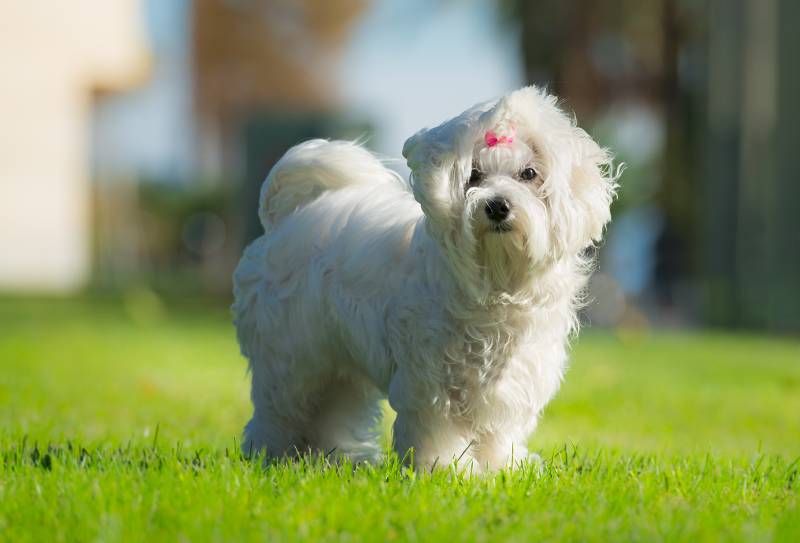
When you’re considering bringing a new companion home, how much they smell can be a factor. If you’ve been pondering the Maltese, you might be wondering if they are a smelly breed.
The good news is that the Maltese is not known for being smelly, but this doesn’t mean they don’t ever get stinky!
Here, we discuss what exactly makes dogs emit their particular odor and what it means if your Maltese is suddenly odorous.

Why Are Dogs Smelly?
Each dog has their own individual scent that other dogs can identify them by. They use scent to attract mates and drive away predators. Dogs are famous for their excellent sense of smell, so it makes sense that they have identifiable odors.
The sebaceous gland secretes an oily substance called sebum, which has a few functions beyond giving the dog their own unique scent. Sebum also gives dogs a shiny and silky coat and adds a waterproof barrier to protect the skin.
Some dog breeds have larger sebaceous glands because they were bred to work in and around water, which helps keep their coats waterproof. Essentially, the larger the glands, the more sebum is secreted, which means the coat is oilier and the doggy odor is stronger.
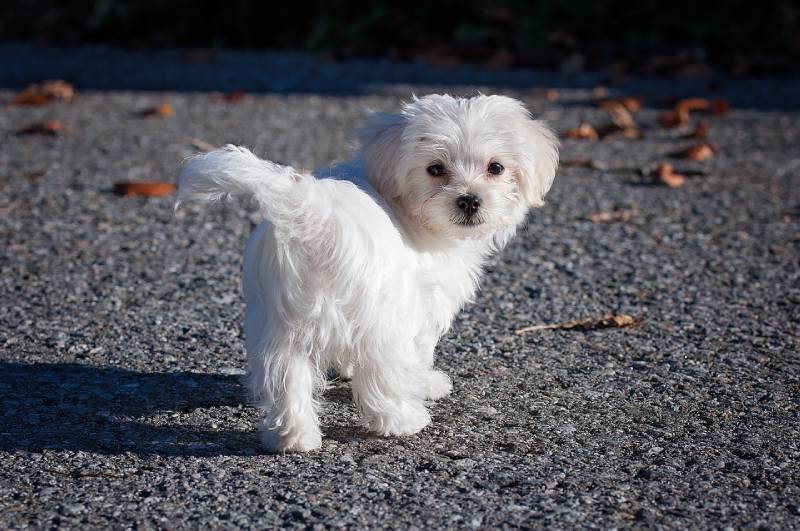
Why Don’t Maltese Smell?
While Maltese have sebaceous glands like all dogs, they are smaller than those of many other breeds, which means this dog isn’t excessively oily. They don’t have excess skin folds either, which can also trap odor.
Maltese are considered hypoallergenic dogs (though there is no such thing as a dog that is 100% hypoallergenic) because they are minimal shedders. Their hair is also quite soft and silky and constantly growing, hence why they need haircuts. Basically, this small dog shouldn’t be smelly unless something else is going on.
When Does a Maltese Become Smelly?
There are certain instances in which a Maltese can become stinkier than usual, all of which are fixable. Here are the five common reasons that your Maltese may smell less than fresh.
1. Anal Glands
The anal glands, or sacs, are situated next to the anus and are filled with an oil that has a rank odor. Tiny amounts are released when dogs defecate and sniff each other’s butts.
Sometimes, though, the anal glands become impacted with too much oil, which is when you might see your Maltese scooting their bottom across the floor. This can lead to a smelly pup! It also merits a visit to your vet, who will express the glands.
2. Yeast Infection
All dogs have a certain amount of yeast on the skin, but when excessive yeast builds up in an area, this can lead to a yeast infection. Some dogs experience yeast infections if they have allergies or are taking certain medications.
An excess of yeast can make a dog smell, and you may also notice oily skin, itching, patchy areas with hair loss, and discoloration that starts pink but can turn gray. It is more commonly found around skin folds and the ears. This infection can be treated by your vet, followed by continuing treatment at home using oral and topical medications.

3. Messy Elimination
If your Maltese makes a mess while urinating or defecating, it can end up on their fur, making them quite smelly. If this occurs, it might mean bath time, or you can use deodorizing wipes for spot cleaning.
4. Bad Breath
Small dogs in particular are known for having dental issues. Your Maltese might have lovely-smelling hair and a bad odor emanating from their mouth. You should brush their teeth at least several times a week, though daily is best, especially if they have dental problems.
If your dog’s breath smells very bad, it will require a visit to your vet because there might be an issue like gum disease or an abscess, which will need professional treatment.

5. Too Much Sebum
Your Maltese has natural oils that are released from sebaceous glands. These keep their skin moisturized, but if too much accumulates, your dog will start to smell. The best treatment is daily brushing and giving your Maltese a bath on a regular basis.
Grooming Your Maltese
1. Baths
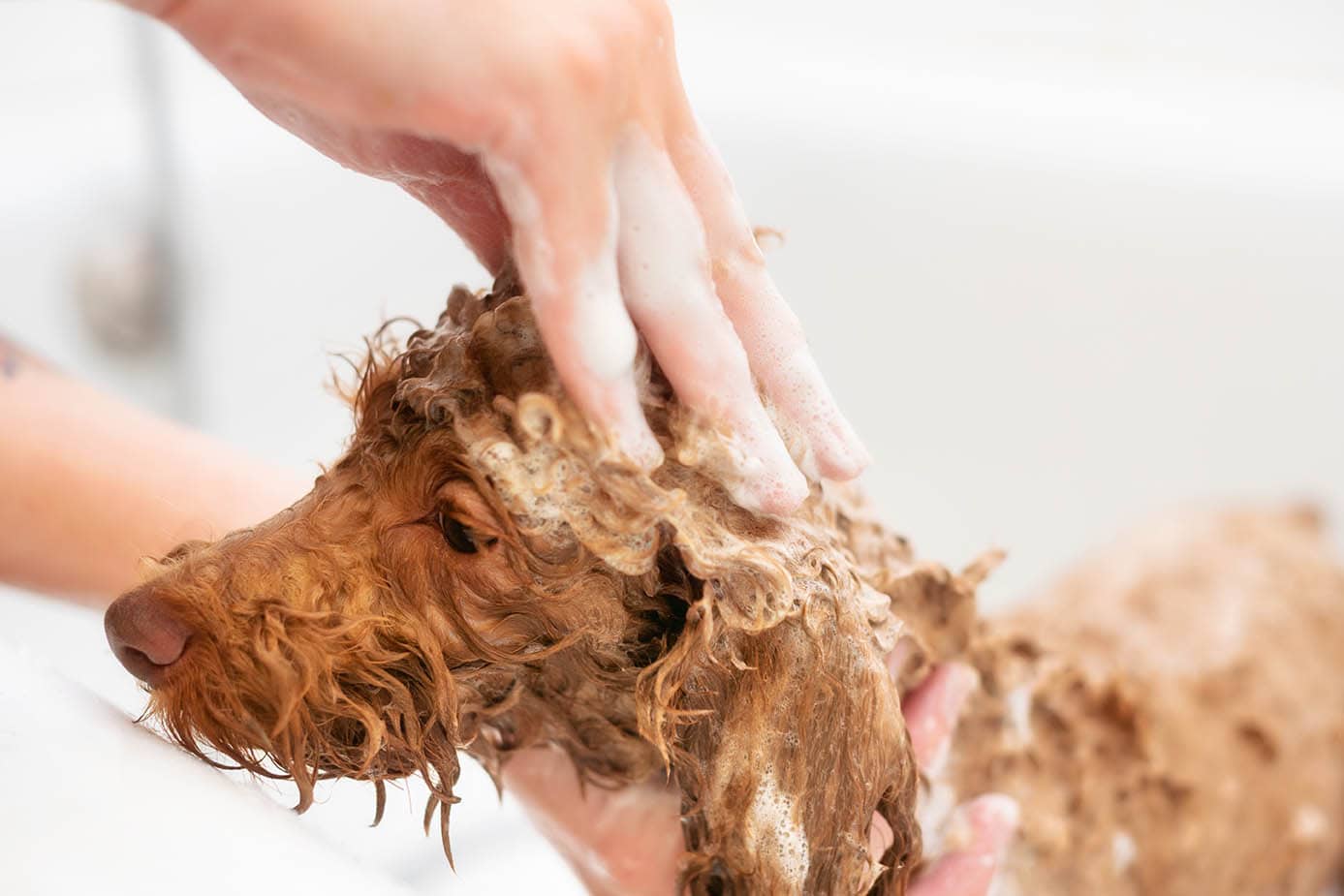
Depending on the breed, giving your dog a bath is something that you shouldn’t do too often. Frequent baths will dry out the skin, so you’ll need to adhere to a schedule. Maltese tend to do best with a bath every 3 weeks, though some breeds only need to get bathed a few times a year!
Ensure that you’re using an appropriate dog shampoo—never use human shampoo on any dog. Dogs have a different pH than us, and our shampoos will seriously dry out their skin, which can eventually lead to dry, flaky, and irritated skin, along with rashes and infections.

2. Brushing
Brushing your Maltese is critical, particularly if you keep their hair long. Even if you opt for a short cut, they still need brushing, as it helps remove dead and loose hair and distribute oils throughout the coat.
Short coats should be brushed about every 3 days, and medium to long coats should be brushed every day or every 2 days.
3. Leave-In Spray
Using a detangling leave-in spray can give your Maltese a fresh scent, keep the coat soft, and prevent tangles. You can spray it and quickly massage it in with your hands if you don’t have time to give them a thorough brushing.

Smelliest Dog Breeds
The following dogs tend to be the smelliest breeds, so if this is a concern of yours, stay clear!
These dogs have large sebaceous glands, and a few are full of skin folds, particularly on the face, which can create bad odors.
Least Smelly Dog Breeds
Besides the Maltese, several different breeds are known to not be quite as smelly as many others.
These dogs have small sebaceous glands, preventing smelly oil build-up, but they can still roll in something stinky or develop an odor-creating health condition.

Conclusion
As long as you brush your Maltese every few days and bathe them every 3 weeks, it’s unlikely that they will be smelly. If your dog does seem to be smellier than usual, and it isn’t from rolling in something, be sure to check where the odor is coming from. You should be able to tell if the smell is coming from the ears, the mouth, or even the butt. Take them to the vet to be on the safe side.
If there seems to be an ongoing issue, your vet will devise a treatment plan. Hopefully, they will have your Maltese smelling like their usual sweet self in no time!
- See also: 20 Vet-Reviewed Maltese Facts to Know
Featured Image Credit: tsik, Shutterstock