In this article
Labradoodles are a popular designer dog breed, created by genetically crossing a Labrador Retriever and a Poodle. This hybrid breed has gained widespread attention for its loving and friendly personality and its hypoallergenic coat. But does that mean that Labradoodles don’t shed at all? How much do Labradoodles shed?
Overall, Labradoodles generally shed less than many other breeds of dogs. Let’s find out more in this article.

Labradoodle Shedding Amounts
The amount of shedding in a Labradoodle can vary depending on which parent breed the puppy takes after most. If the Labradoodle has an overall Poodle-like appearance, it will likely shed little to no hair. This is because Poodles do not shed, so the gene that causes shedding is not passed down to the offspring.
On the other hand, if the Labradoodle has a more Labrador-like appearance, it may shed more than its Poodle-dominant counterpart. Labrador Retrievers are known for being heavy shedders and may pass this trait down to their offspring. Regular brushing and combing are necessary to keep shedding to a minimum and the coat healthy.
Overall, Labradoodles generally shed less than many other breeds of dogs. This makes them an especially good choice for people who don’t want to deal with excess hair around their home or on their clothing or those who have allergies.

About the Labradoodle Coat: An In-Depth Look
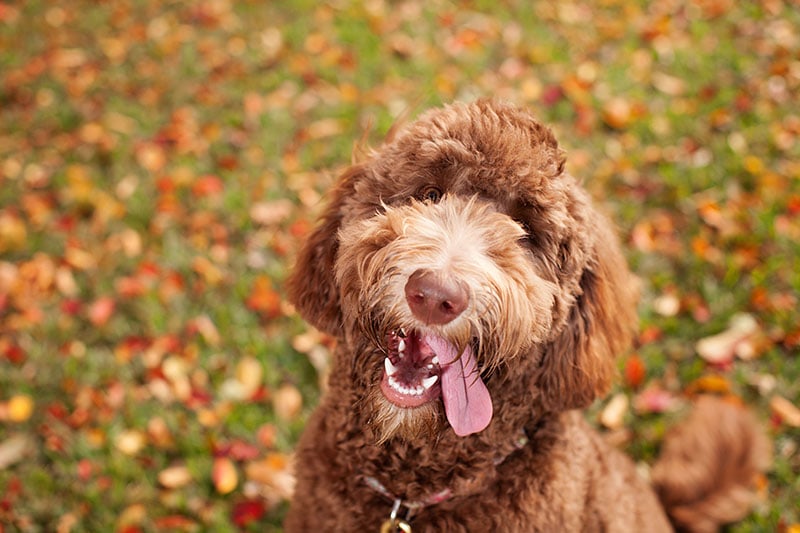
The coat of a Labradoodle can vary greatly depending on genetics. Most Labradoodles have either a wiry or wooly coat. The former is usually inherited from the Labrador Retriever parent and may shed moderately, while the latter is generally inherited from the Poodle parent and doesn’t shed at all. The coat may also combine the two, where shedding is usually minimal.
Labradoodle coats typically come in three different textures: smooth, curly, and wavy. The smooth-coated Labradoodles are often the lowest maintenance option and shed the least amount. Curly-coated Labradoodles require regular grooming to prevent matting and tangling but don’t shed much.
Wavy-coated Labradoodles have a light wave in their fur that doesn’t require much attention, but they can still shed some hair.
Labradoodle Grooming Requirements
No matter how much a Labradoodle sheds, regular grooming is essential. This includes regular brushing and combing to keep the coat in good condition and reduce shedding. Bathing should also be done as necessary—generally no more than once every 2 weeks—to keep the coat clean and buildup-free. The best type of brush for this breed is a slicker brush, which can help remove dead fur and prevent matting.
In addition, nails should be trimmed regularly to keep them from growing too long and splitting. Ears should also be checked for signs of infection and wax buildup, and the eyes should be wiped clean with a warm cloth.

The 10 Labradoodle Grooming Tips
- Brush your Labradoodle’s coat at least once a week to reduce shedding and keep the coat healthy.
- Comb through knots or mats with a wide-toothed comb after brushing to prevent painful tangles.
- Use a slicker brush to remove dead hair from the undercoat and eliminate excess shedding.
- Bathe your Labradoodle every 2 weeks to keep the coat free of dirt and debris.
- Trim your Labradoodle’s nails once a month or as needed to prevent splitting and discomfort when walking.
- Check your Labradoodle’s ears weekly for infection, wax buildup, and debris.
- Use a damp cloth to clean your Labradoodle’s eyes of dirt and debris daily.
- Brush your Labradoodle’s teeth daily or at least three times a week to remove built-up plaque buildup and help prevent gum disease.
- Apply conditioner after bathing to help keep the coat soft and reduce static.
- Take your Labradoodle to a professional groomer at least once every 8 to 12 weeks for complete trimming and styling.
A Word About Hypoallergenic Dogs
Many people believe that Labradoodles are hypoallergenic because of their low-shedding coats. However, this is not necessarily true. Allergies to dog hair and dander can occur in any breed, including Labradoodles. The only way to determine if a particular breed suits someone with allergies is to spend time with the breed and see how they react.

Cutting Down on Shedding and Keeping Your Home Fur-Free
If you have a Labradoodle that sheds more than expected, there are several things you can do to help reduce the amount of hair in your home. First, make sure the pet is groomed regularly and brushed often. Second, clean floors by vacuuming daily and using lint rollers to pick up stray hairs. Finally, bathe your Labradoodle at least once every 2 weeks to keep the coat clean and reduce shedding.
What Not to Do
Avoid shaving your Labradoodle’s coat. This can cause the coat to become matted and tangled as it grows back, and they may shed more than before. Also, don’t use harsh chemicals or cleaners on their skin or fur, as this can cause irritation or an allergic reaction. Lastly, avoid overbathing your Labradoodle, as this may strip its coat of essential oils that help keep it soft and silky.
If you are unsure which products are safest for your dog, the best thing you can do is consult with a vet.
If you need to speak with a vet but can't get to one, head over to PangoVet. It's our online service where you can talk to a vet online and get the advice you need for your dog — all at an affordable price!

Conclusion
Overall, Labradoodles are generally considered to be low shedders. However, the exact amount of shedding will depend on genetics and coat type. Proper grooming is necessary regardless of how much a Labradoodle sheds to keep the coat healthy and free of mats and tangles.
This means that even though they’re less hypoallergenic than many breeds, you’ll still be in regular contact with plenty of dog hair! This is something to consider if you have serious allergies.
Featured Image Credit: The Dog Photographer, Shutterstock