Get

In Your Inbox

Dogster is reader-supported. When you buy via links on our site, we may earn an affiliate commission at no cost to you. Learn more.

Why Does My Dog Hate Walks? 7 Vet-Reviewed Reasons

Shiba Inu resisting to walk

Taking your beloved pup for a walk should be a pleasurable experience for both of you, right? So, what do you do when your lovely—and stubborn—canine friend appears to hate it? There are various reasons that your dog might not like going for walks, but with a bit of understanding and plenty of patience, you may be able to turn those reluctant strolls into pleasant excursions.

Let’s explore the most common reasons that your dog doesn’t seem to enjoy your daily walks as much as you do.

dogster face divider

The 7 Reasons Why Your Dog Hate Walks

1. Pain
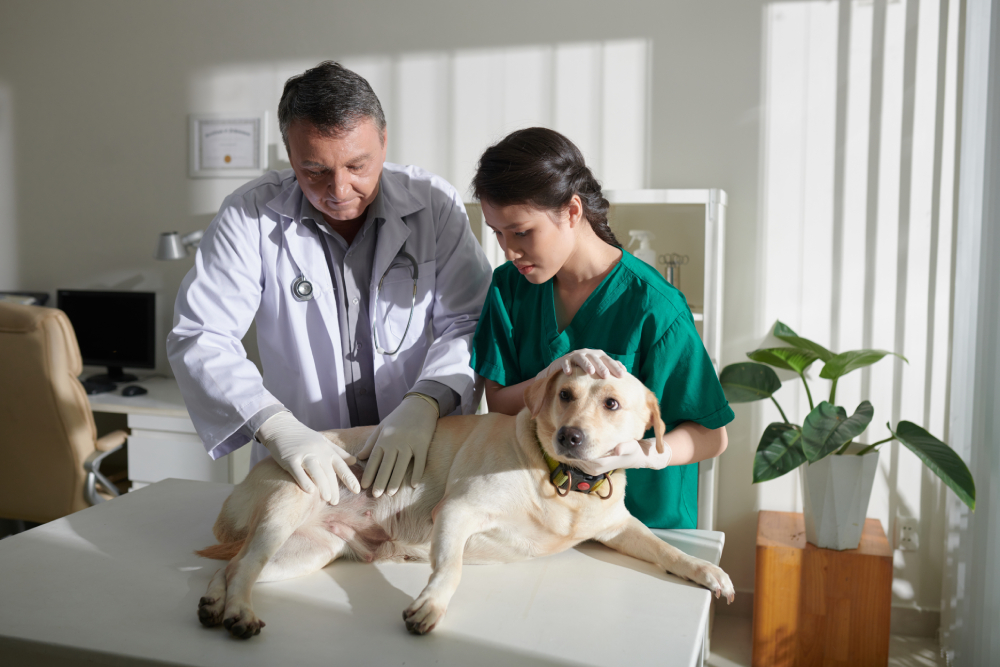
Nurse helping vet examining stomach of labrador retriever dog
Image Credit: Dragon Images, Shutterstock

If your dog is extremely reluctant to go for a walk, your first move should be to consult with a vet. Indeed, a dog that suddenly starts hating walks when they used to enjoy them could indicate that they’re in pain, maybe because of an underlying medical issue. Pain or discomfort caused by infections, conditions like osteoarthritis or joint disorders, and of course, injuries can make walking painful and unpleasant for your pet. In fact, even overgrown toenails can impact a dog’s willingness to walk.

Solution:
Schedule a visit to the vet to rule out any medical issues. If your dog is diagnosed with a medical condition, a vet can recommend appropriate treatment options to alleviate their discomfort and make walking enjoyable again.

2. Anxiety or Fear

Just like us, our canine companions can feel anxious, especially when certain things during walks make them uneasy. For example, if a dog gets scared by a loud truck or a barking dog behind a fence, they might start to dislike going for walks because they connect it with those scary moments. These experiences can leave a lasting impact, causing the dog to associate walks with stress, fear, and anxiety.


Solution:
Gradually desensitize your pup to the triggers that cause anxiety. Start by exposing them to the trigger at a distance where they feel comfortable, and gradually decrease the distance over time as they become more relaxed. Positive reinforcement techniques, such as treats and praise, can also help your dog associate walks with positive experiences.

3.  Negative Associations

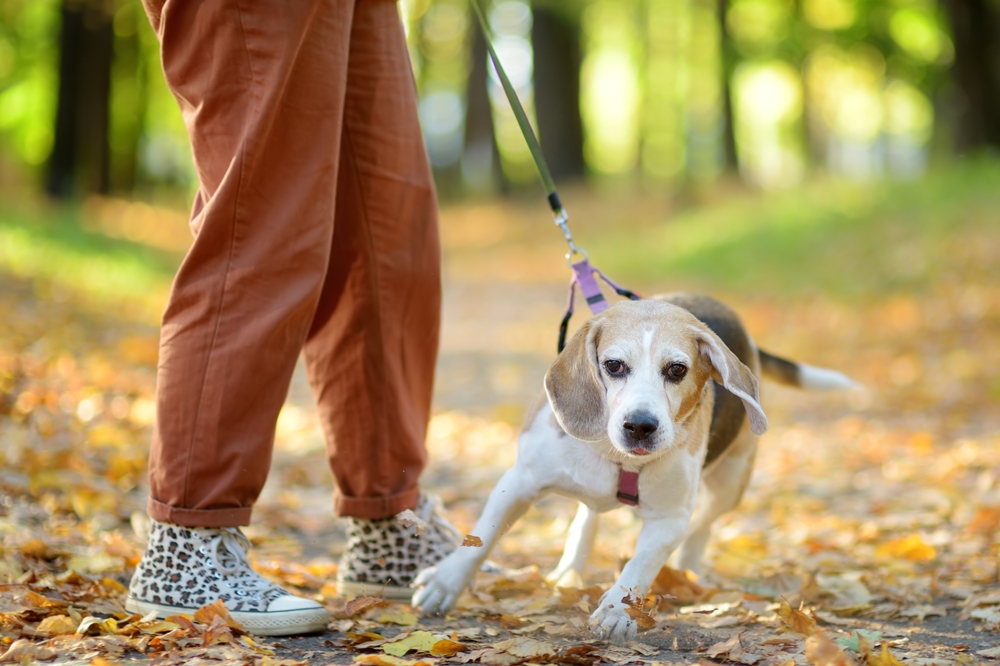
Dog pulling away from owner
Image Credit: Maria Sbytova, Shutterstock

This is closely related with anxiety or fear but often in more specific instances. If your dog has had unpleasant experiences during walks, such as encountering aggressive canines or experiencing discomfort due to extreme weather conditions, they may develop negative associations with outdoor walking. This may be especially true of certain routes or weather conditions. So, your dog might not hate walks all the time, just walks in certain areas or times of the day.

Solution:
Counter-conditioning can help your dog develop positive associations with walks. Pairing walks with enjoyable experiences, such as tasty treats or fun activities, can help replace negative associations with positive ones over time.

If you need to speak with a vet but can't get to one, head over to PangoVet. It's our online service where you can talk to a vet online and get the advice you need for your pet — all at an affordable price!

PangoVet_Mention-in-Content Savings V1


4. Uncomfortable Gear

Sometimes, a dog dislikes going out for a walk because they find their leash, harness, or collar uncomfortable. Indeed, ill-fitting or restrictive gear can cause discomfort and make your dog resistant to wearing them. It’s also possible that your pup doesn’t have much experience with leash walking yet due to particular circumstances. For example, a rescue dog may never have been walked due to their past experiences, so it may take more time for them to get comfortable with being on a leash.

Solution:
Invest in high-quality, properly fitting gear that is comfortable for your dog. Allow them to get used to wearing the gear around the house before introducing it on walks. Positive reinforcement and rewards can also help your dog associate wearing the gear with positive experiences.

5. Overstimulation

dog owners meeting at the park for a dog group
Image Credit: Daniel Megias, Shutterstock

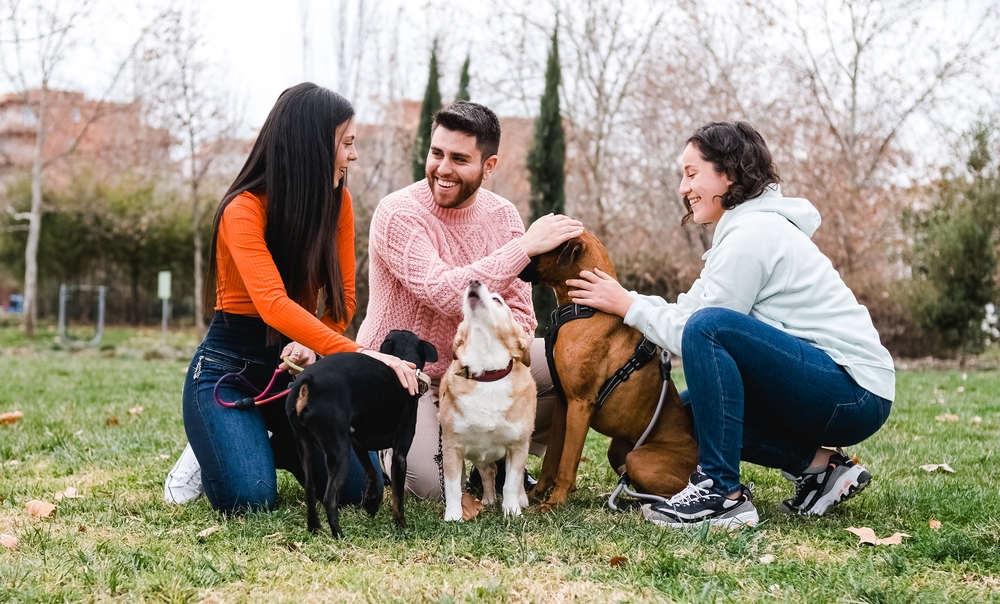
A dog may find walks overwhelming due to excessive stimulation from sights, sounds, and smells. This can lead to stress and reluctance to go on walks. Moreover, pups that move from a rural setting to a city environment might find the noise and crowds around them particularly challenging to navigate.

Solution:
Choose quiet routes with little foot and vehicle traffic, especially if your dog is easily overwhelmed. Gradually expose them to busier environments, using positive reinforcement to help them feel more comfortable.

6. Lack of Proper Socialization

Dogs that haven’t received adequate training or socialization may show signs of fear or anxiety during walks, particularly when encountering other dogs or unfamiliar people. If puppies miss out on crucial socialization during their early development, they might grow up feeling apprehensive about going for walks. It’s crucial for puppies to be gently introduced to new situations, environments, and individuals in short, positive sessions before they reach 3 months old. Without this exposure, they may feel overwhelmed by unfamiliar experiences and struggle to see the world as a welcoming place.

Solution:
Enroll your best buddy in obedience classes, or work with a professional trainer to improve their obedience skills and socialization. Gradually expose them to different environments, people, and animals in a controlled and positive manner to build their confidence and comfort levels.

7. Boredom

labrador retriever dog lying on the floor looking sad or sick
Image Credit: Jaromir Chalabala, Shutterstock

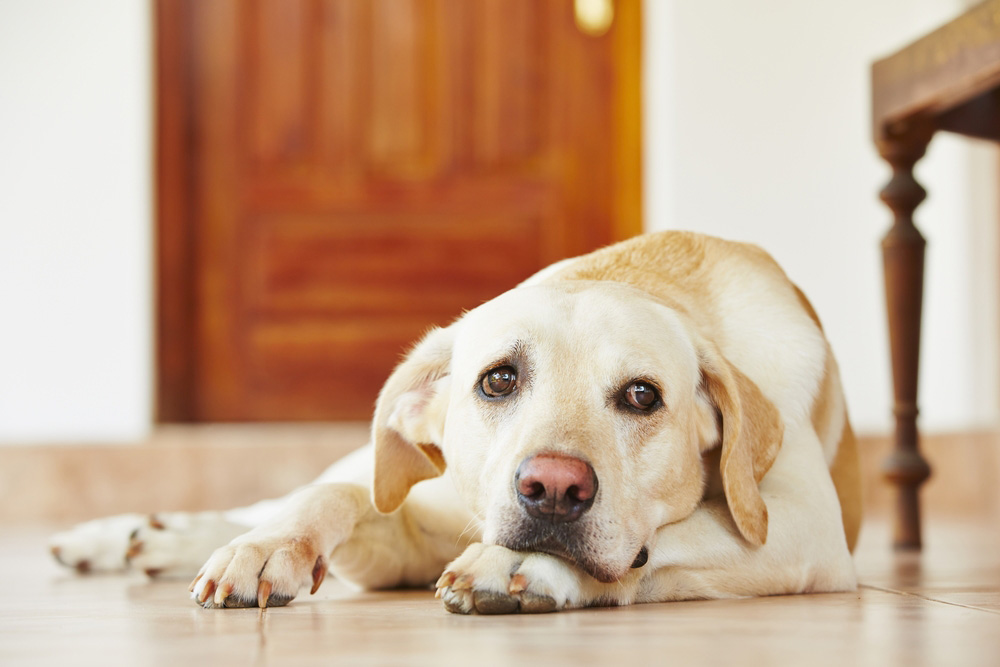
This is uncommon, but your pup might just be too bored to go for a walk! If your dog seems to find walks boring or monotonous, you’ll need to spice things up for them.

Solution:
Make walks more engaging and exciting for your dog by varying the route, incorporating interactive toys or games, and allowing them to explore new smells and environments. You can also engage with your pup during walks by playing games like fetch or practicing obedience commands.

divider dog paws 4 oct 2024

How to Get You and Your Dog Moving

If you find yourself thinking, “I hate walking my dog,” it’s time to change that mindset and make walks enjoyable for both of you.

Here are tips to make walking with your pup a breeze:
  • Exercise them more. It may be a tip you’ve read over and over again, but it’s been scientifically proven more than once: Exercise is a powerful stress reliever, and it’s not just beneficial for humans. A 2015 Finnish study investigating environmental factors linked to canine anxiety revealed that the frequency of daily walks correlates with fearfulness in dogs. Those with short daily walks tended to exhibit more fear of loud noises, strangers, and sudden stimuli compared to those with long walks. The researchers concluded that exercise could serve as a form of stress resilience, potentially leading to fewer fearful reactions in dogs.
  • Start slow but keep steady. If your dog is reluctant to walk, start with short, low-pressure walks, and gradually increase the duration and intensity as they become more comfortable.
  • Bribe your pup. Reward your dog with plenty of treats, praise, and affection during walks to reinforce good behavior and make the experience enjoyable.
  • Make it fun for both of you. Try new routes, bring their favorite toys, or join a dog-walking group. There are many ways to turn every walk into a game to increase your pup’s interest and keep their brain active.
  • Listen to your dog. Pay attention to your dog’s body language and cues during walks. If they seem stressed or uncomfortable, take a break or change the environment to help them feel more at ease.
  • Always be gentle and patient. If you remain consistent in your efforts and respect your dog’s pace, you will probably eventually succeed in transforming walking into a joyful experience for both of you.

divider dog paws 4 oct 2024

Conclusion

Understanding the reasons for your dog’s aversion to walks and applying the right solutions can transform your reluctant pup into a happy, playful explorer. But if your faithful companion seems to take a long time to enjoy walks, don’t stress. It may take time and patience for them to feel comfortable. That said, first make an appointment with your vet to ensure that this hatred of walking is not related to something more serious.

Stay consistent and persistent in your approach, and before you know it, your dog might even start bringing the leash to you when they’re ready for an adventure!


Featured Image Credit: katsunori, Shutterstock

Want content like this delivered to you?

Sign Up For Our Newsletter

News, insights, expert advice, and everything dog

* By submitting, you agree to our Terms & Conditions and Privacy & Cookies Policy.

How useful was this post?

Click on a star to rate (you can leave written feedback after clicking submit)

Help us improve Dogster for pet parents!

Your feedback really matters.

What did you like about this post? Also how can we improve it?

Join the conversation

Leave a Reply

You’re very welcome to leave a comment or question. Please know that all comments must meet our community guidelines, and your email address will NOT be published. Let’s have a positive and constructive conversation.

Talk With A Vet Online

Peace of mind,
anywhere, anytime

Affordable vet advice

Can You Put Neosporin on a Dog? Vet-Reviewed Safety Facts

A tube of antibiotic ointment Neosporin is handy to keep around for minor injuries, but is it safe to put on a dog?...

How Much Do Miniature Schnauzers Shed? Coat Types, Tips & FAQ

If you’re searching for a dog to give a forever home, you might be considering the Miniature Schnauzer. These adorable dogs weigh between...

Yellow Labrador Retriever: Info, Pictures, Origin & History

The Labrador Retriever is consistently one of the most popular dog breeds to exist year after year. The yellow variation is just that—a...

English vs American Cocker Spaniel: Key Differences (With Pictures)

Cocker Spaniels have a rich history as working gun dogs and as loyal companions. Whether working in the field or relaxing at home,...

More related

Can Dogs Eat Syrup? Vet-Verified Nutrition Facts & Info

Our canine companions are pros at begging our food off us, and they aren’t picky either. Our pups are more than interested in...

Phantom Cockapoo: Info, Pictures, Origin & History

Cockapoos are known worldwide for their friendly, even-tempered natures. They are always willing to play and are intelligent enough to be easily trained....

5-Month-Old Puppy: What to Expect (Vet-Approved Guide)

How did your little puppy grow up so fast? It’s like you blinked once, and now they’re halfway grown! If your puppy has...

Microchips Aren’t Enough: Why Lost Pet Recovery Needs a Tech Upgrade

This August 15th, Every Pet Owner Should Think Beyond the Chip Every year, National Check the Chip Day, observed on August 15th, reminds...

Keep reading

5 Best Fresh Dog Food Delivery Services in Australia: 2025 Reviews & Top Picks

More and more Australians are looking for a great way to feed their pooches without leaving the house. There are a number of fantastic dog food delivery services available in Australia, each with its own unique benefits. These services allow...

dog ordering food for delivery

Why Does My Puppy Eat So Fast? 5 Vet-Reviewed Reasons & Advice

Bringing a new puppy into your home is always exciting, but along with the good can sometimes come some bad. Your puppy may exhibit some behaviors that you need to train them out of, like chewing on absolutely everything or...

Great Dane Puppy Eating

Alpo Dog Food Review 2025: Recalls, Pros & Cons

Review Summary Dog food recipes keep changing by the day, and it’s hard to know which dog food is the best for your pup. Alpo is a common brand lining dollar store and department store isles for quick, easy meals....

Dogster_Alpo Dog Food Review

Gentle Giants Dog Food Review 2025: Pros, Cons & Verdict

Review Summary What do Robin, the Boy Wonder, and Gentle Giants dog food have in common? Burt Ward, the actor who portrayed Robin in the Batman TV show in the 1960s, is the founder of the highly rated dog food...

Dogster_Gentle Giants Dog Food Review

10 Best Dog Foods for English Bulldogs in 2025 – Reviews & Top Picks

English Bulldogs are wonderful pets, but they do have some predispositions toward certain conditions that make choosing the right food for them very important. Whether your English Bulldog struggles with obesity, dental disease, or just struggles to pick up small...

English Bulldog Eating

My Dog Eats Too Fast: 6 Vet-Reviewed Tips on How to Slow Them Down

Some dogs eat their food very quickly. But how fast is too fast? It might just seem like your dog is hungry or enjoys their food, but eating too fast can be harmful for your dog. Fast eating is a...

labrador retriever dog eating dry kibble

Can Dogs Eat Chicken Gizzards? Vet-Verified Facts & FAQ

Dogs can eat chicken, but can dogs eat chicken gizzards? Yes, you can feed your dog chicken gizzards! Of course, as with any food, there are potential risks to feeding your dog chicken gizzards. However, these risks can be largely...

Can Dogs Eat Chicken Gizzards

Can Dogs Eat Ants? Vet-Verified Facts & FAQ

As curious animals, dogs are bound to eat ants at some point in their life. Those little insects that you need to protect your sugary foods from can be found everywhere. Your dog is likely going to eat ants from...

Can Dogs Eat_Ants