"BPA-Free" Dog Bowls Aren't Actually Safer - Here's Why


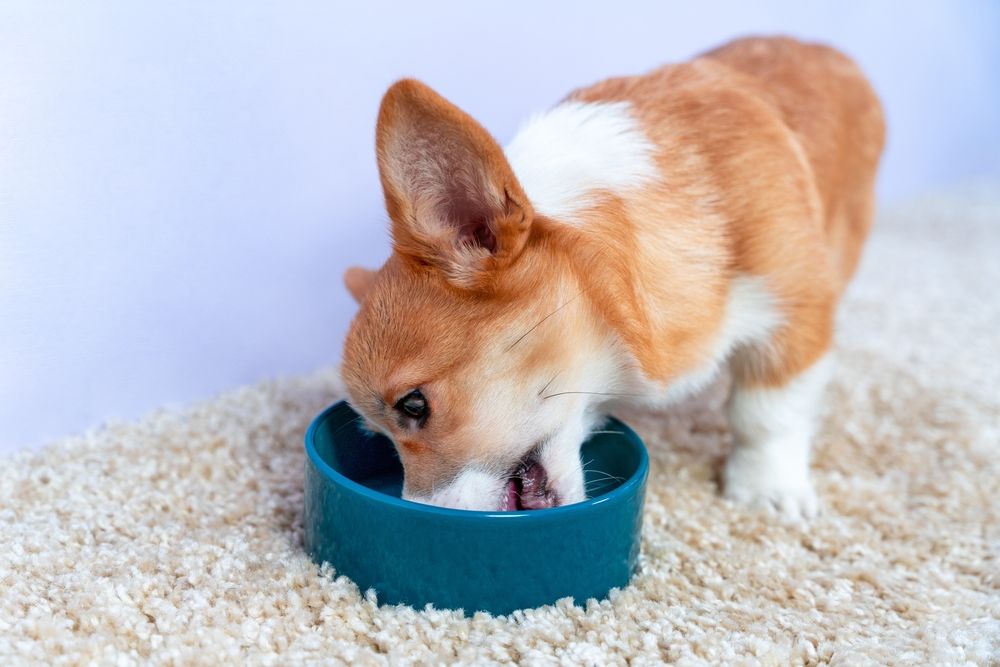
You've used the same plastic dog bowl for months, maybe years. It's lightweight, cheap, and gets the job done. But then you notice the weird discoloration around the rim, maybe a faint odor that won't wash out, or a rash developing on your dog's chin. Suddenly, that convenient plastic bowl doesn't seem so harmless.
Plastic is everywhere in the pet industry. Dog food bags, storage containers, bowls, and even toys. It's the default material because it's inexpensive and readily available. But just because something is common doesn't mean it's safe. The reality is that plastic poses real risks to your dog's health, from toxic chemical exposure to physical dangers if ingested.
Let's break down what you actually need to know about plastic in your dog's life and whether it's time to make a change.

The Problem With Plastic Packaging

Walk down any pet food aisle, and you'll see plastic everywhere. Dry dog food bags often have plastic coatings, wet food comes in plastic containers, and fresh food gets stored in plastic tubs. It's essentially unavoidable if you own a dog. But there are some legitimate concerns worth understanding.
BPA: The Chemical You've Heard About
You've probably seen "BPA-free" slapped on everything from water bottles to food containers, but what does it actually mean? BPA, or bisphenol A, is a chemical used in many commercial plastics, and it's genuinely problematic. The biggest concern is infertility, but BPA has also been linked to cancer and numerous other health issues in both humans and animals.
When your dog's food sits in plastic packaging containing BPA, that chemical can leach directly into what they're eating. Over time, this exposure adds up. The Food and Drug Administration suggests BPA might be safe at very low levels, but there's no guaranteed safe threshold, which isn't exactly reassuring when it comes to your dog's daily meals.
When Dogs Actually Eat the Plastic
Here's a scenario that happens more often than you'd think: your dog gets into their food container, tears off a piece of plastic, and swallows it. Or maybe they're gnawing on an empty container that smells like their dinner and accidentally consume chunks of it. Either way, you've got a problem.
Plastic cannot break down in your dog's digestive system. Depending on the size of the piece, it can cause an intestinal blockage that requires emergency surgery. Those vet bills can run into the thousands, not to mention the stress and danger to your dog's health. Beyond obstruction, thin plastic like food wrapping can wedge in your dog's throat, cutting off their airway or damaging the trachea and esophagus.
The BPA-Free Myth
Seeing "BPA-free" on a product might make you feel better about buying it. Don't. Here's why: when companies remove BPA, they typically replace it with BPS—bisphenol S—which is just as harmful, if not worse. BPS interferes with normal cell development, increasing the risk of diabetes, obesity, and cancer. It also wreaks havoc on reproductive health in both dogs and humans. So that "BPA-free" label isn't the safety guarantee it pretends to be. It's just clever marketing for a product that swapped one dangerous chemical for another equally dangerous one.

Weighing the Pros and Cons
Plastic isn't going anywhere anytime soon. It dominates the market because it's cheap and accessible. You can find plastic dog bowls in virtually any store, and they come in every style imaginable. Since plastic is inexpensive to manufacture, it's affordable for consumers too. If you're on a tight budget, plastic seems like the obvious choice.
But here's what that low price tag actually costs you. Plastic isn't sturdy—it breaks easily and stands no chance against determined chewers. It's also porous, meaning it harbors bacteria you can't even see. No matter how thoroughly you wash a plastic bowl, bacteria builds up in those tiny crevices over time, potentially making your dog sick.
Then there's the chemical cocktail. Certain plastics contain toxic substances like heavy metals, flame retardants, phthalates, and various bisphenols. If your dog ingests plastic, those sharp, indigestible pieces can create intestinal blockages or even puncture internal organs. And some dogs develop allergic reactions to plastic—if you notice skin irritation on your dog's nose or chin, especially after eating, the bowl itself might be the culprit.
The Hard Truth About Plastic
Here's the science: plastic leaches chemicals into whatever it touches. Even plastics with lower chemical content still release those substances into food and water over time. Plastics also attract microorganisms that cultivate potentially harmful bacteria. When you're storing food in plastic, the bacteria can multiply rapidly, leading to contamination and illness. So the real question becomes: is the convenience actually worth these risks?

Better Alternatives That Actually Exist
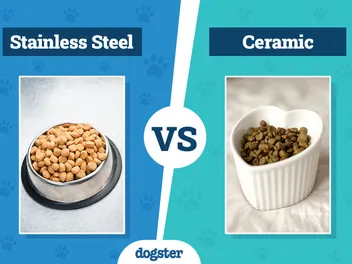
If plastic bowls are problematic, why do pet companies still sell them? Simple—they're profitable. But you don't have to keep using them. Stainless steel bowls are the gold standard, offering rust resistance, easy cleaning, natural bacteria resistance, and incredible durability at most retailers. Ceramic bowls provide an aesthetically pleasing, nonporous option that's also bacteria-resistant, though they're breakable and pricier. Silicone is gaining popularity for good reason. It's nearly indestructible, extremely easy to clean, and doesn't harbor bacteria like plastic does. As demand grows, more silicone options are hitting the market for bowls, mats, and storage containers.
Making the Switch
Look, you can absolutely keep buying plastic pet products if you want to. But now you know what you're actually getting—potential chemical exposure, bacterial buildup, choking hazards, and digestive dangers if your dog decides to eat the container.
If you do stick with plastic, at least do your research. Make sure whatever you're buying is genuinely safe and toxin free, though, as we've covered, that's harder to verify than it sounds. The smarter move? Avoid plastic altogether—in food packaging when possible, storage containers, bowls, and even toys. Your dog's health is worth the extra few dollars for materials that won't slowly poison them or send you to the emergency vet because they swallowed a chunk of their dinner bowl.
Feature Image Credit: Masarik, Shutterstock
Did You Know?
- Our brand-new posts are rounded up and included in our weekly emails. Don't miss out on the latest - sign up for our newsletter below!
Expert dog care, straight to your inbox
News, insights, expert advice, and everything dog.

No spam — unsubscribe anytime.
By signing up, you agree to our Terms & Conditions and Privacy & Cookies Policy.
How useful was this post?
Click a star to rate. You can leave written feedback afterwards. (We read all feedback.)
Dan has been working in the dog world for over 4 years, covering dogs and all other pets, helping pet parents keep their companions happy, healthy, and totally spoiled! Originally from London, Dan now works remotely, which sadly means no pets at home, but plenty of opportunities to fuss over other people's furry friends.