Get

In Your Inbox

Dogster is reader-supported. When you buy via links on our site, we may earn an affiliate commission at no cost to you. Learn more.

At What Age Do Puppies Lose Their Teeth? Vet-Verified Facts & FAQ

Share

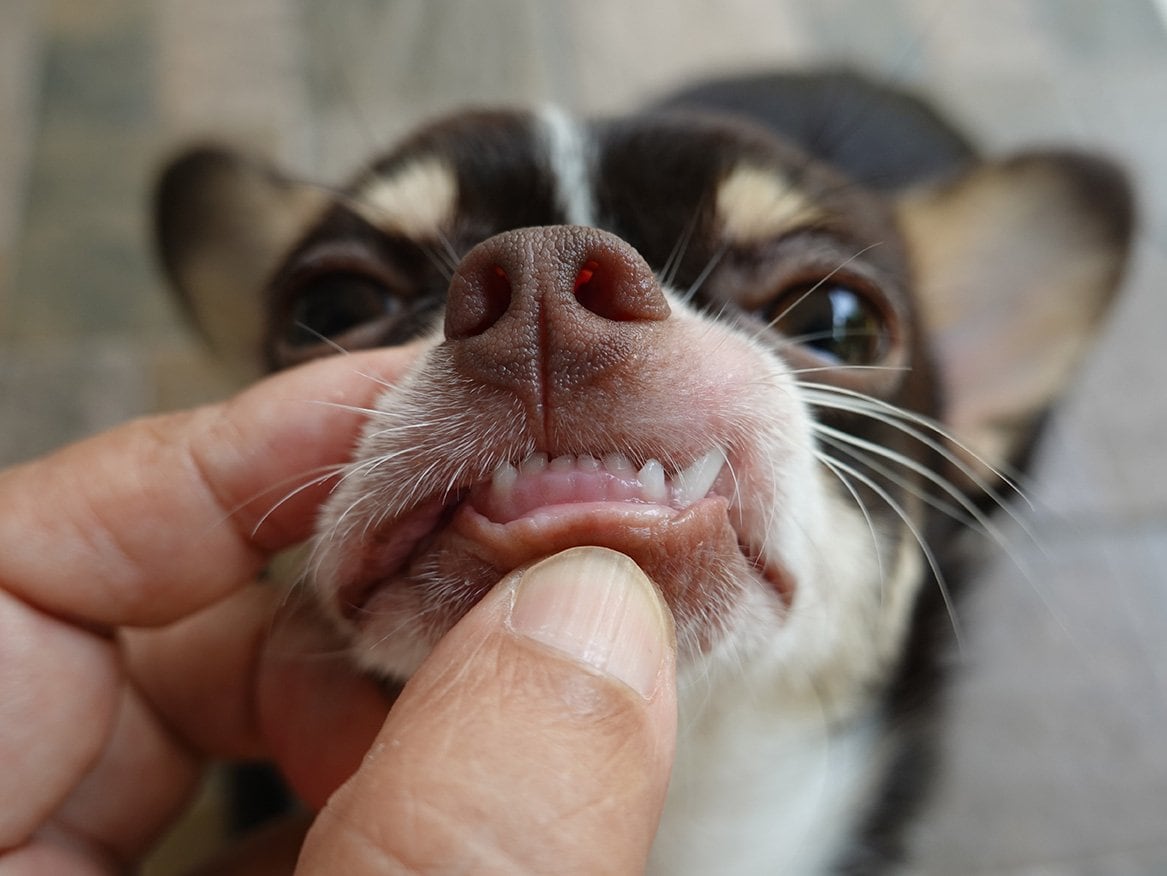
checking puppy teeth

Like humans, dogs have baby teeth that fall out as their adult teeth come in. If you are a first-time canine owner, you should know that this usually occurs when your pup is around 12 weeks old. To learn more, keep reading as we look at the different stages of tooth growth, from when the baby teeth first start to appear to when the adult teeth are in place, so you can understand your pet better.

divider single dog paw oct 2024

The Canine Teething Timeline

Puppies are born without teeth. However, by 2–4 weeks, you will start to see the first teeth appear, and all the baby, or deciduous, teeth will be in place by the time they are 6-8 weeks old. Puppies have 28 baby teeth, which will eventually be replaced by 42 permanent teeth.

The process of losing baby teeth and the growth of adult teeth in puppies is called teething. They usually start to lose their first baby teeth as their adult teeth begin to come in at around 12 weeks, which can lead to sensitivity, loss of appetite, and even bleeding. Most puppies will have a strong urge to chew, so it will be important to direct their attention toward appropriate objects, so they don’t get injured or in the habit of chewing on something that they shouldn’t, like your shoes.

Vet examining a Siberian Husky puppy
Image Credit: VGstockstudio, Shutterstock

12–16 Weeks Old

At 12–16 weeks, you may notice your puppy losing their teeth as their adult teeth grow in. The first to come through will likely be the incisors that they use for nibbling on food and grooming themselves. They will have 12 in total, six on top and six on the bottom.

16–28 Weeks Old

At 16–24 weeks, you will start to see your pup’s canine teeth and premolars emerge, followed by their molars, and their desire to chew on items will increase. They will have four sharp and pointy canine teeth, two on top and two on the bottom, along with 16 premolars and 10 molars that they will use for chewing and grinding, for a total of 42 adult teeth.
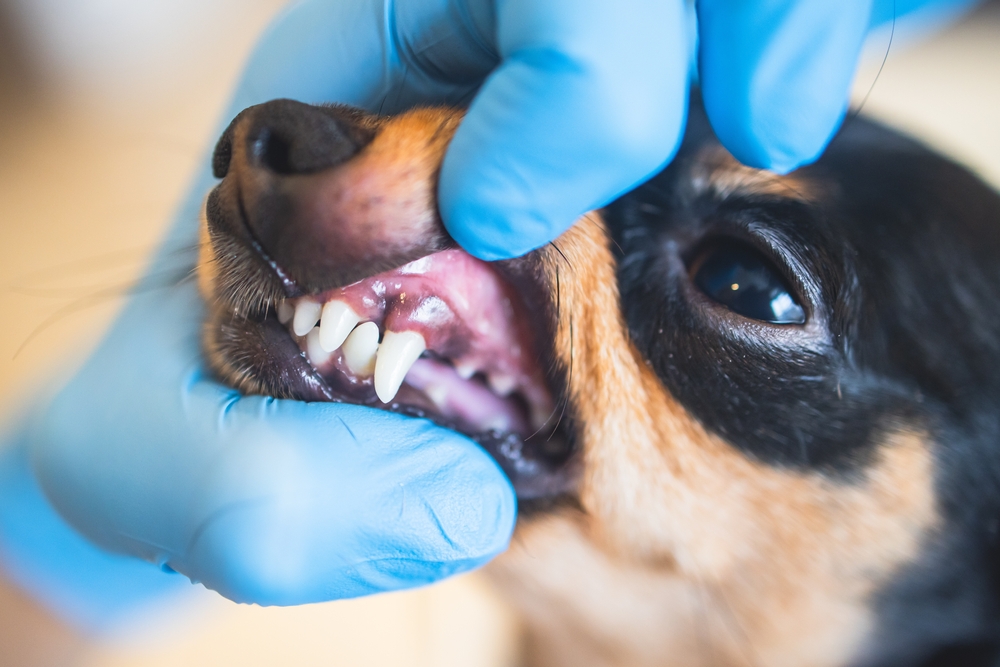
vet checking dog teeth
Image Credit: Tsuguliev, Shutterstock

6 Months and Older

Most puppies will have lost all their puppy teeth and will have their full set of adult teeth by the time that they are 6 months old.

divider dog paws 4 oct 2024

Signs That Your Puppy Is Teething

  • Increased chewing and biting on toys, furniture, or your hands.
  • Drooling more than usual
  • Whining or showing signs of discomfort
  • Bleeding from the gums
  • Loss of appetite

divider dog paws 2 oct 2024

How to Help Your Puppy When They’re Teething

Provide safe chewable toys that can help soothe your pet’s gums and prevent them from chewing on things that they shouldn’t. Freezing these toys can provide additional relief. Keeping a consistent feeding and exercise schedule will also help get your new puppy into a routine, which will help them feel more comfortable, especially when they are feeling stressed, like they will when teething.

If your puppy seems to be in significant pain, there is a significant amount of blood, or if you notice anything else unusual about the teething process, consult a veterinarian immediately for guidance.

beagle puppy chewing squeaky toy
Image Credit: tetiana_u, Shutterstock

divider dog paws 2 oct 2024

Frequently Asked Questions

Why Didn’t I Find Any of My Puppy’s Baby Teeth?

It is common for puppies to swallow their teeth as they fall out, and it usually happens when they are eating without any cause for concern.

How Can I Tell If My Puppy’s Adult Teeth Are Coming in Correctly?

As your puppy’s adult teeth come in, they should be straight and not crowded. If they seem crooked or wrong for some reason, talk it over with a vet.

Did you know you can speak to a veterinarian without having to travel? Just head over to PangoVet. It's our online service where you can talk to a vet online and get the advice you need for your pet — all at an affordable price!

PangoVet_Mention-in-Content Savings V1

Should I Brush My Puppy’s Teeth During Teething?

Yes, but you will need to be extra gentle due to their sensitive gums. Getting your dog used to manual brushing as early as possible can help get them into a routine that lasts into adulthood and helps prevent dental disease.

Dental disease is a serious problem for dogs, with more than 80% of dogs over the age of 3 having a form of it.

divider dog paws 3 oct 2024

Summary

Puppies will start to lose their teeth when they are around 12 weeks old, and it will continue as they get new teeth until they are about 6 months old. During this time, your dog could experience slight discomfort, as their gums are likely sensitive and may even bleed a bit. Teething dogs also frequently start to chew on things as a form of relief and can damage your home or belongings if you don’t provide them with something suitable that they can use instead.

If you notice your pup’s teeth coming in crooked or all bunched up or your dog seems to be in extreme pain, call a vet for advice.


Featured Image Credit: Chang Pooh24, Shutterstock

Want content like this delivered to you?

Sign Up For Our Newsletter

News, insights, expert advice, and everything dog

* By submitting, you agree to our Terms & Conditions and Privacy & Cookies Policy.


How useful was this post?

Click on a star to rate (you can leave written feedback after clicking submit)

Help us improve Dogster for pet parents!

Your feedback really matters.

What did you like about this post? Also how can we improve it?

Join the conversation

Leave a Reply

You’re very welcome to leave a comment or question. Please know that all comments must meet our community guidelines, and your email address will NOT be published. Let’s have a positive and constructive conversation.


Talk With A Vet Online

Peace of mind,
anywhere, anytime

Affordable vet advice

Ask Dr. Paola- Help! My Dog’s Sleeping Habits Have Changed! (May 18, 2026)

Welcome to our “Ask Dr. Paola” series, where every Monday we bring expert advice straight from Dr. Paola Cuevas (MVZ) to help our...

The Crate Setup Most Dog Owners Get Wrong (And How To Fix It!)

Most people assume that if their dog hates the crate, the crate is the problem. So they try a bigger one, a different...

1,500 Beagles Rescued from Wisconsin Lab Farm – Here’s Where They’re Going

You may remember that a few weeks ago, we reported on a tense situation at Ridglan Farms, Wisconsin, a facility infamous for housing...

Dogster’s Weekly Photo Contest Winners: Window Watchers (May 11, 2026)

Every week our team gets the privilege of sorting through our readers photos to choose what dogs will win this weeks contest! See...

More related

Do All Dogs Have Webbed Feet? 8 Breeds That Do

When you think about animals with webbed feet, dogs aren’t likely the first species to come to mind. Believe it or not, all...

Airedale Shepherd: Breed Info, Pictures, Care Guide & More

As much as we talk about the protective prowess of the top guard dog breeds, the most well-rounded guardian for your family may...

Can Dogs Eat Pork? Vet-Approved Nutrition Facts & FAQ

There is always a time for pork, whether it’s crispy bacon to accompany your waffles, pork sausages for lunch, or a pork roast...

Do Shih Tzus Shed More Than Other Dogs? Facts & FAQ

Few dogs have as beautiful, long, and luxurious hair as the Shih Tzu. Originating in Tibet more than 2,000 years ago, the Shih...

Keep reading

Can Dogs Eat Butternut Squash? Vet-Approved Facts & FAQ

Dogs have no qualms about trying anything that falls off our plate, but you might be wondering what’s healthy for them and what’s not. For instance, you’re eating squash and your dog scarfs down some—is that OK or something to...

Can Dogs Eat_Butternut Squash

How to Choose the Right Dog Bowl: Materials, Durability, and Hygiene

When you think about your dog’s health, your first thought might be the food they eat. If you’re like most pet owners, you want to give your beloved companion the tastiest, most nutritious meals. But beyond what they eat, how...

labrador retriever dog holding feeding bowl in his mouth

What Is Choline Chloride in Dog Food? Vet-Approved Facts & Benefits

If you’re one of the people who read the entire ingredients list on your dog’s food before purchasing it, you have likely spotted a few words you weren’t familiar with. One of the things you have likely seen in your...

Dog food in a bowl

4 Benefits of Turmeric for Dogs (Based on Science)

Dogs are like humans. They are susceptible to various diseases that can cause joint pain and inflammation and can also benefit from this yellow spice. We have listed four benefits of turmeric for your dog, along with other information you...

Close-Up Shot of Turmeric Powder

Super Chewer by BARK Review 2026: An Expert’s Breakdown

Review Summary Introduction If you and your pup like surprises, a Super Chewer subscription from the makers of BarkBox won’t disappoint. This package is filled with toys and snacks that are designed for dogs who vigorously enjoy their gifts, as...

DOG_SAPR_Bark Super Chewer Dog Subscription Box

Is Salmon Dog Food Good for Dogs? Uses, Benefits & Considerations

Protein is the single most essential element in dog food, so how do you pick the right one? With options like chicken, fish, beef, and salmon in dog food recipes, it is important to know their characteristics and what to...

dog wanting to eat salmon

Why Is My Dog Gaining Weight But Not Eating More? 10 Vet-Reviewed Reasons

Did you know that 59% of dogs in the United States are considered overweight or obese1? It’s true, and extra pounds put dogs at risk of developing debilitating health conditions like arthritis and reduce their lifespan. However, if your dog...

dog sitting on weighing scale

Royal Canin Dog Food Review 2026 – Pros, Cons, Recalls & FAQ

Royal Canin is easily one of the most popular dog food brands out there. It produces many different recipes, including ones that are breed specific, so many dog owners are drawn to it. However, there are also negatives about this...

Love Dogs? So Do We! Join the Dogster Community

Stay informed with expert pet care insights delivered straight to your inbox! Discover professional guidance on animal behavior, feeding tips, trusted product picks, and much more.


Sign up for the Dogster Email Newsletter