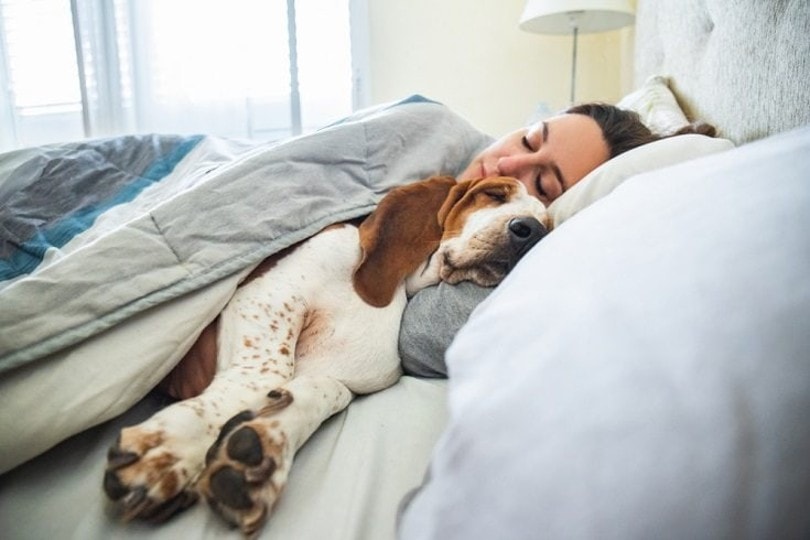
Having a pet involves more than days spent playing, taking walks, or simply cuddling. At night, when the house is settling down, and it’s time for everyone to turn in, having a pet that wants to stay near you or their favorite family member isn’t all that uncommon. It’s all normal for the humans involved in the equation to want their pets by their side while they’re sleeping as well. The big question is, are there any health benefits to letting your pet sleep with you?
While you may think having your pet by your side is simply a comfort thing, it isn’t. There are health benefits associated with having your pet in the bed with you at night. However, there are also a few risks. Let’s take a look at both the benefits and risks below so you can determine whether sharing your bed with your best friend is the best thing for you.

The Health Benefits of Allowing Your Pet to Sleep with You
If you’re one of the people who can get past losing part of your bed and hearing the snores of your pet, then you may already be experiencing some of the health benefits that come with sharing your bed with your animals. If you’re still on the fence about letting your dog or cat in bed at night, taking a look at these health benefits may sway you.

Better Mental Health
Pets are a great way of helping fight depression, PTSD, and a host of other mental issues many of us fight daily. Oxytocin and serotonin are released by most people when they are in contact with a pet. These feel-good hormones can help fight depression, help reduce anxiety, and increase your sense of comfort. Sleeping with your pet can even help your self-esteem and reduce fearfulness due to the companionship it offers.
Promotes Theta Brainwaves
As we just mentioned, sleeping with a pet helps the brain produce oxytocin. This hormone, in return, promotes theta brainwaves. These brain waves are produced during REM sleep, which we all need to wake up feeling rested and refreshed.
Reducing Insomnia
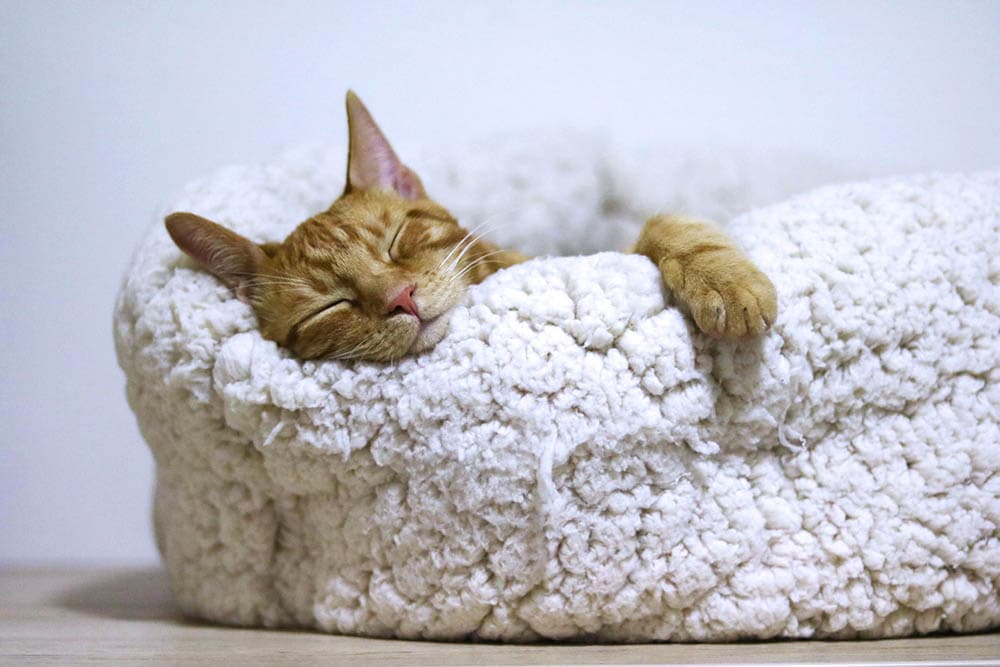
Insomnia can be quite detrimental to a person’s health. Having a pet in the bed with you and increasing the feel-good hormones being produced can help ease a person who can’t sleep. Often, when the pet is nearby, those who have been suffering from lack of sleep feel comforted and secure enough to finally doze off.
More Restful Sleep
We all need sleep–good sleep. Instead of tossing and turning, the comforting feeling we receive when our pets are with us in bed can help us sleep better. Often, pet owners will experience better sleep quality when their trusted companion is snoozing beside them.

Lowers Blood Pressure
All of the relaxation that having a pet nearby offers can also be great for blood pressure. Studies have shown that having pets can reduce hypertension and issues with cardiovascular health. Not only do pets promote more exercise, but the easing of tension they offer can also be beneficial for the heart.
Better Immunity
Having pets in the home instantly increases the number of germs, bacteria, and especially dander found indoors. While many people try to avoid being exposed to such things, having them around can build up your body’s immunity to them. This is especially beneficial for children. Having a pet that sleeps with a child can lower the likelihood of them developing allergies as an adult.


The Risks of Allowing Pets to Sleep With You
While there are health advantages to having a pet in bed with you at night, there are also a few risks involved. Before deciding you’re ready to invite your pet to share your bed, you should fully understand any negative effects.
Allergies
Some people with pet allergies simply cannot avoid having a beloved animal in the house. However, if you’re allergic, letting that pet into your bedroom could be a huge mistake. It’s best to keep dogs and cats out of the room where you sleep if you have allergies. Them being in that space can cause serious issues when you’re trying to rest.

Decreased Sleep
Perhaps your dog snores a lot, or your cat loves waking you up at 3 a.m. If that’s the case, then sharing your bed with them could actually decrease the amount of sleep you get. As we covered above, we all need a good night’s sleep. If your pet keeps you from having this, it may be best to keep them out of bed when you’re trying to rest.
Germ Exposure
Pets bringing germs and bacteria into your home is like a double-edged sword. This is especially true for those who have low immunities. While it may not happen often, pets can bring dangerous organisms into the home. If you, or someone in your home, has low immunity, keeping the family pet out of the bedroom would be a good call.

Aggression
Having your dog or cat in bed with you may not always be a happy experience. When a pet is sleeping, they aren’t fully aware of what’s happening around them. It’s the same as humans. Being startled, bumped into, or jostled unexpectedly could promote a bit of aggression from the animal. Dog and cat bites or scratches aren’t unheard of when they share a bed with their owners. For this reason, parents should be extra careful with their children. Kids aren’t able to pick up on signs of aggression or when something isn’t right with an animal. This can lead to accidents parents don’t want to experience.

Is It Good for Your Pet?
Of course, not every pet should be in bed with its owner at night. Small animals like gerbils, guinea pigs, birds, and the like need to be in a safe area when nighttime rolls around. For the other animals, however, the closeness they feel when sleeping with their owners is quite good for them. It helps strengthen the bond humans and animals share. It also helps the animal feel comforted and protected as we do by having them by our side.


Conclusion
As you can see, there are both benefits and risks involved when it comes to letting your pet into your bed at night. Before you decide on what’s best for your situation, weigh all the options. Yes, you can change your mind at any point, but once your pet is used to being by your side they could feel rejected when you send them away. The last thing you want to do, as a good pet owner, is hurt your pet unintentionally.
Featured Image Credit: Daniel Myjones, Shutterstock
 The Health Benefits of Allowing Your Pet to Sleep with You