Are Pit Bulls Banned in Canada? Provincial & Municipal Regulations Guide

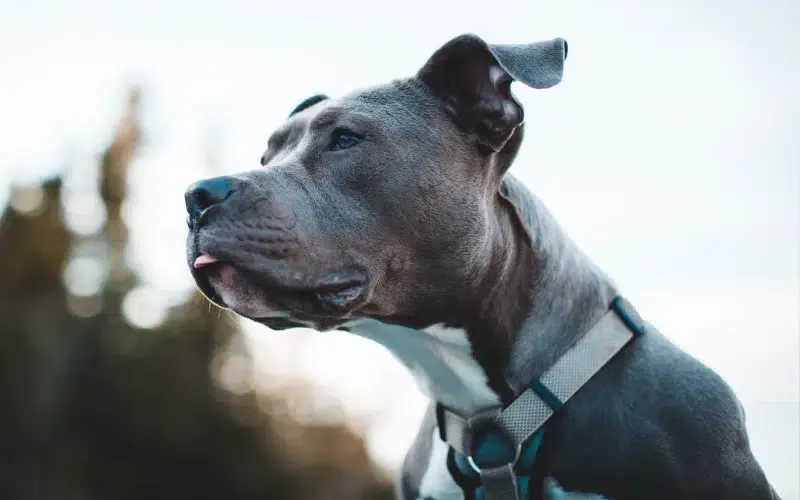
Pit Bulls are a protective and fearless dog breed known for their playful temperaments and friendly nature. However, they have a high prey drive and can sometimes get a bad reputation because they were previously bred and trained to be aggressive so they could participate in dog fighting. The breed was born from the original English bull-baiting dog that was bred to attack large animals like bears or deer. Because of this, some countries have regulations banning the importing or breeding of Pit Bulls. Is Canada one of them?
The Canadian federal government does not regulate Pit Bulls, but they are banned by laws in some provinces and municipalities. Keep reading to learn more about Canada’s regulations regarding Pit Bulls.

Where Is It Illegal to Own a Pit Bull in Canada?
As we alluded to in the introduction to our blog, while the federal government doesn’t have Canada-wide bans on Pit Bulls, some provinces and cities do.
Pit Bulls are not allowed in more than 40 locations in Manitoba. Winnipeg, the province’s capital, has breed-specific legislation against dogs that resemble American Pit Bull Terriers, American Staffordshire Terriers, and Staffordshire Bull Terriers. Other cities in Manitoba where it is illegal to own a Pit Bull include Virden, The Pas, Reston, and others.
Ontario has had a provincial-wide Pit Bull ban in place since 2005. By the province’s definition, Pit Bulls include Pit Bull Terriers, American Staffordshire Terriers, American Pit Bull Terriers, or any dog with a similar appearance or physical characteristics.
Pit Bulls are banned in several towns in Alberta, Saskatchewan, New Brunswick, Nova Scotia, Newfoundland, and Labrador.
British Columbia
- Richmond: Pit Bulls are designated as dangerous dogs
- Burnaby: Pit Bulls are defined as vicious dogs
- West Vancouver: Pit Bulls are defined as aggressive dogs with restrictions
- Pitt Meadows: Pit Bulls are defined as vicious dogs
- Nanaimo: Pit Bulls are restricted
- Parksville: Pit Bulls are defined as dangerous or aggressive dogs
- Gold River: Pit Bulls are restricted
- Ladysmith: Pit Bulls are restricted
- Castlegar: Pit Bulls are defined as vicious dogs
- Nelson: Pit Bulls are defined as vicious dogs
- Dawson Creek: Pit Bulls are defined as vicious dogs
- Stewart: Pit Bulls are restricted
- Trail: Pit Bulls are prohibited to be at large, or on a highway or in a public place without being muzzled and leashed
- Prince Rupert: Pit Bulls are restricted
- Fort Nelson: Pit Bulls are restricted
Alberta
- Bearberry: Pit Bulls are restricted
- Sundre: Pit Bulls are restricted
- Bergen: Pit Bulls are restricted
- Elkton: Pit Bulls are restricted
- Cremona: Pit Bulls are restricted
- Water Valley: Pit Bulls are restricted
- Carstairs: Pit Bulls are restricted
- Stirlingville: Pit Bulls are restricted
- Bassano: Pit Bulls are restricted
- Rosemary: Pit Bulls are restricted
- Coronation: Pit Bulls are restricted
- Heisler: Pit Bulls are restricted
- Picture Butte: Pit Bulls are restricted
- Magrath: Pit Bulls are restricted
- Milk River: Pit Bulls are restricted
- Onoway: Pit Bulls are restricted
- County of St Paul: Pit Bulls are restricted
- Dewberry: Pit Bulls are restricted
- County of Vermillion River: Pit Bulls are restricted
- Kitscoty: Pit Bulls are restricted
- Coutts: Pit Bulls are banned
- Nobleford: Pit Bulls are banned
- Moosomin: Pit Bulls are banned
Saskatchewan
- St Walburg: Pit Bulls are banned
- Meota: Pit Bulls are designated as dangerous dogs
- Hafford: Pit Bulls are banned
- Saint Louis: Pit Bulls are banned
- Melville: Pit Bulls are banned
- Rose Valley: Pit Bulls are banned
- Perdue: Pit Bulls are banned
- Elrose: Pit Bulls are banned
- Burnstall: Pit Bulls are banned
- Nokomis: Pit Bulls are banned
- Cupar: Pit Bulls are banned
- Qu Appelle: Pit Bulls are banned
- Lang: Pit Bulls are banned
- Radville: Pit Bulls are banned
Manitoba
- Winnipeg: Pit Bulls are banned
- Elie: Pit Bulls are banned
- Cartier: Pit Bulls are banned
- Dacotah: Pit Bulls are banned
- Starbuck: Pit Bulls are banned
- Lido Plage: Pit Bulls are banned
- Springstein: Pit Bulls are banned
- Oak Bluff: Pit Bulls are banned
- Sanford Brunkild: Pit Bulls are banned
- LaSalle: Pit Bulls are banned
- Domain: Pit Bulls are banned
- Niverville: Pit Bulls are banned
- Kleefeld Blumenort: Pit Bulls are banned
- Mitchell: Pit Bulls are banned
- Steinbach: Pit Bulls are banned
- Saint Jean Baptiste: Pit Bulls are banned
- Marchand: Pit Bulls are banned
- Virden: Pit Bulls are banned
- Cromer: Pit Bulls are banned
- Scarth: Pit Bulls are banned
- Sinclair: Pit Bulls are banned
- Reston: Pit Bulls are banned
- Pipestone: Pit Bulls are banned
- Hartney: Pit Bulls are banned
- Deloraine: Pit Bulls are banned
- Swan River: Pit Bulls are banned
- MacDonald: Pit Bulls are banned
- The Pas: Pit Bulls are banned
Ontario
- Provincial Pit Bull ban
Quebec
- Provincial Pit Bull ban under review
New Brunswick
- Alma: Pit Bulls are banned
- Neguac: Pit Bulls are banned
- Salisbury: Pit Bulls are banned
- Shippigan: Pit Bulls are restricted
Nova Scotia
- Antigonish County: Pit Bulls are restricted
- Clark’s Harbor: Pit Bulls are banned
- Guysborough: Pit Bulls are defined as fierce or dangerous
- Richmond County: Pit Bulls are restricted
Newfoundland & Labrador
- North West River: Pit Bulls are banned

What About the Other Areas of the Country?
Though none of the other provinces outright ban owning Pit Bulls, many municipalities have rules about owning one.
In 2018, Quebec nearly passed a law that banned “potentially dangerous dogs,” including Pit Bulls and Rottweilers. However, lawmakers eventually decided there was no scientific basis for this law and shelved it.
Though Pit Bulls aren’t banned in any city in British Columbia, many cities have restrictions in place for this breed.
For example, Richmond deems Pit Bulls as “vicious dogs.” The city has animal control bylaws stating that these dogs must always be muzzled while in a park or public place and should be confined indoors within a securely fenced yard at all times while on the owner’s premises. All points of entry into the yard must have a sign that clearly states a vicious dog is inside.
In West Vancouver, Pit Bulls are considered “aggressive dogs” and are subject to several bylaws. These dogs must always be securely confined indoors, in an enclosed cage that does not allow the entry of children, or on a leash or tether no longer than 1.5 meters in length. In addition, aggressive dogs must have some type of permanent identification device. The bylaw also states owners must have clearly marked signage on their property that gives the public notice of the dog’s presence. The signage must follow strict rules (e.g., lettering must be clearly visible from 16 meters away, and the sign must not be larger than 1.5 square meters or smaller than .75 square meters).
Pit Bulls are also often discriminated against by landlords.

What Is Breed-Specific Legislation?
Breed-specific legislation (BSL) is a catch-all term for laws that regulate, restrict, or outright ban certain dog breeds. The thought process behind BSL is that the number of dog attacks on humans and other animals will decrease when these laws are in place.
However, a quick fix like BSL won’t solve the dangerous dog problem. In fact, according to the ASPCA, there isn’t any evidence that such legislation will make a community safer. Organizations like the Centers for Disease Control (CDC) and Prevention and the American Veterinary Medical Association (AVMA) strongly oppose BSL.
Not only are breed-specific laws expensive and hard to enforce, but any dog can bite, regardless of its breed. It’s impossible to calculate an accurate bite rate for any dog breed or compare rates between breeds as the data is unreliable. The data is wishy-washy for several reasons, including:
- The biting dog breed is often unknown or inaccurately reported.
- Visual determination of a breed is not always reliable.
- The actual number of dog bites is skewed, especially if the bite doesn’t result in a serious injury.
- The actual number of dogs of a certain breed or mix of breeds is unknown, as not every dog in the community will have a license.
- Statistics don’t account for multiple bite incidents caused by the same animal.

A dog bite risk and prevention study by the AVMA suggests that dog breeds that were more aggressive toward humans were small to medium-sized dogs, such as toy breeds and spaniels. But even though smaller breeds may be more aggressive, their size means they’re much less likely to inflict serious bite injuries except on vulnerable individuals or if they’re acting as part of a pack.
BSL is a far too simple answer to a complex social problem that carries with it consequences for innocent dogs and owners. Not to mention, breed bans don’t address the social issue of irresponsible pet owners.
Summary
Only a handful of places in Canada outright ban Pit Bulls, but many municipalities have legislation that restricts them. Unfortunately, while breed-specific legislation might seem like an answer to the country’s dangerous dog problem, it is a Band-Aid solution that doesn’t address the deeply rooted social issues at the core of the problem. BSL causes the suffering of innocent dogs and responsible pet owners.
See Also:
Featured Image Credit: Jonathan Cooper, Unsplash
Expert dog care, straight to your inbox
News, insights, expert advice, and everything dog.

No spam — unsubscribe anytime.
By signing up, you agree to our Terms & Conditions and Privacy & Cookies Policy.
How useful was this post?
Click a star to rate. You can leave written feedback afterwards. (We read all feedback.)
Chantelle is passionate about two things in her life – writing and animals. She grew up on the prairies of Canada surrounded by animals and as an adult, she choose to share her home with five cats, two guinea pigs, and a bearded dragon. Chantelle, her husband, and their child take great pride in being great animal parents- the ones who spend a thousand dollars on wall-mounted cat shelves so that their cats can have an indoor jungle gym all year round. When Chantelle isn’t snuggling her cats on the couch or taking pictures of them being funny, she’s outside exploring in the Rocky Mountains, binging the same shows on Netflix over and over, and reading about whatever random topic pops into her brain.