How Big Do Alaskan Malamutes Get? Vet-Verified Average Size & Growth Chart


In this article
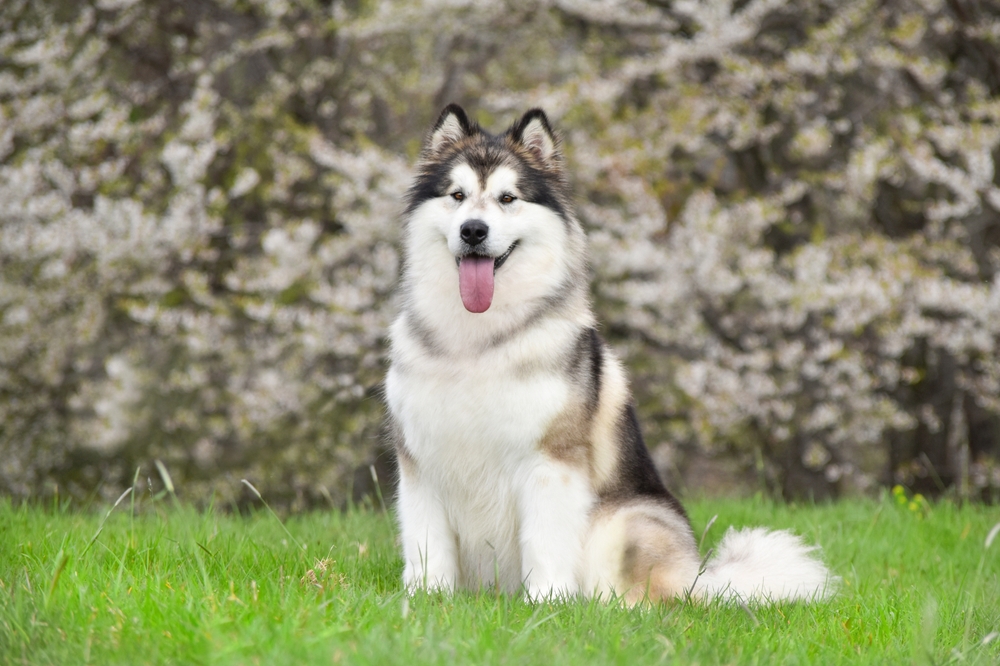
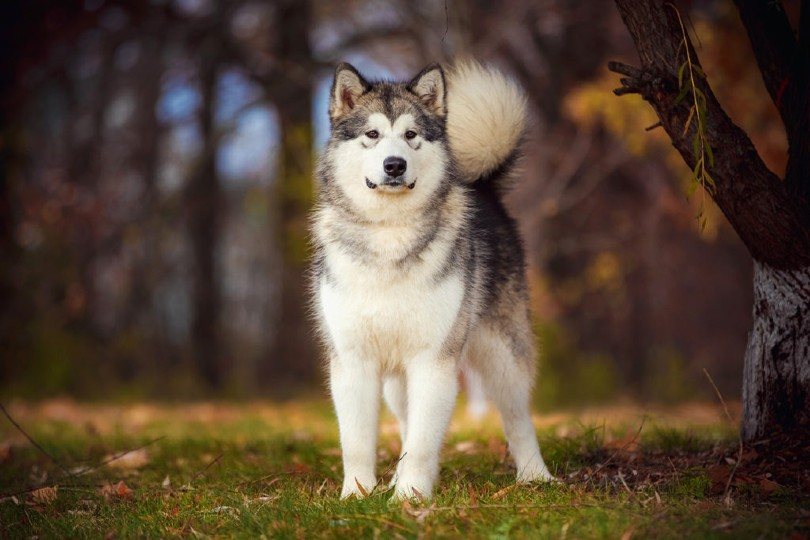
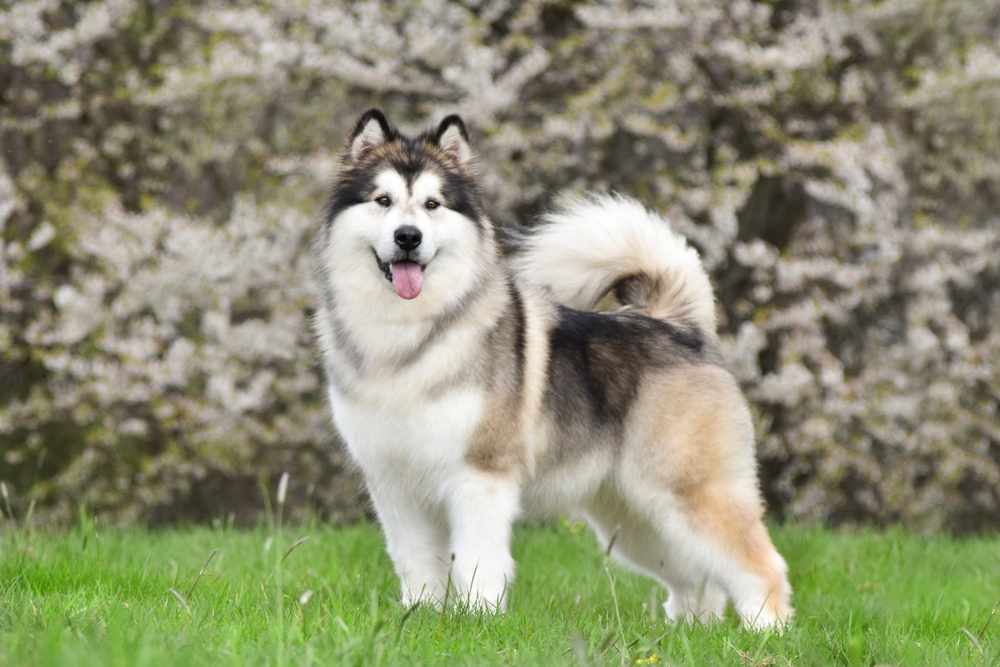
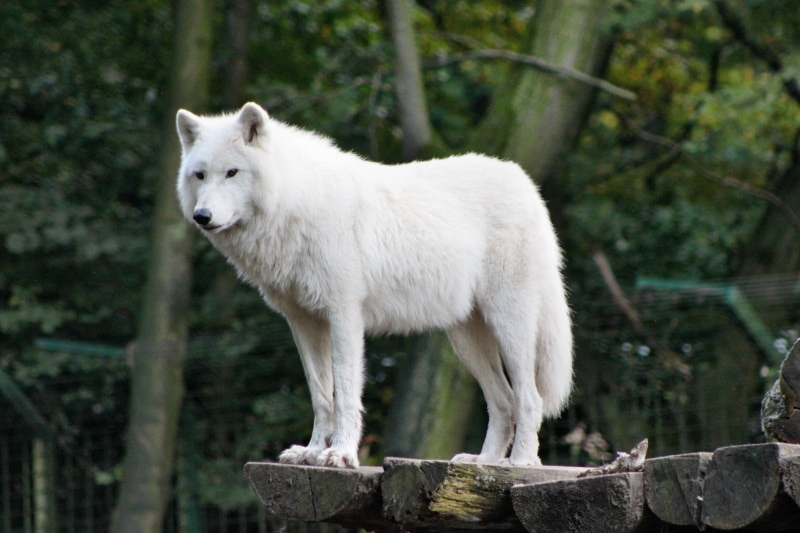
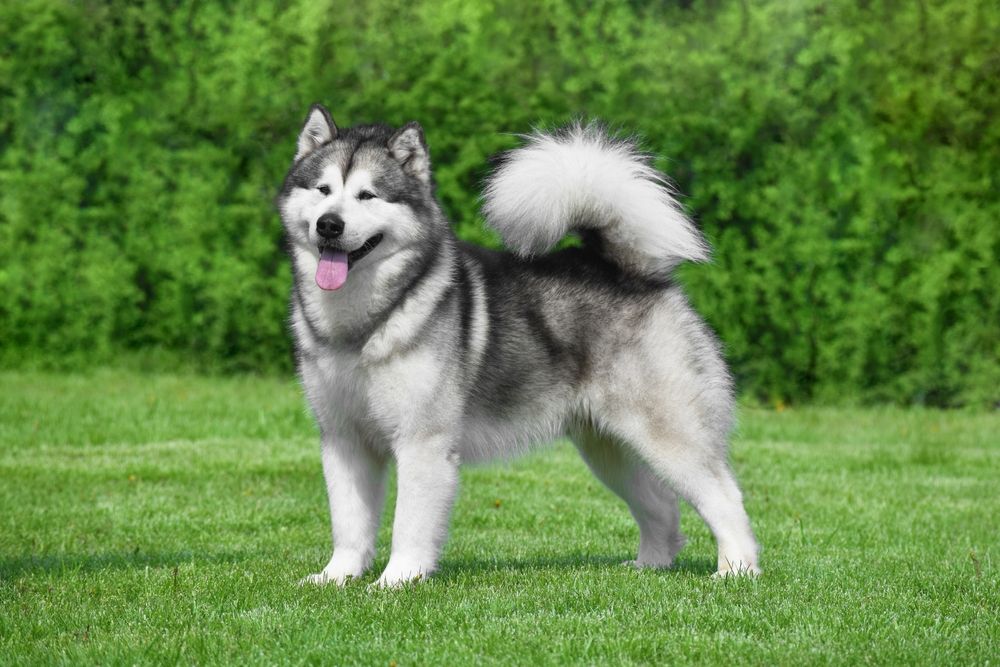
View 5 More +The Alaskan Malamute is a beautiful animal. Some people even think they look like wolves, which is understandable. The breed is related to other ancient dogs, such as the Chow Chow and Akita, supporting this assertion. They are close to their wild counterparts in some ways. They are large breeds, making them comparable to gray wolves (Canis lupus), which can weigh over 60 pounds, like the Alaskan Malamute. If you’re interested in learning more about how much this breed grows, read on.

Alaskan Malamute Overview
The Mahlemiut of Northwestern Alaska selectively bred the Alaskan Malamute as a sled dog. However, archaeological evidence suggests humans used dogs for this purpose as far as 8,000 years ago on Zhokhov Island in the East Siberian Sea. These dogs have many desirable traits, including a seemingly endless supply of energy.
The Alaskan Malamute is typically a friendly dog that gets along with people and other dogs if properly socialized and trained. They are intelligent and work hard, but can be stubborn and willful. They need a lot of daily exercise and stimulation to keep them happy. These dogs are tolerant of the cold but don’t like being alone. Overall, the Alaskan Malamute isn’t the best choice for novice pet owners, and their large size is just one reason why.

Alaskan Malamute Size and Growth Chart
The size difference between male and female Alaskan Malamutes is significant. Therefore, the former are at the higher end of the range and the latter toward the lower part. The pup experiences a dramatic growth spurt between 1 and 6 months old. Although they are close to their full height and weight at around 12 months, they don’t stop growing until 18 to 24 months of age. Their average height when fully grown is 25 inches for males and 23 inches for females.
Keep in mind that the chart below is supposed to give you a general idea of your dog’s weight at certain ages, but individuals may vary slightly. If you’re ever concerned about your dog’s growth rate, please reach out to a vet.
| Age: | Weight Range: |
| 1 month | 5 – 10 pounds |
| 2 months | 10 – 25 pounds |
| 3 months | 15 – 30 pounds |
| 4 months | 25 – 40 pounds |
| 6 months | 45 – 60 pounds |
| 8 months | 55 – 70 pounds |
| 10 months | 60 – 75 pounds |
| 12 months | 70 – 80 pounds |
| 2+ years | 75 – 85+ pounds |

When Does an Alaskan Malamute Stop Growing?
The growth of the Alaskan Malamute slows at about 7 months old. The increase is modest until the animal is 2 years old. That’s not unique to this breed. It’s evident in other large and giant breeds. Our consolation for their relatively short lives is more puppy time. Scientists theorize that these canids age quicker. The reason may lie with the short ends of their chromosomes or telomere lengths.1
Factors Affecting the Size of an Alaskan Malamute
Logic tells us that a puppy’s diet during this growth spurt profoundly affects the animal’s size. After all, they need nutritional support to develop. What a dog eats is the raw material for development. You should give your pet a diet suited to their size and life stage. We can also point to enrichment and adequate exercise as supporting factors for growth and development.
Other things are outside your control, including the prevalence of hereditary and congenital conditions of the breed. Reputable sellers screen their animals for them before breeding dogs that have or carry deleterious traits like hip and elbow dysplasia, which can affect the quality of life and lifespan of these dogs.
Ideal Diet for Maintaining a Healthy Weight
Puppies need larger relative percentages of the macronutrients than adults. Therefore, the life stage is critical when choosing the best diet. These dogs should get high-quality commercial food with at least 22.5% protein and 8.5% fat (on a dry matter basis). We don’t recommend free feeding your pet. Instead, offer three to four meals daily to monitor your pup’s intake to maintain a healthy weight.
The best way to check is the dog’s body condition score. Your pet should have a visible waist when viewed from overhead. Of course, the animal’s dense coat may make it hard to see. However, you should be able to palpate the dog’s ribs without much fat getting in the way.
Mealtimes can be reduced to twice daily by the time they are one year old. Protein and fat should be at least 18.0% and 5.5%, respectively. Make sure fresh water is always available.
Several factors affect how much to feed your pet, including reproductive status and activity level. A male neutered Alaskan Malamute weighing 85 pounds would need around 1500 calories per day. The amount of food you give your dog depends on the diet. Manufacturers must provide feeding guidelines on the product’s label. We recommend measuring your dog’s food. We also suggest limiting treats to no more than 10% of their daily caloric intake.

How to Measure Your Alaskan Malamute
Weighing your pet as a puppy isn’t a big deal. Simply get on the scale to get your weight and then again while holding your pup. The difference is what they weigh. That’s not as easy once your pooch gets closer to their adult size. However, you can take your dog to your vet for weigh-ins as necessary to keep track of it. We suggest asking the admin staff to note it in your pet’s chart.
Height is measured at the withers or the highest part of your pet’s back, usually at the base of the neck. You may find it more manageable to use a yardstick instead of a tape measure. Tracking your pet’s weight and height is an excellent way to ensure your pet is growing as they should. Development is rapid during the first few months, making regular checks vital to ensure they’re growing properly.

Conclusion
The Alaskan Malamute is a muscular animal, making them well-adapted for their historic job as sled dogs. They have the energy and intelligence to match. This breed matures slower than smaller ones, yet they age quicker. That’s typical for canines that get as large as the Alaskan Malamute. However, they are relatively healthy, ensuring a long, happy life with your pet.
Sources
Featured Image Credit: Hanna Borysenko, Shutterstock
Expert dog care, straight to your inbox
News, insights, expert advice, and everything dog.

No spam — unsubscribe anytime.
By signing up, you agree to our Terms & Conditions and Privacy & Cookies Policy.
How useful was this post?
Click a star to rate. You can leave written feedback afterwards. (We read all feedback.)
Since 2009, Chris has written on a variety of topics. Her motto with all of her writing is “science-based writing nurtured by education and critical thinking.” She specializes in scientific topics, with a special love for health and environmental topics, and of course, pets of all shapes and sizes.
Chris lives happily with her husband and three cats in the land of 10,000 lakes, writing, wining, and boating as much as she can. She and her husband, Norm, were awarded the State of Kentucky Colonel Honor for their restoration work at Mammoth Cave National Park.