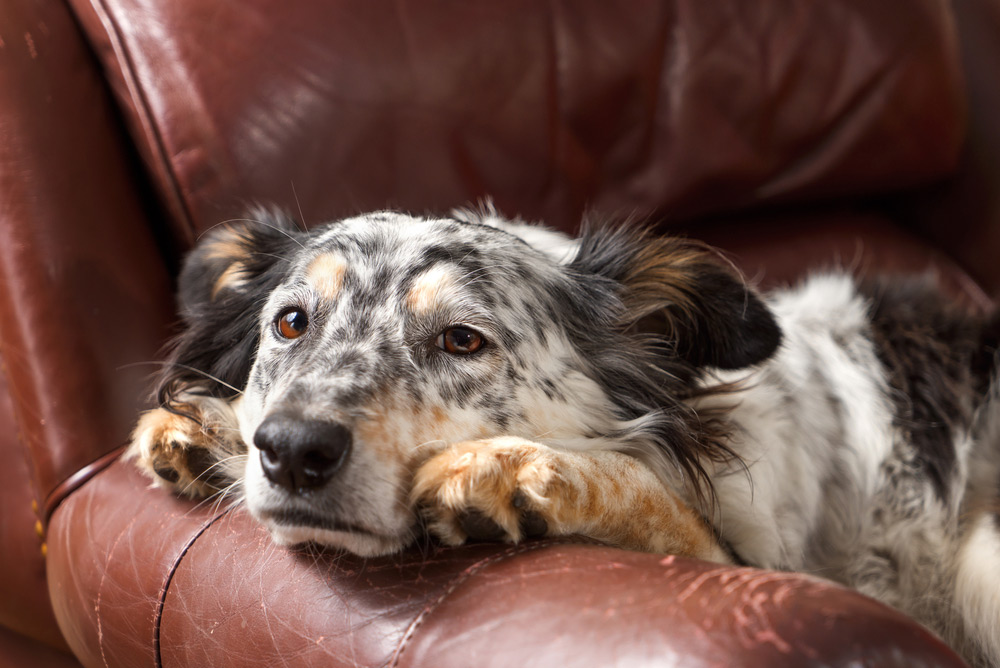
A staggering 72–85% of owners are estimated to have a dog that displays a form of unwanted or abnormal behavior.1 The causes can be endless, and it’s impossible to list all of them here. That said, these are seven common causes of abnormal dog behavior, and along with each cause, we look at general ways to help each behavior.

The 7 Common Causes of Abnormal Dog Behavior
Before we list out some of the causes of abnormal dog behavior, we must first know what “abnormal” means. A behavior can be considered abnormal if it is something that your dog has never done before and continues to do, or something that is abnormal for dogs as a whole. However, these are some of the most common ones:
- Anxiety or fear behaviors (excessive panting, licking lips, hiding, cowering, aggression)
- Repetitive behaviors
- Aggression
- Hyperactivity
- Destructive behaviors
- Eating disorders
- Eliminating problems
- Eating inedible objects
Now that you know what abnormal dog behaviors might include, let’s look at some common causes for these types of behaviors.
1. Medical Problems

Injuries, along with many underlying health conditions or current illnesses, can cause abnormal dog behavior either due to chemical imbalances in the body, pain and discomfort, or nerve problems. The list of causes is large, so any abnormal behaviors should always be reviewed by a vet first.
See your vet for a health check-up. There are many medical problems that could be the cause of unusual behavior in dogs, and the only way to ensure they are in good health is to get them seen by a professional to rule out any illness, injury, or disease.
2. Environmental Changes
Changes to your dog’s environment, whether gradual or sudden, can be upsetting and cause abnormal or unwanted behaviors. It can cause your dog to feel threatened or fear of some kind, which can include things like insecurity, jealousy, and anxiety. Examples of such situations include noisy road work outside, a house move, the arrival of a new baby or pet, new smells in the house, or even new feeding bowls.
The best thing you can do for your dog is to identify the trigger and remove it, if possible. For example, if you noticed that the behavior started to happen after moving the location where you feed them, then it might be best to undo the change and make slow, gradual changes so they have more time to adjust.
3. Anxiety

Anxiety is often a response to something your dog doesn’t like or is fearful of and is a sign of a bigger issue at play. There are many types of anxiety, but separation anxiety is the most common in dogs. It causes your dog to become anxious, disruptive, and upset when they are away from you. In extreme cases, this can occur by merely leaving the room you are both in.
There are several ways to combat your dog’s anxiety. This could include slowly building their confidence (with separation anxiety, that means leaving them alone for very short periods of time and slowly increasing it until they’re comfortable), distracting them and keeping them mentally stimulated, creating a safe and calm space for them, etc. If you’re ever unsure of how to handle it, it’s always best to reach out to your vet for guidance.
4. Genetics
Unfortunately, some breeds are prone to certain personalities and behavioral traits because of their genetics. If they are not kept stimulated or trained correctly, abnormal behavior can ensue. Be sure you are clear and confident about what type of dog you are getting and if you can handle the commitment.
Start training and socializing your dog from a young age, if possible. All dogs are capable of learning what you expect from them, but this is most effective with consistent positive reinforcement.
5. Lack of Exercise

Dogs, especially highly active ones like Border Collies, need sufficient physical exercise and mental stimulation; otherwise, they become bored and frustrated, which can lead to them acting out.
6. Boredom
Similar to the last point, a bored dog will find something to do, and often, it isn’t an activity you want! If your dog is acting out all of a sudden, it could be that they’re bored with their normal routine and need something more stimulating to do.
Be sure you exercise your dog enough and offer mentally stimulating things to do, such as puzzle feeders, long-lasting chews, and attention from yourself.
7. Nutrition

A dog that is not receiving the right nutrients for their age, breed, and weight or the right amount can develop some deficiencies. This, along with hunger, can make a dog act abnormally.
Check that you are feeding them the right food and are offering the best quality you can afford. If you’re unsure of how much or what to feed your dog, contact your vet for advice.
How to Help My Dog’s Abnormal Behavior
The method to correct the unwanted behavior is dependent on your situation, the cause of it, when it occurred, and what is available to you in terms of resources (people, places, and finances). It is essential to chat with your vet or a canine behaviorist to resolve the issue fully, but the following tips can help you break any patterns, though it can take some trial and error to find the right combination for your dog.
If you need to speak with a vet but can't get to one, head over to PangoVet. It's our online service where you can talk to a vet online and get the advice you need for your pet — all at an affordable price!
Positive Reinforcement
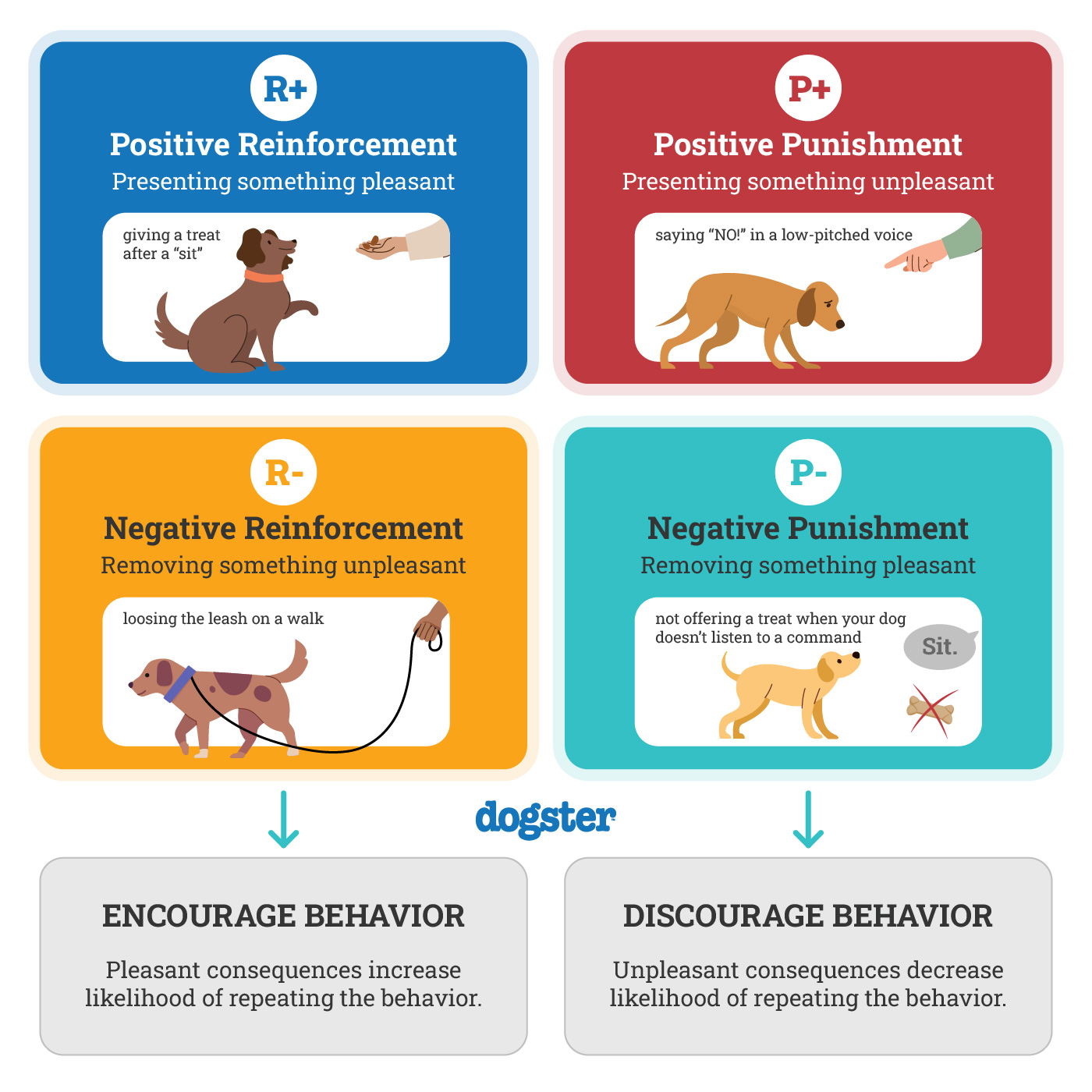
This is a simple training technique in which the desired behavior is rewarded with something that your dog considers positive. For some, that’s a treat or playtime, and for others, it’s a simple cuddle. For example, if they listen to your command to not jump up on a visitor, they are rewarded with a positive treat. The unwanted behavior is ignored.
Any punishment or negative behavior directed at your dog could reinforce the trait you want to eliminate, thus perpetuating the cycle or creating fear. It could also make the behavior worse, damaging the bond and trust between you two.
Training Classes
Training classes are available for puppies and adults. Most have the option for group training or private classes. Some trainers may come to your home or walking area, if you feel this option will work better. The trainer helps teach your dog and you so you both know what to expect from one another.
Calming Medications and Pheromone Diffusers
Depending on your dog’s behavior, your vet might choose to prescribe certain medications or advise the use of pheromone diffusers to help calm your pet. But this will depend on the individual dog and the behaviors they’re showing.
Certified Behaviorists
If no other methods are working or the problem is more complex, a certified behaviorist might be the way to go. They work one-on-one with you and your dog to identify the root cause of the problem and then develop a plan to fix it. This is often a pricier option, but the expertise is profoundly helpful.

Conclusion
Dog behavior is a vast and complex topic. There are many reasons that your dog may be behaving abnormally. Investigating and working out the original cause is key in your bid to correct it. Once the specific cause is known, specific action can be taken to begin addressing it. This may be in the form of training, hiring a specialist, spraying the house with a pheromone, providing extra activities, changing their diet, or something as simple as changing their bowl from metal to ceramic!
In any event, be sure to discuss the matter with your veterinarian or trainer so you are getting the right advice.
Featured Image Credit: Lindsay Helms, Shutterstock