17 Dog Idioms With Their Histories & Explanations


In this article
The English language contains hundreds of diverse idioms. The sheer number of idioms in English is one of the reasons why English is such a difficult language to learn. It should come as no surprise then that numerous common idioms refer to dogs. Dog idioms are a natural part of speech, whether you recognize it or not. Here are 17 dog idioms, along with their meanings, origins, and histories.

The 17 Dog Idioms
1. Sick as a Dog
Dogs used to live very different lives than they do now. Dogs have always been around, but they rarely receive the kind of love and attention that they do now. Dogs in the past did not get delicious dog food and they didn’t have access to professional veterinary care. Dogs would eat whatever they could, mostly table scraps. These table scraps consisted of bones, rotting food, and undesirable vegetables. The result is that dogs did a lot of vomiting and were subjected to frequent bouts of diarrhea. (Dogs will still vomit if they eat things that disagree with them.) The lack of vet care combined with a poor diet left many dogs feeling and looking ill, giving us the phrase “sick as a dog.”

2. Dog Tired
The term dog tired refers to someone who is completely worn out. Dogs have a habit of going full speed for long periods and then collapsing from exhaustion. The phrase dog tired, like many colloquial phrases in the English language, comes from Shakespeare. In Shakespeare’s The Taming of the Shrew, Biondello says the line, “Oh Master, I have watched so long that I am dog-weary.” Dog weary, or dog tired, was made popular by this line.
3. Dog Days of Summer
Summer is the hottest season of the year, with long days that are usually punctuated by periods of activity and periods of lethargy. Many dogs like to lie down during the heat of the day and nap to avoid getting too hot. While this is a compelling image, this is not actually where this phrase comes from. The dog days of summer refer to Sirius, the dog star, that rises with the sun during the summer. Sirius has been associated with heat and summer since the days when Homer wrote the Iliad. Since Sirius rises with the sun during the hottest and longest days of the year (in the Northern Hemisphere), it has led people for generations to refer to summer as the dog days.
4. That Dog Won’t Hunt
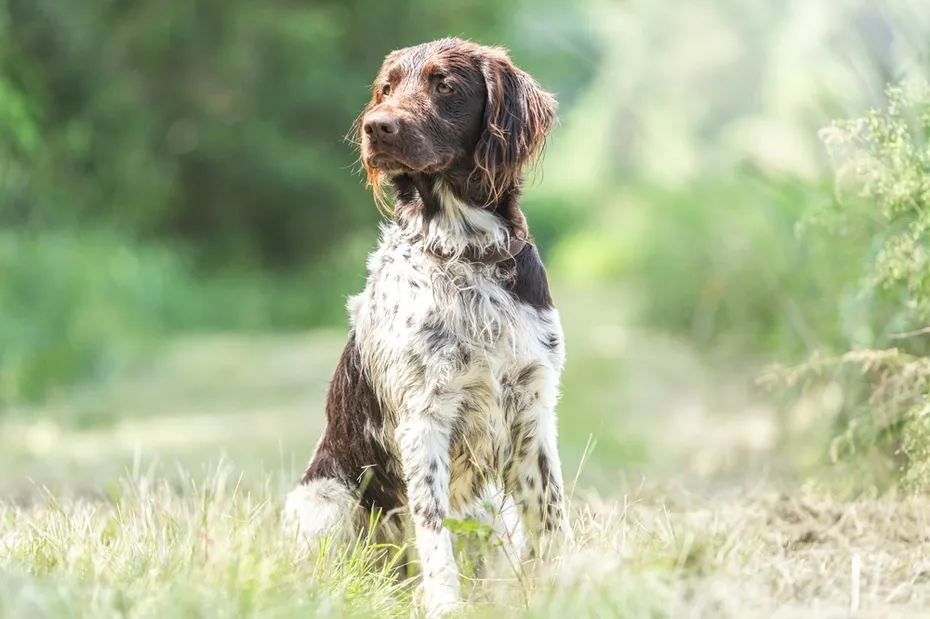
That dog won’t hunt is an idiom that describes something that just won’t work or won’t do what you think it will. This is a phrase that came out of the American South referring to hunting dogs that were lazy or untrained. The phrase became famous because it was a favorite saying of President Bill Clinton, who is from Arkansas. Clinton brought this Southern phrase into the general lexicon of the American public.
5. In the Doghouse
The phrase “in the doghouse” likely comes from J. M. Barrie’s book Peter and Wendy (colloquially known as Peter Pan). Barrie wrote Peter Pan in 1904 as a play. In 1911, the work was adapted into novel form. In Barrie’s story, Mr. Darling, the father of the children who vanished to Neverland, puts himself in the family doghouse as a form of punishment or penance for letting his kids disappear. This image of Mr. Darling sitting in a doghouse as punishment spawned the use of the phrase “in the doghouse,” which is still used to this day to describe someone who is in trouble.

6. It’s a Dog Eat Dog World
The term “dog eat dog” or “dog eat dog world” comes from a Latin proverb that reads canis canine non est, but the translation is wrong. Canis canine non est means “dog will not eat dog” or “dogs do not eat the flesh of dogs.” The original intention of the proverb has been lost. In the 18th century, the word “not” was dropped from the familiar phrase, leaving us with “dog will eat dog,” which eventually morphed into the term “dog eat dog” that we now know.
In the 19th century, the phrase grew in popularity with the rise of things like the theory of evolution and the study of Thomas Hobbes during the Enlightenment. These new ideas portrayed the world as a harsh place where organisms compete in a zero-sum game. This left people using the phrase dog eat dog to describe the type of environment that was being described.
7. Hair of the Dog (That Bit You)
If someone tells you to take some of the hair of the dog that bit you, they usually are referring to drinking the same type of alcohol that has given you a hangover in the past. The idea is that by going back to something that harmed you previously, you can build up a tolerance for it and make yourself feel better.
But the original phrase had nothing to do with drinking or hangovers. During the Medieval Ages, doctors suggested that people take hair (or fur) from a dog that bit them and put it into their wounds. The idea was that the hair would help the wound heal faster and would prevent infection. Rabies was extremely common and deadly, and superstition dictated that by using the hair of a potentially rabid dog, you could stave off infection and promote healing. Nowadays, that type of medical advice is bunk, so the phrase took on new meanings as it was passed on through the intervening centuries.

8. Work Like a Dog
Long before dogs became beloved pets that existed to comfort and entertain their owners, they were working animals. Dogs have worked alongside humans for thousands of years. Dogs have worked as hunting dogs, herding dogs, protection dogs, and more. In the past, dogs worked every day, did not take holidays, and did not get weekends off. Dogs also worked without pay, and in the past, they didn’t even get regular meals other than scraps and what they could scrounge up for themselves. This has led to the term “work like a dog” to describe someone who works too much, works in a hard field, or works with little appreciation or benefits.
9. Gone to the Dogs
Gone to the Dogs is a phrase that refers to something that once was nice but is now on the decline or has hit a rough patch. It can refer to neighborhoods that have fallen on hard times or businesses that were once a joy to frequent but no longer. There are two potential origins for the term. The first comes from the Medieval Period when villages were abandoned due to plague or war. Abandoned villages would be taken over by wild animals, like roaming packs of dogs. The other origin could potentially come from Ancient China. In China, there used to be ordinances that prohibited dogs from living within the limits of certain cities. This left most of the areas outside of the city inhabited by dogs, both wild and domestic.
The phrase could refer to a place, like a city, that was once nice and dog-free but is now inhabited by dogs. Remember that in the past, dogs had a negative connotation for being feral, mean, and often accompanied by misfortune. Anyone who has had encounters with feral or wild dogs knows how scary they can be.
10. You Can’t Teach an Old Dog New Tricks
In 1534, a man by the name of John Fitzherbert wrote a book titled The Boke Of Husbandry. In it, Fitzherbert wrote a variety of tips and tricks for raising and rearing common animals. Within this book (which you can still read if you are curious) Fitzherbert wrote “The doggie must lerne it, when he is a whelp, or els it wyl not be: for it is harde to make an olde dogge to stoupe,” which is Old English for “you can’t teach an old dog new tricks.” He made the claim that dogs must be trained when they are young, or they will become too old to learn new tricks effectively. That makes this phrase over 500 years old!
11. The Tail Wagging the Dog
“The tail wagging the dog” is a phrase that refers to something where something small (like a tail) is controlling something much larger. The term comes from a common phenomenon in dogs where they get so excited that their tail seems to wag their whole body. Dog owners often call this the wiggles. Merriam-Webster defines the phrase as “used to describe a situation in which an important or powerful person, organization, etc., is being controlled by someone or something that is much less important or powerful.” The phrase comes out of 1800s American politics that described shady and populist forces as controlling the levers of power in government.
12. Puppy Love
The term puppy love is often used to describe innocent love, new love, or love between young people. However, the original phrase referred to how young dogs adored and looked up to their owners. The phrase originated in the 1800s when dog ownership and dog breeding were becoming more and more popular. People realized that young dogs seemed to latch onto their owners with fierce loyalty and adoration. The phrase today is rarely used to describe actual puppy love, but that is where the term originates.
13. Barking Up the Wrong Tree
Barking up the wrong tree refers to someone who is chasing something unattainable or something that doesn’t really exist. People who are barking up the wrong tree are generally on the wrong path. The phrase comes from dogs that chase squirrels and birds. Dogs often chase squirrels into trees, but the squirrels often scurry away or jump to another tree without the dog noticing, leaving them barking at an empty tree. Those dogs never get the squirrels. This phrase can be traced back to the 1830s and is believed to be a variation of the phrase “barking at the moon” or “barking mad.”
14. Let Sleeping Dogs Lie
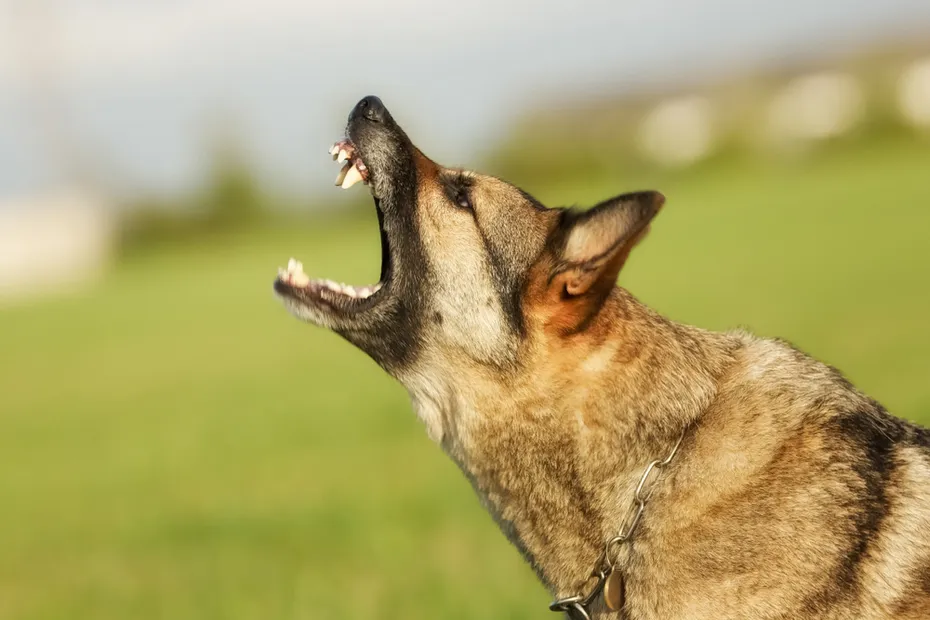
Let sleeping dogs lie is a phrase that tells people to not disturb the peace. Sleeping dogs are problems, or people, that are no longer causing any problems, and antagonizing them would do more harm than good. The phrase refers to the fact that some dogs will snarl or bite when they are awoken from a deep sleep. If you let a dog wake up naturally, they usually won’t bite. The earliest usage of the phrase can be traced back to the 1820s. This is another idiom that arose with the increasing popularity of dog ownership and dog breeding that exploded in the 19th century.
15. Dog and Pony Show
Before the days of mass transit, such as cars, trains, and planes, most people remained confined to a very small geographic location. If you lived in a rural town in America’s heartland, you didn’t get to travel, and there weren’t many entertainment options available. It was during this time that traveling shows, like circuses, magicians, and salespeople, were very popular.
In a town that you couldn’t leave, a circus was a big deal. It gave people something to look forward to and showed them things they didn’t get to see on a normal basis. Many of these shows used animals, like dogs and ponies, to do acts that entertained the masses. The original connotation was not negative, but today, the term dog and pony show comes with a negative connotation, which denotes something silly or small that is trying to dress itself up as something more ostentatious, usually for nefarious purposes.
16. Meaner Than a Junkyard Dog
In 1973, folk singer Jim Croce released a song called Bad, Bad Leroy Brown. The song was a hit and spent two weeks at the top of the Billboard charts. At the end of the year, the song was named the #2 song of 1973. In the song, Croce croons the lyrics, “And he's bad, bad Leroy Brown, The baddest man in the whole damn town, Badder than old King Kong, And meaner than a junkyard dog.”
The popularity of the song (and the catchiness of the lyrics) caused the term meaner than a junkyard dog to circulate throughout the 1970s, and it is still a potent image today. Junkyard dogs have been portrayed in various forms of media as lean, muscular, and mean. They are bred to protect fenced-in areas from intruders where people are not always present. If you’ve never heard this song before, you should give it a listen.
17. Dog Eared
If you’ve ever folded down the corner of a page in a book, you have dog-eared that page. This is a practice commonly used in lieu of a bookmark. Dog earring is very common, but libraries frown upon it because it leaves creases on the page. The phrase comes from the appearance of dog ears. Some dogs’ ears stand erect while others flop over. Some dogs can have one erect ear and one floppy ear. The phrase originates in the 17th century. In William Hawkins’, Apollo Shroving he writes “For one whole yeere thou must smooth out the dogs eares of all thy fellowes bookes.”


Conclusion
These were common idioms containing or referencing dogs. Many of these idioms are used in regular daily speech, and most people don’t realize where they come from. Idioms are a fascinating part of speech and in an age where dogs are more popular than ever, these idioms hold special weight. Now, you will know where some of these phrases come from. Many are far older than people imagine.
Featured Image Credit: Anne Zwagers, Shutterstock
Expert dog care, straight to your inbox
News, insights, expert advice, and everything dog.

No spam — unsubscribe anytime.
By signing up, you agree to our Terms & Conditions and Privacy & Cookies Policy.
How useful was this post?
Click a star to rate. You can leave written feedback afterwards. (We read all feedback.)