In this article
If your dog suffers from ear infections, you’ll know how distressing they can be for your pet, not to mention frustrating for us to manage. Even more annoying is that some dogs will get ear infections numerous times throughout their lives, and it can sometimes feel like you’re fighting a losing battle.
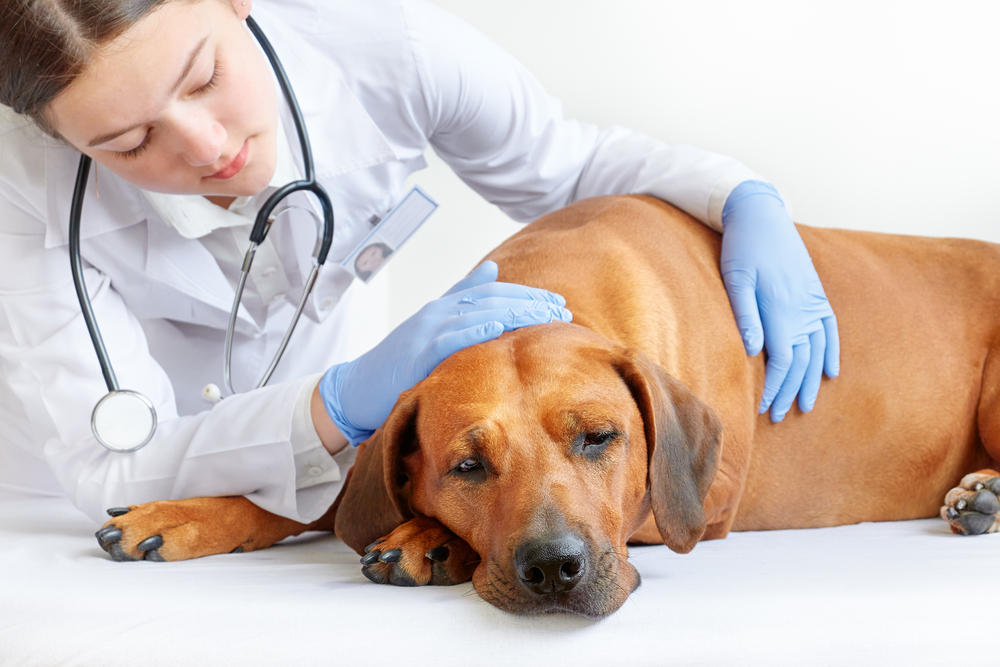
It can be tempting to look for all sorts of home remedies products to get rid of your dog’s infection without an expensive trip to the vet, but putting the wrong thing down the ear can have painful and devastating consequences. To make sure your dog is getting the right treatment, it is important to have them examined and properly diagnosed by your vet.
In the following article, we’re going to talk about what you can do at home to maximize your dog’s recovery from ear infections and keep them from coming back.

What Is Otitis Externa?
The technical term for an infection of the outer ear canal is otitis externa, and it is one of the most common ailments we see in day-to-day veterinary practice. The anatomy of the ear, the propensity for dogs to get wet and dirty, and certain breed characteristics make the ear canals a prime location for microbes to set up and proliferate, resulting in irritation, inflammation, and pain.
Otitis can be caused by an overgrowth of organisms that are found naturally on the skin, or from invading bacteria. Just like with human medicine, bacteria are becoming more resistant to antibiotics, and it is more and more common for dogs to be affected by drug-resistant bacteria. Additionally, some dogs with allergies can present with many of the signs of otitis (redness, scratching, or pain) without an infection being present.
- Diagnose if there is an infection present.
- Identify the type and severity of infection present.
- Determine the appropriate form of treatment.
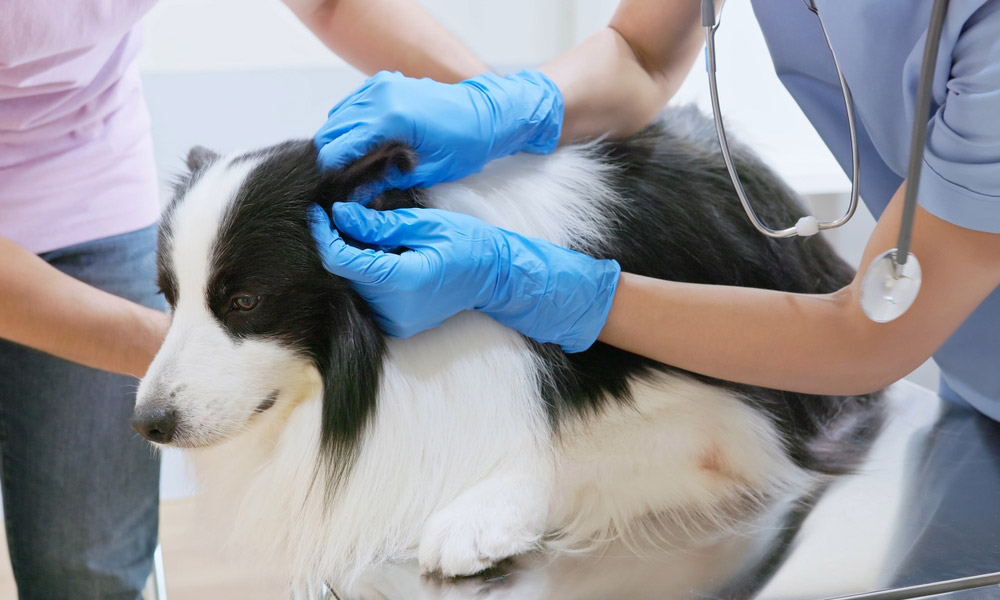
- Assess the eardrum for damage. This will help determine which treatment is needed, as many ear drops can cause nerve damage if the eardrum is not intact, and putting anything into the ear canal without having a proper examination can put your dog’s hearing at risk.
- Have follow-up examinations to ensure the infection is responding to treatment. This often-missed step is essential for ensuring the infection has been completely eliminated. Skipping follow-up appointments can lead to recurrence of infection and antibiotic resistance.
What Can We Do at Home?
So, we know that ear infections do need to be seen by your vet, but there are a few things you can implement at home to help reduce the pain and irritation caused by ear infections, optimize the treatment success, and prevent future infections.
If you need to speak with a vet but can't get to one, head over to PangoVet. It's our online service where you can talk to a vet online and get the advice you need for your pet — all at an affordable price!
Before Your Dog Has an Infection:
1. Get Your Dog Used to Ear Exams
A lot of the time, the first time a dog has their ear examined, poked, or prodded is when they have an infection, so they’re likely to be painful for your pooch. If you get your dog used to having their ears looked at, played with, and massaged, it won’t be such a shock when their ears become the center of attention.
2. Beware the Itchy Dog
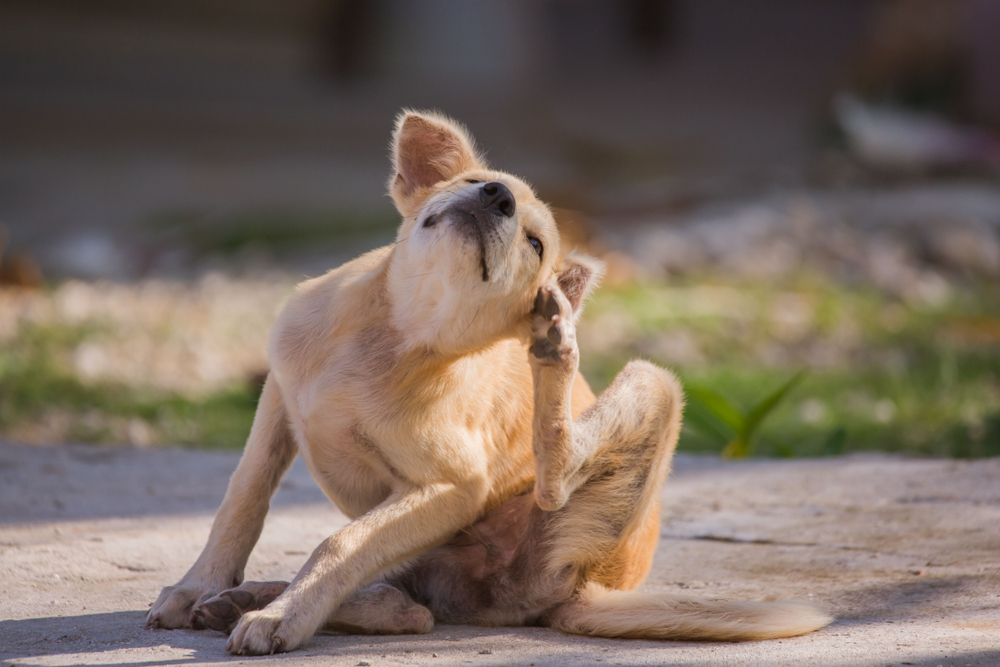
Dogs with allergies are at a higher risk for developing otitis, so if you suspect your dog might have an allergy to their food or the environment, get on top of it sooner rather than later.
When Your Dog Has an Infection:
1. Allow Plenty of Time Between Cleaners and Drops
If you have been sent home with an ear-cleaning solution as well as medicated ear drops, make sure you allow at least 10 minutes between ear cleaning and applying drops. If you apply the drops too soon after cleaning the ear, it will reduce their effectiveness.
2. Ask for a Syringe to Deliver Ear Drops
The trouble with applying ear drops with the dropper bottle is that you risk contamination of the bottle, and it is difficult to see how much of the medication is going into the canal. Ask your vet for some 1cc syringes so you can deliver a measured dose into the ear each time and disinfect the syringes between uses. Don’t be afraid to ask for a demonstration of how to apply the ear drops.
3. Use a Cold Compress
Ear infections can be painful, and all that scratching and inflammation can also lead to a condition called aural hematoma, where a pocket of blood forms in the ear flap (pinna). Using a cold compress against your dog’s ear can provide some much-needed relief and reduce their risks of developing a hematoma. An ice pack or bag of frozen peas wrapped in a towel can be just what the doctor ordered.
4. Attend Re-Check Appointments and Finish Medication
Most ear infections will seem better within a few days of treatment and appear to be completely resolved within a week. However, there can still be bacteria deeper in the ear canal that can’t be detected without a proper otoscopic exam. If we stop treatment too early, any infection left behind is going to be microbes that have so far survived the antibiotics, so if the infection comes back, it will likely be more resistant to treatment.
This is also why you should never apply “leftover” ear drops for a day or two, and in fact, you shouldn’t have leftover ear drops at all!
Be aware that most vets do charge a fee for re-check appointments, but in the long run, it is a fee worth paying.
Helping to Prevent Ear Infections From Starting or Coming Back
1. Keep Hairy Ears Tidy
Warmth and moisture are what ear microbes love most, so hot, hairy ears are the perfect environment for them.
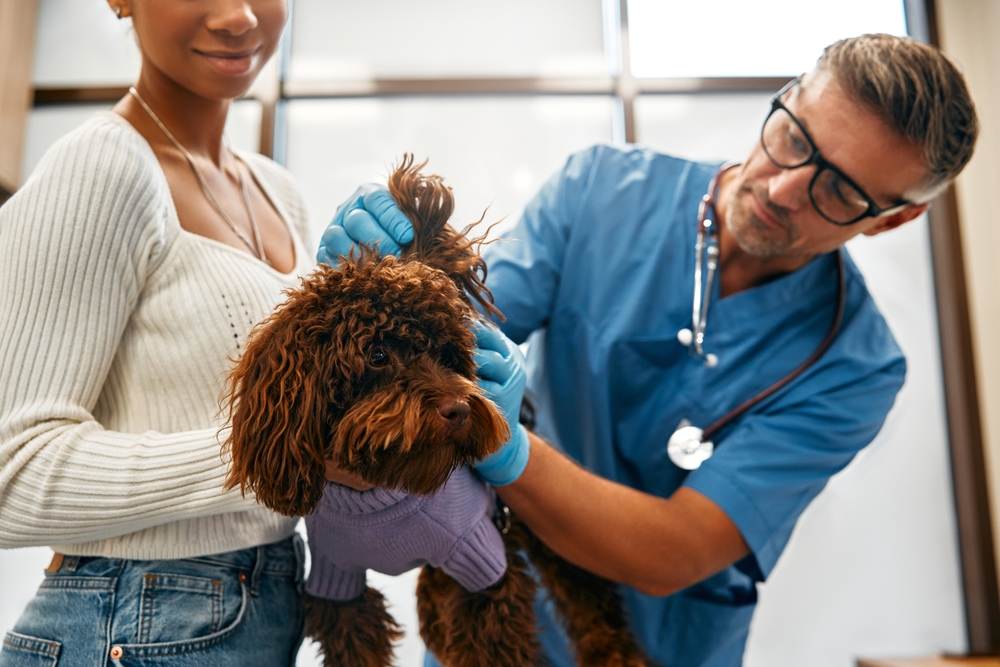
If your dog’s ears are particularly hairy, part of their regular grooming should include keeping the hair on the underside of floppy ears short, as well as any hairy ear canals. We don’t recommend plucking ear hair, though, as this can cause inflammation, but talk to your groomer about the best ways to make sure your dog’s ear canals stay cool and free from knots.
2. Keep Ears Dry
When you are bathing your dog, be extra careful to keep water from running into their ear canals. If your dog loves to swim, pay attention to the ears when drying them off, using a separate cloth to remove as much moisture from the ear canals as possible. Some ear cleaners can also help with this.
Tip: Place cotton wool into the ears to stop any water from getting in. Be careful not to put it in too far, though, and remember to remove it at the end!
3. Choose the Right Ear Cleaner
Most dogs don’t need an ear-cleaning solution; a wipe with a moist towelette or cotton wool is usually enough to remove any dirt or wax. However, there are some situations where a cleaner can be a good preventative step.
- Hairy ears – Wax and debris can accumulate in hairy ear canals, and an ear cleaner can help break this up and make it easier to remove.
- Waxy ears – Some dogs are prone to waxy ears, so regular cleaning is a must. If the wax continues to build up, it can lead to infection. It is important to know when ears are infected or just waxy, so check with your vet before deciding your dog fits into this category.
- Itchy dogs – If your dog suffers from allergies, their ears can be one place that gets super itchy and can be damaged from scratching. Managing their allergies and ensuring there is no infection present are vital parts of addressing this problem, and sometimes a cleaning solution can help relieve the itch and inflammation.
- Swimmers – It might sound a bit daft to recommend putting a liquid into a wet ear, but some ear cleaners can help dry out your dog’s ears after a swim by displacing any water in the canal with a liquid that dries out more quickly and a pH that inhibits bacterial growth.
NEVER use water or oil to clean your dog’s ears. Unlike our straight ear canals, the ear canal of a dog is L-shaped, meaning that any liquid that goes in doesn’t easily come out, and this can lead to infection-friendly moist conditions.
NEVER use a cleaner if your dog’s ears are inflamed, painful, or causing discomfort, without consulting a vet. If there is an infection present, or especially if there is damage to the eardrum, an ear cleaner may make things worse.
If you are looking for the perfect product to clean your dog's sensitive areas, Hepper's Wash Wipes are our recommendation, plus it's a great on-the-go option. These premium wipes are thick and durable enough for the toughest of paw messes, while still being soft enough to use on your dog's ears or eyes. Formulated with pet-friendly, hypoallergenic ingredients they are the ideal product for all dogs of all ages, skin conditions, or sensitivities.
At Dogster, we’ve admired Hepper for many years and decided to take a controlling ownership interest so that we could benefit from the outstanding designs of this cool pet company! 
Which Ear Cleaners Are Best?
Ultimately, the best ear cleaner for your dog is the one recommended by your vet. Only they can examine your dog’s ears and know if a cleaner is needed and which one will work best for your pup. Below is a list of some great ear cleaners you can buy, but we do not recommend using these to treat or manage ear infections unless specifically recommended by your vet.
| Ear Cleaner: | Best For: | |||
| Hairy Ears | Waxy Ears | Swimmers | Allergies | |
| Epi-Otic | ✅ | ✅ | ||
| Vetoquinol Ear Cleaning Solution | ✅ | ✅ | ✅ | |
| Liquid Health Pets K9 Ear Solutions Dog Ear Cleaner | ✅ | ✅ | ||
| VetWELL EarWELL Otic Cleansing Solution | ✅ | |||
| Pet Honesty Otic Ear Cleaner | ✅ | ✅ | ||
| Miracle Care R-7 Ear Cleaner Step 2 for Dogs & Cats | ✅ | ✅ | ||
| Veterinary Formula Clinical Care Ear Therapy | ✅ | ✅ | ||
| Vetoquinol Cerumene Ear Cleaner | ✅ | ✅ | ||
| Vetnique Labs Oticbliss Ear Flush Advanced Cleaning Medicated Ear Rinse Cleanser | ✅ | ✅ | ✅ | |
The Final Word
Ear infections are a common—and annoying—problem affecting our dogs, and it can be hard to resist the temptation to try some home remedies and alternative treatments rather than face that veterinary consulting room. While there are lots of ways you can aid in the treatment and prevention of otitis externa, there is simply no substitute for an accurate diagnosis and tailored treatment plan.
Hopefully, the tips above will help you manage your dog’s ear infection with confidence and reduce the chances of them coming back.
Featured Image Credit: Sathmini Wijethunga, Shutterstock