People have selectively bred dogs since the beginning of domestication about 20,000 to 40,000 years ago. Humans initially bred canines to work beside people, whether as guardians or hunting companions. The purpose was clear, and practices regarding looks and conformation didn’t really exist then. It was all about the animal’s compatibility and usefulness.
Dog breeding has evolved and diverged into different realms. Unfortunately, money has become part of the reality. Fads and trends often influence breeding to the detriment of the animals and increase the risk of hereditary and congenital conditions. That hurts the dogs and the would-be owners of these pups. Some breed standards have even hindered dogs that are bred for extreme features.
Basically, if anyone is going to breed dogs, they need to understand a few things about dog breeding in order to ensure that you’re not harming the breed and passing on dangerous heritable conditions. Let’s take a closer look at some of the basics of dog breeding.

The 10 Responsible Dog Breeding Facts and Basics
1. Understanding the Commitment
Dog breeding is a commitment. It costs time and money to raise a litter of puppies successfully, and you can expect sleepless nights and even heartache when it comes time to say goodbye to the puppies. It’s not a decision you should make lightly. We strongly urge you to research what it will involve. Talk to other dog breeders to get the inside scoop from the frontline, particularly with those working with the same breed.

2. Knowing the Breed’s History and Vulnerabilities
Researching your dog’s breed history and vulnerabilities is imperative for the welfare of the puppies. For example, you shouldn’t breed two dogs with the merle color trait, as the offspring may have a greater risk of health issues, including eye problems and deafness. Likewise, brachycephalic breeds often have respiratory issues. This research can alert you to possible pregnancy and birthing problems, all of which you must know before you even start the breeding process. All breeds have common health problems and you should understand why they occur and how to prevent them.
3. Knowing the Parents’ History
You must honestly assess your dog’s health and suitability as a breeder. We suggest discussing the situation with your vet. They can examine your dog for any obvious health problems. You should also conduct the recommended pre-breeding health screenings of the Orthopedic Foundation for Animals (OFA) to avoid passing on any health problems to the offspring. Many breed clubs require it.
If you need to speak with a vet but can't get to one, head over to PangoVet. It's our online service where you can talk to a vet online and get the advice you need for your dog — all at an affordable price!

4. Researching the Requirements From Dog Registries and Breed Clubs
If your dog is purebred, we suggest reaching out to the breed’s parent club. They can offer assistance and resources to help you with this. You may also find a suitable mate for your pup that the owner has also screened for potential health problems. Every animal has their own issues, and finding the right sire or dam for your dog can help balance the good and weak points of the pair. You should also research any breeding regulations if you want to register the pups.
5. Taking Care of the Mother
Breeding takes a tremendous toll on the female. Your vet can advise you on the necessary prenatal care to ensure she can handle the new demands on her body. After all, her good health is imperative for the well-being of the puppies. That includes preventative care, a diet for her life stage, and any recommended health tests. Some common health problems can occur during pregnancy and lactation so you should know the signs of things like dystocia, retained placenta, mastitis, milk fever, and more.

6. Determining a Health Schedule With Your Vet for the Puppies
You need to watch the puppies for any signs of disease. The puppies will need a check-up and vaccination at 6-8 weeks old. The Companion Animal Parasite Council (CAPC) recommends that breeders start deworming the pups at 2 weeks and repeat this schedule until they are 2 months old. The dogs can get internal parasites from their mother or exposure to the environment. Remember that the puppies are most vulnerable at this age.
7. Proper Care for the Puppies and Mother
While everything you did leading up to the birth of the puppies mattered, now is where the real work and commitment begins. You must keep them all clean, well-fed, and warm. The first 24 hours are critical for the puppies. You should weigh them daily to monitor their progress. Weight loss is a red flag, and you should also avoid stressing the mother during this time. She has enough on her plate with the pups, so you need to make life as easy and comfortable as possible for all of them, which is a serious time commitment.

8. Understanding the Early Socialization Responsibilities
The canine socialization period occurs between 3 and 14 weeks. It’s a vital part of your commitment as a breeder to introduce the puppies to social interactions with other people, children, and other gentle adult dogs. Your efforts will make them better pets. You can also get them used to being handled and groomed. For example, we suggest touching their feet and ears to make vet exams easier.
Environmental changes, even at this age, are vital. It can reduce the risk of fearfulness and other behavioral issues in adult dogs. Fear often goes hand in hand with aggression and biting, so making these early encounters with new things positive is essential.
9. Support Their Development
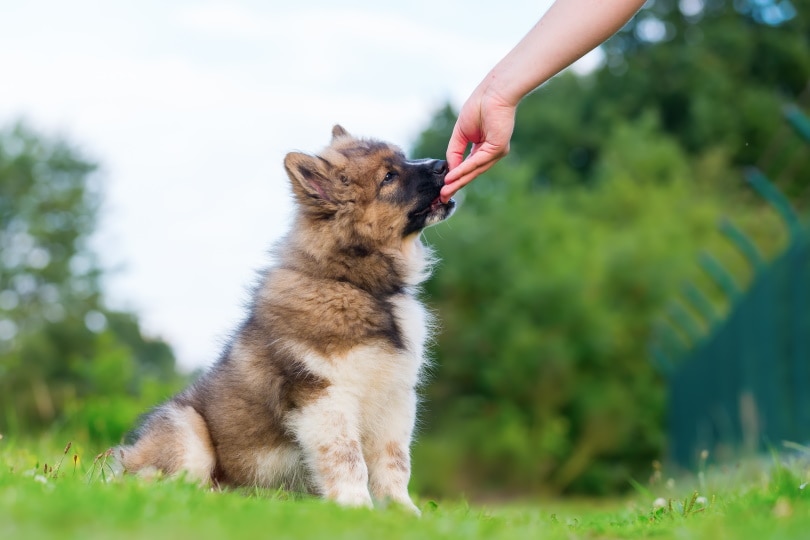
You can help with weaning by starting to train them using treats as rewards. Working with the pups individually will make the transition from littermate to pet less stressful. Puppies can begin forming social bonds at the weaning age. They will also go through their first fear impact period at 8 to 11 weeks. Remember that traumatic experiences can make lasting impressions, while positive reinforcement and encouragement will get them through with no lasting effects.
We suggest keeping the mother and pups together until they go to their new home. Separation from a puppy’s mother and littermates is traumatic. We strongly urge you not to home any puppies until they are over 8 weeks old, but preferably at least 12 weeks. Research has shown early separation can profoundly affect the animal’s health and behavior.

10. Finding Good Homes for Your Puppies
Finding good homes is the crux of responsible dog breeding. Reputable sellers screen potential buyers to ensure they understand the commitment to owning a dog. Don’t be afraid to ask questions. After all, you are the puppies’ caregiver. Undoubtedly, you’re also bonded to each one and certainly want the best for all of them. It’s also your responsibility to find the right fit for each puppy.
Sometimes, you may need to point out the obvious. A puppy might not be the ideal choice for an individual who works outside of the home 5 days a week, for example. Likewise, an apartment dweller should know upfront about vocal breeds, like Beagles and Huskies. By pointing out this fact, you will be doing a prospective dog owner a favor.
Final Thoughts
We often talk about responsible pet ownership and what it entails. However, the duty also rests with breeders to understand their commitment to the animals. Sadly, too many backyard breeders have failed to comprehend these facts. Anyone interested in breeding dogs should research what to expect. Talk to others to get the facts. It’s not just about responsibility; it’s also a matter of being humane.
Breeders are puppies’ caregivers. Their duties begin with a healthy mother who is physically and mentally able to handle the demands. It involves veterinary care of the pups, as well as socializing them to prepare them for their most important role as pets for a loving family. While it might seem like a simple process in theory, it actually involves a significant time and financial commitment, as well as a huge responsibility regarding the health of the breed and the proper socialization of the puppies. If you’re not going to take this seriously, then it is a much better idea to get your dog spayed or neutered.
Featured Image Credit: Jus_Ol, Shutterstock
 The 10 Responsible Dog Breeding Facts and Basics