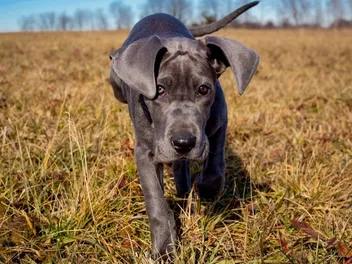
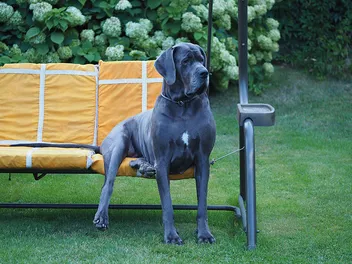
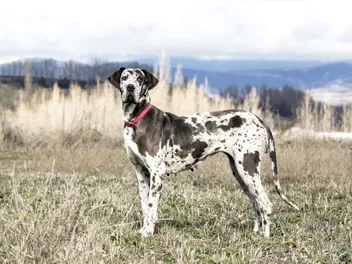
Great Dane Dog Breed Info, Pictures, Traits & More

In this article
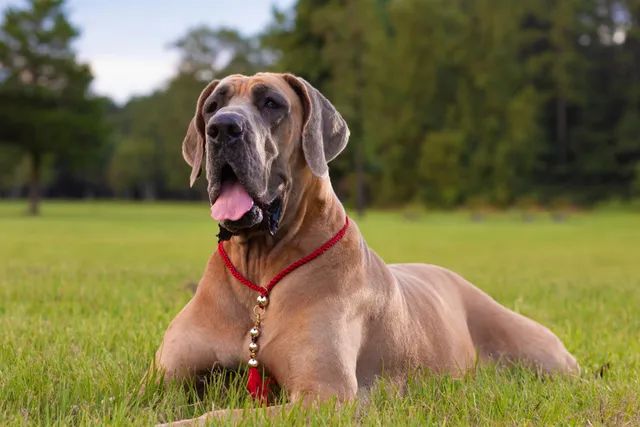
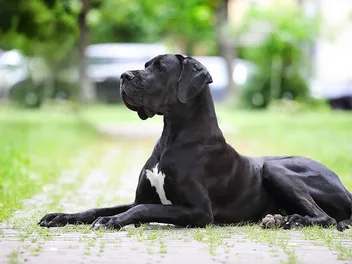
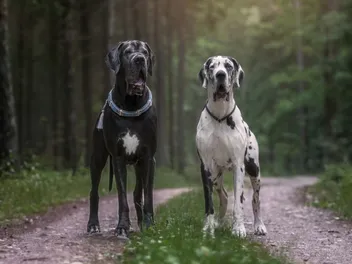
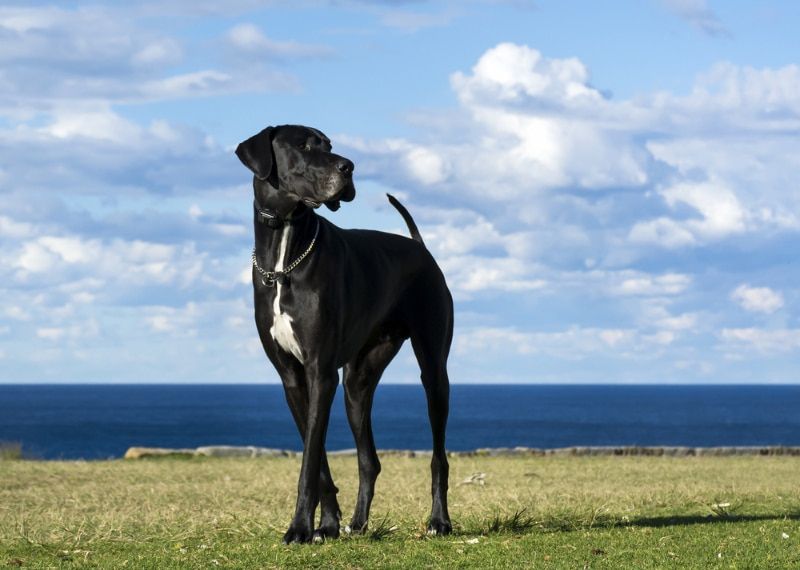
The Great Dane definitely deserves its name! This giant dog breed towers over most other dogs, and when they’re standing on their back feet, they’re even taller than most humans. They’re elegant, sweet dogs that make excellent guard dogs, not only because of their willingness to protect their humans, but because their enormous size makes them a deterrent for many people.
Breed Overview
Height:
Weight:
Lifespan:
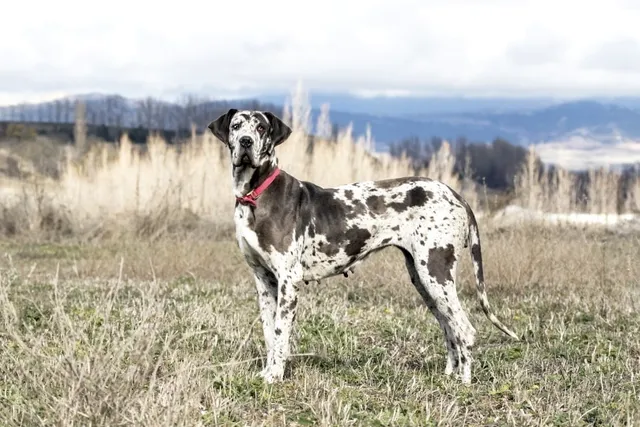
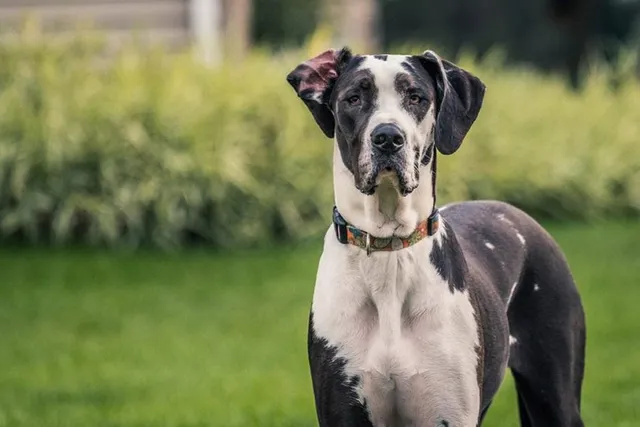
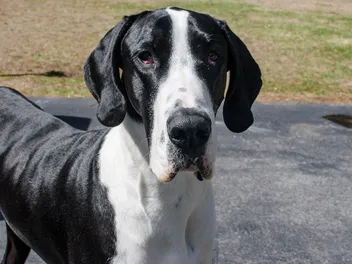
Colors:
Suitable for:
Temperament:
Also known as the “Apollo of Dogs,” the Great Dane is a handsome, striking dog that commands attention with its presence. They’re very protective dogs that tend to be patient and adaptable, as well as very loving with their people. They’re people pleasers, which makes them trainable, although they aren’t the smartest dogs on the block. The size and strength of this breed mean that it’s extremely important for people to fully consider their ability to handle these dogs before settling on this breed.
Great Dane Characteristics
.

Great Dane Breed Puppies

Because of their people-pleasing nature, Great Danes puppies are usually attentive and responsive to training. They bond closely with their people, but socialization starting at an early age is essential with this breed. Great Danes can become jumpy, scared dogs when poorly socialized, which can make them dangerous and difficult to handle. Becoming used to being handled by and spending time with people and other animals should be started when they’re still young to provide your Great Dane with the best shot at proper socialization.
Great Dane puppies are relatively easy to find through breeders, and the AKC and Great Dane breed clubs can provide you with lists of reputable breeders. Choose a puppy from a breeder who has performed all recommended health testing on their dogs prior to breeding. Sometimes, people are not properly equipped to care for a dog of this size, so you may be able to find a Great Dane puppy or adult through rescues and shelters.
Great Dane Breed Origin & History
The Great Dane’s name is a misnomer because this breed is not Danish. It’s unclear why the breed acquired the “Dane” name, but in Germany, these dogs are called “Deutsche Dogs” or “German Dogs.” This breed originated in Germany, and it descended from the large hunting dogs of the Middle Ages. The breed was used for hunting wild boar and other ferocious game, as well as serving as protectors of both people and property. Today, most Great Danes serve as beloved pets.

Temperament & Intelligence of the Great Dane 🧠
A properly socialized Great Dane has a highly desirable temperament of friendliness, patience, and courage. Without proper socialization and training, these dogs can be difficult to physically handle due to their large size. Great Danes may be wary of strangers at first, but they tend to warm up quickly if they don’t feel like the new person is a threat.
Although trainable because of their people-pleasing nature, Great Danes aren’t the smartest dogs. If you’re looking for a highly intelligent breed, this is not likely going to be your top choice. What they lack in intelligence, they make up for in love, though!
Are These Dogs Good for Families? 👪
Great Danes can be great family dogs because of their willingness to be patient and adaptable. However, these are extremely large dogs that can easily hurt or kill a child. Proper socialization and setting strict boundaries for both children and the dog are essential steps to take to keep everyone safe and happy. Always supervise small children when interacting with any dog, including your Great Dane.
Children often want to take part in caring for family pets, including feeding, walking, and playing with them. Stay aware of the size and strength of your dog. Children should not be allowed to walk Great Danes unless they are extremely calm and well-trained. But even then, it’s best to have an adult do this. Adults should always be around to supervise.

Does This Breed Get Along With Other Pets? 🐶 😽
Great Danes can get along very well with other animals with proper socialization and introductions. However, this breed is not known for its friendliness to other animals, so they often thrive in single-pet homes. Because of their hunting background, Great Danes may have a prey drive, causing them to view smaller animals as prey, including cats and smaller dogs. Proper introductions and supervision can reduce the risk of issues, though.

Things to Know When Owning a Great Dane
Food & Diet Requirements 🦴
These are huge dogs, so they eat a lot! Be prepared to spend a lot of money on dog food every month. Opt for a high-quality dog food that is designed for large and giant breed dogs. During the first 2 years of life, your Great Dane should be fed puppy food designed for large and giant breed puppies unless otherwise directed by your veterinarian. Certain nutritional problems during growth can result in rapid growth of limbs, joint swelling, pain, and other issues, so it’s important to be aware of any physical changes in your dog’s appearance or gait, especially while they’re still growing.
Exercise 🐕
Although large, the Great Dane is not an overly active dog breed. You should be prepared to provide your dog with exercise every day, though. Many Great Danes are satisfied with going for walks or running around the backyard, but more active Great Danes may require higher-energy activities, like running, hiking, and Cani-Cross.
Training 🎾
The people-pleasing nature of the Great Dane will serve in your favor when training your dog. Even if they’re not the most intelligent dogs, they want to do the right thing and receive praise from you, which makes them receptive to positive reinforcement training techniques. Consistency in training is essential for this breed, and it’s important to set strict boundaries. The last thing you need is a dog the size of a grown man who doesn’t obey!

Grooming ✂️
The Great Dane has a short coat that requires minimal maintenance. Brushing, especially during shedding seasons, can help to reduce shedding in your home. Keeping your Great Dane’s nails trimmed can reduce the risk of broken nails and issues with the feet. When it comes to grooming, this is overall a relatively low-maintenance breed.
Health and Conditions 🏥
Unfortunately, due to their huge size, Great Danes are prone to quite a few health conditions, and you should research all of these before bringing this breed home to ensure you know what to look for and potentially save their life if anything serious arises.
Male vs. Female
Male Great Danes are likely to be larger than females, with some males reaching up to 175 pounds and up to 32 inches in height at the shoulder. Females are typically more trainable than males because they have better focus and may learn commands more quickly. Males are likely to be more sociable and outgoing, while females often require extra socialization to feel comfortable in new situations.
3 Little-Known Facts About the Great Dane
1. They Love to Sniff
Although they’re not considered to be scent hounds, the Great Dane was bred for hunting, so they love to follow their noses. Because of this, it’s best to keep your Great Dane on a leash at all times to keep them from running off after an interesting scent. This means, though, that nose work is often an excellent activity to do with your Great Dane.
2. They Love Canine Sports
Great Danes can be quite athletic, and many of them excel at a variety of sports and activities. They regularly compete in events like obedience, tracking, flyball, and agility.
3. Their Lifespan is Short
One of the unfortunate truths that comes with owning a giant breed is that they have a very short lifespan. Great Danes are considered seniors by the age of 7 years and living to 10 years isn’t very common. Actually, living beyond 10 years is almost unheard of most of the time.

Final Thoughts
Great Danes are amazing dogs that you absolutely can’t miss, but because of their size and need for proper socialization, this breed isn’t suitable for everyone. They’re best for experienced dog owners who understand the training and socialization needs. Also, it’s important to keep in mind that giant dogs need giant things. This means that you’ll be spending more on food, dog beds, collars, medications, and other necessities than you would for a smaller dog. However, they are big love bugs who consider themselves to be lap dogs!
Sources
Featured Image Credit: RugliG, Shutterstock
Expert dog care, straight to your inbox
Vet-reviewed advice, training tips, and the best of Dogster. Free, and you can unsubscribe anytime.
By signing up, you agree to our Terms & Conditions and Privacy & Cookies Policy.
Brooke Billingsley spent 9 years as a veterinary assistant before becoming a nurse in 2013. She lives in Arkansas with her boyfriend, and loves all animals; currently sharing a home with three dogs, two cats, five fish, and two snails. She has a soft spot for special needs animals and has a three-legged senior dog and an internet famous cat with acromegaly and cerebellar hypoplasia. Fish keeping has become a hobby of Brooke’s and she is continually learning how to give her aquarium pets the best life possible. Brooke enjoys gardening and keeps a vegetable garden during the summer months. She stays active with yoga and obtained her 200-hour yoga teacher certification in 2020. She hosts a podcast focusing on folklore and myth and loves spending her free time researching and writing. Brooke believes that every day is an opportunity for learning and growth and she spends time daily working toward new skills and knowledge.
Join the conversation
Ask a question, share your story, or send private feedback.