
In this article
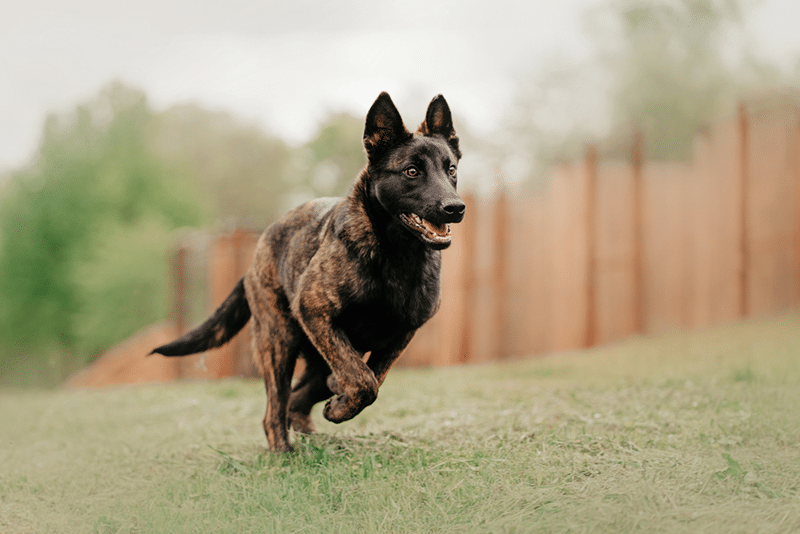
View 8 More +The Dutch Shepherd is one of many shepherds that hail from Northern Europe. These dogs have a rich history, very versatile traits, and can fit into a variety of households and lifestyles. Dutch Shepherds are unique in their appearance and history, and they have a very high internal motor that keeps them going all day long. These dogs are similar to German Shepherds and Belgian Malinois, but they have their own flair and character. Here is everything you need to know about the Dutch Shepherd, especially if you are considering getting one of your own.
Breed Overview
Height:
21–25 inches
Weight:
40–75 pounds
Lifespan:
11–14 years
Colors:
Gold brindle, silver brindle, yellow
Suitable for:
Active owners looking for an intelligent and hard working dog
Temperament:
Intelligent, active, hardworking, stubborn
The Dutch Shepherd is a versatile working dog that hails from the Netherlands. Dutch Shepherds evolved from rural sheep herding communities in northern Europe. While most people no longer have a need for a versatile herding or farm dog, Dutch Shepherds remain popular companions and professional working dogs. Their intelligence and versatility make them a great choice for a variety of different tasks, but they can also fit into an active family that wants a dog that is up for adventures and intensive activity.
Dutch Shepherd Characteristics

Dutch Shepherd Puppies
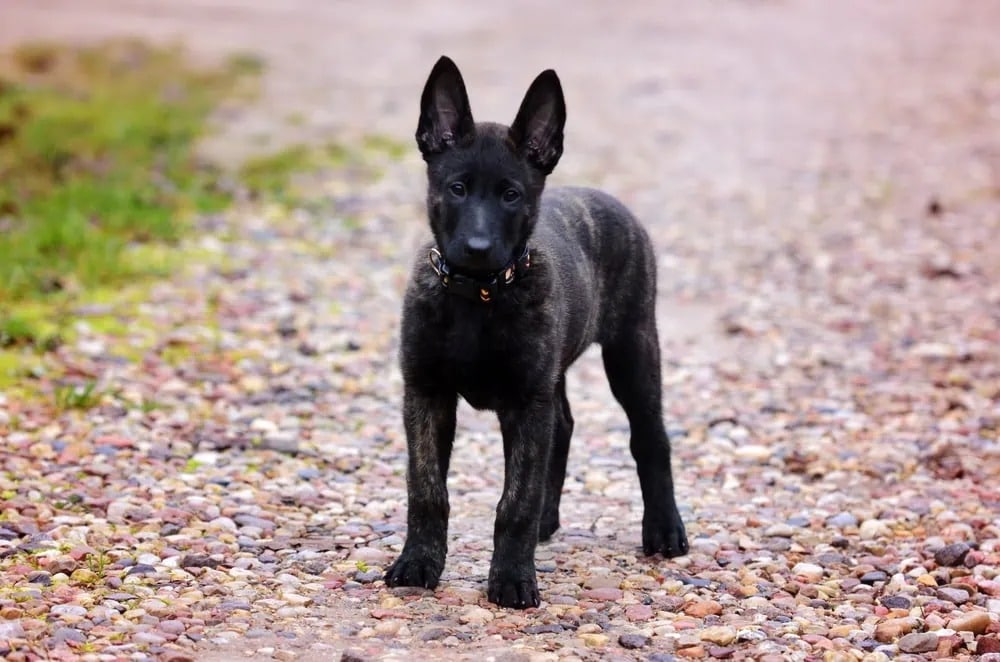
The best way to get a Dutch Shepherd puppy is to source one from a reputable breeder. Dutch Shepherds are not very common in the United States, and many of the best breeders remain in Europe. Dutch Shepherds are far outpaced in the US by German Shepherds and Belgian Shepherds. It is very unlikely that you will be able to stumble upon a young Dutch Shepherd by accident or from a shelter. You will likely have to go out of your way to find a trustworthy breeder. Dutch Shepherd puppies are very high energy and will need ample amounts of socialization, training, and activity to keep them focused and to set them up for long term success.

Temperament & Intelligence of the Dutch Shepherd
Dutch Shepherds are very intelligent and alert dogs. Dutch Shepherds have a ton of energy, and they are used to participating in a number of strenuous activities. As herding dogs, Dutch Shepherds were used to working outside all day in all kinds of elements. Dutch Shepherds are also vigilant and will bark whenever they see new people or anything out of place. These dogs can also be stubborn and obstinate due to their intelligence and hardy nature.
Are These Dogs Good for Families? 👪
Usually, Dutch Shepherds have the potential to be great family dogs, but they won’t fit in with every family. Dutch Shepherds need a lot of mental and physical stimulation, which can be arduous for busy families or families with young children. Dutch Shepherds do decently with families with small children, but not every Dutch Shepherd will get along with young kids. If you have an active family with older children who want to invest time into playing with the dog, then a Dutch Shepherd can be a good fit. If you are a busy family with small children who can’t invest hours per week playing and exercising with a Dutch Shepherd, it might not be the dog for your family.
Does This Breed Get Along With Other Pets?🐶 😽
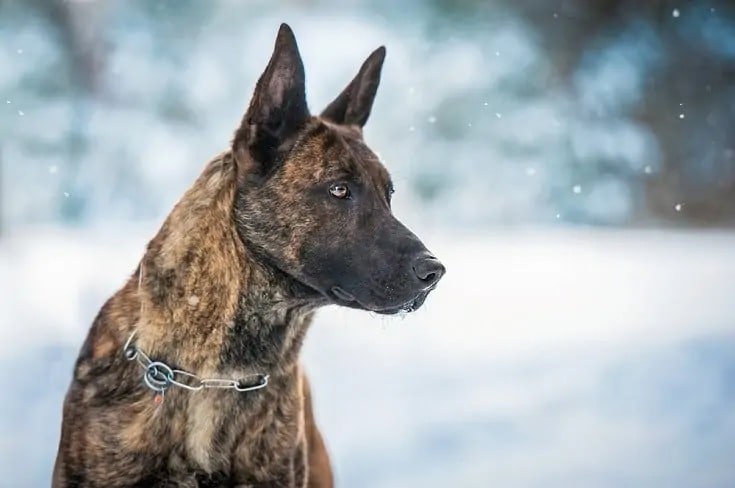
Dutch Shepherds typically get along with other pets, but not always. Dutch Shepherds usually get along with other dogs, but they can run into trouble with small pets. As herding dogs, Dutch Shepherds will have a different relationship with small animals. They will attempt to herd small animals, and sometimes, they will try to run them off as that is instinctual. Since these dogs are highly intelligent, they can learn to get along with animals like cats, but the transition might not be 100% smooth.
Things to Know When Owning a Dutch Shepherd
Food & Diet Requirements 🦴
Dutch Shepherds will need a quality, high calorie diet. If you plan on keeping your Dutch Shepherd active (as recommended) you should feed them food geared toward active dogs. It is also recommended to feed puppy food to puppies, adult food to adults, and senior food to senior Dutch Shepherds. If you are not exercising your Dutch Shepherd daily, you should be wary of using high calorie foods as they can lead to obesity if they are not getting the proper amount of exercise to offset the extra calories. Following the feeding guidelines on the bag is the best way to make sure that you are feeding the correct amounts to prevent excess weight gain.
Exercise 🐕
Dutch Shepherds need a large amount of exercise to keep them healthy and fit. These dogs are working dogs with a ton of energy. Long walks twice per day are a requirement. You also need to consider doing structured activities with your Dutch Shepherd throughout the week, including things like hiking, agility, running, or backyard games. Dutch Shepherds also need mental stimulation, which can be provided through games, puzzles, or training. If you do not give your Dutch Shepherd enough stimulation, they can become anxious, destructive, and hyperactive, which can make them disruptive.
Training 🎾
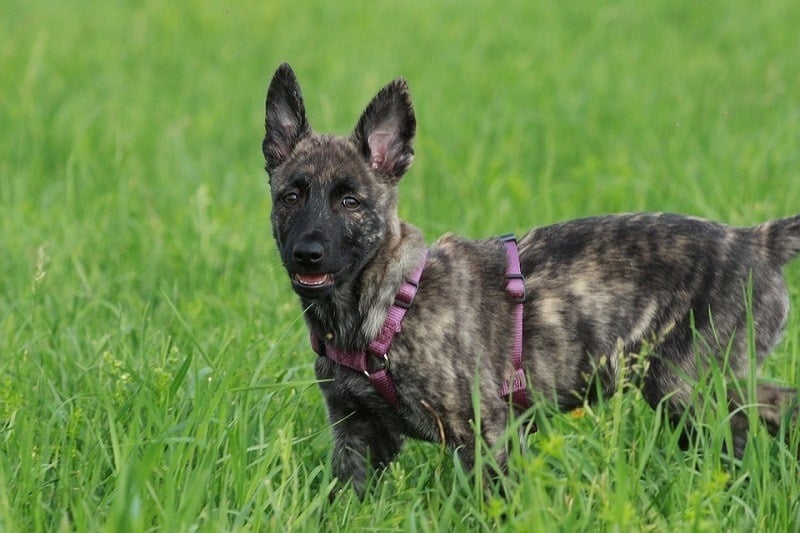
Dutch Shepherds are highly intelligent and used to having a job. That makes them highly trainable. Historically, Dutch Shepherds did a number of different jobs and could even pull small carts to rural market towns. That means if you have a vision for your Dutch Shepherd, you should be able to see it to completion with enough effort and persistence. Training is best started early when the dog is young. Socialization is also recommended for Dutch Shepherds, especially because they can be vigilant and hyper when they are young. Consistent training with a goal is best for Dutch Shepherds. However, some Dutch Shepherds can be stubborn or obstinate due to their intelligence. That means you must have a stronger willpower than your dog to ensure that they remain on your prescribed training path.
Grooming ✂️
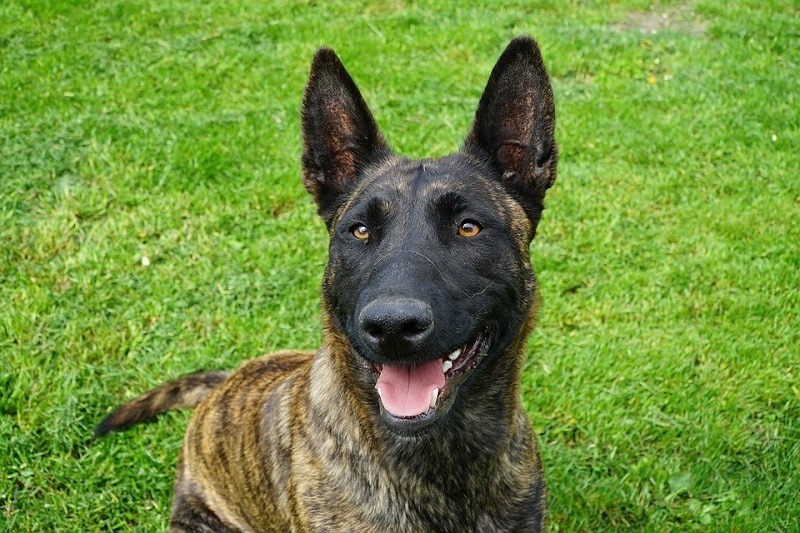
Dutch Shepherds are interesting because they can have three distinct coat types that dictate what kind of grooming that they require. Dutch Shepherds can have short coats, long coats, and rough coats. Short coats require the least amount of maintenance and will not need any attention from owners. Long coats will require weekly grooming, which can include brushing, bathing, and the occasional trim. Rough coated Dutch Shepherds will need monthly grooming to keep their coats as healthy as possible. Long haired and rough coated Dutch Shepherds will need increased brushing during shedding seasons (typically autumn and spring).
Active Dutch Shepherds will need regular baths to keep them free of dirt and stinky odors. Dutch Shepherds will also need their nails trimmed periodically if they are not wearing them down during regular outdoor activity.
Health and Conditions 🏥
Dutch Shepherds are considered to be healthy breeds. They have good lifespans (11–14 years) and are free of many health problems. The biggest problem that Dutch Shepherds can encounter is dysplasia of the hips and elbows, which can lead to arthritis and joint problems as the dog ages. Breeders can screen and adjust for dysplasia. Long haired Dutch Shepherds have a higher risk of developing thyroid issues due to the genetics connected to long coats, and that is something that owners need to be aware of. Dutch Shepherds can also develop a type of glaucoma, but this problem is not as serious in dogs as it can be in humans.
- Glaucoma
- Hip dysplasia
- Elbow dysplasia
- Thyroid problems
Male vs Female
Male Dutch Shepherds are slightly larger than their female counterparts. Males stand a couple of inches taller, but they can weigh 10 to 20 pounds more. Most of this weight is made up of muscle. Female Dutch Shepherds are typically leaner and slenderer than the males. Overall, there is little difference between males and females when it comes to temperament and behavior. The largest differences are in the overall height and weight of each sex. No matter which sex you get, spaying or neutering your dog when they are old enough can reduce the risk of undesirable mating behaviors and certain types of cancers, as well as prevent pregnancy in female dogs if your dog were to roam away from home.
3 Little-Known Facts About the Dutch Shepherd
1. Dutch Shepherds Were Extremely Versatile Dogs
Dutch Shepherds were originally bred to herd sheep, but that is not the only thing that they did. Dutch Shepherds performed a variety of jobs for Dutch farms that included (but were not limited to) herding and protecting chickens, pulling milk carts, alerting rural homes to the presence of animals or people, and herding cows toward the milking stand. For many generations, the Dutch Shepherd was considered a versatile farm dog capable of doing almost any job an intrepid farmer could think of.
2. Dutch Shepherds Are Related to Old European Wild Dogs
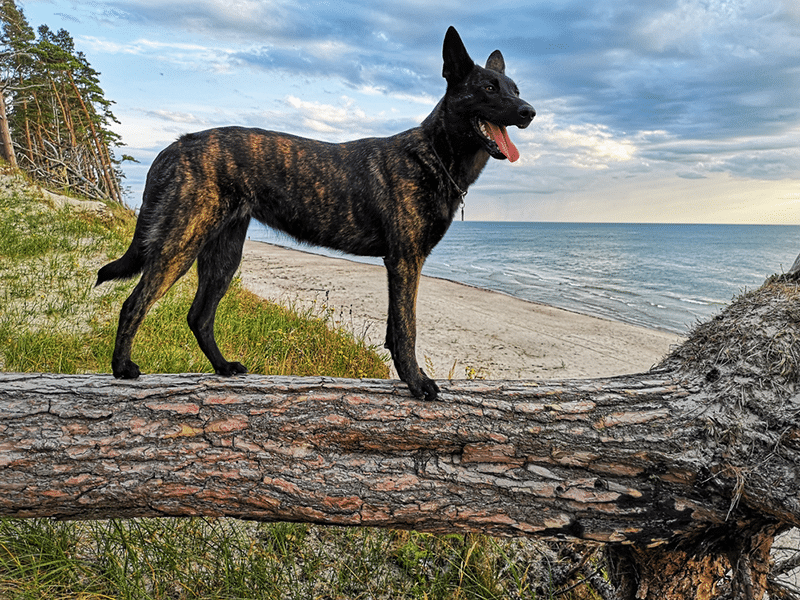
Dutch Shepherds have a wild past. They originated naturally from local dogs bred from wild dog populations as herders for local sheep herds. You can still see this wild ancestry in the Dutch Shepherd’s appearance. In 1910, a dog fancier wrote that the Dutch Shepherd “[bears] a great resemblance to the wolf.” This is because the Dutch Shepherd is a relatively new breed that maintains roots that connect it to the old wild dogs of Medieval Europe.
3. Official Dutch Shepherds Can Only Have Brindle Coats
When the breed standard for the Dutch Shepherd came into existence in 1898, it was decided that Dutch Shepherds should only be bred with brindle coats. This decision was made to help differentiate Dutch Shepherds from other similar dogs that originated from the region. The only other color that Dutch Shepherds can come in is yellow, but yellow is not an official color. That means if you find a Dutch Shepherd that is not brindle (or yellow), it is likely a mixed breed or a case of misidentification.
Final Thoughts
Dutch Shepherds are very interesting dogs. They are very smart and highly energetic. These dogs can make excellent family dogs for active families. They can also be great dogs for people looking to get into dog sports or competitive activities. Dutch Shepherds need a lot of stimulation in order to remain focused and well-behaved. If you are willing to put in the work, Dutch Shepherds can be enduring and versatile companions for a large number of different people.
Featured Image Credit: Ksenia Raykova, Shutterstock



























2 Responses
Something worth mentioning about Dutch Shepherds.
Great smart dogs that do not have a double coat like a German Shepherd.
Much easier to keep the house, clothing and carpets clean.
Hello Lawrence,
thank you very much for your message. We are always happy when our readers contribute with their knowledge and experience!
All the best!